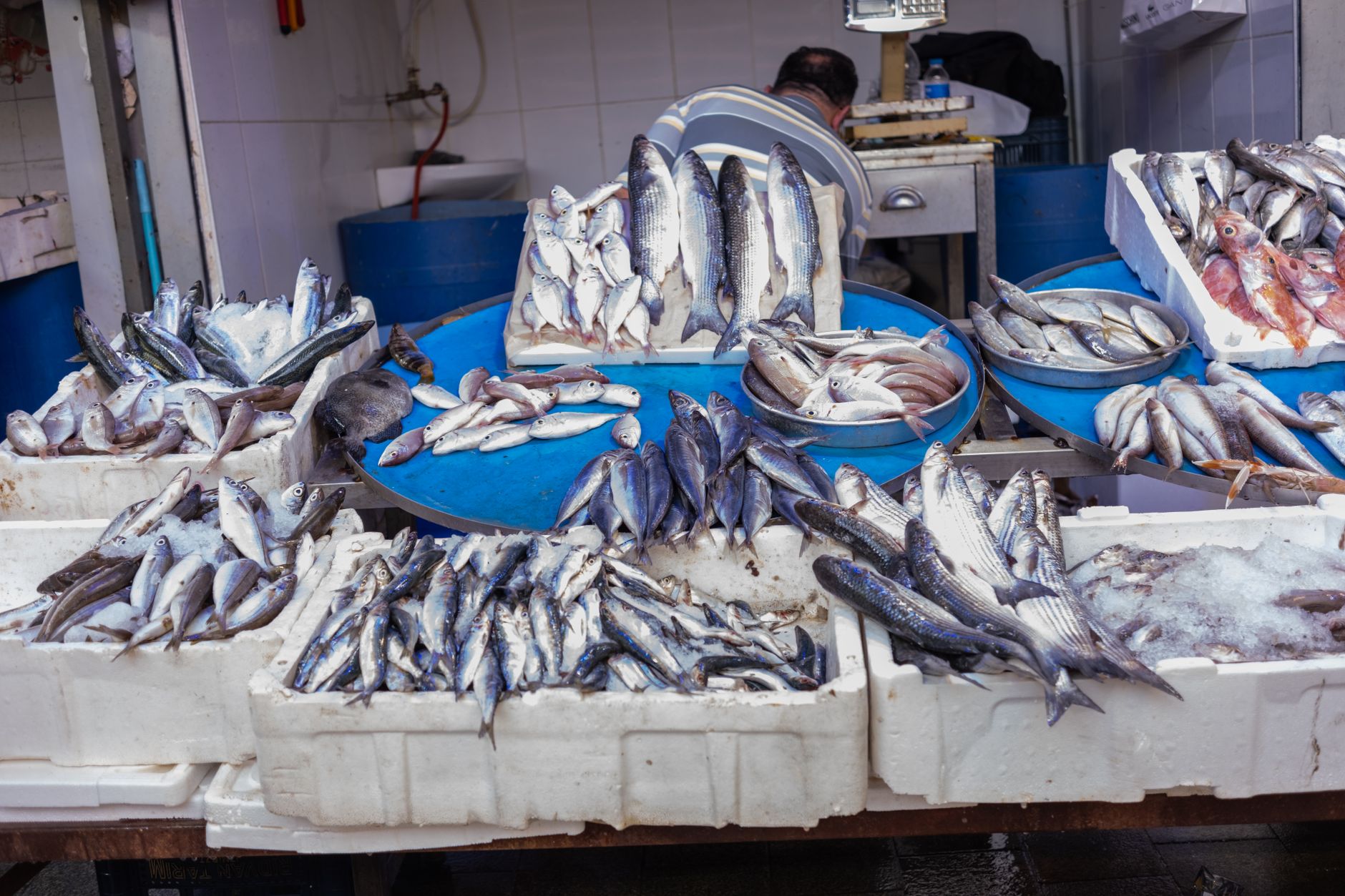
Forget tourist traps! Our travel advisors spill the beans on the *ultimate* chef-guided fish market tours. Taste, learn, and eat like a local, from bustling Tokyo to vibrant Lisbon. Your next unforgettable foodie adventure starts here!
I stepped off the train in Palermo, and the air hit me like a warm, briny wave. It was a symphony of shouts, laughter, and the rhythmic slap of fish on ice. This wasn't just a market; it was the pulsating heart of the city, a vibrant, chaotic ballet of fishermen, vendors, and locals haggling over the day's bounty. This, my friends, is what true culinary immersion feels like, and it’s precisely why I’m here to tell you about the absolute best fish markets with chef-guided tours that your favorite travel advisors swear by.
Forget sterile supermarkets and predictable restaurant menus. The real magic, the stories, the flavor – it all begins at the source. And when you have a seasoned chef leading the way, it’s like unlocking a secret culinary code. They know the vendors, they understand the nuances of a perfect specimen, and they can translate the raw ingredients into the exquisite dishes you’ll be dreaming about for weeks.
The Insider’s Scoop: Why Chef-Guided Fish Market Tours Are a Game Changer
As a travel journalist, I’ve navigated my fair share of bustling marketplaces. But there’s something profoundly different about a chef-guided tour. It's not just about seeing; it’s about understanding.
- Beyond the Surface: A chef doesn't just point out the "pretty fish." They’ll explain the different species, their seasonality, the best fishing methods, and even the subtle signs of freshness that an untrained eye would miss.
- Direct Connections: Chefs often have long-standing relationships with market vendors. This means you get access to the freshest, highest-quality catches, often before they hit the general public. You might even witness a special delivery or a rare find.
- Culinary Insights: You'll learn how to select the perfect seafood for different cooking methods. Ever wondered why a certain cod is better for grilling and another for poaching? Your guide will tell you.
- Taste the Authenticity: Many tours culminate in a tasting session, either at the market itself or a nearby partner restaurant, where the chef prepares a dish using the very ingredients you just selected. This is the ultimate "market to table" experience.
- Cultural Immersion: Markets are microcosms of local life. A chef guide can weave in stories about the region's history, its relationship with the sea, and the cultural significance of its seafood traditions.
Pro-Tip: Don't Be Afraid to Ask!
Your chef guide is your culinary Yoda. Ask them about their favorite local dishes, the history of a particular vendor, or even for a quick tip on filleting. The more you engage, the richer the experience.
Top Chef-Recommended Fish Market Tours Around the Globe
Our network of elite travel advisors has scoured the planet, and these are the destinations that consistently receive rave reviews for their exceptional chef-guided fish market experiences.
1. Tsukiji Outer Market, Tokyo, Japan: A Symphony of Umami
Tokyo's Tsukiji Outer Market is legendary. While the inner wholesale market has moved, the outer market remains a vibrant labyrinth of food stalls, restaurants, and culinary treasures.
- The Experience: Imagine rows upon rows of glistening tuna, plump scallops, vibrant sea urchins, and exotic shellfish. The air is thick with the scent of soy sauce, grilled seafood, and pickled ginger. Chefs here guide you through selecting the freshest sashimi-grade fish, explaining the intricate art of sushi preparation and the importance of umami. You’ll likely sample freshly grilled skewers and perhaps even some tamagoyaki (rolled omelet) from a seasoned vendor.
- Insider Language: Look for vendors with Noren (traditional fabric dividers) hanging outside their stalls – a sign of established businesses. Pay attention to the way the fish is displayed; a clean, organized presentation often indicates pride and quality.
- Pro-Tip: Arrive early, around 7 AM, to witness the true buzz. Many chefs recommend the small, unassuming stalls for the most authentic yakitori (grilled skewers) made with the freshest market catches.
Quick Facts: Tsukiji Outer Market
- Estimated Cost: $100 - $250 per person for a guided tour with tasting.
- Best Time to Visit: Early morning (7 AM - 11 AM) is ideal for the most authentic experience.
- How to Get There: Take the Tokyo Metro Hibiya Line to Tsukiji Station or the Toei Oedo Line to Tsukiji-Shijo Station.
2. Mercado de la Boqueria, Barcelona, Spain: A Mediterranean Masterpiece
La Boqueria, a true icon on Las Ramblas, is more than just a market; it’s a feast for the senses. Its sheer size and variety are breathtaking.
- The Experience: Your chef guide will navigate you through stalls overflowing with glistening anchovies, vibrant red prawns, monkfish, and an array of mollusks. They'll share insights into the rich Catalan seafood heritage, explaining how to choose the best gambas de palamós (red prawns) or the freshest merluza (hake). Many tours include a stop at a market stall for a tapas-style tasting of freshly prepared seafood.
- Authenticity: Notice the vibrant colors of the pimientos de Padrón and the intricate displays of cured meats alongside the seafood. This blend is quintessentially Spanish. The chatter of vendors calling out specials is part of the market’s soul.
- Pro-Tip: Seek out the less crowded stalls towards the back of the market; they often offer the best value and the most genuine interactions. Ask your guide about suquet de peix, a traditional Catalan fish stew.
Quick Facts: Mercado de la Boqueria
- Estimated Cost: $80 - $180 per person for a guided tour with tasting.
- Best Time to Visit: Weekday mornings, ideally between 9 AM and 11 AM, before the peak tourist crowds.
- How to Get There: Located directly off Las Ramblas. Accessible via the Liceu (L3) or Catalunya (L1, L3) metro stations.
3. Borough Market, London, UK: A Gastronomic Hub
Borough Market is London's most renowned food market, a historic site that has evolved into a premier destination for artisanal produce and exceptional seafood.
- The Experience: With a chef guide, you’ll discover stalls showcasing the best of British and European seafood. Think plump oysters from Cornwall, sustainably sourced cod, and delicate scallops. Your guide will explain the provenance of the fish, the importance of sustainable fishing practices, and how to prepare these ingredients for classic British dishes. Tours often include tastings of oysters, smoked salmon, or a small seafood platter.
- Insider Language: Listen for terms like "day boat" – indicating fish caught by a vessel that returns to port within 24 hours, ensuring peak freshness. The market’s architecture, with its Victorian ironwork, adds to the historic charm.
- Pro-Tip: Venture to the far end of the market for some of the most dedicated seafood purveyors. Many chefs recommend sampling the specialty smoked fish from specific vendors.
Quick Facts: Borough Market
- Estimated Cost: $70 - $150 per person for a guided tour with tasting.
- Best Time to Visit: Wednesday and Thursday mornings offer a good balance of activity and fewer crowds.
- How to Get There: London Underground to London Bridge station (Jubilee and Northern lines).
4. Nishiki Market, Kyoto, Japan: The Kitchen of Kyoto
While perhaps more diverse than just fish, Nishiki Market in Kyoto offers an incredible array of fresh seafood, essential to the delicate Kyoto cuisine.
- The Experience: A chef guide here will introduce you to the subtle flavors of Japanese seafood, focusing on ingredients key to kaiseki (traditional multi-course haute cuisine). You’ll see beautiful displays of freshwater fish, various types of seaweed, and tsukemono (pickles) that pair perfectly with seafood. The focus is often on tasting small, exquisitely prepared samples.
- Authenticity: Kyoto cuisine is known for its refined elegance. Look for vendors specializing in ingredients like yuba (tofu skin) and shojin ryori (Buddhist vegetarian cuisine) which often incorporate delicate fish elements. The narrow, covered street of the market itself is a unique experience.
- Pro-Tip: Many chefs recommend trying the unagi (eel) skewers or the various kama-age shirasu (boiled baby sardines) offered by different vendors. Don't miss the chance to try amaebi (sweet shrimp).
Quick Facts: Nishiki Market
- Estimated Cost: $90 - $200 per person for a guided tour with tasting.
- Best Time to Visit: Weekday mornings (9 AM - 12 PM) for a less overwhelming experience.
- How to Get There: Short walk from Shijo Station (Karasuma Line) or Kawaramachi Station (Hankyu Line).
5. Mercado do Bolhão, Porto, Portugal: A Taste of the Atlantic
Porto's historic Mercado do Bolhão, recently renovated, is a vibrant hub showcasing the best of Portuguese Atlantic produce, with seafood taking center stage.
- The Experience: Your chef guide will lead you through stalls brimming with sardines, sea bream (dourada), sea bass (robalo), and octopus. They’ll explain the importance of these staples in Portuguese cuisine, from simple grilled dishes to hearty stews. Expect to taste incredibly fresh grilled sardines, ameijoas à Bulhão Pato (clams in garlic and coriander), or perhaps some polvo à lagareiro (octopus with olive oil and potatoes).
- Insider Language: Listen for the call of "Sardinhas frescas!" – fresh sardines are a national obsession. The tiles adorning the market's interior are a beautiful example of Portuguese azulejos.
- Pro-Tip: Ask your guide about the best local wineries to pair with your seafood discoveries. Many chefs recommend trying the bacalhau (codfish) preparations, even though it's dried, as Porto is a major center for its preparation.
Quick Facts: Mercado do Bolhão
- Estimated Cost: $75 - $170 per person for a guided tour with tasting.
- Best Time to Visit: Weekday mornings, particularly between 9 AM and 1 PM.
- How to Get There: Metro to Bolhão Station (Line A, B, C, E, F).
6. Pike Place Market, Seattle, USA: Iconic and Abundant
Pike Place Market is more than just a market; it's a Seattle institution. While famous for its fish throwing, the culinary offerings are profound.
- The Experience: A chef guide will help you navigate the dazzling array of Pacific Northwest seafood – salmon, halibut, Dungeness crab, and oysters. They'll explain the different varieties of salmon, the best times to find local crab, and the unique characteristics of Puget Sound oysters. Many tours include tastings of freshly shucked oysters, smoked salmon, or even a small seafood chowder.
- Authenticity: Beyond the fish throwing (which is a must-see!), look for vendors with deep knowledge of the local ecosystem and sustainable practices. The market's multilevel layout offers diverse discoveries.
- Pro-Tip: Many chefs recommend visiting the smaller, less crowded fishmongers on the lower levels for potentially better prices and more personalized service. Ask about seasonal specialties like razor clams.
Quick Facts: Pike Place Market
- Estimated Cost: $85 - $190 per person for a guided tour with tasting.
- Best Time to Visit: Weekday mornings, ideally before 10 AM, to avoid the biggest crowds.
- How to Get There: Located downtown Seattle. Easily accessible by bus or light rail to Westlake Station, followed by a short walk.
Planning Your Culinary Expedition: What to Expect and How to Prepare
A chef-guided fish market tour is an investment in an unforgettable experience. Here’s how to make the most of it.
Booking Your Tour: The Travel Advisor Advantage
This is where your trusted travel advisor truly shines. They have the inside track on the best tour operators, the most knowledgeable chefs, and can often secure exclusive access or private tours. They understand your culinary interests and can match you with the perfect itinerary.
- Ask About Inclusions: Does the tour include tastings? Is a meal at a partner restaurant part of the package? What is the duration?
- Chef's Speciality: If you have a particular interest (e.g., oysters, sustainable fishing), let your advisor know. They can find tours that focus on your preferences.
- Group Size: Smaller groups generally offer a more intimate and personalized experience.
What to Bring and Wear
- Comfortable Shoes: You’ll be doing a lot of walking on potentially wet and uneven surfaces.
- A Reusable Bag: For any market finds you might want to take home (check customs regulations!).
- An Appetite: This is crucial! Come hungry and ready to taste.
- A Camera (or phone): For capturing the vibrant sights (but be mindful of vendors' privacy).
- An Open Mind: Be prepared to try new things and embrace the local culture.
Budgeting for Your Experience
As you can see from the 'Quick Facts' tables, prices vary by location and what’s included. A general budget would be:
- Tour Only: $70 - $150
- Tour with Tastings: $100 - $200
- Tour with Market Meal/Cooking Class: $150 - $300+
Remember to factor in any additional purchases you might want to make at the market.
Beyond the Tour: Making the Most of Your Market Discoveries
The knowledge gained on a chef-guided tour extends far beyond the market visit.
- Recreate at Home: Armed with your newfound knowledge, you can confidently select and prepare incredible seafood dishes in your own kitchen.
- Support Local: When you return home, seek out your local fishmonger and apply the skills you’ve learned.
- Deeper Appreciation: You'll develop a profound respect for the journey of your food from the ocean to your plate.
This isn't just a culinary excursion; it's an education, an adventure, and a delicious deep dive into the soul of a destination. So, next time you’re planning a trip, ask your travel advisor about a chef-guided fish market tour. Your taste buds – and your understanding of the world – will thank you.
More pictures


Tags
Share this guide
We may earn a commission if you click a link and buy a product or service, at no extra cost to you. How affiliate links work.
Been there?