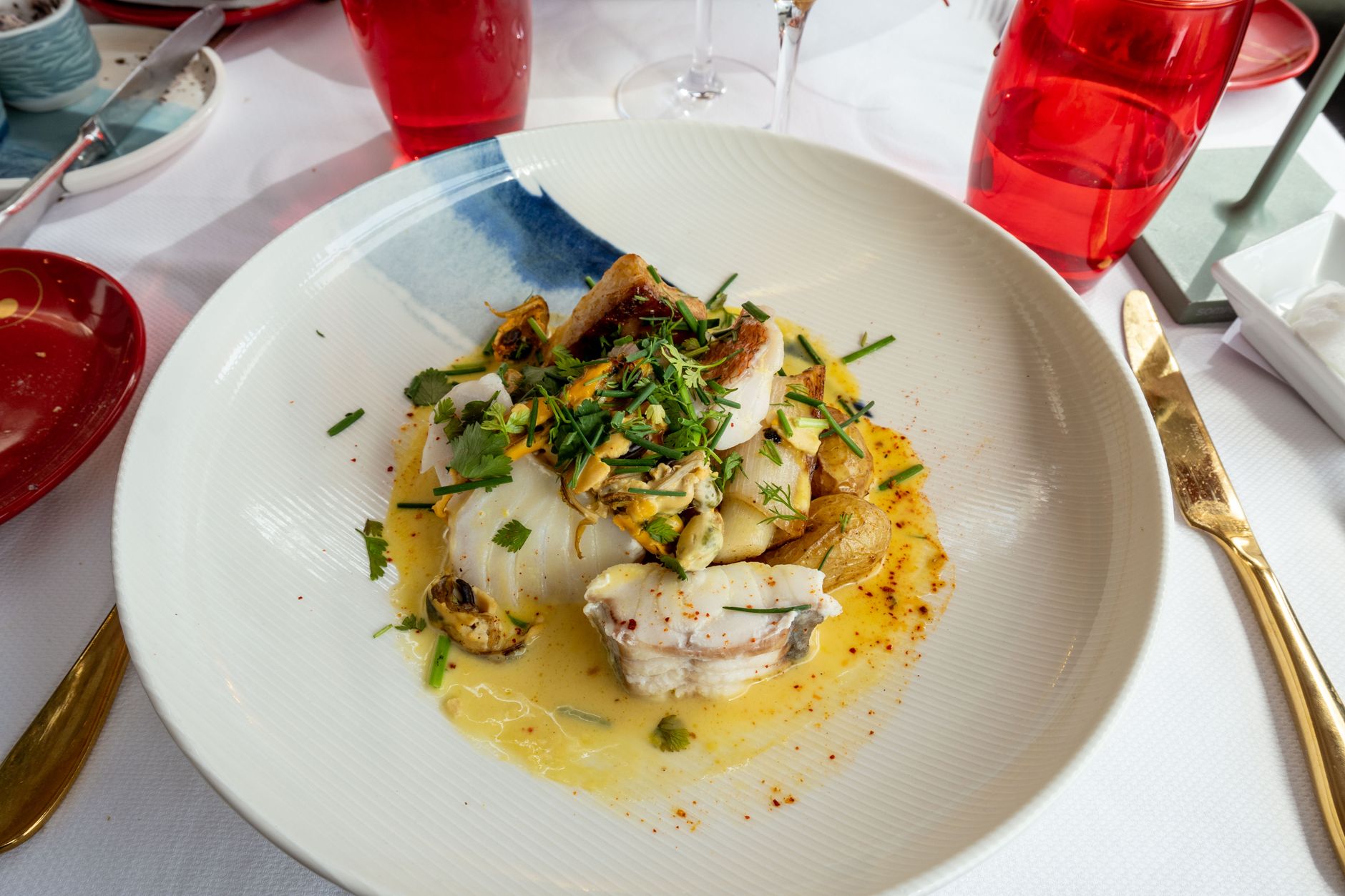
Forget the tourist traps. This year, the world’s most elite chefs are opening their Rolodexes to take you behind the scenes of the world's grittiest, most vibrant fish markets. From the neon-lit stalls of Busan to the salt-sprayed piers of Marseille, we’ve curated the definitive list of "Dock-to-Dish" experiences that are redefining luxury travel. ---
The Hook: Salt, Steel, and the 4 AM Hustle
I stepped off the red-eye in Busan, the air thick with the scent of brine and diesel. It was 4:15 AM, and while the rest of the city slept, the Jagalchi Market was screaming. I wasn't there to wander aimlessly and take blurry photos of octopuses. I was there with Chef Jinsu, a Michelin-starred veteran who has spent twenty years sourcing the exact moment a sea bream reaches its peak.
As we navigated the slick, narrow aisles, Jinsu didn't just point at fish; he showed me how to look for the "shimmer of life" in a mackerel’s eye and why the "Ahjummas" (the legendary market women) are the true gatekeepers of Korean gastronomy. This isn't just a tour; it’s a masterclass in a world that usually shuts its doors to outsiders.
This year, the travel landscape has shifted. We no longer want the white-tablecloth experience in a vacuum. We want the origin story. We want the grit. Here are the seven fish markets with chef-guided tours emerging this year that you need to book before the secret gets out.
---
1. Busan, South Korea: The Jagalchi "Ahjumma" Experience
While Seoul gets the glamour, Busan has the soul. Jagalchi is Korea’s largest seafood market, and this year, a new wave of bilingual chefs from the city’s high-end "Omakase" scene are offering sunrise tours.
- The Insider Edge: You aren't just buying fish; you’re learning the hierarchy. Chef-led tours here now include a "Market-to-Table" session in a private kitchen overlooking the harbor.
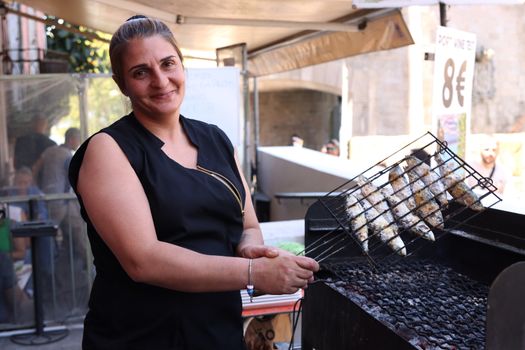
- The Flavor: Look for Godeangeo-gui (salted grilled mackerel) cooked over charcoal right on the street.
- Pro-Tip: Wear waterproof boots. Seriously. The floors are a tactical hazard of seawater and ice melt.
2. Marseille, France: The Bouillabaisse Charter Tour
In Marseille, seafood is a religion, and the Vieux Port is its cathedral. For years, tourists were sold "fake" Bouillabaisse. This year, members of the Marseille Bouillabaisse Charter (an elite group of chefs dedicated to authenticity) have begun hosting private market walks.
- The Insider Edge: You’ll learn to identify the Rascasse (scorpionfish), the essential, ugly-but-delicious backbone of a true Marseille stew.
- The Architecture: The market sits under the stunning, mirrored "Vieux Port Pavilion" designed by Norman Foster—a sharp contrast to the 19th-century fishing boats docked feet away.
- Pro-Tip: The hidden entrance to the best tasting room is behind the blue door of Le Miramar—only accessible if you’re with a registered chef.
3. Ensenada, Mexico: The "Mercado Negro" and Baja Med
The "Black Market" (Mercado Negro) isn't illegal; it’s just legendary. As the "Baja Med" culinary movement explodes, chefs from Valle de Guadalupe are bringing guests down to the docks to source chocolate clams and sea urchin.
- The Insider Edge: This isn't about fine dining; it’s about the perfect fish taco. Your guide will take you to the specific stall that supplies the top vineyards in the valley.
- The Vibe: It’s loud, colorful, and smells of lime and chili.
- Pro-Tip: Go on a Tuesday. The weekend crowds from San Diego vanish, and the chefs have more time to explain the nuances of the local "Pismo" clams.
4. Bergen, Norway: Arctic Gold at Fisketorget
Bergen’s Fisketorget has been the heart of the city since the 1200s. But the "emerging" factor this year is the focus on hyper-local, cold-water species like the Norwegian King Crab and mahogany clams (which can live for 500 years).
- The Insider Edge: Private tours now include a boat trip with the chef to pull lobster pots before returning to the market to see the commercial side of the trade.
- The Detail: Notice the Hanseatic architecture of Bryggen in the background—a UNESCO site that looks best during the "Blue Hour" of a Norwegian morning.
- Pro-Tip: Try the smoked whale if you’re feeling adventurous, but the real star is the "Stockfish" (dried cod), which the chefs will show you how to rehydrate into a delicacy.
5. Lisbon, Portugal: Beyond the Time Out Market
While everyone flocks to the Time Out Market, the real chefs go to Mercado de Setúbal (a short drive from Lisbon) or the early morning auctions at Cascais.
- The Insider Edge: This year, "Petisco" (Portuguese tapas) tours led by local chefs focus on the Percebes (Goose Barnacles). These "Lucifer’s Fingers" are dangerous to harvest and expensive to buy; a chef will show you how to spot the freshest ones.
- The Aesthetic: The Setúbal market is famous for its stunning Azulejos (blue and white tiles) depicting fishing scenes.
- Pro-Tip: Ask your guide about "Choco Frito"—deep-fried cuttlefish that is the soul food of the region.
6. Sydney, Australia: The New Era of Blackwattle Bay
The Sydney Fish Market is the second largest in the world (after Toyosu). With a massive $750 million redevelopment nearing completion, chef-led tours here are becoming high-tech and high-access.
- The Insider Edge: You can now book "Behind the Scenes" auction tours led by the Sydney Seafood School’s executive chefs. You’ll stand on the auction floor where $100 million of seafood changes hands annually.
- The Flavor: Sydney Rock Oysters. Your chef will teach you how to "merroir" (tasting the sea) like a sommelier tastes wine.
- Pro-Tip: Visit at 7 AM to see the Dutch auction system in action—it’s like Wall Street but with more scales.
7. Tokyo, Japan: The Toyosu "Inner Circle"
Since Tsukiji moved to Toyosu, it lost some of its grit but gained incredible precision. The "emerging" trend here is the rise of private tours led by retired sushi masters who have "Meiki" (the eye for quality).
- The Insider Edge: These guides can get you into the tuna auction viewing galleries and then to private stalls where the general public is strictly forbidden.
- The Detail: You’ll learn why a tuna can sell for $3 million and how the fat distribution (O-toro vs. Chu-toro) is judged in seconds under a flashlight.
- Pro-Tip: Don't wear perfume or cologne. It’s considered disrespectful to the delicate aroma of the fish and can get you kicked out of high-end stalls.
---
The Budget & Logistics: Quick Facts
| Destination | Est. Tour Cost (USD) | Best Time to Visit | How to Get There | | :--- | :--- | :--- | :--- | | Busan, SK | $150 - $250 | 5:00 AM | KTX Train from Seoul to Busan Station. | | Marseille, FR | €120 - €200 | 8:00 AM | Metro Line 1 to Vieux-Port Hotel de Ville. | | Ensenada, MX | $80 - $150 | 9:00 AM | 2-hour drive south from San Diego/Tijuana. | | Bergen, NO | 1500 - 2500 NOK | 7:00 AM | Walking distance from any central hotel. | | Lisbon, PT | €100 - €180 | 6:30 AM | Train from Cais do Sodré to Setúbal. | | Sydney, AU | $120 - $300 AUD | 6:00 AM | Light Rail to Fish Market station. | | Tokyo, JP | ¥30,000 - ¥60,000 | 4:30 AM | Yurikamome Line to Shijo-mae Station. |
---
Authenticity: How to Spot a Real Chef-Guided Tour
Don't be fooled by "food walks" led by students with a script. A real chef-guided tour has three hallmarks:
- The Handshake: Does the guide know the stall owners by name? If there’s no banter and no "tasting from under the counter," it’s not an insider tour.
- The Tools: A real chef will often bring their own knife or a specialized "hook" to check fish quality.
- The Aftermath: The tour should always end in a kitchen—not just a restaurant, but a place where you see the raw product transformed.
Traveling for food isn't about the meal anymore; it’s about the hunt. These seven markets offer a glimpse into a disappearing world of maritime tradition, served with a side of Michelin-grade expertise. Book your flight, pack your boots, and get ready to see the ocean through a chef’s eyes.
---
More pictures


Tags
Share this guide
We may earn a commission if you click a link and buy a product or service, at no extra cost to you. How affiliate links work.
Been there?