
A region-by-region look at June ferry trips to lesser-visited islands, covering long daylight, midsummer events, crowds, booking and what to check before you sail.
June is when the ferry world wakes up properly. Summer timetables are in force, daylight stretches deep into the evening, and island communities open their cafes, guesthouses and boat trips. It is also the month before the peak rush of July and August, which means you can still find breathing space on many routes if you choose carefully.
This guide looks at June ferry travel region by region, with a focus on islands that are quieter than the famous names. Rather than promising secrets, it helps you match a region to what you want and understand how June conditions shape the trip. Timetables, fares and event dates change, so confirm everything with the ferry operator and local tourism offices before booking.
What makes June special
Several features set June apart:
- Maximum daylight in the northern hemisphere. Around the solstice, daylight can stretch very late in northern regions, which makes it possible to explore long after what would be dusk elsewhere.
- Full but not peak timetables. Operators usually run the summer schedule, yet demand is lower than at the height of the holiday season.
- Warm but not overheated conditions in many Mediterranean areas, making walking more comfortable than in midsummer heat.
- Festivals and midsummer events in several regions.
- Seabirds and wildflowers at or near their seasonal peak in many northern areas.
On the other hand, some school holidays begin in June in certain countries, so weekends can already be busy on popular routes. Check local calendars.
The Nordic archipelagos
Sweden, Finland and Norway have thousands of small islands. The Stockholm archipelago, reached by commuter-style boats from the city, offers car-free islands with walking paths, swimming rocks and small restaurants. Finland's Turku archipelago and the Aland Islands are linked by ferries that form a famous island-hopping route often used for cycling holidays. Norway's coast is served by ferries and fast boats that reach fishing villages and islands beneath dramatic peaks.
June in the Nordics:
- Midsummer celebrations around the solstice are a major cultural event. Many locals travel to the islands, so ferries and accommodation can be busy that weekend. Book early or avoid it if you want solitude.
- Daylight is long, so evening walks are easy.
- Water temperatures are still cool, but swimming from rocks is a popular local habit.
- Cycling and kayaking are widely available, with rental shops opening in the season.
Check the operator's timetable carefully, as some routes run on reduced schedules outside summer, and the exact start of the summer timetable differs by route.
The Mediterranean
Greece, Italy, Croatia and Spain have extensive ferry networks. Big names attract crowds, but smaller islands often have a gentler pace.
- Greece. Lesser-visited islands in the Cyclades, Dodecanese and Ionian groups can be reached via connecting ferries. Services can be affected by strong summer winds in some areas, so keep slack in your plans. Official ferry booking platforms and operators list routes, but schedules change from year to year.
- Italy. Small islands off the coast of Tuscany, Campania and Sicily have ferry and hydrofoil links. Some require booking in advance in summer.
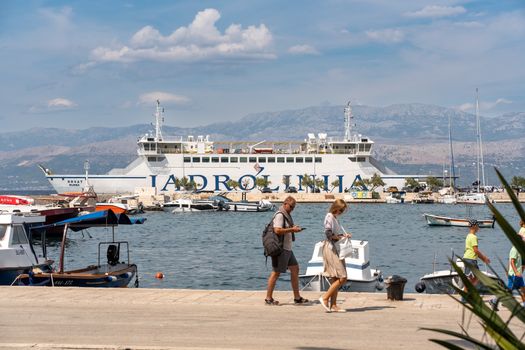
- Croatia. The Dalmatian coast has many islands reached by regular ferries, with some routes busy with vehicles in summer. Passenger-only catamarans serve others.
- Spain. The Balearic and Canary Islands have ferries between islands, and the Cies Islands off Galicia require a permit and limit daily visitors, with the season starting in the warmer months.
June in the Mediterranean is warm and often very pleasant. Sea temperatures are rising, and many beach businesses are open. Still, crowds build on the best-known beaches, so consider visiting smaller coves on weekdays.
Atlantic Britain and Ireland
The coasts of Scotland, Ireland, Wales and Cornwall are dotted with islands, many served by small ferries.
- Scotland. The Hebrides, Orkney and Shetland are served by ferries from the mainland. Some islands have limited crossings, and bookings for vehicle ferries fill early in the season.
- Ireland. The Aran Islands, Skellig-related boat trips, Cape Clear and others are accessible by passenger ferry, often from small harbours. Landing on the Skellig islands is limited and depends on weather and licensed operators.
- Wales and England. Anglesey, Skomer, Lundy and the Isles of Scilly offer a mix of wildlife and walking. Skomer has limited landing numbers, and puffin season peaks in late spring and summer.
June is a good month for wildlife here, but weather is still variable. Bring layers, waterproofs and flexible plans.
North America: the Pacific Northwest and the Northeast
On the west coast, the Washington State ferry system and British Columbia's ferries link islands including the San Juan and Gulf Islands. Whale watching, cycling and quiet harbour villages are the draw. Summer ferry lines can be long, so many travellers reserve ahead or arrive early.
On the east coast, ferries link Maine's islands, Nantucket and Martha's Vineyard, and the Canadian Maritimes. Some of these are very popular and require advance booking for vehicles. Lesser-visited islands in Maine and Nova Scotia offer lobster-boat harbours and rugged scenery.
In June, fog can appear on cool coasts, and sea temperatures remain low, so pack for changeable conditions.
Asia and the Pacific
In Japan, ferries reach islands in the Seto Inland Sea, where art installations, citrus groves and cycling routes attract visitors. June is the rainy season in much of Japan, so expect showers and humidity, and carry rain gear.
In Southeast Asia, islands in Thailand, Indonesia and the Philippines have weather patterns that vary by coast. On some coasts, June is within the wetter or rougher season, which can disrupt boat services. Check the local monsoon patterns for the region you plan to visit and be ready for cancellations.
In the Pacific, island ferries in places such as Fiji and Tonga can be infrequent and weather dependent. Allow plenty of flexibility.
How to choose a region for June
Ask yourself a few questions:
- Do you want warm swimming water? The Mediterranean is the safer bet. The Nordics, Atlantic coasts and Pacific Northwest are cooler.
- Do you want long evenings? Choose northern latitudes.
- Do you want to avoid crowds? Pick lesser-known islands and travel midweek.
- Do you want wildlife? Many northern and Atlantic islands are strong for seabirds in June.
- How flexible are you? If plans cannot move, avoid regions known for weather-related cancellations.
Three sample June plans
These outlines show how the regions above can turn into real itineraries. They are ideas to adapt, not fixed schedules.
A car-free Nordic archipelago weekend. Take a morning boat from a city harbour to a small island, carry only a backpack, and book a simple cabin or guesthouse. Spend the first afternoon walking and swimming from the rocks, eat a late dinner in the long evening light, and take a second island boat the next day before heading home. Check whether midsummer weekend falls in your window, since that is when boats and rooms fill first.
A slow Greek or Croatian island pair. Choose two smaller islands linked by a direct ferry and avoid the busiest transfer points. Stay three or four nights on each, hiring a bicycle or walking between coves. Keep a spare day at the end so a windy-day cancellation does not make you miss your flight home. Consider checking ferry operator announcements each morning in windy periods.
An Atlantic wildlife day or two. Pick a nature island with a landing limit, such as one with seabird colonies, and book the boat well ahead. Pack waterproofs, binoculars and sturdy shoes. Because landing sometimes depends on the sea state, have a mainland alternative such as a coastal walk or museum ready.
All three share a pattern: a small number of bookings, plenty of slack, and a backup activity if the sea says no.
Reading June weather signals
Weather decides whether a ferry trip is a joy or a headache. In June, a few signals are worth learning.
- Wind speed and direction matter more than rain. Strong winds against a coast with little shelter can disrupt even large ferries.
- Fog forms over cold water in several northern regions and can delay sailings or slow crossings.
- Swell is not always obvious from land. Marine forecasts often show wave heights, and a rough sea on a small boat can be uncomfortable.
- Thunderstorms in warm regions can build in the afternoon, so morning crossings are often calmer.
- Heat on open decks and quays can be intense in southern regions, so carry water and shade.
Local operators usually know best. If you are unsure, call or check their service page before you leave for the port.
Booking and timing tips for June
- Book vehicle spaces and cabins early, since popular summer routes can sell out weeks or months ahead.
- For passenger-only sailings, check whether tickets are sold on the day, and arrive early on busy weekends.
- Look at the first and last sailings of the day, which are often quieter and cheaper in some systems.
- Avoid school-leaving weekends and midsummer holidays if you want fewer crowds.
- Keep your booking flexible where possible. Some operators offer changes or refunds if weather disrupts sailings.
- Note the check-in cutoff, especially for vehicles, because late arrivals can be refused.
Safety and comfort on summer crossings
Summer sailings are usually smooth but not always. Keep these basics in mind.
- Sun. Decks can be exposed, so use sun protection and carry water.
- Wind. Even on a warm day, wind on deck can be strong. Secure hats and light items.
- Crowds. On busy ferries, keep an eye on children and belongings.
- Seasickness. Fresh air, a stable position and light meals can help. If you rely on medication, follow the instructions and speak to a pharmacist if needed.
- Safety instructions. Listen to announcements and know where lifejackets are.
Responsible island visiting
A crowded June can strain small communities. Help by:
- Staying overnight rather than just a rushed day trip, so more money stays on the island.
- Buying from local shops and producers.
- Respecting limits on visitor numbers and permits.
- Avoiding fragile dunes and nesting areas.
- Using refillable bottles and taking waste back with you.
Frequently asked questions
Is June too early for good weather? In many northern regions it is an excellent month, while some tropical regions are in a wetter season. Research your specific area.
Do I need to book ahead in June? For vehicles and popular routes, yes. For quiet passenger routes, it may not be necessary, but booking early reduces risk.
What if the ferry is cancelled? Check the operator's announcements and options for refunds or rebooking. Have a fallback plan and flexible accommodation if possible.
Are June crowds worse than July? Usually a bit lighter, but this depends on school holidays and events. Check local calendars.
Summary
June is a strong month for ferry travel, thanks to long daylight, active timetables and a mix of festivals and wildlife. Choose a region that matches your priorities, from the Nordic archipelagos to the Mediterranean or Atlantic coasts. Book early for vehicles and popular routes, keep an eye on weather and school holidays, and visit responsibly. Always verify timetables and event dates with official sources before you travel.
More pictures



Tags
Share this guide
We may earn a commission if you click a link and buy a product or service, at no extra cost to you. How affiliate links work.
Been there?