
Forget boring beach holidays! This year, unlock a world of mind-blowing flavors with fermentation workshops in countries you'd *never* expect. Think ancient kimchi secrets in bustling Seoul, artisanal cheese in the misty mountains of Georgia, or naturally leavened bread in vibrant Lisbon. Get ready to taste, learn, and explore like a true culinary adventurer!
Fermentation Workshops: Unlocking Global Flavors in Unexpected Corners
I stepped off the train in Tbilisi, Georgia, and the air itself felt alive. It wasn't just the crisp mountain breeze carrying whispers of pine; it was a subtle, earthy aroma, a hint of something deeply fermented, that promised culinary adventures beyond my wildest dreams. This wasn't the Georgia I'd read about in guidebooks – this was a vibrant, modern nation with ancient traditions simmering just beneath the surface, and a burgeoning scene for hands-on fermentation workshops that are about to blow your tastebuds away.
This year, the discerning traveler isn't just seeking sun-drenched beaches or well-trodden historical sites. They're chasing experiences, diving deep into local cultures, and most importantly, learning to create. And what better way to connect with a place than through its food, especially the ancient, alchemical art of fermentation? Forget the same old sourdough classes; the real magic is happening in surprising countries, offering unique insights into time-honored techniques.
The Global Fermentation Renaissance: Why Now?
The resurgence of interest in fermentation isn't just a fleeting trend; it's a global awakening. People are reconnecting with their food, understanding the profound health benefits, and rediscovering the sheer joy of transforming simple ingredients into complex, delicious flavors. This "fermentation renaissance" is giving rise to incredible opportunities for immersive travel. We're seeing passionate artisans and chefs opening their kitchens, eager to share generations of knowledge. And the most exciting part? These workshops are popping up in countries that might not be on your typical culinary radar.
Georgia: The Birthplace of Wine, the Cradle of Fermentation
My Georgian adventure was a revelation. While known as the birthplace of wine (with an 8,000-year-old winemaking tradition involving qvevri, those iconic clay amphorae buried underground), Georgia's fermentation prowess extends far beyond the grape.
Qvevri Winemaking Immersion in Kakheti
My most profound experience was in the Kakheti region, Georgia's wine heartland. I spent three days with a family whose lineage of qvevri winemakers stretched back centuries. We didn't just taste wine; we made it.
- The Process: Under the watchful eye of our host, Giorgi, we stomped grapes by hand in a traditional saperavi vineyard, the sweet juice splashing around our ankles. Then, we meticulously cleaned and prepared the qvevri, filling them with the crushed grapes, skins, seeds, and stems – the entire essence of the grape. The magic happens as the qvevri are sealed with a clay cap and buried, allowing the wine to ferment naturally for months.
- The Taste: The resulting wine is unlike anything you'll find elsewhere. It has a deeper color, a richer tannin structure, and an earthy complexity that speaks of the soil and the ancient method. It’s a true expression of terroir.
Pro-Tip: Visit during the grape harvest (late September to early October) for the full Rtveli (harvest festival) experience. It’s chaotic, joyful, and utterly unforgettable.
Quick Facts: Georgian Qvevri Workshop
- Estimated Cost ($): $300 - $700 per person for a 3-day workshop (often includes accommodation and meals).
- Best Time to Visit: Grape harvest (late Sept - early Oct) for festivals; Spring (April-May) for pleasant weather and vineyard visits.
- How to Get There: Fly into Tbilisi International Airport (TBS). Workshops are typically located in Kakheti, a 2-hour drive from Tbilisi. Arrange transport with your workshop provider.
South Korea: Beyond Kimchi Staples
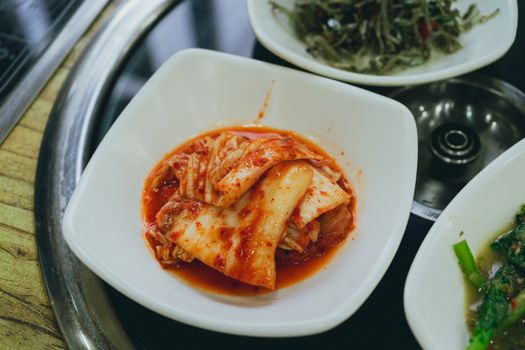
When you think of South Korean fermentation, kimchi is likely the first thing that comes to mind. And while mastering the art of kimchi-jjigae is a worthy pursuit, the nation's fermentation expertise runs much deeper, encompassing a whole universe of complex flavors.
Artisanal Jang (Fermented Pastes) in Jeonju
Jeonju, a city celebrated for its traditional Hanok village and incredible food scene, is the perfect place to delve into the world of jang – the foundational fermented pastes of Korean cuisine: doenjang (soybean paste), ganjang (soy sauce), and gochujang (chili paste).
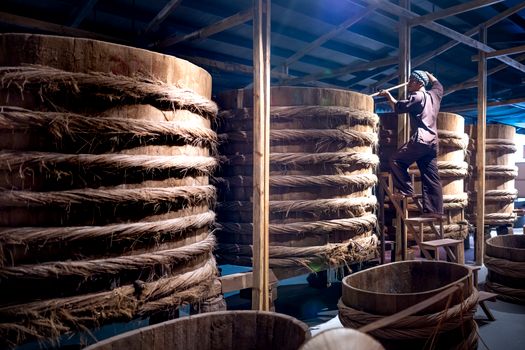
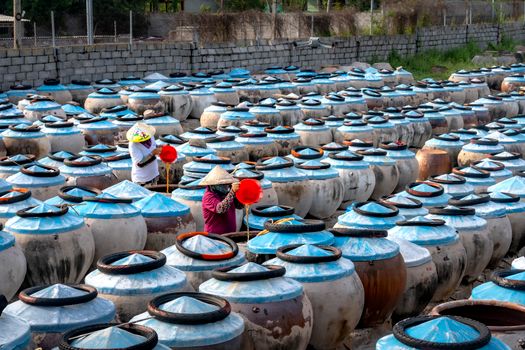
- The Craft: I participated in a workshop led by a jang master, a woman whose family had been producing these essential pastes for generations. We learned to select the finest soybeans, create the perfect meju (fermented soybean blocks), and understand the subtle nuances of brine concentration and aging for ganjang. The process is slow, patient, and deeply rewarding.
- The Flavors: Tasting the difference between a freshly made doenjang and one aged for years is an education in itself. The depth of umami, the subtle sweetness, the lingering spice – it’s a complex symphony of flavors that forms the backbone of Korean cooking.
Pro-Tip: Look for workshops that focus on traditional, slow fermentation methods. These often take place in rural villages outside the main city.
Quick Facts: Korean Jang Workshop
- Estimated Cost ($): $150 - $300 per person for a 1-day intensive.
- Best Time to Visit: Spring (March-May) for pleasant weather; Autumn (September-November) for harvest festivals.
- How to Get There: Fly into Incheon International Airport (ICN) near Seoul, then take a KTX high-speed train to Jeonju (approx. 1.5 hours).
Portugal: Sourdough's European Roots
While many associate sourdough with San Francisco, its roots are deeply embedded across Europe. Portugal, with its rich agricultural history and a growing appreciation for artisanal food, is emerging as a fantastic destination for dedicated sourdough workshops.
Traditional Portuguese Pão de Massa Mãe in Lisbon
Lisbon's vibrant culinary scene isn't just about pastéis de nata. I found a fantastic workshop tucked away in the Alfama district, focusing on pão de massa mãe – Portuguese sourdough.
- The Science & Art: Our instructor, a passionate baker named Sofia, guided us through the intricacies of maintaining a healthy starter, understanding hydration levels, and developing gluten structure. We learned about the unique characteristics of Portuguese flours and how they influence the final loaf. The aroma of warm, yeasty bread filling her small bakery was intoxicating.
- The Result: We baked loaves with a crackling crust, a chewy, open crumb, and a distinct tang that was utterly addictive. It's a testament to the power of simple ingredients transformed by time and temperature.
Pro-Tip: Many workshops offer short courses, making them perfect additions to a city break. Book well in advance, as popular bakeries fill up quickly.
Quick Facts: Portuguese Sourdough Workshop
- Estimated Cost ($): $75 - $150 per person for a half-day workshop.
- Best Time to Visit: Spring (April-June) and Autumn (September-October) for ideal weather.
- How to Get There: Fly into Lisbon Airport (LIS). Workshops are easily accessible by public transport within the city.
Mexico: Beyond the Chilies – Fermented Delights
Mexico's culinary landscape is vast and ancient, and while we often focus on chilies and corn, the country has a rich, albeit less globally recognized, tradition of fermentation.
Tejate and Pulque: Ancient Fermented Beverages in Oaxaca
Oaxaca, a UNESCO City of Gastronomy, is the perfect place to explore indigenous fermented beverages. Tejate, a pre-Hispanic maize and cacao drink, and pulque, a fermented agave sap beverage, offer a unique glimpse into ancient traditions.
- The Immersion: I joined a small group led by a local community elder who shared the traditional methods of preparing tejate, a process involving grinding maize and cacao by hand and then aerating the mixture to create a distinctive foam. For pulque, we learned about the careful harvesting of agave sap and the natural fermentation process that transforms it into a milky, slightly effervescent drink.
- The Experience: Tasting these drinks in their ancestral homeland, prepared with reverence and deep knowledge, is a powerful sensory experience. Tejate is refreshing and subtly sweet, while pulque has a unique, earthy flavor profile that’s an acquired taste but deeply rewarding.
Pro-Tip: Seek out community-based tourism initiatives for authentic experiences. These often involve home visits and direct interaction with local families.
Quick Facts: Oaxacan Fermented Beverages Workshop
- Estimated Cost ($): $50 - $100 per person for a half-day cultural immersion.
- Best Time to Visit: Dry season (November-April) offers the most pleasant weather.
- How to Get There: Fly into Oaxaca Xoxocotlán International Airport (OAX). Workshops are typically held in or near the city.
The Future of Culinary Travel: Hands-On and Heartfelt
These emerging destinations and their unique fermentation workshops represent the future of culinary travel. It's about moving beyond passive consumption and engaging directly with the food, the culture, and the people who sustain these ancient traditions. It's about understanding the science, the history, and the sheer joy of creation.
So, this year, when you're planning your next escape, consider a destination that might surprise you. Embrace the opportunity to get your hands dirty, to taste the authentic flavors of a culture, and to bring home not just souvenirs, but skills and memories that will last a lifetime. The world of fermentation is vast, and these surprising countries are just beginning to reveal their delicious secrets. Are you ready to dive in?
More pictures


Tags
Share this guide
We may earn a commission if you click a link and buy a product or service, at no extra cost to you. How affiliate links work.
Been there?