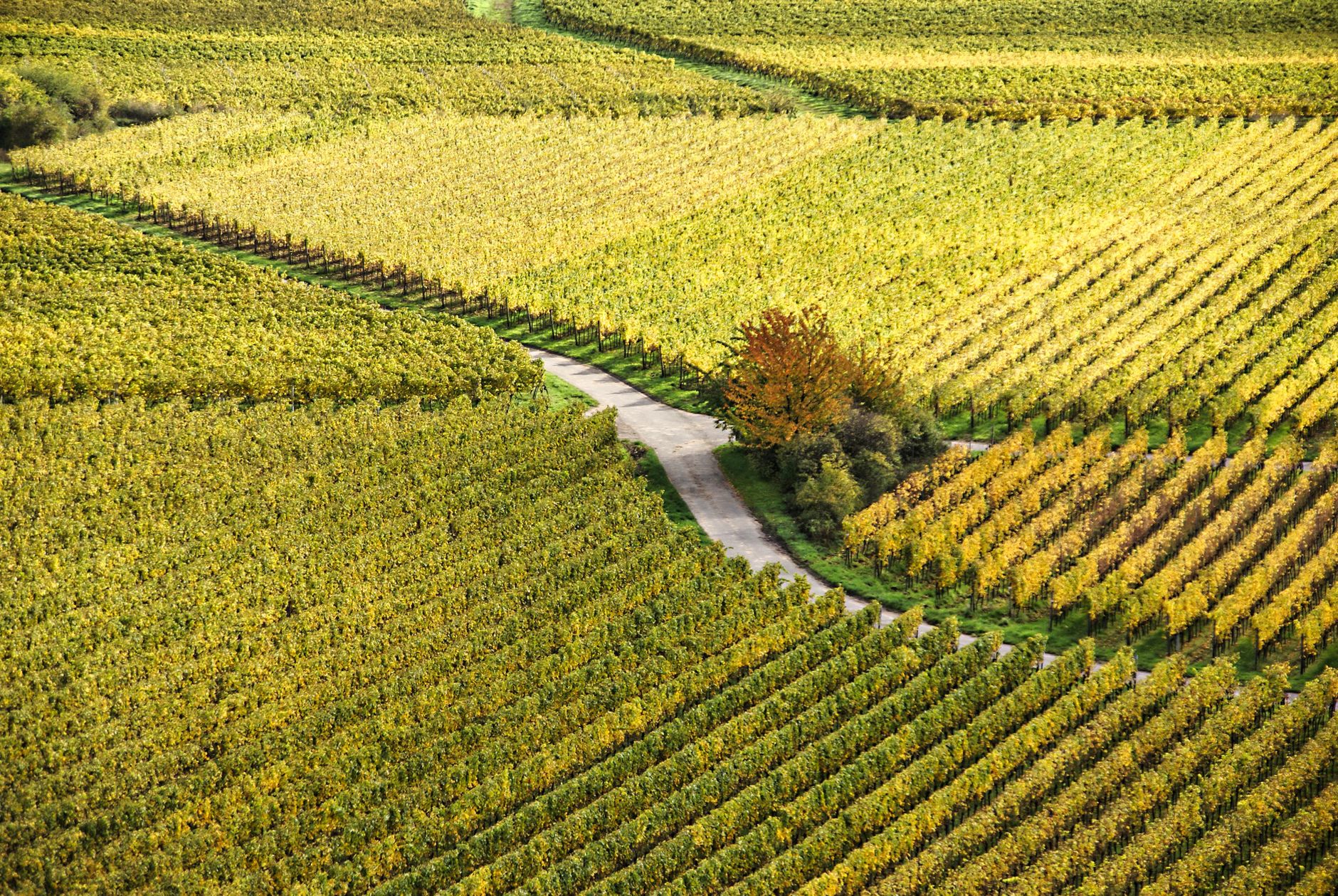
Forget Michelin stars, taste the earth! This year, unlock hidden farm stays where *you* harvest your meals. Imagine plucking sun-ripened tomatoes for your salad, digging up potatoes for dinner, and savoring the freshest flavors imaginable. Your culinary adventure awaits!
The Scent of Earth and the Promise of Flavor: My First Harvest Stay
I stepped off the tiny propeller plane onto a sun-baked airstrip, the air thick with the scent of wild thyme and something else… something deeply earthy, like freshly turned soil after a spring rain. A weathered pickup truck, its paint faded to a gentle ochre, idled nearby, driven by a woman whose hands, I later learned, could coax life from the most stubborn seed. This wasn't just a vacation; it was a homecoming to the land, a prelude to a culinary journey where the pantry was the garden, and the chef was me. This year, the concept of the farm stay is evolving, moving beyond observation to participation. These aren't just places to sleep; they are immersive experiences where you don't just eat what the farm produces – you harvest it yourself, connecting with your food in a profoundly primal and utterly delicious way.
Beyond the Tourist Trail: Emerging Harvest Destinations
The days of simply admiring rolling hills are over. Today's discerning traveler craves authenticity, a tangible connection to their surroundings. And what's more tangible than the food that nourishes us? This year, a wave of innovative farm stays are opening their gates, offering not just accommodation but a chance to roll up your sleeves and become part of the agricultural cycle. These are places where the rhythm of the seasons dictates your plate, and the satisfaction of a meal is amplified tenfold because you were instrumental in its creation.
The Tuscan Sun & The Saffron Secret
My first true harvest experience brought me to a sun-drenched villa in Tuscany, not just for the pasta-making classes (though they were sublime), but for the saffron harvest. Waking before dawn, I joined Isabella, the matriarch of the estate, in a field dotted with delicate purple crocuses. The air was cool and crisp, carrying the faint perfume of the blossoms. Carefully, with tweezers and a practiced hand, we plucked the tiny red stigmas from each flower. It was meticulous work, requiring patience and a gentle touch. Later that evening, the vibrant threads we’d painstakingly collected infused our risotto with an unparalleled golden hue and a subtle, honeyed aroma. The taste was unlike anything I’d ever experienced – a testament to the power of hands-on harvesting.
Pro-Tip: Saffron harvesting is incredibly labor-intensive. Arrive during the bloom season (typically October/November in Tuscany) and be prepared for early mornings. The reward is immense!
The Andalusian Orchard: Citrus Zest and Olive Gold
Further south, in the heart of Andalusia, Spain, I discovered an agriturismo nestled amongst groves of ancient olive trees and fragrant citrus orchards. Here, the harvest was dictated by the season's bounty. During my spring visit, the air hummed with the buzz of bees and the sweet scent of orange blossoms. My 'chore' for the day was to join Javier, the farm’s owner, in picking ripe oranges. We filled wicker baskets, the sun warming our backs, the juicy fruits bursting with flavor as we sampled them straight from the tree. In the autumn, the focus shifted to olives. Learning the art of the 'machete' – a gentle comb used to loosen olives from branches – and then the subsequent pressing of the oil, was a revelation. The resulting liquid gold was peppery, fresh, and tasted of pure sunshine.
Pro-Tip: Many Andalusian farms offer olive oil tasting workshops. Don't miss the chance to learn about different varietals and their unique flavor profiles.
The Loire Valley's Edible Escape: From Vineyard to Table
France, of course, is synonymous with culinary excellence. But in the Loire Valley, I found a farm stay that redefined "farm-to-table" by placing the harvesting directly in my hands. This particular domaine wasn't just about grapes; it boasted a sprawling organic vegetable garden and a small herd of goats. My mornings were spent with Antoine, the resident gardener, learning to identify the ripest heirloom tomatoes, the most tender zucchini, and the crispest lettuces. We’d then head to the goat pen, where I’d assist in milking, the warm, frothy milk a stark contrast to the cool morning air. The evening meal was a collaborative masterpiece: a vibrant salad showcasing the day’s pickings, and a creamy goat cheese tart made with the milk I’d helped collect.
Pro-Tip: Look for farm stays that offer foraging walks. Learning to identify edible wild herbs and mushrooms adds another layer of excitement to your culinary adventures.
The Alpine Meadow's Bounty: Foraging for Forest Flavors
Venturing into the Swiss Alps, I discovered a different kind of harvest: foraging. This wasn't about cultivated crops, but about the wild treasures of the mountains. Under the expert guidance of a local forager, I learned to distinguish edible berries from their poisonous look-alikes, identify medicinal herbs, and even unearth fragrant wild mushrooms. The thrill of discovery, of finding nature’s hidden larder, was exhilarating. The fruits of our labor – plump wild blueberries, fragrant wild strawberries, and earthy chanterelles – were then transformed into a rustic, unforgettable meal back at the farm, cooked over an open fire.
Pro-Tip: Always go foraging with a knowledgeable local guide. Safety is paramount, and their expertise will unlock a world of hidden flavors you’d otherwise miss.
The Pacific Northwest's Coastal Harvest: Seaweed and Sustainable Seafood
On the rugged coast of the Pacific Northwest, the harvest takes on a distinctly maritime flavor. I joined a small, eco-conscious farm that specializes in sustainable aquaculture and foraging. My days were spent learning about the incredible diversity of edible seaweed, from the crisp, salty nori to the tender, nutrient-rich dulse. We’d venture out at low tide, carefully harvesting what we needed, always with a deep respect for the marine environment. We also participated in a small-scale oyster harvest, learning the delicate art of shucking. The evening’s meal was a celebration of the ocean’s bounty: a delicate seaweed salad, grilled oysters with a hint of lemon, and a pan-seared local fish.
Pro-Tip: Research the tides before you visit a coastal farm stay. Low tide is your window for seaweed foraging and exploring tide pools.
The "Quick Facts" of Your Harvest Adventure
| Feature | Estimated Cost ($) | Best Time to Visit | How to Get There | | :------------------ | :----------------- | :-------------------------------------- | :------------------------------------------------------------------------------------- | | Tuscan Saffron | $$$ | October - November (Saffron bloom) | Fly into Florence (FLR) or Pisa (PSA), then rent a car or arrange private transfer. | | Andalusian Orchard| $$ | Spring (Citrus), Autumn (Olives) | Fly into Malaga (AGP) or Seville (SVQ), then rent a car. | | Loire Valley Farm | $$ | Late Spring - Early Autumn (Vegetables) | Fly into Paris (CDG), then take a TGV train to a local station, followed by a taxi. | | Alpine Meadow | $$$$ | Summer (Berries, Mushrooms) | Fly into Zurich (ZRH) or Geneva (GVA), then train to a mountain village. | | Pacific Northwest| $$ | Year-round, but best for foraging: Spring - Autumn | Fly into Seattle-Tacoma (SEA) or Portland (PDX), then rent a car. |
Note: Costs are approximate and can vary based on the specific farm, duration of stay, and inclusions.
The Art of Eating What You Sow
There's a profound satisfaction that comes from eating food you've had a hand in cultivating. It’s more than just sustenance; it’s a connection to the earth, a respect for the labor involved, and a deeper appreciation for the flavors. The taste of a sun-ripened tomato, plucked directly from the vine, is exponentially sweeter than anything from a supermarket. The earthy depth of a potato, dug from the soil moments before being roasted, is a revelation. These emerging farm stays are not just offering a holiday; they're offering a reset, a chance to slow down, to engage with nature, and to rediscover the simple joy of honest, delicious food.
Insider Language & Local Flavors
When I talk about the "aroma of the soil," I'm not just being poetic. It's the specific scent of terroir, the unique combination of minerals, moisture, and organic matter that gives each region its distinct character. When describing the olive oil, I’m not just saying "it was good." I’m talking about its "peppery bite," its "grassy notes," its "lingering finish." These are the nuances that elevate a meal from ordinary to extraordinary. And the local spice blends? In Andalusia, it might be a hint of smoked paprika and cumin; in the Alps, it could be wild savory and thyme. These are the subtle whispers of place that make each meal a story.
Planning Your Immersive Harvest Escape
The beauty of these emerging farm stays is their commitment to authenticity. They are often small, family-run operations, dedicated to sustainable practices and sharing their passion with visitors. Booking in advance is highly recommended, as these unique experiences tend to fill up quickly. Look for keywords like "agriturismo," "farm-to-table experience," "culinary retreat," or "harvest holiday" when searching for your next adventure. Don't be afraid to reach out to the farm directly to inquire about specific harvest activities and what to expect during your stay.
Packing for Your Hands-On Holiday
Beyond your usual travel essentials, consider packing:
- Sturdy, comfortable shoes: You'll be on your feet, often on uneven terrain.
- Work gloves: For tougher harvesting tasks.
- A wide-brimmed hat and sunscreen: Protection from the sun.
- Insect repellent: Especially for evening activities.
- A reusable water bottle: Stay hydrated while you work.
- An open mind and an empty stomach: The most important items!
The Lasting Taste of Connection
Leaving a farm stay where you've harvested your own meals is like saying goodbye to a dear friend. You leave with more than just memories; you leave with a deeper understanding of where your food comes from, a renewed respect for the land, and a palate forever changed by the pure, unadulterated flavors of nature. This year, step out of your comfort zone and into the heart of the harvest. Your taste buds will thank you.
More pictures
Tags
Share this guide
We may earn a commission if you click a link and buy a product or service, at no extra cost to you. How affiliate links work.
Been there?