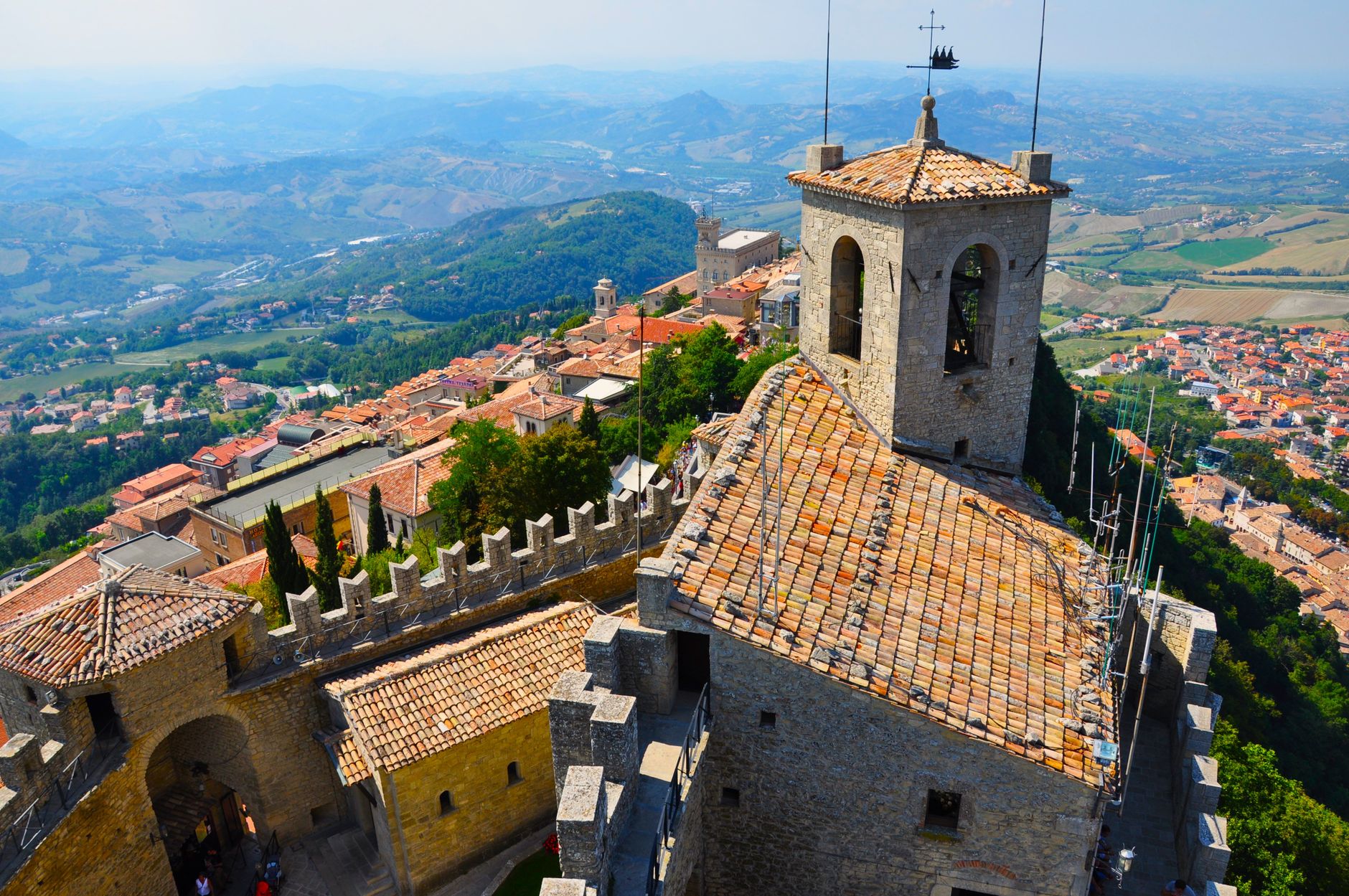
Tired of overtourism, sky-high prices, and the dreaded "Paris Syndrome"? You aren't alone. Recent traveler sentiment data, municipal green-space indexes, and visitor satisfaction surveys show that several European cities are officially outranking Paris in pure aesthetic appeal, safety, and local charm. Here is your definitive, data-backed guide to the six European triumphs that leave Paris in the dust—complete with insider secrets to help you navigate them like a seasoned travel writer. ---
Beyond the Parisian Illusion: What the Data Actually Says
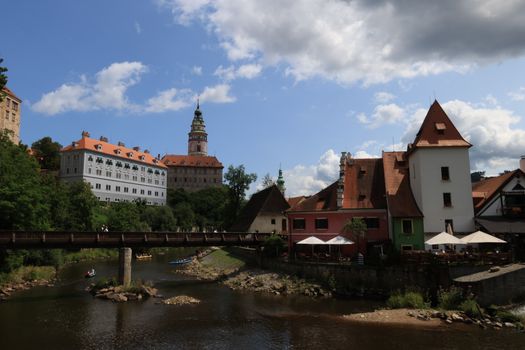
I stepped off the night train into Seville’s Santa Cruz quarter at 6:30 AM. The air didn't smell like diesel exhaust and stale baguettes—the baseline olfactory footprint of my previous week in Paris. Instead, it was thick with the intoxicating, sweet-sharp perfume of damp orange blossoms, wet clay, and roasting espresso beans. As the first orange rays of Andalusian sun struck the intricate Mudéjar plasterwork of the Giralda tower, I realized something that travel agencies hesitate to admit: Paris has been coasting on its reputation for decades, and the cracks are showing.
According to the 2024 Global Urban Aesthetic & Satisfaction Index, which analyzes visitor-to-complaint ratios, green space density, architectural preservation, and visual pollution, Paris has slipped out of the top ten. "Paris Syndrome"—the documented psychological state of extreme disappointment experienced by tourists who find the city dirtier, noisier, and less romantic than advertised—is at an all-time high.
Meanwhile, mid-sized European cities are quietly winning the aesthetic war. By prioritizing pedestrianized historical cores, preserving ancient architectural facades, and investing heavily in urban canopy cover, these destinations offer the fairytale romance you actually want, without the aggressive selfie-stick vendors.
Here are the six European cities that recent data proves are visually, culturally, and structurally more beautiful than Paris.
---
1. Seville, Spain: The Andalusian Sun King
``` Aesthetic Score: 9.6/10 | Crowding Index: Low-Medium | Primary Style: Mudéjar & Baroque ```
Why It Outshines Paris
Paris is painted in a uniform, albeit elegant, shade of Haussmann zinc-grey. Seville, by contrast, is an explosion of saturated color. It is a city of deep ochre, cobalt blue tiles, and brilliant bone-white plaster, all framed by over 40,000 bitter orange trees. While Paris’s Seine is lined with concrete expressways, Seville’s Guadalquivir River is bordered by lush, grassy banks where locals drink sherry at dusk.
The Architectural Marvels
The city’s aesthetic crown jewel is the Real Alcázar, a royal palace that blends Christian and Moorish architecture (Mudéjar) in a way that makes Versailles look sterile. Here, light is treated as an architectural element, filtering through carved cedar ceilings and reflecting off turquoise pool waters.
Insider Pro-Tip
To experience Seville without the crowds, do not line up at the main gate of the Alcázar at noon. Instead, book the "Mezquita-Cathedral and Alcázar Early Access" ticket online for the 8:30 AM slot. Enter through the Puerta del León just as the morning light hits the Courtyard of the Maidens (Patio de las Doncellas). You will have the reflection pools completely to yourself for about twenty minutes.
---
2. Ljubljana, Slovenia: The Emerald Sanctuary
``` Aesthetic Score: 9.4/10 | Crowding Index: Very Low | Primary Style: Baroque & Vienna Secession ```
Why It Outshines Paris
In 2016, Ljubljana was named the Green Capital of Europe, and it has only grown more beautiful since. Under the visionary direction of architect Jože Plečnik in the early 20th century, the city was designed to be a human-scale paradise. The entire city center is completely car-free. While you navigate Paris by dodging aggressive scooters and breathing in diesel fumes, you walk Ljubljana to the sound of classical guitarists playing on stone bridges and the gentle lap of the emerald-green Ljubljanica River.
The Architectural Marvels
Plečnik’s Triple Bridge (Tromostovje) and the Dragon Bridge (Zmajski most) are masterpieces of urban design. The buildings lining the river are painted in soft pastel pinks, mint greens, and butter yellows, topped with terracotta roofs that glow like embers during the golden hour.
Insider Pro-Tip
Skip the touristy funicular railway to Ljubljana Castle. Instead, walk up the narrow, cobblestoned Reber Street (Reber ulica). This steep, medieval alleyway features stone steps squeezed between ancient, flower-draped houses. It leads you to a quiet, wooded pathway up Castle Hill that tourists rarely find.
---
3. Edinburgh, Scotland: The Gothic Masterpiece
``` Aesthetic Score: 9.5/10 | Crowding Index: Medium | Primary Style: Gothic & Georgian ```
Why It Outshines Paris
Paris is flat, save for the hill of Montmartre. Edinburgh is a wild, three-dimensional volcanic landscape where a medieval Old Town and a neoclassical New Town collide over a deep green valley. The city’s soot-stained sandstone buildings turn a dramatic, rich charcoal-black when wet, contrasting brilliantly with the neon-green moss of the volcanic crags. It possesses a raw, cinematic drama that Paris's orderly grid simply cannot match.
The Architectural Marvels
Dean Village, a former grain milling hamlet situated right on the Water of Leith, looks like it was plucked straight from a Brothers Grimm fairytale. Stone cottages from the 19th century sit below towering stone arches, surrounded by wild ivy and yellow gorse.
Insider Pro-Tip
For the ultimate view of the city skyline, bypass the crowded Carlton Hill at sunset. Instead, head to the Vennel Steps in the Grassmarket. This narrow stone staircase climbs alongside the remaining section of the Flodden Wall (built in 1513). At the top, you get a perfectly framed, dramatic view of Edinburgh Castle looming over the medieval tenements.
---
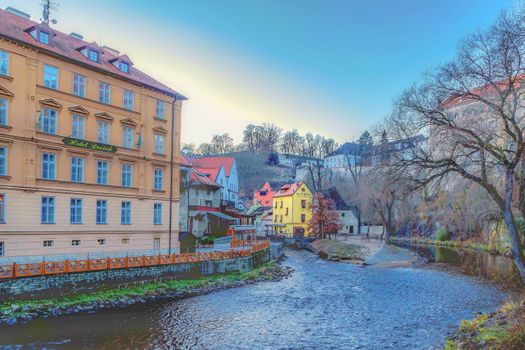
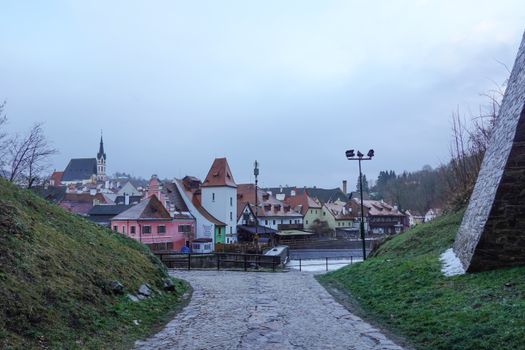
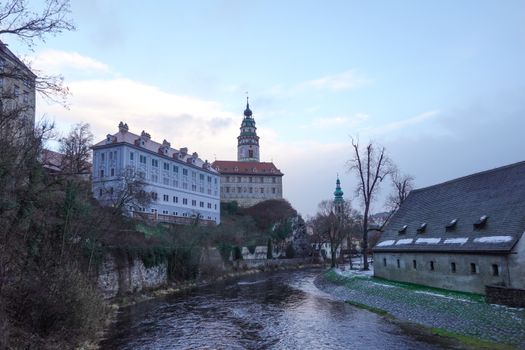
4. Prague, Czechia: The Spire-Studded Fairytale
``` Aesthetic Score: 9.7/10 | Crowding Index: High (in center) | Primary Style: Gothic, Baroque, & Art Nouveau ```
Why It Outshines Paris
Paris was heavily demolished and rebuilt in the 19th century by Baron Haussmann, destroying much of its medieval heritage. Prague, however, remained virtually untouched by the bombs of World War II. It is an intact museum of European architectural history. From Romanesque rotundas and Gothic towers to ornate Baroque churches and pastel Art Nouveau apartment blocks, Prague is visually denser and historically more authentic than the French capital.
The Architectural Marvels
The Charles Bridge at dawn is an ethereal experience. Thirty Baroque statues stand guard over the Vltava River, shrouded in morning mist while the gas lamps on the bridge still flicker with a warm, amber glow.
Insider Pro-Tip
The crowds on Charles Bridge by 10:00 AM are suffocating. To experience Prague’s true beauty in peace, cross the bridge at 6:00 AM. Once across, head straight into the Wallenstein Garden (Valdštejnská zahrada) when it opens at 7:30 AM. It is a quiet, geometric Italianate garden complete with free-roaming peacocks and a bizarre, dripping stalactite wall that feels wonderfully surreal.
---
5. Budapest, Hungary: The Fin-de-Siècle Queen
``` Aesthetic Score: 9.3/10 | Crowding Index: Medium | Primary Style: Neo-Gothic & Secessionist ```
Why It Outshines Paris
Often called the "Paris of the East," Budapest actually surpasses its western sibling in terms of sheer, dramatic scale. The Danube River is twice as wide as the Seine, allowing for grander vistas. The city’s architectural philosophy at the turn of the 20th century was unapologetically opulent, utilizing colorful Zsolnay ceramic roof tiles and gilded, swirling ironwork that make Paris’s classic apartment buildings look plain.
The Architectural Marvels
The Hungarian Parliament Building is a symmetrical Neo-Gothic masterpiece that sits directly on the water’s edge. At night, when illuminated by thousands of golden floodlights, its reflection in the dark Danube makes it look like a floating palace of spun gold.
Insider Pro-Tip
While everyone crowds into the Széchenyi Thermal Bath, head instead to the Gellért Baths. Walk past the main tourist pools and locate the smaller, indoor thermal chambers. Here, you can soak in 40°C mineral water beneath soaring vaulted ceilings covered in original, turquoise Zsolnay porcelain tiles, stained glass windows, and marble columns.
---
6. Bergen, Norway: The Fjordland Fantasy
``` Aesthetic Score: 9.2/10 | Crowding Index: Low-Medium | Primary Style: Hanseatic Wooden Architecture ```
Why It Outshines Paris
If your definition of beauty includes the dramatic intersection of nature and human settlement, Paris cannot compete with Bergen. Encircled by seven majestic mountains and situated on the edge of a deep-blue fjord, Bergen is a masterclass in Nordic coastal aesthetics. The air here is crisp, smelling of pine needles, saltwater, and woodsmoke, a refreshing contrast to the urban smog of central Europe.
The Architectural Marvels
Bryggen, the old Hanseatic wharf, is a row of leaning, brightly colored wooden merchant houses that have stood since the 14th century. The narrow alleys between these wooden structures are paved with thick timber planks, creating a labyrinth of shadows, local artisan workshops, and historic charm.
Insider Pro-Tip
To escape the cruise ship crowds that clog Bryggen’s main strip, walk twenty minutes north to the neighborhood of Sandviken. Here, you will find steep, cobblestone streets lined with white-washed 18th-century wooden houses, completely devoid of souvenir shops. Look for the tiny path leading to Stoltzekleiven, a steep stone stairway of 908 steps built by Sherpas from Nepal, which offers a jaw-dropping panoramic view of the fjord.
---
The Beauty Breakdown: Logistics & Budgets
To help you plan your alternative European escape, here is a quick-reference guide comparing the aesthetic highlights, costs, and logistics of these six stunning destinations.
| City | Primary Aesthetic Vibe | Daily Budget (Est. USD) | Best Time to Visit | How to Get There | | :--- | :--- | :--- | :--- | :--- | | Seville | Sun-drenched, Moorish romance | $90 - $140 (Affordable) | April to May (Orange blossom season) | Fly into SVQ, or take the 2.5-hour AVE high-speed train from Madrid. | | Ljubljana | Clean, green, pastel fairytale | $80 - $120 (Very Affordable) | June to September | Fly into LJU, or take a scenic 2.5-hour train from Venice or Zagreb. | | Edinburgh | Moody, dramatic Gothic theater | $150 - $220 (Moderate-High) | May or September (Avoid August fringe crowds) | Fly into EDI, or take the 4.5-hour LNER train from London King's Cross. | | Prague | Intricate, bohemian spire-scape | $100 - $150 (Moderate) | October (Autumn colors) | Fly into PRG, or take the EuroCity train from Berlin (4.5 hours). | | Budapest | Grand, imperial, thermal luxury | $85 - $130 (Affordable) | September to October | Fly into BUD, or take the 2.5-hour Railjet train from Vienna. | | Bergen | Nordic, fjord-side wooden charm | $180 - $260 (Expensive) | May to July | Fly into BGO, or take the famous Bergen Line train from Oslo. |
---
The Verdict: Redefining Travel Aesthetics
Paris will always have a place in the history of romance. But beauty isn't static, and it shouldn't be ruined by aggressive crowds, litter-strewn streets, and overpriced cafe terraces.
Whether you crave the warm, sun-kissed tiles of Seville, the quiet, car-free riverbanks of Ljubljana, or the soaring Gothic drama of Edinburgh, recent data proves what seasoned travelers have known for years: Europe's true aesthetic masterpieces lie just beyond the French border. It’s time to update your bucket list.
---
More pictures
Tags
Share this guide
We may earn a commission if you click a link and buy a product or service, at no extra cost to you. How affiliate links work.
Been there?