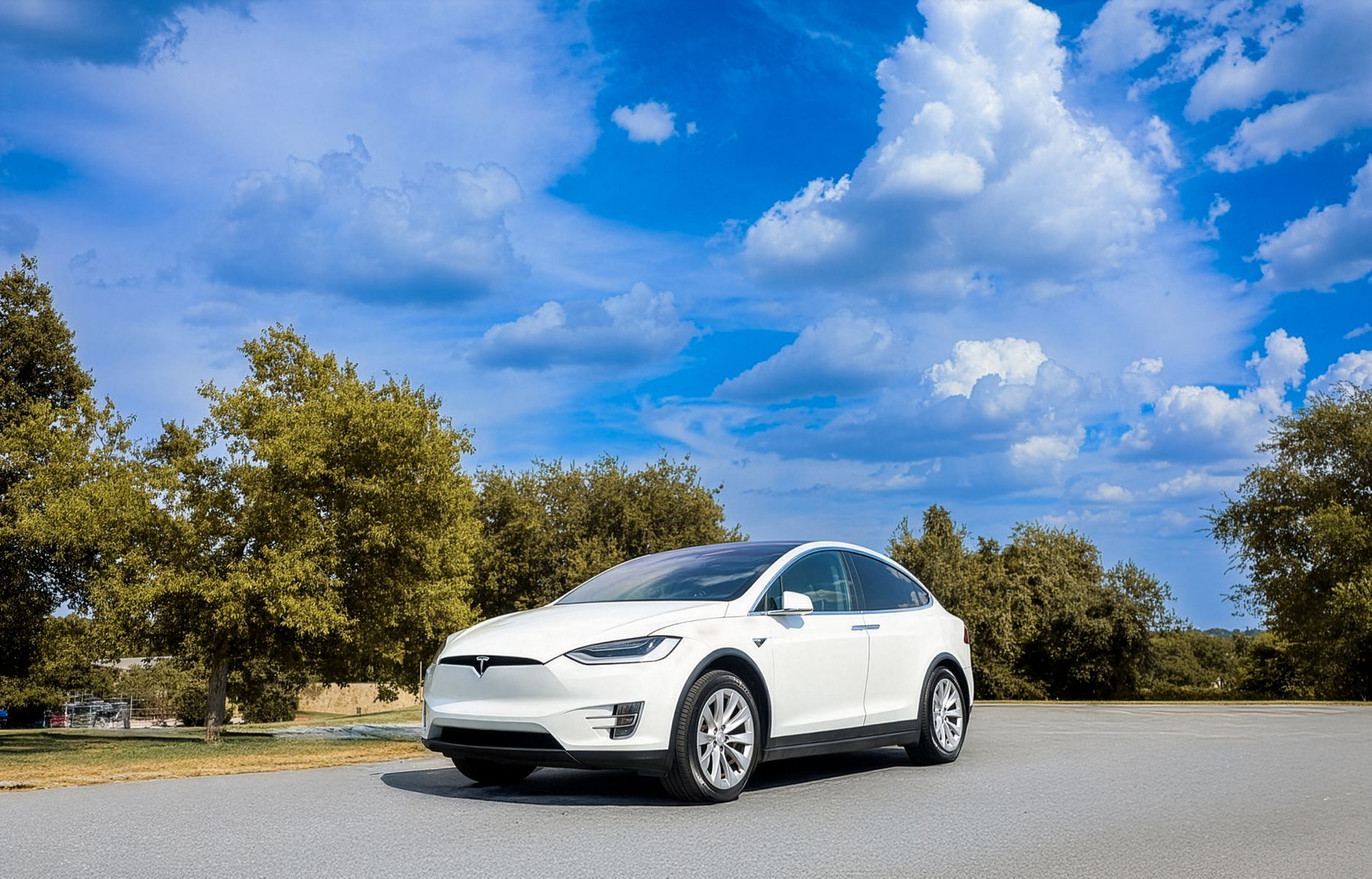
Electric vehicle road trips are increasingly practical, but they depend on range, charger availability and careful planning. This guide explains how to map charging stops, allow for real-world range and prepare for delays.
Electric vehicle road trips have moved from a niche idea to a practical option in many regions, supported by growing charging networks and improving vehicle ranges. They still differ from trips in a conventional car. Charging takes longer than refuelling, charger availability varies by location and real-world range depends heavily on speed, temperature and terrain. Experienced EV drivers often say the planning matters as much as the vehicle. This guide explains how to prepare a route, choose charging stops, understand the factors that affect range and build in a margin for the unexpected.
Understanding real-world range
The range figure quoted for an electric vehicle is typically measured under standard test conditions, which may not match your journey. Highway speed, cold weather, heating or air conditioning, steep gradients and a heavily loaded vehicle can all reduce range. Cold temperatures in particular can affect battery performance, and some vehicles display an estimate that updates as you drive. Plan on a conservative figure for each leg, rather than the number shown at the start of the trip. Many drivers also avoid running the battery close to empty, both for safety and because charging speed can slow at very low or very high states of charge.
Choosing charging stops
Route planning tools and vehicle navigation systems can suggest charging stops, and many show chargers by power output and connector type. Check that the connector on your vehicle matches the charger, and look at whether a site has several charging points or only one. Charging power varies widely, so a stop with fast chargers may let you recover range in a shorter time than a slower site. Choose stops near good food, toilets and rest areas, because you will usually spend a while there. Avoid planning to arrive at a charger with a very low battery, since a busy site or a broken unit can leave you stranded.
Charger types and etiquette
Public chargers include slower AC units, often at destinations such as hotels, and faster DC units along major routes. Access methods differ between networks, and some require an app, a membership or a payment card. Before leaving, set up accounts for the main networks you expect to use, and check whether your vehicle supports the charging standard at each site. Charging etiquette matters too. Move your vehicle when charging is complete, avoid occupying a bay without charging, and follow any posted rules about parking time limits.
Weather, terrain and driving style
Mountain routes can use more energy on climbs, although regenerative braking may recover some energy on descents. Strong headwinds can reduce efficiency, and high speeds consume more energy than moderate ones. Driving style affects range noticeably, so smooth acceleration and steady speeds often help. Cold weather may also slow charging, and pre-conditioning the battery while plugged in can help where the vehicle supports it. Check the forecast along your route, and allow extra charging time when conditions are poor.
Building in a margin
A useful principle is to plan charging stops with a comfortable buffer. Consider the worst plausible conditions for each leg, including traffic, detours and slower charging than expected. Some drivers plan for at least one backup charger along each long stage in case the first is out of service. Check whether a route passes through sparsely served areas, where distances between chargers may be considerably longer. Keep a note of phone numbers for roadside assistance and the charging network's support line.
Accommodation and overnight charging
Overnight charging at a hotel, campsite or home is one of the easiest ways to start each day with a full battery. Ask in advance whether a property has charging, what type of connector it uses and whether there is a fee. Some places have limited power points that may not be suitable for fast charging, and others may charge by the hour. Confirm arrangements before you arrive, especially in quieter seasons when staff may be fewer.
Practical tips
Plan each leg with a conservative range estimate and a buffer. Check connector compatibility and set up charging accounts before departure. Choose charging stops with facilities. Allow extra time for charging, particularly in cold weather. Carry a basic charging cable for emergencies where your vehicle allows, and know the location of backup chargers. Keep your vehicle's software and documentation up to date.
Common mistakes to avoid
A common mistake is relying on one charging app without checking whether a site is actually in service. Travelers may also set off with a plan that has no alternative if a charger is occupied or broken. Another error is assuming that a hotel charger will charge quickly, when many provide only slow power. Some drivers wait until the battery is very low before looking for a stop, which reduces their choice of sites. Finally, not practicing with the vehicle's charging menus before departure can cause confusion at a busy site, where others may be waiting.
Who this suits and who it doesn't
EV road trips suit drivers who enjoy planned routes, are comfortable with a slower pace and have access to home charging or predictable overnight stops. They can suit travelers who like scenic drives and are happy to adjust timing around charging breaks. They are less suitable for those who need to cover long distances at short notice, travelers without a reliable way to charge at both ends of a trip, or anyone who cannot tolerate uncertainty about availability. Drivers new to electric cars may benefit from a shorter route first, to build confidence before attempting a longer journey.
Frequently asked questions
Can I use any charger? Not always. Connector types, network apps and payment methods differ, so check compatibility before you arrive.
Is an EV trip more expensive? It depends on local electricity and charging prices, which vary widely, so compare the likely costs for your route.
What if I run out of charge? Contact roadside assistance or the charging network, and keep a backup plan such as a nearby alternative site.
Electric vehicle road trips reward careful planning and an attitude that accepts a slower, more deliberate pace. Understanding real-world range, choosing suitable charging stops and building in margins makes a journey more predictable. With those habits in place, charging becomes one more part of the route rather than a source of stress.
More pictures

Tags
Share this guide
We may earn a commission if you click a link and buy a product or service, at no extra cost to you. How affiliate links work.
Been there?