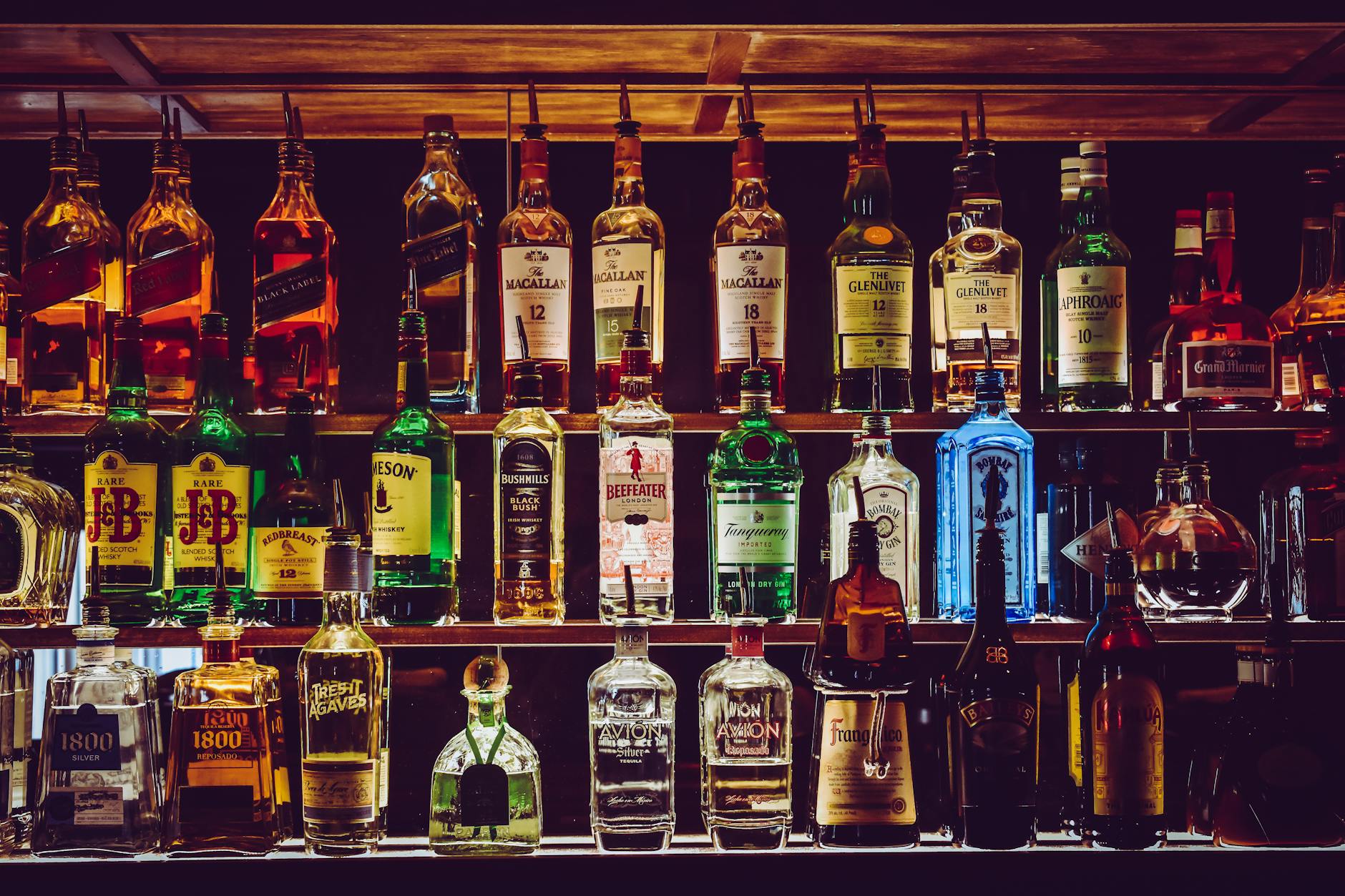
Prepare to have your perceptions shattered and your taste buds tantalized! Join me on an epic journey to uncover some of the world's most fascinating drinks that, for various reasons, are banned or heavily restricted back home. Get ready for a global sip list that promises adventure in every glass. ---
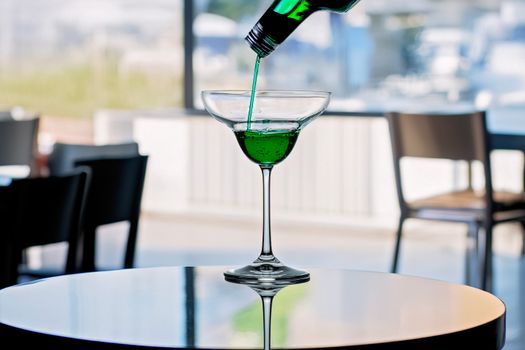
"Are you sure this is legal?" I whispered, my eyes wide as the bartender in a dimly lit Parisian speakeasy carefully dripped water over a sugar cube perched on a slotted spoon, dissolving it into a cloudy, emerald liquid. The aroma was intoxicating – a complex blend of anise, fennel, and something mysteriously herbal. This wasn't just any drink; this was Absinthe, the legendary "Green Fairy," a beverage I'd only ever heard whispers about, a forbidden elixir from a bygone era back in my home country, the United States.
That first sip was a revelation, not just of taste, but of culture, history, and the sheer arbitrary nature of bans and regulations. It sparked a quest in me, a burning desire to seek out other "forbidden sips" around the globe – drinks that are either outright banned or heavily restricted in the US, but are celebrated traditions elsewhere. And let me tell you, what I found will absolutely blow your mind!
So, buckle up, fellow adventurers! Grab your virtual passport and prepare your palate, because we're about to embark on a liquid journey to discover drinks that defy borders, challenge perceptions, and offer a taste of the truly extraordinary.
The Green Fairy's Allure: Absinthe – Prague & Paris
For over a century, Absinthe was demonized, banned across much of Europe and completely outlawed in the United States. It was blamed for madness, hallucinations, and social decay, earning it the ominous nickname "the Green Fairy." The truth, however, is far less sinister and infinitely more enchanting. While it does contain thujone (a compound found in wormwood), the levels in modern, legal absinthe are too low to cause hallucinations. The "madness" was largely a moral panic, fueled by temperance movements.
My first encounter with the Green Fairy was in Prague, at a quaint bar specializing in the spirit. The ritual itself is captivating: a sugar cube placed on a specially designed slotted spoon, cold water slowly dripped over it, turning the clear green liquid into a milky, opalescent swirl (the "louche"). The aroma is intense, a potent anise and herbal bouquet. The taste? Complex, refreshing, with a distinct licorice-like flavor and a subtle bitterness. It doesn't make you hallucinate, but it does deliver a uniquely clear-headed, almost introspective buzz that's unlike any other spirit. It's an experience, not just a drink.
Later, in Paris, I sought out more traditional absinthe bars, learning about the nuances between different brands and their historical significance. It’s a drink steeped in art and literature, once favored by artists like Van Gogh and Hemingway.
Where to Find It:
- Prague, Czech Republic: Hemingway Bar (often has a great selection and knowledgeable staff), Absintherie.
- Paris, France: La Fée Verte, Lulu White Drinking Club.
- New Orleans, USA: While now legal in the US (with regulated thujone levels), New Orleans has a rich history with absinthe and bars like The Old Absinthe House offer a fantastic, historic experience.
- Price: Expect to pay €10-25 per glass, depending on the brand and establishment.
Tripsora Tip: Always opt for a reputable brand with a proper absinthe spoon and water drip. Avoid "absinthe" that glows unnaturally or promises hallucinations – those are often cheap imitations with artificial colors and flavors. The true experience is about the delicate balance of flavors and the ritual.
Kava: The Pacific's Peaceful Elixir – Fiji
Imagine a drink that calms your nerves, relaxes your body, and fosters deep social connection, all without the intoxicating effects of alcohol. That's Kava, a traditional beverage made from the root of the Piper methysticum plant, deeply embedded in the cultures of the South Pacific. So why was it banned or heavily restricted in some Western countries, particularly in Europe, for a period? Concerns about liver toxicity, largely based on studies involving poor-quality extracts or incorrect preparation methods, led to its temporary prohibition. These bans have largely been lifted or softened as more research has clarified its safety when consumed traditionally.
My most memorable kava experience was during a homestay in a remote Fijian village. We gathered in a circle on woven mats, the village chief leading the ceremony. A large wooden bowl (tanoa) held the muddy brown liquid, prepared by kneading powdered kava root in water. The taste is... unique. Earthy, peppery, with a slight bitterness, followed by a distinct numbing sensation on the lips and tongue. It's definitely an acquired taste! But then, a profound sense of calm washes over you. Your body relaxes, your mind clears, and conversation flows easily. It's a truly social drink, fostering community and respect.
It’s completely different from alcohol. There's no "high," no impaired judgment, just a gentle relaxation that makes you feel incredibly present and connected to those around you. It's a beautiful antidote to the fast-paced, often isolating modern world.
Where to Find It:
- Fiji, Vanuatu, Samoa, Tonga: Kava is central to cultural life here. Participate in a traditional village ceremony (often offered through tour operators or homestays).
- Hawaii, USA: Kava bars are gaining popularity, and it's legally consumed here.
- Kava Bars Worldwide: In cities like New York, Los Angeles, and London, you can find dedicated kava bars.
- Price: Often included as part of a cultural experience. In kava bars, a shell might cost $3-7.
Tripsora Tip: If participating in a ceremony, observe local etiquette: clap once before receiving the shell, drink in one go, and clap three times after returning it, saying "Bula!" (Fijian for "hello/life"). Don't mix kava with alcohol, and stay hydrated.
Spirytus Rektyfikowany: The Spirit of the East – Poland
Everclear 190 proof (95% ABV) is banned or heavily restricted in many US states for good reason: it's incredibly potent and dangerous if consumed carelessly. But imagine a spirit even stronger. Enter Spirytus Rektyfikowany from Poland, a rectified spirit boasting an astonishing 96% ABV. Yes, you read that right – 96%! It's essentially pure ethanol, and while not "banned" in Poland, its extreme potency means it's treated with immense respect and caution. It's often "banned" from being imported or sold in many other countries due to its hazardous nature.
My encounter with Spirytus was in Krakow, Poland, during a particularly chilly evening. A local friend, seeing my wide-eyed curiosity, poured a tiny amount into a shot glass, warning me, "This is not for drinking straight, my friend. This is for tinctures, for liqueurs, for emergencies!" He then demonstrated by adding a mere drop to a glass of orange juice. The warmth that spread through my chest from that minuscule sip was immediate and intense. The raw, fiery taste was undeniable. It's not meant to be savored like a fine whiskey; it's a base, a powerful solvent, a concentrated essence.
It's a stark reminder of how different countries approach alcohol regulation. While some spirits in the US are limited to 151 proof (75.5% ABV), Poland freely sells this incredibly high-proof alcohol, trusting consumers to use it responsibly – typically as a base for homemade fruit liqueurs (nalewki), medical tinctures, or for starting fires (seriously!).
Where to Find It:
- Poland: Widely available in liquor stores.
- Other Eastern European Countries: Similar high-proof spirits can be found.
- Duty-Free Shops: Sometimes available at international airports.
- Price: A 500ml bottle usually costs around €20-30.
Tripsora Tip: DO NOT DRINK THIS NEAT. This is crucial for your safety. Use it sparingly as a base for homemade liqueurs, or mix it in extremely small quantities with a large volume of juice or soda. Treat it with the utmost respect, like a chemical, not a casual drink.
Chicha: Ancestral Brews of the Andes – Peru
Chicha, particularly Chicha de Jora (corn beer), is a staple in the Andes, deeply rooted in Inca traditions. While you can find commercial, pasteurized versions, the truly authentic, unfiltered, and often homemade varieties are what would typically be "banned" or heavily restricted by modern Western health and safety regulations. The traditional preparation, which sometimes involves chewing corn to start the fermentation (amylase in saliva breaks down starches), is a non-starter for most health departments!
My first taste of traditional chicha was in a small, unassuming chichería in the Sacred Valley of Peru, marked by a red flag tied to a stick outside – the universal sign. The drink itself was cloudy, a pale yellow, served in a large communal caporal (bowl). It smelled earthy, slightly sour, and fermented. The taste was an acquired one: tangy, slightly sweet, with a yeasty, almost grainy finish. It's low in alcohol, usually around 1-3%, making it more of a refreshing, nourishing beverage than an intoxicating one, though stronger versions exist.
Sitting there, sharing the communal cup with locals, many of whom had been drinking chicha their entire lives, felt like stepping back in time. It's a drink that connects you directly to the agricultural cycles and ancient customs of the Andes. It's a taste of history, a liquid link to a civilization that flourished millennia ago.
Where to Find It:
- Peru, Bolivia, Ecuador: Look for the red flag outside homes in rural areas or small towns. Markets often have stalls selling it.
- Cusco, Peru: Many traditional restaurants and smaller eateries will offer it.
- Price: Incredibly cheap, often less than 5 soles (approx. $1.50) for a large glass.
Tripsora Tip: Stick to places that look clean and have a steady flow of local customers. While the traditional preparation might sound off-putting, it's generally safe when consumed in its cultural context. It's a unique part of Andean culture that shouldn't be missed if you're feeling adventurous!
Potent Elixirs & Herbal Boosters: A Taste of the "Too Much" – Thailand & Vietnam
Remember the original Four Loko in the US? That notorious blend of high alcohol and high caffeine that led to a slew of bans and reformulations? While that specific product might be gone, the concept of potent, unregulated energy drinks or herbal concoctions that push the boundaries of what's considered "safe" still thrives in various parts of the world, especially in Southeast Asia. These aren't necessarily "banned" in their home countries, but their ingredients or potency would likely raise red flags and lead to restrictions in places like the US.
My experience with one such "elixir" was in a bustling night market in Chiang Mai, Thailand. I saw a local vendor selling small, unlabeled bottles of a dark, viscous liquid, promising "energy for a long night." My curiosity (and perhaps a touch of jet lag) got the better of me. The taste was intensely herbal, medicinal, and sweet, with a strong hint of something like ginseng or a powerful root. Within minutes, I felt a distinct, almost jittery surge of energy – not unlike an espresso shot on steroids. It wasn't unpleasant, but it was certainly potent, making me realize why such unregulated concoctions would likely never see the light of day on American shelves.
Similarly, in Vietnam, I encountered local "strength tonics" often infused with various herbs, roots, and sometimes even animal parts (which are definitely banned for import to the US!). These are consumed for perceived health benefits or to boost vitality, embodying a different cultural approach to wellness and stimulant use.
Where to Find Them:
- Southeast Asia (Thailand, Vietnam, Laos, Cambodia): Look for local markets, small convenience stores, or street vendors.
- Local Pharmacies/Herbal Shops: Sometimes these "tonics" are sold alongside traditional medicines.
- Price: Very affordable, often less than $1-3 per bottle/shot.
Tripsora Tip: Exercise extreme caution. Read labels if available, ask locals, and start with a very small amount. Be wary of anything that sounds too good to be true, or anything that contains ingredients you can't identify. Your health and safety are paramount! This is more about experiencing a type of drink that would be regulated elsewhere, rather than blindly consuming anything offered.
The Forbidden Sip Awaits!
My journey through the world of "banned" drinks has been an eye-opener. It's taught me that what's considered dangerous or illicit in one culture can be a cherished tradition or a legal staple in another. These drinks aren't just beverages; they're gateways to understanding different societies, their histories, their regulations, and their unique approaches to pleasure, ritual, and even medicine.
From the mystical ritual of absinthe in Europe to the communal calm of kava in Fiji, the fiery potency of Polish Spirytus, the ancestral roots of Peruvian chicha, and the invigorating kick of Southeast Asian elixirs, each sip has been a story, an adventure, and a challenge to my preconceived notions.
So, are you ready to expand your palate and your mind? Which of these forbidden sips are you brave enough to try on your next adventure? Remember to always drink responsibly, respect local customs, and seek out reputable sources. The world's most mind-blowing drinks are waiting for you!
Which of these "banned" drinks has piqued your curiosity the most? Share your thoughts and any forbidden sips you've discovered abroad in the comments below! And don't forget to pin this post for your next daring drink adventure!
---
More pictures


Tags
Share this guide
We may earn a commission if you click a link and buy a product or service, at no extra cost to you. How affiliate links work.
Been there?