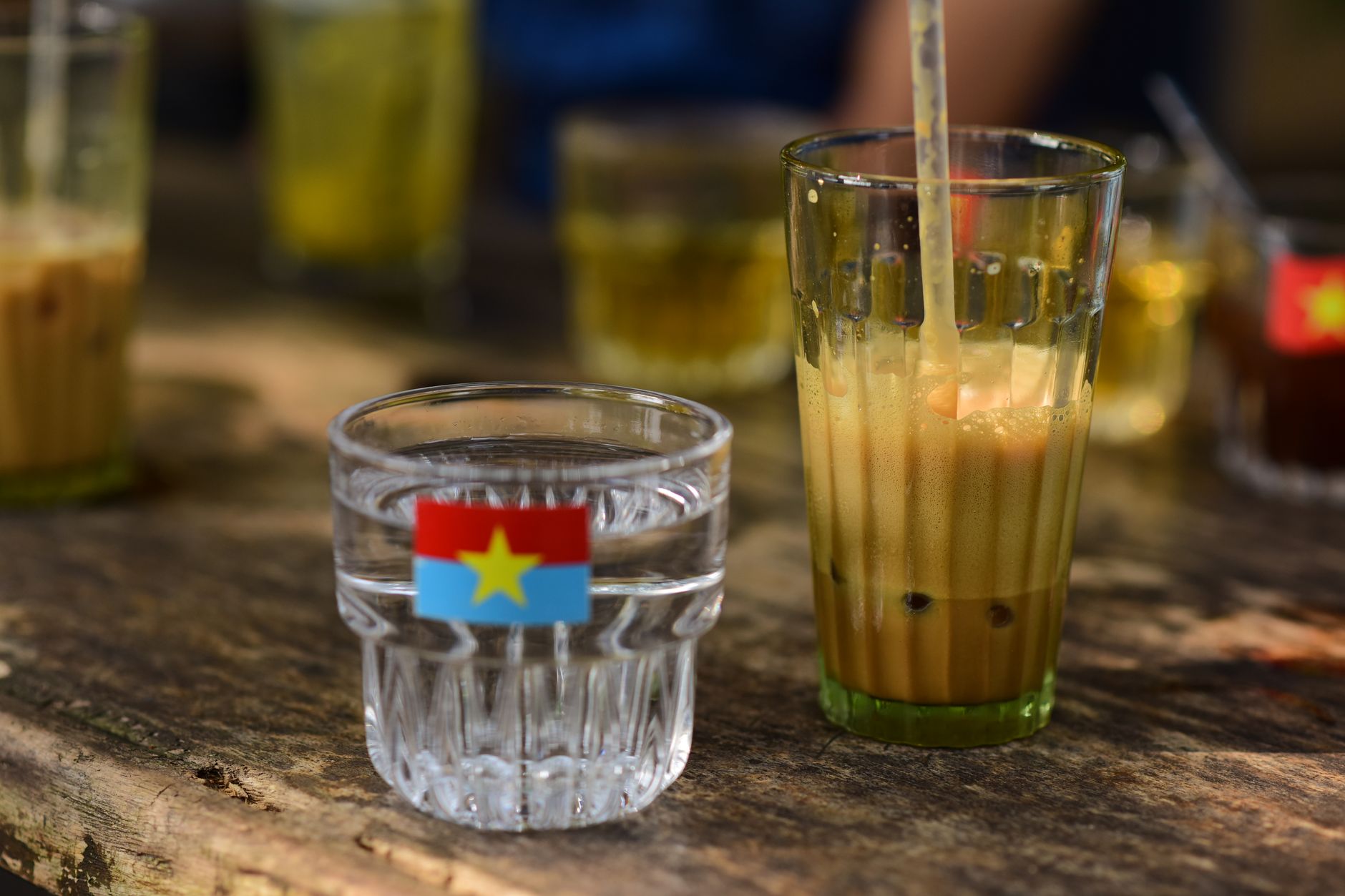
Ever wondered what secrets lie beyond your home country's liquor laws? I did, and what I discovered were not just drinks, but portals to ancient cultures, unexpected flavors, and profound personal transformations. Join me as I recount how a few forbidden sips abroad didn't just change my palate, but fundamentally shifted my perspective on life itself. ---
The Thrill of the Forbidden: How Banned Drinks Abroad Transformed My Life
Growing up in a country with its fair share of regulations and a history of moral panics around certain substances, there was always this mystique around specific drinks. Not just the truly illegal ones, but those shrouded in legend, rumored to cause hallucinations, or simply deemed too 'exotic' or unregulated for our mainstream shelves. My imagination was fueled by whispers of the 'Green Fairy' and ancient elixirs, creating a narrative of danger and intrigue. Little did I know, these 'banned' or heavily restricted beverages weren't just drinks; they were keys to unlocking profound cultural experiences, challenging my preconceptions, and ultimately, changing my life forever.
The thrill of the forbidden isn't just about rebellion; it's about pushing boundaries, seeking authenticity, and understanding the world beyond our comfort zones. On my travels with Tripsora, I've made it my mission to dive deep into local cultures, and sometimes, that means respectfully exploring the very drinks my home country deemed too wild, too potent, or simply too 'other' for its citizens. What I found was a spectrum of flavors, rituals, and stories that reshaped my understanding of history, community, and even myself. This isn't just a list of exotic booze; it's a testament to how stepping outside your comfort zone, one forbidden sip at a time, can lead to the most extraordinary discoveries.
So, buckle up, fellow travelers and curious connoisseurs! Grab a pen, because you're going to want to bookmark these destinations. Here are the drinks that were once 'banned' or heavily misunderstood in my home country, and the incredible journeys they took me on.
1. Absinthe: The Green Fairy's Mystical Resurrection in Prague
For decades, Absinthe was the stuff of legend, a forbidden elixir whispered about in hushed tones, blamed for madness, and shrouded in a veil of artistic bohemianism. In my home country, it was largely illegal or heavily restricted due to misconceptions about its thujone content causing hallucinations. My first encounter with the "Green Fairy" was in the enchanting, cobbled streets of Prague, a city that breathes history and mystery.
I remember stepping into Absintherie, a cozy, dimly lit bar near the Old Town Square, the air thick with anticipation. I was nervous, half-expecting a mind-bending trip, thanks to years of sensationalized stories. The bartender, with a knowing smile, presented a tall, ornate glass, a perforated spoon, a sugar cube, and a carafe of iced water. This wasn't just a drink; it was a ritual. As the water slowly dripped over the sugar, turning the clear green spirit into a cloudy, opalescent swirl (the "louche"), the intense anise aroma filled the air, mingled with hints of fennel and wormwood.
My first sip was a revelation. Potent, yes, but far from hallucinogenic. It was complex, herbaceous, and surprisingly smooth, an intricate dance of botanicals that warmed me from the inside out. It wasn't about getting drunk; it was about savoring a piece of history, understanding the artistic and cultural movement it once inspired, and dispelling the myths that had demonized it for so long. That evening, I didn't just drink Absinthe; I drank in the history of a forgotten era, appreciating the artistry of distillation and the power of cultural narratives. It taught me that sometimes, the 'forbidden' is simply misunderstood.
Location: Absintherie, Tynska 10, Prague, Czech Republic. Price: Expect to pay around 200-400 CZK (approx. $9-18 USD) per glass for a quality Absinthe. Tripsora Tip: Always opt for a reputable bar that knows the traditional preparation method. Ask for a "true" Absinthe with a high percentage of natural botanicals, not just artificial colorings. Sip slowly and enjoy the ritual.
2. Kava: Fiji's Earthy Elixir of Peace and Community
While not strictly "banned" in the same way Absinthe once was, Kava has often been met with skepticism, health warnings, or simply an utter lack of understanding in the Western world. This earthy beverage, derived from the root of the kava plant, is the ceremonial heart of Pacific Island cultures, particularly in Fiji. My experience with Kava was less about a 'forbidden' thrill and more about a profound cultural immersion that redefined my understanding of social connection and relaxation.
I was on a remote island in Fiji, staying in a local village, when I was invited to participate in a traditional Kava ceremony. The setting was simple: a straw mat on the floor, surrounded by villagers, their faces lit by the soft glow of lanterns. The Kava root, pounded into a fine powder, was mixed with water in a large wooden bowl called a tanoa. The chief served the murky, brown liquid in a coconut shell (bilo). Before accepting, you clap once, say "Bula!" (hello/cheers), drink it all in one go, and then clap three times.
The taste was... unique. Earthy, a bit muddy, with a peppery aftertaste that quickly numbed my lips and tongue. It wasn't intoxicating in the way alcohol is; instead, a wave of profound calm washed over me. My body felt relaxed, my mind clear, and I felt an incredible sense of belonging and connection to the people around me. The ceremony wasn't just about drinking; it was about respect, community, storytelling, and fostering unity. Sharing Kava became a bridge, allowing me to connect with the Fijian people on a deeper, more authentic level than any tourist excursion ever could. It taught me that true relaxation and connection don't always come from a high, but from shared experience and mindfulness.
Location: Any traditional village in Fiji, or many resorts that offer cultural experiences. Price: Often included as part of a village visit or tour. If buying Kava powder, it varies, but a small bag is inexpensive. Tripsora Tip: Show respect by dressing modestly (shoulders and knees covered), removing your hat, and speaking softly. Participate fully in the ceremony; it's a privilege to be invited. Don't expect an alcoholic buzz; it's a peaceful, mind-clearing experience.
3. Pulque: Mexico's Ancient, Frothy Nectar of the Gods
When I first heard about Pulque, a pre-Hispanic alcoholic beverage from Mexico, I was intrigued. Why wasn't this widely available like tequila or mezcal? The answer lies in its nature: Pulque is a fermented drink made from the sap of the agave plant (specifically the maguey), unpasteurized, and with an incredibly short shelf life. This makes it almost impossible to export or mass-produce, effectively "banning" it from easy access outside its native regions. To experience true Pulque, you must travel to Mexico.
My quest for Pulque led me to the bustling heart of Mexico City, and later, to the agave fields of Tlaxcala, where the drink originates. Pulquerías, traditional bars dedicated solely to Pulque, are vibrant, often colorful establishments steeped in history. Stepping into Las Duelistas, one of Mexico City's oldest pulquerías, felt like stepping back in time. The air was alive with chatter, laughter, and the distinct, slightly sour aroma of fermentation.
Pulque has a viscous, milky-white appearance and a unique taste. The "natural" version is slightly sour, yeasty, and surprisingly complex, with a subtle sweetness from the agave. But the real game-changer for me were the "curados" – Pulque blended with fresh fruit, nuts, or even oatmeal. I tried a mango curado that was heavenly, a guava version that was tangy and refreshing, and a peanut curado that was surprisingly rich. Each sip felt like a connection to an ancient culture, a taste of history that has survived for millennia. It reminded me that some of the most profound culinary experiences are those that resist industrialization, remaining authentic, local, and ephemeral. Pulque didn't just satisfy my curiosity; it ignited a deep appreciation for traditional methods and the fleeting beauty of artisanal creation.
Location: Las Duelistas (Aranda 28) or La Risa (Calle Mesones 87), Mexico City. For a deeper dive, visit a hacienda pulquera in Tlaxcala or Hidalgo. Price: A glass (or jarra) of natural Pulque is typically 30-60 MXN (approx. $1.50-$3.00 USD). Curados might be slightly more. Tripsora Tip: Don't be shy! Try both natural and several curados. Pulque is best consumed fresh, so if you see a place with a high turnover, it's usually a good sign. It's low in alcohol (around 2-6% ABV), so you can enjoy a few glasses.
4. Rakija: The Balkan's Fiery Heart of Hospitality
In many parts of the Balkans, Rakija isn't just a drink; it's a way of life, a symbol of hospitality, celebration, and sometimes, even medicine. While fruit brandies exist globally, the homemade, often incredibly high-proof (sometimes 50-60% ABV or more), and unregulated versions of Rakija are far from what's legally distributed in most countries. This makes authentic Rakija another "banned" experience for those of us used to strictly controlled alcohol markets. My journey through Serbia and Bosnia opened my eyes to the fiery spirit and generous heart of this region.
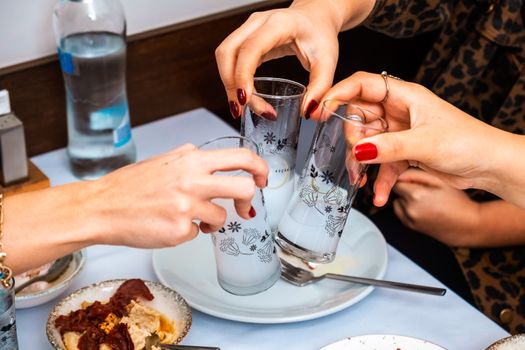
I was visiting a small village in rural Serbia, staying with a local family, when I was first offered a shot of homemade šljivovica (plum brandy). It was barely 10 AM. Declining was not an option – it would be an insult to their hospitality. The clear liquid looked innocent enough, but the aroma alone hinted at its potency. My first sip was an explosion: fiery, warming, with a deep, fruity essence of plums that had clearly been lovingly distilled. It went down with a gasp, followed by a pleasant warmth that spread through my chest.
Throughout my travels in the Balkans, Rakija became a constant companion. From kajsijevača (apricot brandy) in Bosnia to loza (grape brandy) in Croatia, each family had their own secret recipe, their own distillation process, and their own stories associated with it. It was offered at every meal, every gathering, every welcoming. It was a toast to health, to friendship, to memories. It taught me about resilience, the deep-rooted tradition of craft, and the profound generosity of people who share their best with strangers. It’s a drink that embodies the spirit of a place, unadulterated and full of character.
Location: Found throughout the Balkans (Serbia, Bosnia & Herzegovina, Croatia, Montenegro, etc.). Look for small, family-run distilleries or ask locals for their recommendations on homemade versions. Price: Varies widely. Store-bought Rakija can be 10-30 EUR per bottle. Homemade versions are often gifted. Tripsora Tip: Always toast back! A simple "Živeli!" (Cheers!) is appreciated. Sip, don't shoot, especially with homemade versions. It's meant to be savored. Be prepared for its strength; it's not for the faint of heart.
5. Lambic Beer: Belgium's Wild, Wonderful Fermentation
For many beer drinkers, the idea of a "sour" beer might sound like a mistake, something that's gone bad. In my home country, where mass-produced lagers and IPAs dominate, the complex, spontaneously fermented world of Lambic beer was largely unknown, misunderstood, and certainly not something you'd find easily on a shelf. It was effectively "banned" from the mainstream palate due to its unique, wild nature and limited production. My visit to Brussels, the heartland of Lambic, completely redefined my understanding of brewing and patience.
My pilgrimage led me to Brasserie Cantillon, one of the last remaining traditional Lambic breweries in the world, located in a unassuming neighborhood in Brussels. Stepping inside was like entering a time capsule. Dust motes danced in the shafts of light filtering through the windows, illuminating massive, open-air cooling vats where the magic happens. Unlike conventional beers, Lambic relies on wild yeasts and bacteria from the air to spontaneously ferment the wort, a process that can take years in oak barrels.
I tasted a variety of Lambics: a crisp, tart Gueuze (a blend of young and old Lambics), a vibrantly fruity Kriek (Lambic refermented with cherries), and a rare, intensely funky Faro. Each sip was an adventure – notes of green apple, horse blanket, lemon, and earthy cellar. It was challenging, complex, and utterly captivating. This wasn't just beer; it was liquid history, a testament to time, environment, and the incredible power of natural processes. It taught me that sometimes, the most exquisite flavors come from embracing the wild, the unpredictable, and the patience required to let nature take its course. It fundamentally changed how I approach not just beer, but any craft that requires time and dedication.
Location: Brasserie Cantillon, Rue Gheude 56, Brussels, Belgium. Price: A brewery tour is typically around 10 EUR and includes a tasting. Bottles vary, from 5-25 EUR depending on rarity. Tripsora Tip: Take the guided tour to truly appreciate the intricate process. Don't go expecting a mainstream beer; open your mind and palate to something truly unique. Try different styles (Gueuze, Kriek, Faro) to understand the range.
The Unseen World of Authentic Sips
These weren't just drinks; they were experiences, each one a portal to a different culture, a different history, and a different way of seeing the world. They challenged my preconceptions, expanded my palate, and deepened my appreciation for authenticity. From the ritualistic beauty of Absinthe to the communal peace of Kava, the ancient spirit of Pulque, the fiery warmth of Rakija, and the wild complexity of Lambic, each forbidden sip unlocked a new layer of understanding about our diverse planet.
My travels have taught me that what is "banned" or restricted in one place is often revered and deeply significant in another. It's a reminder to question narratives, seek out genuine experiences, and embrace the unknown. These drinks didn't just change my life because they were 'forbidden'; they changed my life because they led me to incredible people, profound stories, and a deeper connection to the intricate tapestry of human culture.
So, what 'forbidden' sips are calling your name? What cultural boundaries are you ready to cross, one delicious, authentic drink at a time? Don't just travel; taste the world. Let these experiences inspire you to delve deeper, challenge your palate, and find your own life-changing sips.
Share your stories! Have you tried a drink that's banned or rare in your home country? What was your experience? Tell us in the comments below or share your adventures on social media using #TripsoraForbiddenSips and #TasteTheWorld!
---
More pictures

Tags
Share this guide
We may earn a commission if you click a link and buy a product or service, at no extra cost to you. How affiliate links work.
Been there?