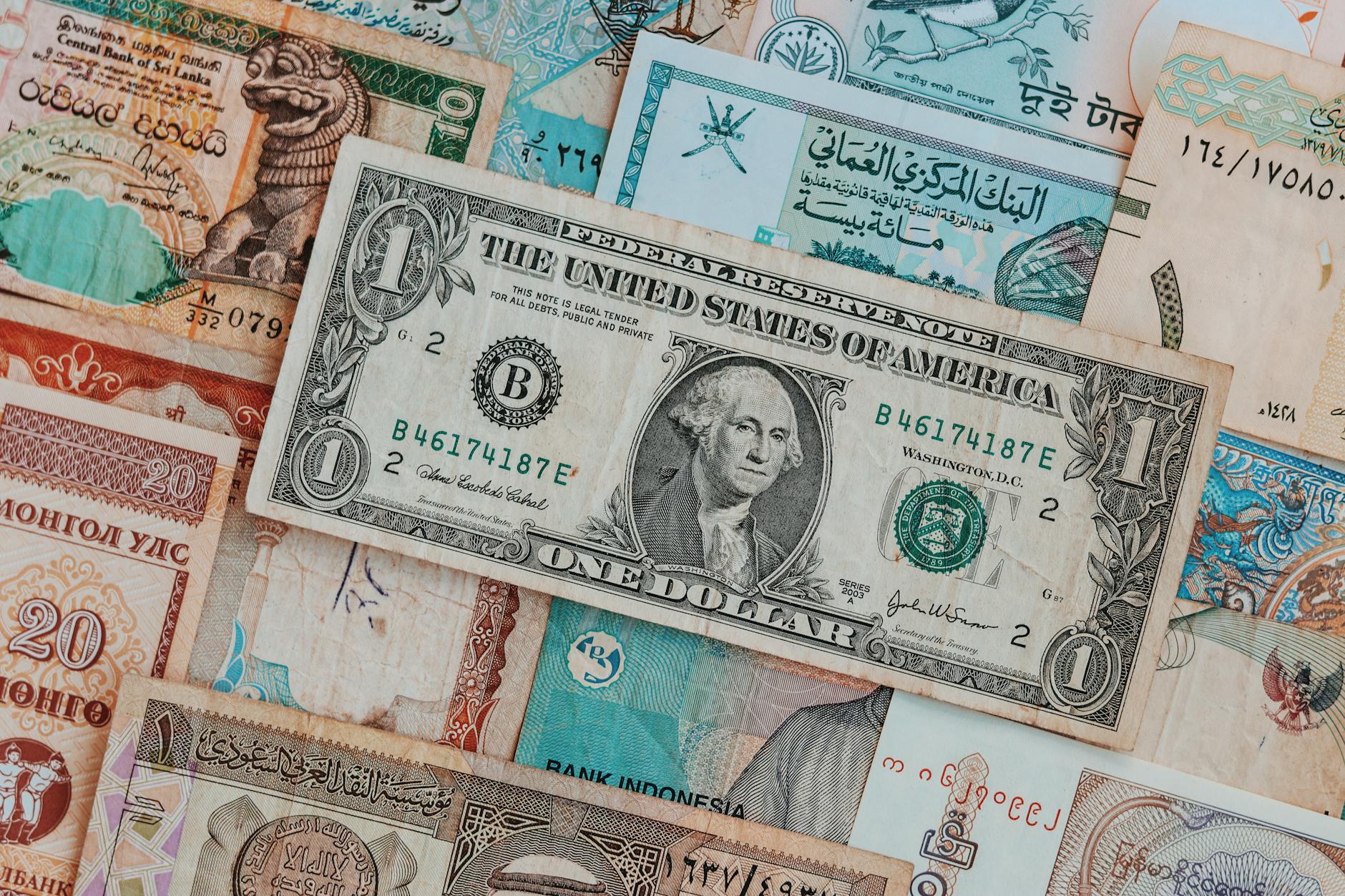
If your travel bucket list has felt financially out of reach, 2025 is your golden window. Macroeconomic shifts and historic foreign exchange swings have created rare purchasing power windows across premier global destinations. From multi-course Michelin-starred omakase dinners in Tokyo at half their historical price to private vineyard estates in Mendoza and five-star safari lodges in the Greater Kruger, top travel advisors are steering savvy clients toward destinations where the exchange rate does the heavy lifting for your travel wallet. ---
The Moment the Bill Arrived: Why Exchange Rates Dictate Luxury
I sat at a polished Hinoki wood counter in Tokyo’s Ginza district, the intoxicating scent of toasted nori, warm seasoned rice, and freshly grated Shizuoka wasabi lingering in the air. The master chef had just handed me a piece of melt-in-your-mouth Otoro tuna, glistening with a brush of aged nikiri soy.
Two years ago, this 18-course private omakase would have set me back roughly $350 USD before drinks. When the bill arrived in 2025, the total read ¥22,000. I ran the conversion on my phone: $144 USD.
I didn’t find a coupon. I didn’t book an off-brand lunch special. I simply rode the wave of one of the greatest foreign exchange anomalies of the last three decades.
Travel advisors spend half their lives analyzing flight routes and hotel perks, but the elite insiders know the real secret to lavish travel: currency arbitrage. When you travel to countries whose local currencies have softened against major global currencies (USD, GBP, and EUR), your baseline vacation effortlessly shifts from "budget-conscious" to "five-star luxury."
Below are the premier destinations with best currency exchange trends travel advisors suggest, along with the tactical insider playbooks you need to exploit these market swings ethically and luxuriously.
---
1. Japan: The Once-in-a-Generation Yen Opportunity
For decades, Japan was notorious among travelers as a bank-breaking, ultra-expensive playground. That narrative has flipped entirely. The Japanese Yen (JPY) has hovered near multi-decade historical lows against the US Dollar and Euro. While local inflation has ticked up slightly, it hasn't matched the massive drop in the Yen's value.
The result? Tokyo and Kyoto are running an unintentional 30% to 45% off sale for international visitors.
``` Currency Insight: Baseline Rate: ~¥105-110 JPY per USD (Historical Average) Current Trend: ~¥150-158 JPY per USD Effective Purchasing Boost: +35% to +40% ```
Where Your Money Goes Further
- High-End Ryokans: Stays in traditional luxury ryokans in Hakone or Kinosaki Onsen—complete with private outdoor onsens and multi-course kaiseki banquets—now price out similarly to a standard boutique hotel in North America or Western Europe.
- Shinkansen (Bullet Trains): Traveling from Tokyo to Kyoto on the Nozomi bullet train runs roughly $85 USD, a fraction of comparable high-speed rail routes across continental Europe.
- Pro-Tip: Skip standard international exchange kiosks at Haneda or Narita. Instead, load a digital Suica or Pasmo transit card directly into your Apple Wallet using a credit card with zero foreign transaction fees. You can use it for subways, convenience stores (7-Eleven, Lawson), and hundreds of casual dining spots at pristine interbank rates.
---
2. Argentina: The Ultimate High-Yield Gastronomic Haven
Navigating Argentina’s currency landscape historically felt like a Wall Street trading game with parallel rates. In 2024 and 2025, government deregulation narrowed the gap between the official and parallel rates, but foreign credit cards now benefit from the automated MEP rate (Mercado Electrónico de Pagos).
This means when you swipe a foreign credit card, you automatically receive the favorable tourist rate without carrying stacks of physical hundred-dollar bills into back-alley cuevas (exchange houses).
``` Currency Insight: Currency: Argentine Peso (ARS) Purchasing Sweet Spot: Luxury Boutique Stays, Leather Goods, Dry-Aged Beef, Wine ```
The Luxury Reality
In Buenos Aires' leafy Palermo Soho neighborhood, a dinner featuring a 400-gram dry-aged ribeye (ojo de bife), grilled over native quebracho wood, paired with a reserve bottle of Catena Zapata Malbec, will rarely exceed $40-$50 USD for two people.
- Pro-Tip: When dining in Buenos Aires or booking wine tours in Mendoza's Uco Valley, always select the option to be charged in local Argentine Pesos (ARS) on the card machine. Never let the terminal convert to USD on the spot (Dynamic Currency Conversion), which adds a sneaky 5% to 8% merchant markup.
---
3. South Africa: World-Class Safaris on a Softened Rand
The South African Rand (ZAR) continues to offer phenomenal relative value against strong global currencies. South Africa has always delivered stellar hospitality, but the current exchange climate turns bucket-list journeys into reasonable realities.
``` Currency Insight: Baseline Rate: ~14-15 ZAR per USD Current Trend: ~18-19 ZAR per USD Effective Purchasing Boost: High upside on dining, private guides, and internal flights ```
Where the Value Unfolds
- The Cape Winelands: Stellenbosch and Franschhoek feature some of the most striking vineyards in the world. High-end multi-course tasting menus paired with estate-grown Chenin Blanc and Pinotage routinely cost under $50 USD per person.
- Private Game Reserves: Top-tier safari lodges bordering Kruger National Park, which include twice-daily game drives in open Land Rovers, sundowner cocktails on the savanna, and all-inclusive gourmet dining, offer pricing that drastically undercuts equivalent experiences in East Africa.
- Pro-Tip: If you’re visiting Cape Town, head to the summit of Signal Hill for sunset, then book your dinner reservations at the Victoria & Alfred Waterfront through local booking engines (like Dineplan) where pricing is quoted in ZAR rather than international luxury platforms that quote fixed USD rates.
---
4. Colombia: The Underrated Gem of Latin America
The Colombian Peso (COP) has maintained an exchange environment that makes the country one of the highest value-to-experience destinations on the planet. From the cobblestone streets of Cartagena to the mountain-ringed valley of Medellín, your travel funds stretch exceptionally far.
``` Currency Insight: Exchange Target: ~4,100 - 4,400 COP per USD Sweet Spot: Specialty Coffee, Domestic Flights, Private Coastal Charters ```
Experiential Value
- Cartagena’s Historic Center: Colonial-era boutique hotels featuring inner courtyards and rooftop plunge pools can be secured for the price of an airport hotel in Miami.
- Gastronomy in Bogotá: Bogotá is experiencing a culinary renaissance. World Top 50 restaurants like Leo or modern innovators like El Chato serve avant-garde tasting menus highlighting rare Amazonian ingredients for a fraction of what you’d pay in Lima, London, or New York.
- Pro-Tip: Avoid taking street taxis. Use rideshare apps like Uber or Cabify linked directly to a travel-rewards credit card. A 30-minute cross-town ride in Medellín typically registers at just $4 to $6 USD, eliminating both price gouging and cash conversion hassles.
---
5. Vietnam: Five-Star Coastal Splendor
The Vietnamese Dong (VND) has long been a haven for ultra-budget backpackers, but travel advisors are now steering luxury travelers here for a completely different reason: hyper-affordable five-star infrastructure.
Major global hospitality brands—from the Four Seasons Resort The Nam Hai in Hoi An to boutique hideaways in Ninh Binh and along the coast of Phu Quoc—deliver ultra-luxury service profiles at price tiers dramatically lower than neighboring Thailand or Bali.
``` Currency Insight: Exchange Target: ~24,500 - 25,400 VND per USD Sweet Spot: Boutique River Cruises, Bespoke Tailoring, Street-Side Gastronomy ```
The High-Low Magic
In Hanoi’s Old Quarter, you can start your morning with a world-class, slow-dripped egg coffee (cà phê trứng) on a tiny street stool for $1.50 USD, spend the afternoon getting three bespoke linen suits custom-tailored in Hoi An for $200 USD, and spend the evening dining on French-Indochine tasting menus for $45 USD.
- Pro-Tip: When cruising Lan Ha Bay or Ha Long Bay, avoid the mega-group day-boats. Instead, book an overnight private or semi-private cabin on a boutique luxury vessel (such as Heritage Line or Indochina Sails). Because of domestic operating costs and foreign exchange dynamics, these luxury suites often cost less per night than a modest city hotel in Europe.
---
Quick Facts & Financial Logistics Breakdown
Use this quick-reference table to cross-compare your options:
| Destination | Local Currency | Est. Daily Luxury Budget (USD) | Prime Season | Top FX Strategy | | :--- | :--- | :--- | :--- | :--- | | Japan (Tokyo/Kyoto) | JPY (¥) | $150 – $250 | Mar–May / Oct–Nov | Digital IC Cards (Suica) & Zero-FX Credit Cards | | Argentina (BA/Mendoza) | ARS ($) | $100 – $180 | Oct–Apr | Visa/Mastercard MEP Automated Exchange Rate | | South Africa (Cape Town/Kruger)| ZAR (R) | $180 – $320 | Nov–Mar | Bank ATMs (Avoid private Euronet terminals) | | Colombia (Bogotá/Medellín) | COP ($) | $90 – $160 | Dec–Mar / Jul–Aug | Card-linked app rides & local direct bookings | | Vietnam (Hanoi/Da Nang) | VND (₫) | $80 – $150 | Feb–Apr / Aug–Oct | Local bank ATMs (Agribank/Vietcombank) for cash |
\Est. Daily Luxury Budget includes upscale boutique lodging, fine dining, domestic transfers, and private guided activities (per person, double occupancy).
---
The Advisor's Golden Rules for Currency Arbitrage
To extract maximum mileage from these favorable exchange trends, memorize these four operational rules before you step on the plane:
1. The "Always Decline Conversion" Rule
When swiping your credit card overseas, the point-of-sale terminal will often ask: "Charge in USD/EUR or Local Currency?" Always choose the local currency.
Choosing your home currency allows the merchant’s processing bank to apply Dynamic Currency Conversion (DCC), which bakes in an inflated exchange rate and extra processing markups ranging from 3% to 9%. Let your own credit card company handle the conversion at interbank wholesale rates.
2. Ditch the Airport Currency Booths
The retail currency exchange booths at international departure gates are notorious for hidden spreads. They boast "0% Commission" while baking a 10% to 15% margin into the buy/sell rate.
- Better Alternative: Carry two debit cards associated with banks that offer worldwide ATM fee rebates (such as the Charles Schwab High Yield Investor Checking card in the US or Wise/Revolut globally) and pull modest cash sums directly from verified bank ATMs at your destination.
3. Book Domestic Legs on Localized Sites
When booking domestic flights, trains, or ferry services within countries like Argentina, Colombia, or Vietnam, test the airline’s local country website version (e.g., `.com.ar` or `.co`) and pay in local currency. Often, regional carrier engines price ticket inventory lower for the local market than on their international `.com` portals.
4. Lock in Rates for Pre-Paid Lodging
If you spot an exceptionally favorable currency dip months before your trip, lock in non-refundable or pre-paid rates directly with boutique hotels via their direct booking engines in local currency, securing your exchange victory before market volatility shifts.
---
Final Thoughts: The Window Won’t Stay Open Forever
Currency trends are cyclical. The historic valleys and surges that make Tokyo, Buenos Aires, and Cape Town extraordinary value propositions today will inevitably balance out as central banks adjust and local pricing structures adapt.
The smartest travelers don’t just ask “Where do I want to go?”—they ask “Where does my money work the hardest right now?”
By matching your travel ambitions with these favorable macro trends, you don't just shave numbers off your holiday expenses; you elevate your entire travel experience from ordinary to extraordinary.
---
More pictures



Tags
Share this guide
We may earn a commission if you click a link and buy a product or service, at no extra cost to you. How affiliate links work.
Been there?