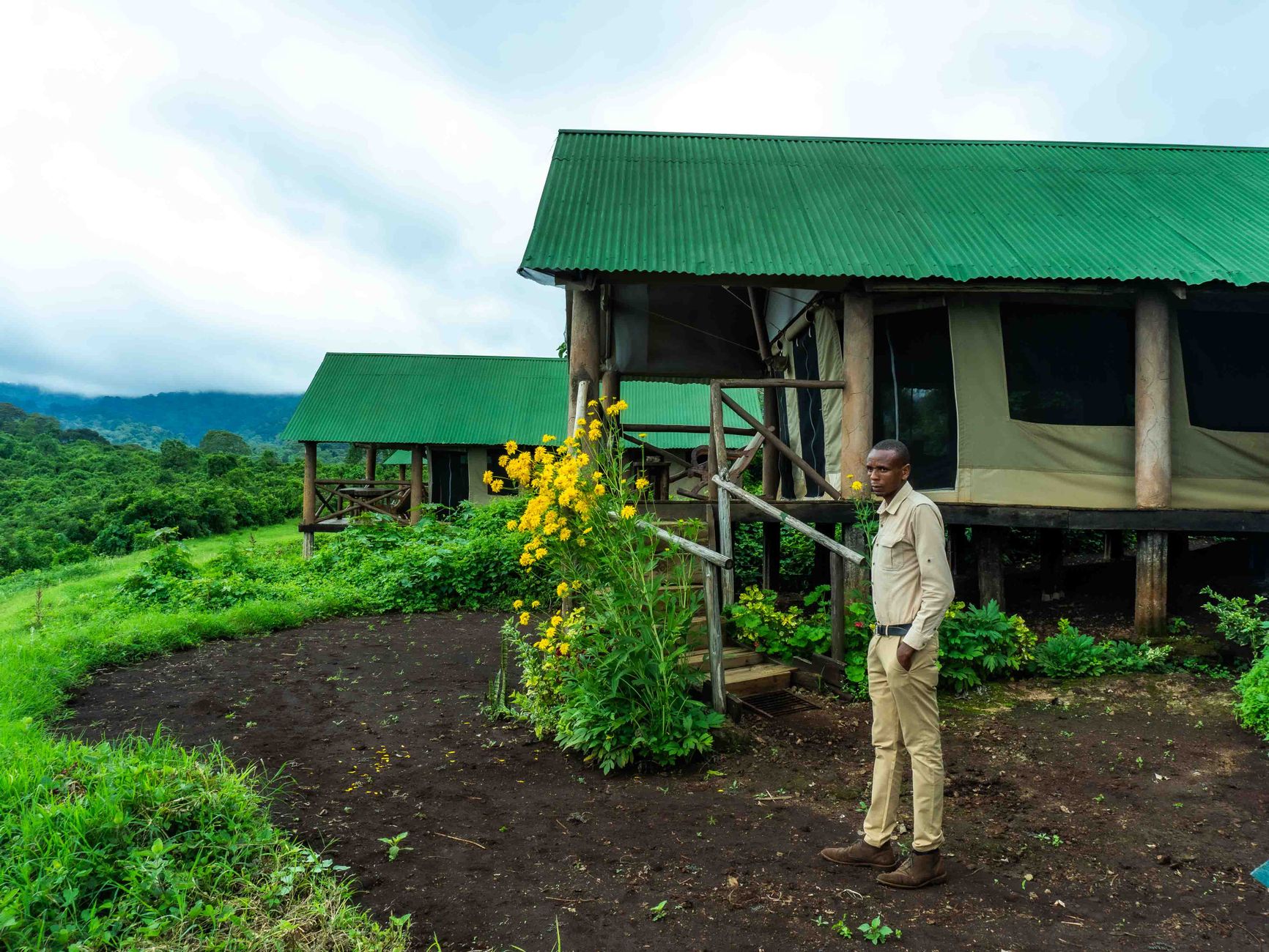
Wildlife travel can support conservation when it is done well. Here is a checklist to help you choose.
A simple checklist
- Wild animals, wild behaviour. Ethical experiences let animals behave naturally. Avoid places that offer hugging, riding or selfies with wild animals.
- Transparent fees. Look for clear information on where your money goes.
- Trained guides. They protect both visitors and wildlife.
- Limits on numbers. Good operators limit group sizes and visit times.
- Benefit to locals. Communities should receive jobs and income.
Destinations known for conservation-linked tourism
- Uganda and Rwanda: Gorilla and chimpanzee trekking with permits that support protection.
- Costa Rica: Strong national park system and eco-lodges.
- Galápagos: Highly regulated tourism with park fees and naturalist guides.
- Namibia: Community conservancies and rhino tracking.
- Kenya's conservancies: Lodges lease land from communities, who share the income.
Questions to ask operators
- How many visitors can be at a sighting at once?
- Do local people work here, and in what roles?
- Do you support research or anti-poaching work?
Be a good visitor
Keep your distance, stay quiet, and follow your guide. Don't use drones unless permitted.
Policies change, so check with each park or operator.
More pictures


Tags
Share this guide
We may earn a commission if you click a link and buy a product or service, at no extra cost to you. How affiliate links work.
Been there?