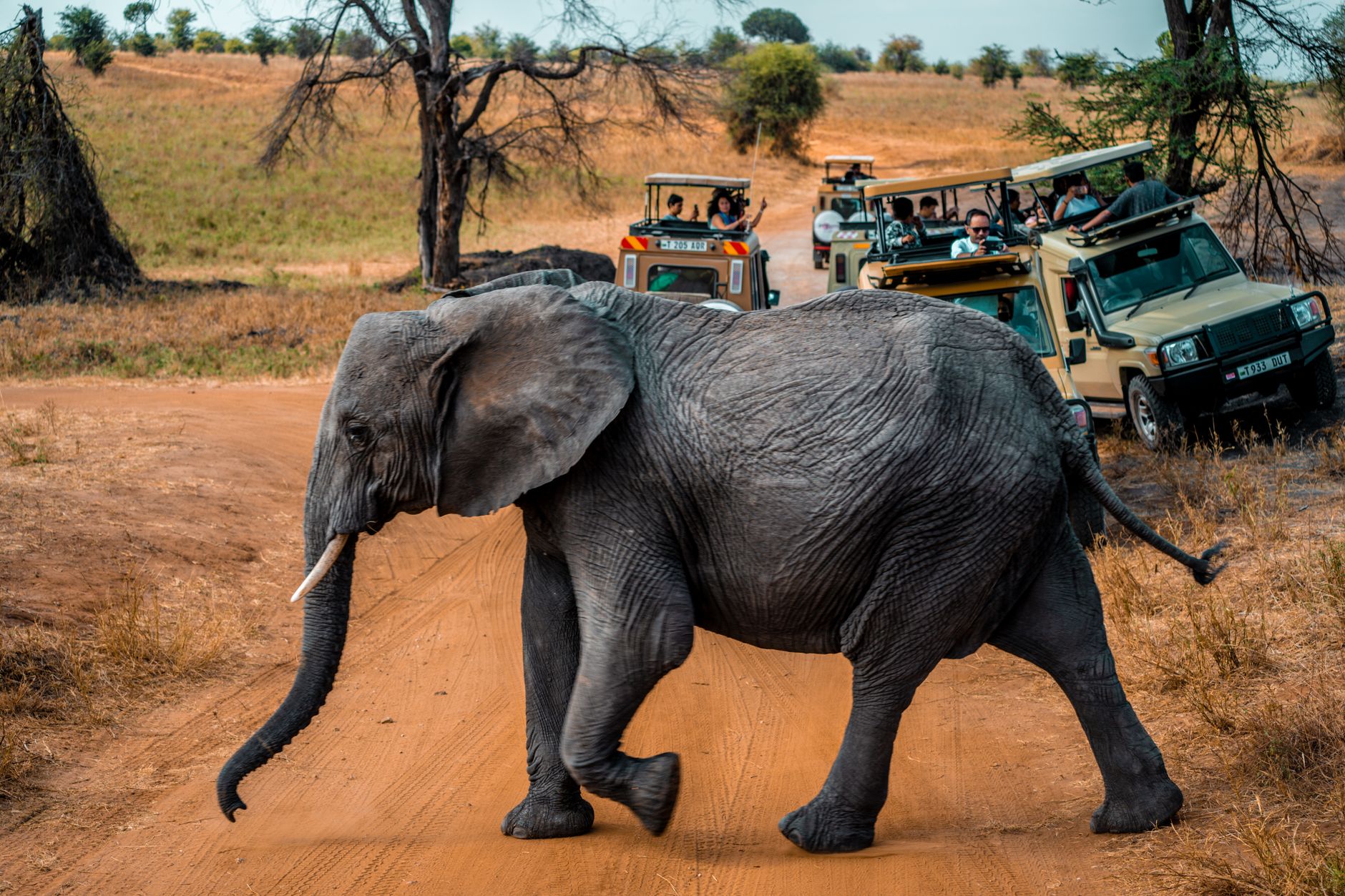
Forget "leave no trace." The new gold standard of travel is regenerative—leaving a place demonstrably better than you found it. This is your definitive, BS-free guide to the emerging destinations where your tourist dollars directly fund anti-poaching units, marine nurseries, rewilding initiatives, and indigenous land rights. ---
The Shift From "Do No Harm" to Active Healing
I stepped off the military-surplus utility vehicle and immediately inhaled the sharp, medicinal scent of crushed wild ginger and wet loam. Around me, the Cardamom Mountains of Cambodia hummed with a dizzying wall of sound: the metallic buzz of cicadas, the distant, liquid hoot of pileated gibbons, and the rush of the Tmor Rung River.
But beneath the primeval chorus lay a different sound—the rhythmic, heavy boot-steps of armed Wildlife Alliance rangers.
I wasn't here as a mere spectator. My presence, and the steep nightly fee I paid to sleep under canvas nearby, directly funded the salaries, rations, and patrol gear of these rangers. Without this specific tourism model, this patch of rainforest—one of Southeast Asia's last remaining wild corridors—would likely have been carved up by illegal loggers and wire-snare poachers weeks ago.
``` +-------------------------------------------------------------------------+ | THE REGENERATIVE TRAVEL EQUATION | | | | [Your Booking Fee] ---> [Direct Local Employment] ---> [No Poaching] | | | | [Direct Conservation Levy] ---> [Habitat Restoration & Rewilding] | +-------------------------------------------------------------------------+ ```
For decades, the travel industry sold us "sustainability" as a passive concept: reuse your towels, don't step on the coral, and offset your carbon flight via some dubious tree-planting scheme.
This year, the paradigm has shattered. The world's most forward-thinking destinations are proving that conscious travelers want to be active financial engines for ecological restoration.
Here are the six emerging destinations where your presence actively funds the protection of our planet's most fragile ecosystems.
---
1. The Cardamom Mountains, Cambodia: Ziplines and Anti-Poaching Patrols
The Conservation Impact
The Southern Cardamom National Park is a critical refuge for endangered Asian elephants, sun bears, and clouded leopards. However, government funding for protection is virtually non-existent.
Enter the partnership between luxury eco-camp Shinta Mani Wild and the Wildlife Alliance. A significant portion of every guest's stay directly funds Patrol Station 86, a dedicated ranger outpost.
To date, these tourism-funded patrols have confiscated over 7,000 illegal chainsaws, removed hundreds of thousands of snares, and rescued thousands of live animals from the illegal wildlife trade.
The Insider Experience
You don't arrive here via a dusty shuttle bus. You arrive via a 400-meter zipline flying over the forest canopy and a rushing waterfall, landing directly in the Landing Zone Bar.
Days are spent joining the armed rangers on real, unvarnished anti-poaching patrols. This isn't a staged photo-op; you are hacking through thick vines, checking camera traps, and looking for illegal logging camps.
- Pro-Tip: Pack high-quality, quick-dry canvas trail pants and military-grade leech socks. The jungle is wet, relentless, and utterly thrilling. Skip the standard hiking boots; lightweight, drainable trail-running shoes work best here.
---
2. Grumeti Reserve, Tanzania: Where Luxury Safaris Fund Elite Canine Units
The Conservation Impact
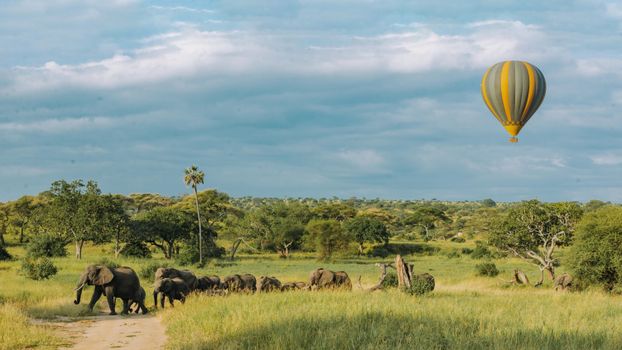
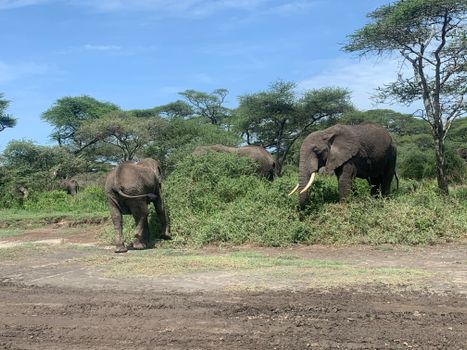
Bordering the Serengeti National Park, the 350,000-acre Grumeti Reserve was once a depleted wasteland overrun by commercial poachers. In 2003, the Singita Grumeti Fund took over management, funded entirely by high-value, low-density tourism.
The crown jewel of their conservation effort is the K9 anti-poaching unit, featuring rescued shelter dogs trained to sniff out ivory, bushmeat, weapons, and rhino horn. Because of the revenue generated by visitors staying at Singita’s lodges, wildlife populations in Grumeti have rebounded spectacularly—including a four-fold increase in elephant numbers.
``` Grumeti Wildlife Recovery (2003 vs. Present) [2003] ░░░░░ (Severely depleted, rampant poaching) [Present] ████████████████████ (4x Elephant increase, thriving prides) ```
The Insider Experience
While you’ll experience some of the most exclusive wildlife viewing on Earth—free from the vehicle traffic jams common in the main national park—the real magic happens behind the scenes.
You can book a private visit to the K9 unit's headquarters to watch the handlers train these elite Belgian Malinois.
- Pro-Tip: Request a morning visit at exactly 7:30 AM. This is when the temperature is cool enough for the dogs to run their scent-tracking drills in the acacia scrub, and you’ll get to see them work in real-time.
---
3. Alladale Wilderness Reserve, Scotland: Rewilding the Caledonian Forest
The Conservation Impact
When we think of conservation, we often picture African savannahs or Amazonian rainforests. But Europe has its own ecological crises.
In the rugged Scottish Highlands, Alladale Wilderness Reserve is pioneering the concept of rewilding. Owned by visionary Paul Lister, Alladale’s tourism revenue funds the planting of over one million native trees (including Scots pine, birch, and rowan), the restoration of damaged peatlands, and the breeding of threatened Scottish wildcats.
The Insider Experience
Forget manicured golf courses and tartan-clad tourist traps. Alladale is raw, windswept, and majestic.
You’ll stay in a fully restored Victorian lodge powered by a micro-hydro electricity system and spend your days hiking through glens where young forests are finally reclaiming the heather-clad hills.
- Pro-Tip: Ask the reserve rangers to show you the wildcat breeding enclosures hidden in the pine woods. While you can't enter, seeing these incredibly rare, fierce little predators up close is a privilege few travelers ever experience.
---
4. Sumba Island, Indonesia: Eradicating Malaria with Five-Star Hospitality
The Conservation Impact
On the remote Indonesian island of Sumba, Nihi Sumba has rewritten the rules of luxury tourism. 100% of the profits from this world-renowned resort go directly to the Sumba Foundation.
Instead of just funding environmental conservation, this project focuses on the human element of the ecosystem. The foundation has virtually eradicated malaria in the villages surrounding the resort (reducing rates by over 85%), built over 60 water wells, established clinics, and funded school lunch programs for thousands of local children.
``` Malaria Rates in Sumba Villages Before Resort Foundation: ████████████████ 100% After Resort Foundation: ██░░░░░░░░░░░░░░ <15% ```
The Insider Experience
This is the home of Occy’s Left, one of the most coveted, private surf breaks in the world (limited to just ten surfers per day).
But the most profound experience is joining the foundation staff on a Thursday morning to help distribute hot, nutritious meals to local primary schools, seeing firsthand where your accommodation fees are being spent.
- Pro-Tip: Do not bring plastic trinkets or cheap candy to hand out to local children; it creates a culture of begging. Instead, make a direct donation to the Sumba Foundation's school supply fund, or purchase fresh fruits from the local market in Waikabubak to donate through the foundation's official channels.
---
5. Floreana Island, Galápagos: The Community-First Restoration Model
The Conservation Impact
The Galápagos Islands are famous for conservation, but Floreana Island is embarking on one of the most ambitious ecological restoration projects ever attempted. Historically, invasive rodents and feral livestock decimated the island's unique wildlife.
Now, the local community of just 140 residents has partnered with Jocotoco Foundation and Island Conservation to execute a massive rewilding plan.
By staying in locally-run guesthouses rather than on massive cruise ships, your tourist dollars directly fund the reintroduction of 12 locally extinct species, including the Floreana mockingbird and the iconic giant tortoises.
The Insider Experience
Staying on Floreana is a lesson in slow, intentional travel. There are no luxury resorts. Instead, you stay in charming, solar-powered wooden cabins owned by multi-generational island families.
You’ll snorkel in Post Office Bay alongside marine iguanas and endemic Galápagos penguins without another tourist in sight.
- Pro-Tip: Skip the standard cruise itinerary. Book a land-based tour through a local operator like Floreana Lava Lodge. You’ll eat home-cooked meals prepared by local chefs using ingredients grown in the island’s volcanic highlands.
---
6. Red Sea Global, Saudi Arabia: Pioneering Coral Spawning Technology
The Conservation Impact
In a region better known for oil extraction, Saudi Arabia is betting heavily on regenerative tourism along its pristine Red Sea coast. Red Sea Global has committed to achieving a 30% net conservation benefit by 2040.
How? By capping annual visitor numbers, banning single-use plastics, operating entirely on 100% off-grid solar energy, and running an advanced coral farming and spawning program.
Every luxury resort built here—such as the futuristic Sheybarah Island—directly funds marine biologists who are actively restoring heat-resistant coral reefs.
The Insider Experience
The Red Sea here has been closed to the public for decades, meaning the marine life is astonishingly untouched.
You can dive in waters with over 280 species of coral and a staggering abundance of green and hawksbill turtles, dugongs, and spinner dolphins.
- Pro-Tip: Book a guided excursion with the resident marine conservationists at the coral nursery. You can assist in planting micro-fragmented corals onto artificial reef structures that are later transplanted into degraded areas of the seabed.
---
Logistics & Budget Breakdown
To help you plan your next high-impact journey, here is a quick-reference guide to the logistics, costs, and best times to visit these conservation-led destinations:
| Destination | Primary Conservation Focus | Estimated Daily Cost (USD) | Best Time to Visit | How to Get There | | :--- | :--- | :--- | :--- | :--- | | Cardamom Mountains, Cambodia | Anti-poaching, rainforest preservation, animal rescue | $$$$ ($1,200+ incl. all activities) | November to April (Dry season) | Fly to Phnom Penh; resort arranges 3-hour private road transfer | | Grumeti Reserve, Tanzania | Canine patrol units, community farming, rhino protection | $$$$ ($1,500+ all-inclusive) | June to October (Great Migration) | Fly to Kilimanjaro (JRO), then catch a scheduled charter flight to Grumeti Airstrip | | Alladale Wilderness, Scotland | Highland rewilding, peatland restoration, wildcat breeding | $$ ($150 - $400) | May to September (Longer days) | Fly to Inverness; rent an electric vehicle for the scenic 1.5-hour drive north | | Sumba Island, Indonesia | Clean water, malaria eradication, education | $$$$ ($1,000+) | May to October (Dry surf season) | Fly to Bali (DPS), then take a 50-minute domestic flight to Tambolaka (TMC) | | Floreana Island, Galápagos | Reintroduction of extinct species, community tourism | $$ ($200 - $350) | December to May (Warmer waters) | Fly to Baltra (GPS), take the public speedboat from Santa Cruz Island | | Red Sea Global, Saudi Arabia | Marine conservation, solar grid innovation, coral farming | $$$$ ($900+) | October to April (Cooler weather) | Fly directly to Red Sea International Airport (RSI) via Riyadh or Jeddah |
---
How to Vet Your Next Trip: The Anti-Greenwashing Checklist
As regenerative travel gains popularity, less ethical operators will inevitably try to hijack the terminology. Before you book any trip claiming to "fund conservation," ask the property or tour operator these three pointed questions:
- "What exact percentage of my booking fee goes directly to the conservation partner?"
- The Red Flag: Vague answers like "a portion of profits." Look for transparent, flat-fee conservation levies (e.g., "$150 per night per guest goes directly to the NGO").
- "Can I meet the conservation team or see the project in action?"
- The Red Flag: If they discourage you from visiting the project site or talking to the conservationists, it’s likely a marketing stunt rather than a core mission.
- "How does this project benefit the local community?"
- The Red Flag: Conservation that excludes local people is doomed to fail. True regenerative travel always includes local employment, fair wages, and community-led decision-making.
By choosing destinations that put planetary health and community welfare at the very center of their business models, your next journey can be a powerful force for good. Where will you make your impact this year?
---
More pictures

Tags
Share this guide
We may earn a commission if you click a link and buy a product or service, at no extra cost to you. How affiliate links work.
Been there?