
In some places, visitors' money directly supports protecting wildlife and habitats. Here is how it works and what to look for.
How tourism can fund conservation
Park fees, permits, guides and community-run lodges can generate income that pays rangers, protects land and gives local people a reason to conserve wildlife.
Examples
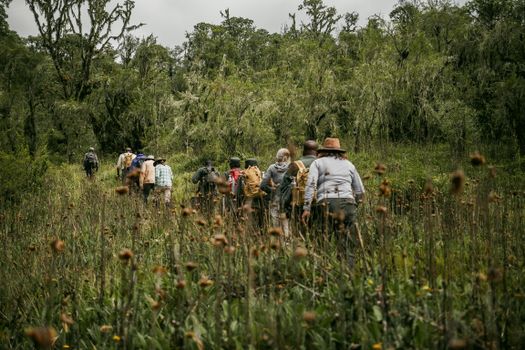
- Rwanda: Gorilla trekking permits are expensive, and part of the revenue supports park management and community projects.
- Costa Rica: Entrance fees support national parks and reserves, and the country has invested heavily in protected areas.
- Galápagos, Ecuador: Park fees and strict visitor rules fund conservation and monitoring.
- Namibia: Community conservancies earn income from lodges and trophy-free tourism.
- Botswana and Kenya: Conservancy lodges share income with landowners and communities.
How to choose well
- Ask where the money goes. Look for clear information on fees and community benefits.
- Prefer locally owned and operated businesses.
- Check certifications from recognised sustainable tourism bodies, but be aware of marketing claims.
- Respect rules about distance from wildlife and group size.
It's not always perfect
Tourism can also cause harm if poorly managed. Visit with care, keep your footprint small and follow guidance.
Fees and rules change, so check current information.
More pictures
Tags
Share this guide
We may earn a commission if you click a link and buy a product or service, at no extra cost to you. How affiliate links work.
Been there?