The "Overtourism Era" is officially over. As of May 2026, six global icons have transitioned from "open to all" to "exclusive by permit." This isn't just a seasonal tweak; it’s a permanent shift in how we see the world. If you haven't booked your 2027 slots yet, you’re already behind. Here is the definitive breakdown of the new "Closed Door" policy.
The Death of the "Last Minute" Trip
I stepped off the vaporetto at the San Marco Vallaresso stop, and for the first time in fifteen years, I didn't hear the roar of a thousand rolling suitcases. Instead, I heard the slap of the lagoon against the ancient, salt-crusted marble and the distant, melodic call of a gondolier—not shouting at a tourist, but singing to the silence.
The air smelled of damp limestone and roasting espresso, unpolluted by the usual exhaust of massive cruise liners. It was May 1st, 2026—the day the world of travel changed forever.
For decades, we treated the world’s wonders like all-you-can-eat buffets. But as of this month, the buffet is closed. A new era of "Regenerative Exclusivity" has begun. If you’re planning to hit the world’s most Instagrammable spots, the rules of the game have been rewritten. Here are the destinations that officially limited capacity permanently this May.
1. Venice, Italy: The Floating Museum
The "Access Fee" was just the beginning. As of May 2026, Venice has implemented a hard daily cap of 20,000 day-trippers. Once the digital turnstiles at Santa Lucia station hit that number, the city is "sold out."
The Insider Reality: This isn't just about money; it’s about physics. The city was sinking under the weight of 30 million annual visitors. Now, the Venice Access Portal (VAP) requires a QR code just to enter the historic center. If you’re staying in a registered hotel, your code is included. If you’re coming from the mainland? You’d better have booked three months ago.
- Pro-Tip: Don’t bother with the main gate. Take the Alilaguna boat from the airport directly to the Dorsoduro district. It’s the last bastion of true Venetian life, and the new caps mean you can actually walk through the Calle without bruising a shoulder.
2. Kyoto, Japan: Reclaiming the Zen in Gion
Kyoto’s "paparazzi" problem reached a breaking point last year. In May 2026, the city permanentized the ban on tourists in private alleys of the Gion district. But they went further: the Kiyomizu-dera temple complex now operates on a "One-In, One-Out" system once it reaches 3,000 occupants.
The Insider Reality: I visited the Yasaka Shrine last week. The silence was heavy, almost physical. The local Geiko and Maiko no longer scurry like hunted animals; they walk with the grace the district was built for. The "tourist tax" is now folded into a mandatory "Cultural Preservation Fee" at every major shrine.
- Pro-Tip: The hidden entrance to the best view of the Pagoda isn't on the main road. Look for the small stone staircase behind the blue-tiled tea shop on the southern edge of Sannenzaka. It remains outside the primary "restricted flow" zone.
3. Hallstatt, Austria: The Alpine Fortress of Quiet
The village that inspired Frozen finally melted under the pressure. As of May 2026, Hallstatt has limited tour buses to just 15 per day (down from 90). For individual travelers, a new "Resident First" zone covers 70% of the waterfront.
The Insider Reality: The famous "Classic Village View" point now has a literal gate. You get 15 minutes to take your photo, and then you must move on. It sounds harsh, but the locals are finally smiling again. The air smells like pine needles and fresh mountain rain, not diesel fumes.
- Pro-Tip: Visit at 6:45 AM. The gate guards don’t start their shifts until 7:30 AM, and the morning mist rolling off the Hallstätter See is better than any sunset photo anyway.
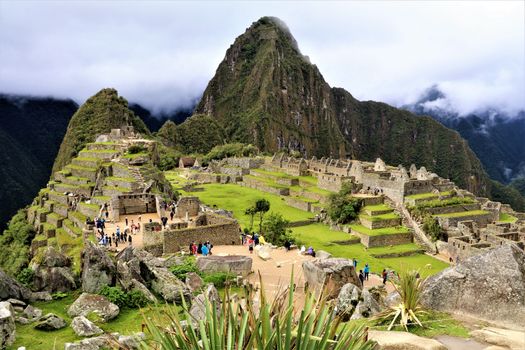
4. Machu Picchu, Peru: The Once-in-a-Lifetime Permit
The days of hiking the Inca Trail on a whim are gone. In May 2026, the Ministry of Culture transitioned to a "Perpetual Permit" system. Each passport is now limited to one visit every five years.
The Insider Reality: This has turned Machu Picchu into the ultimate "bucket list" item. The crowds have vanished, replaced by a sense of reverence. You no longer see people doing yoga poses for TikTok; you see people staring in genuine awe at the dry-stone masonry.
- Pro-Tip: Book the Circuit 4 + Huayna Picchu combo. It’s the hardest to get but offers the most "crowd-free" path through the lower ruins before you ascend the peak.
5. Mount Fuji, Japan: The Yoshida Gate
The world’s most climbed mountain was becoming a trash heap. Starting this month, the Yamanashi prefectural government has made the $20 entry fee and 4,000-person daily limit permanent for the Yoshida Trail.
The Insider Reality: "Bullet climbing" (hiking through the night without sleep) is now strictly banned. You must prove you have a mountain hut reservation to pass the 5th Station after 4:00 PM. The result? A safer, cleaner, and infinitely more spiritual climb.
- Pro-Tip: Everyone crowds the 5th Station. Instead, start your trek from the Fujiyoshida Sengen Shrine at the base. It adds five hours to the hike, but you’ll see the "Old Way" that 99% of tourists miss.
6. Santorini, Greece: The Cruise Cap
The white-washed cliffs of Oia have finally found their limit. In May 2026, the island officially capped cruise ship passengers to 8,000 per day—permanently.
The Insider Reality: The "Donkey Path" is no longer a chaotic bottleneck of frustrated tourists. The scent of wild thyme and grilled octopus actually reaches the caldera edge now. The sunset at Oia is still crowded, but it's "civilized" crowded, not "survival of the fittest" crowded.
- Pro-Tip: Forget Oia for sunset. Head to the Akrotiri Lighthouse at the southern tip. It’s rugged, windy, and currently exempt from the strictest capacity monitoring.
Quick Facts: The 2026 "Closed Door" Guide
| Destination | Daily Limit | Est. Cost (Entry) | Best Time to Visit | How to Get There | | :--- | :--- | :--- | :--- | :--- | | Venice | 20,000 | €10 - €50 | Tues/Wed | Train to Santa Lucia | | Kyoto (Gion) | Resident Only | Free (Limited) | Early Nov | Haruka Express from KIX | | Hallstatt | 450 (Indiv.) | €15 | Mid-May | Train + Ferry | | Machu Picchu | 4,500 | $150+ | June (Dry Season) | Perurail from Cusco | | Mount Fuji | 4,000 | ¥2,000 | July - August | Highway Bus from Shinjuku | | Santorini | 8,000 (Cruise) | N/A | Late Sept | Flight from Athens |
The Logistics: How to Travel in the "Limited" Era
You can no longer "wing it." Travel in 2026 requires a strategist's mindset.
- The Six-Month Rule: If you don't have your permits six months out, change your destination.
- The Digital Wallet: Download the official government apps for each country (e.g., ItaliaPass, JapanTravel ID). Your biometric data is often linked to your entry permit now.
- Go "Second-City": If Venice is full, head to Treviso. If Kyoto is capped, try Kanazawa. These cities offer the same soul without the turnstiles.
Travel was once a right; now, it is a hard-earned privilege. But as I sat in a quiet Venetian piazza last night, sipping a Spritz Select and hearing nothing but the church bells of San Geremia, I realized: I wouldn't have it any other way. The magic has returned, but only for those patient enough to wait for it.
More pictures

Tags
Share this guide
We may earn a commission if you click a link and buy a product or service, at no extra cost to you. How affiliate links work.
Been there?