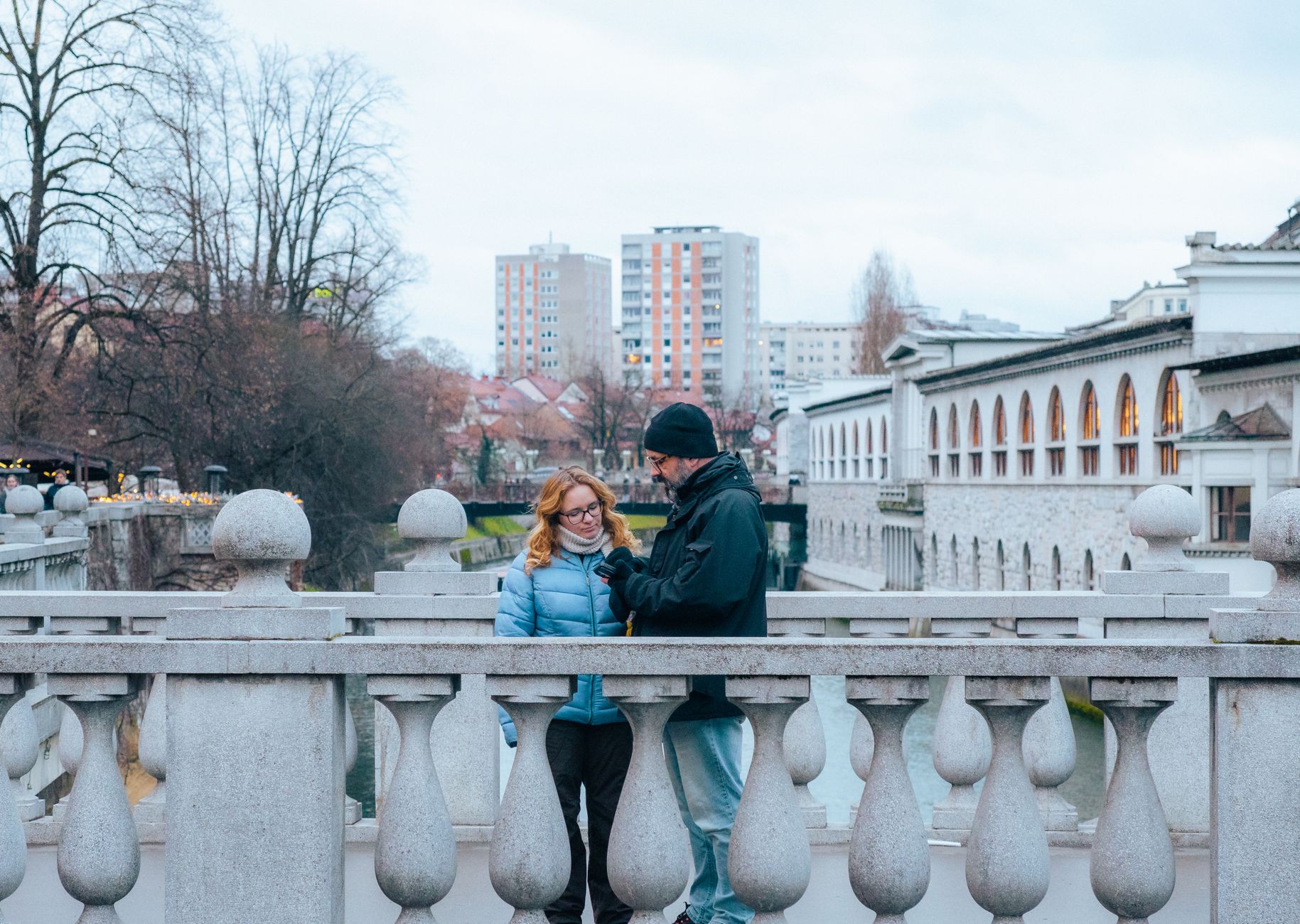
Fewer visitors gave some places time to recover. Many have introduced new rules to keep it that way.
A breathing space
When travel slowed sharply, some heavily visited places saw wildlife return and fragile areas recover. Many destinations then introduced new controls so that crowds did not simply return.
Examples
- Maya Bay, Thailand: Closed for several years to let coral recover. It reopened with limits on visitor numbers and boats. Check current rules before you visit.
- Venice, Italy: Introduced a day-tripper access fee on selected days. Rules and dates change, so check the official site.
- Machu Picchu, Peru: Uses timed entry slots and set circuits to manage numbers.
- Barcelona and Amsterdam: Measures to restrict some short-term rentals and control tourist flows.
What this means for visitors
- Book ahead. Timed tickets and permits are more common.
- Expect fees. Tourist taxes and access fees fund upkeep.
- Follow the rules. Stay on paths and use designated landing areas.
- Choose quieter times. Shoulder season and early mornings are better for you and for residents.
Be part of the solution
Stay in locally owned accommodation, use public transport and spend time outside the busiest hotspots.
Rules change frequently, so check official websites.
More pictures



Tags
Share this guide
We may earn a commission if you click a link and buy a product or service, at no extra cost to you. How affiliate links work.
Been there?