
Ditch the ordinary! Imagine getting PAID to explore pristine coastlines and leave them better than you found them. We've got the inside scoop from top travel advisors on destinations actively rewarding eco-warriors. Your next adventure, for a cause, awaits! ---
The Hook: Salty Air and a Sacred Purpose
I stepped off the tiny prop plane onto the tarmac, the humid air hitting me like a warm embrace. It wasn’t just the scent of salt and frangipani that filled my lungs; it was the palpable sense of purpose. My mission? To contribute to a place actively seeking my help – and offering a little something in return. Forget expensive resorts and crowded tourist traps; this was about connection, conservation, and a paycheck for doing good. This is the burgeoning world of destinations that pay tourists to clean beaches, a concept that travel advisors are increasingly buzzing about, and for good reason.
The Rise of the Eco-Warrior Tourist: Why Destinations are Paying
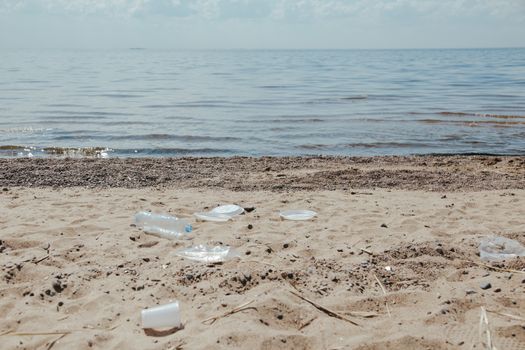
The tide is turning, quite literally. As the impact of plastic pollution on our precious coastlines becomes undeniable, forward-thinking communities and organizations are shifting their approach. They're not just asking for volunteers; they’re actively recruiting travelers who are willing to roll up their sleeves and contribute to tangible environmental solutions. Travel advisors, ever attuned to emerging trends, are seeing a surge in demand for these unique, purpose-driven experiences. It’s a win-win: destinations get much-needed help, and travelers get an unforgettable experience, often with financial incentives that offset travel costs.
How it Works: From Cleanup Crew to Coastal Champion
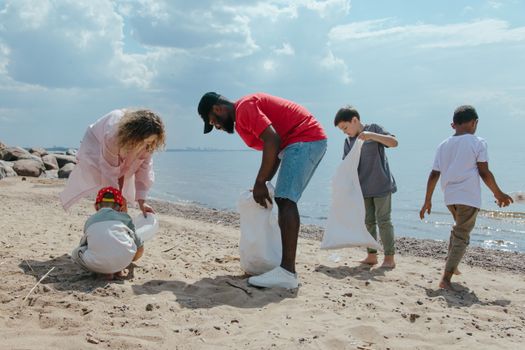
These aren't your typical "work for accommodation" schemes, though those exist too. We're talking about structured programs, often run by local NGOs, conservation groups, or even forward-thinking tourism boards, that recognize the value of an engaged tourist. Think of it as a paid internship with the most breathtaking office imaginable. You'll be part of organized beach cleanups, sometimes involving data collection on the types of waste found, which is crucial for long-term strategy. In return, you might receive a daily stipend, accommodation, meals, or a combination of these. It’s a powerful way to immerse yourself in a local culture while making a genuine difference.
Top Destinations Paying Tourists to Clean Beaches: The Travel Advisor's Picks
My conversations with seasoned travel advisors revealed a fascinating landscape of destinations actively embracing this model. They're not just recommending places; they're highlighting initiatives that offer a truly immersive and rewarding experience.
1. The Turquoise Coast of Turkey: Ancient Wonders Meet Modern Solutions
Pro-Tip: Look for programs affiliated with local dive centers. They often have a vested interest in keeping the underwater environment clean and can offer incredible opportunities for marine debris removal.
Turkey’s Turquoise Coast, famed for its sapphire waters and ancient Lycian ruins, is also grappling with marine pollution. Several initiatives, often spearheaded by passionate local conservationists, are emerging. These aren't always advertised through mass tourism channels, making them true hidden gems. You might find yourself working alongside local fishermen who are equally invested in protecting their livelihood.
- The Vibe: Imagine cleaning a secluded cove, the scent of wild thyme in the air, with the ruins of an ancient city visible on the hillside above. The evenings are spent sharing stories with locals over freshly grilled meze, the sound of cicadas providing a natural soundtrack.
- Insider Language: You’ll hear terms like "kirlilik" (pollution) and "çevre koruma" (environmental protection) frequently. Engage with the locals; their pride in their heritage and their concern for the environment are infectious.
Quick Facts:
| Feature | Details | | :------------ | :---------------------------------------------------------- | | Estimated Cost ($) | $20-50/day (stipend often covers basic expenses) | | Best Time to Visit | Spring (April-May) & Autumn (September-October) for pleasant weather | | How to Get There | Fly into Dalaman (DLM) or Antalya (AYT) airports, then local transport |
2. The Lesser-Known Islands of the Philippines: Coral Reefs and Community Spirit
Pro-Tip: Connect with smaller, community-led eco-resorts. They are often the most direct beneficiaries of cleanup efforts and have the most authentic programs.
The Philippines, an archipelago of over 7,000 islands, boasts some of the world's most biodiverse marine ecosystems. While popular spots face challenges, many smaller islands are pioneering community-driven conservation. These programs often involve not just beach cleanups but also coral reef monitoring and marine life surveys.
- The Vibe: Picture yourself on a powdery white-sand beach, the water so clear you can see your toes wiggling in the sand. After a morning of collecting plastic bottles and fishing nets, you’ll be treated to a lunch of freshly caught seafood, seasoned with local spices like ginger and calamansi. The evenings are for stargazing from a hammock, the gentle lapping of waves your lullaby.
- Insider Language: Locals will talk about "Bayanihan," the spirit of communal unity and cooperation. Embrace this; join in local festivals if you can, and learn a few basic Tagalog phrases like "Salamat" (Thank you).
Quick Facts:
| Feature | Details | | :------------ | :---------------------------------------------------------- | | Estimated Cost ($) | $15-40/day (stipend + contribution to community projects) | | Best Time to Visit | Dry Season: November to May | | How to Get There | Fly into Manila (MNL) or Cebu (CEB), then regional flights/ferries |
3. Coastal Villages in Costa Rica: Pura Vida with a Purpose
Pro-Tip: Seek out programs that combine beach cleanups with sea turtle conservation efforts. This offers a dual impact and an unforgettable wildlife experience.
Costa Rica, a global leader in ecotourism, extends its commitment to conservation to its stunning coastlines. Beyond the well-trodden paths of Manuel Antonio, smaller communities are implementing innovative programs that pay volunteers for their cleanup efforts. These often involve partnering with local wildlife sanctuaries or research stations.
- The Vibe: Imagine the symphony of the rainforest meeting the ocean – the calls of howler monkeys in the distance, the rhythmic crash of waves. You're meticulously sorting recyclables on a beach frequented by nesting sea turtles, the air thick with the scent of damp earth and salt. After your work, you might enjoy a "Gallo Pinto" (rice and beans) with a local family, their warmth as welcoming as the tropical sun.
- Insider Language: The national motto is "Pura Vida" – pure life. Embrace this philosophy. You’ll hear about "reciclaje" (recycling) and "vida silvestre" (wildlife). Be present, be respectful, and absorb the incredible biodiversity.
Quick Facts:
| Feature | Details | | :------------ | :---------------------------------------------------------- | | Estimated Cost ($) | $30-60/day (stipend and often includes meals) | | Best Time to Visit | Dry Season: December to April | | How to Get There | Fly into San José (SJO) or Liberia (LIR) airports, then shuttle or rental car |
4. The Emerald Coast of Ireland: Wild Atlantic Waves and Rewarding Work
Pro-Tip: Look for initiatives linked to coastal erosion monitoring or marine life surveys. These often require dedicated volunteers and offer a more scientific approach.
While not as tropical as other destinations, Ireland's dramatic Emerald Coast, with its rugged cliffs and windswept beaches, is also a focus for conservation. Organizations are increasingly seeking help to manage litter, particularly after storms, and to monitor the health of marine ecosystems. These programs often offer a unique blend of physical work and connection with the rugged Irish landscape.
- The Vibe: Feel the bracing Atlantic wind on your face as you comb a wild, deserted beach. The scent of brine and damp seaweed is invigorating. You might be collecting debris that has washed ashore from distant lands, or helping to mark areas for kelp forest regeneration. Evenings are for warming up by a peat fire in a cozy pub, listening to traditional music and sharing a pint of Guinness.
- Insider Language: You’ll hear about the "Wild Atlantic Way" and the importance of "coastal stewardship." Locals are proud of their heritage and their connection to the sea. Don't be shy to strike up a conversation; the Irish are renowned for their hospitality.
Quick Facts:
| Feature | Details | | :------------ | :---------------------------------------------------------- | | Estimated Cost ($) | $40-70/day (stipend often covers food and local transport) | | Best Time to Visit | Late Spring (May-June) & Early Autumn (September) for milder weather | | How to Get There | Fly into Dublin (DUB), Shannon (SNN), or Cork (ORK) airports, then rental car or bus |
5. Coastal Communities in New Zealand: Pristine Paradises and Passionate Protectors
Pro-Tip: Explore programs focused on invasive species removal from beaches or native flora restoration along coastal dunes. These are vital for maintaining ecological balance.
New Zealand, renowned for its breathtaking natural beauty, is equally committed to preserving it. While the Hokianga Harbour and the Coromandel Peninsula are popular, numerous smaller coastal communities are actively engaged in conservation efforts, often offering incentives for volunteers. These programs are frequently run by iwi (Māori tribes) and local environmental groups.
- The Vibe: Imagine standing on a vast, unspoiled beach, the air crisp and clean, the sound of seabirds your only companion. You might be removing invasive weeds from coastal dunes or collecting marine debris that threatens the local marine life. Later, you could be invited to share a traditional Māori hangi (earth oven cooked meal) with the community, experiencing their deep connection to the land and sea.
- Insider Language: You'll hear about "kaitiakitanga" – guardianship and stewardship of the environment. Embrace the concept. Learn about "taonga" (treasures) and the importance of respecting "mana" (spiritual power and authority).
Quick Facts:
| Feature | Details | | :------------ | :---------------------------------------------------------- | | Estimated Cost ($) | $50-80/day (stipend, often includes accommodation and some meals) | | Best Time to Visit | Summer (December-February) for warmest weather, Shoulder seasons (Spring/Autumn) for fewer crowds | | How to Get There | Fly into Auckland (AKL), Wellington (WLG), or Christchurch (CHC) airports, then domestic flights or ferries |
The Budget & Logistics: Making it Work for You
These aren't just feel-good trips; they're financially viable adventures. The key is understanding the structure of the programs.
Quick Facts Table - General Overview
| Feature | Details | | :------------ | :---------------------------------------------------------------------------------------------------------------------------------------------- | | Estimated Daily Stipend ($) | $15 - $80 (varies greatly by program, location, and duration) | | Accommodation | Often included (hostels, shared housing, eco-lodges), sometimes a contribution is expected. | | Meals | Frequently provided, or a stipend for food is given. Local markets are your friend for affordable, authentic eats. | | Best Time to Visit | Generally, shoulder seasons (Spring and Autumn) offer pleasant weather and fewer crowds. Check specific regional climate patterns. | | How to Get There | International flights to major hubs, followed by regional flights, ferries, buses, or local taxis. Planning ahead is crucial. | | Visa Requirements | Varies by nationality and destination. Always check current regulations well in advance. | | Insurance | Non-negotiable. Ensure comprehensive travel and medical insurance, ideally covering volunteer activities. |
Finding the Programs: Beyond the Tourist Trail
This is where the expertise of a travel advisor truly shines. They have networks and insights that go beyond a quick Google search.
- Direct Outreach: Many smaller NGOs and community groups are active on social media. Look for hashtags like #beachcleanup, #conservationtravel, #volunteertourism, and the specific location you're interested in.
- Specialized Platforms: Websites dedicated to voluntourism and eco-travel can be excellent resources.
- Travel Advisor Consultations: This is your secret weapon. A good advisor can connect you with verified programs, help navigate visa complexities, and even suggest destinations that align with your specific interests (e.g., marine biology, community development).
Your Role: More Than Just a Tourist
When you participate in these programs, you become an ambassador. Your actions, your attitude, and your willingness to engage with the local community make a significant impact.
- Be Respectful: Understand and respect local customs, traditions, and environmental regulations.
- Be Proactive: Don't just wait for instructions. If you see a piece of trash, pick it up. If you have an idea to improve a process, share it respectfully.
- Be a Storyteller: Share your experiences. Your social media posts, your conversations with friends, and your reviews can inspire others to travel responsibly.
- Be Sustainable: Even outside of your volunteer hours, make conscious choices. Reduce your plastic consumption, support local businesses, and minimize your environmental footprint.
The Future of Travel: Purpose-Driven Exploration
The destinations paying tourists to clean beaches are not just offering a unique travel experience; they are shaping the future of tourism. They demonstrate that travel can be a force for good, a way to actively contribute to the preservation of our planet while enriching our own lives. As a travel journalist and SEO strategist, I'm thrilled to be at the forefront of this movement, helping to connect passionate travelers with opportunities that matter. So, are you ready to trade your beach towel for a pair of gloves and make a difference, one piece of plastic at a time? Your next adventure, for a cause, awaits.
---
More pictures



Tags
Share this guide
We may earn a commission if you click a link and buy a product or service, at no extra cost to you. How affiliate links work.
Been there?