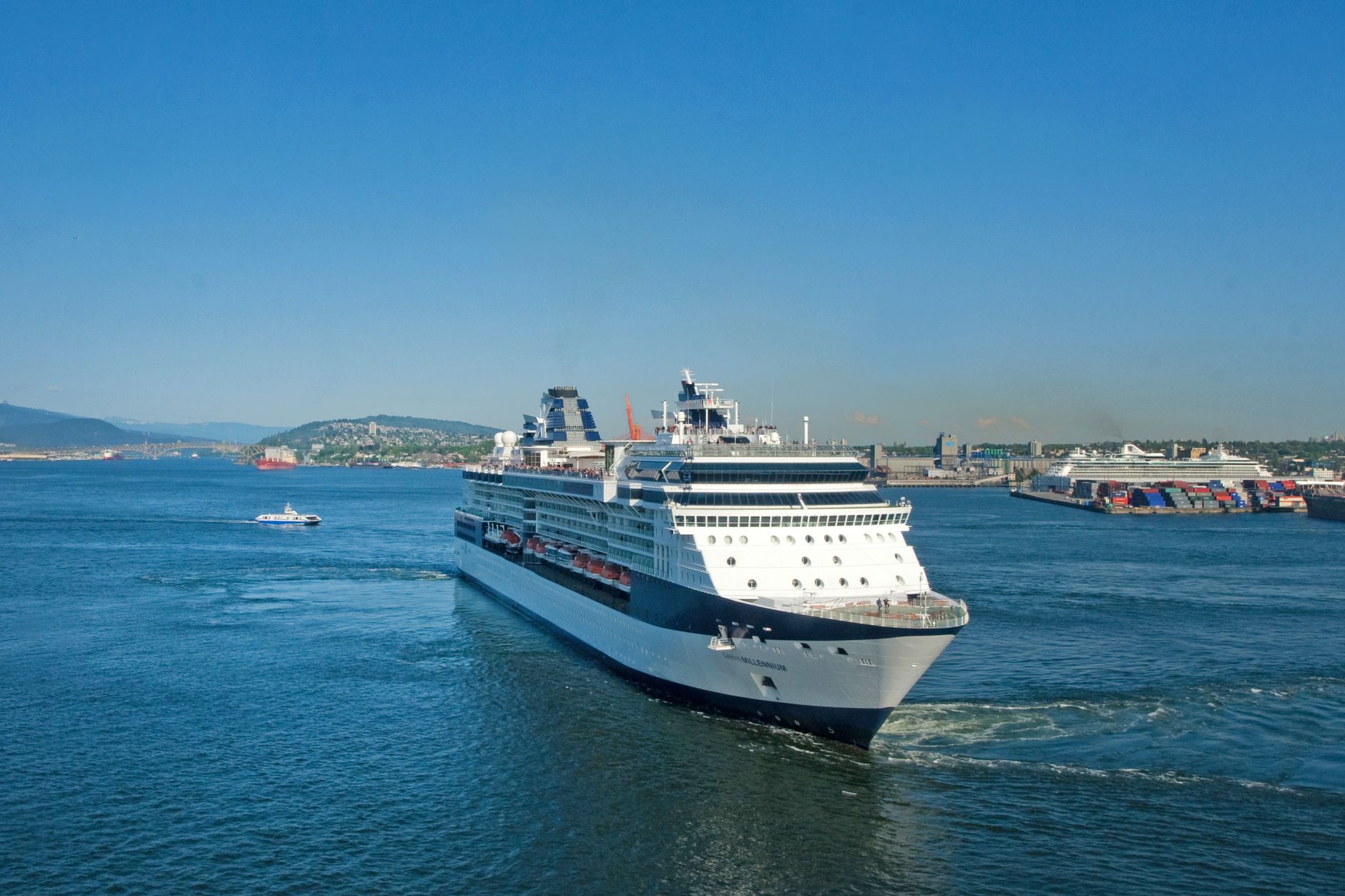
Tired of mega-ships and cookie-cutter tours? I've found the hidden gems! Discover breathtaking destinations that have banned cruise ships and are now *thriving* with authentic charm and vibrant local life. Get ready for your next unforgettable, off-the-beaten-path adventure! ---
The Awakening: Stepping into a Serene Sanctuary
I stepped off the train, and the air was different. It wasn't the exhaust fumes or the cacophony of a thousand selfie sticks. Instead, the scent of salt, brine, and something distinctly floral – perhaps jasmine blooming in a hidden courtyard – filled my lungs. The gentle lapping of water against weathered stone, the murmur of conversations in a language I barely understood but felt deeply, and the sight of laundry strung between ancient buildings like vibrant prayer flags… this was the feeling of a place reclaiming its soul. This was the promise of a destination that had said a firm "no" to the behemoths of the sea, and in doing so, had found its own, more authentic rhythm.
For years, the cruise ship industry has been a double-edged sword. It brings economic activity, yes, but at what cost? The overwhelming influx of visitors can suffocate local culture, overwhelm infrastructure, and leave an indelible mark on fragile ecosystems. But increasingly, a new narrative is emerging. Destinations, once reliant on these floating cities, are charting their own course, banning large cruise ships and, against all odds, thriving. They're embracing sustainable tourism, fostering genuine connections with travelers, and rediscovering the unique magic that made them special in the first place.
The Unseen Ripple Effect: What Happens When the Giants Leave?
It’s easy to imagine a ghost town when you think of a place banning a major industry. But the reality for many of these destinations is far from desolate. It's an evolution, a recalibration. The absence of colossal vessels often means a shift from mass tourism to more mindful, independent travel. Suddenly, those charming trattorias that were always booked solid are accessible again. The narrow alleyways that once felt like a human traffic jam now invite leisurely exploration. Local artisans, no longer competing with mass-produced souvenirs, can focus on quality and tradition.
This isn't just about avoiding problems; it's about cultivating solutions. It's about creating an environment where visitors can truly connect with the destination, not just tick it off a list. And the data, while still emerging, is increasingly showing that this bold move is paying off.
Case Study 1: Venice – Reclaiming the Lagoon's Breath
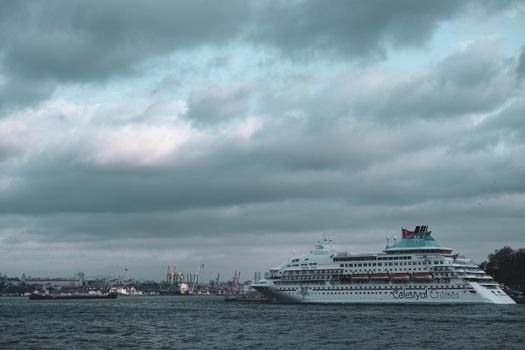
The siren song of Venice is undeniable. Its ethereal beauty, its labyrinthine canals, its rich history – it’s a city that has captured imaginations for centuries. But for years, the majestic silhouette of cruise ships dwarfed the iconic skyline, churning up wake that eroded historic foundations and polluting the delicate lagoon. The decision to ban large cruise ships from docking in the historic center, effective from 2021, was a seismic shift.
The Impact: A Quieter Symphony
Initial fears of economic collapse have largely subsided. While the immediate visual impact was profound – the Grand Canal no longer choked with towering vessels – the long-term benefits are becoming clearer.
- Reduced Environmental Strain: The lagoon is breathing easier. The reduction in wake and emissions has demonstrably improved water quality and lessened the physical damage to the city's ancient foundations.
- Shift to Sustainable Tourism: With fewer day-trippers arriving en masse, there's a greater emphasis on longer stays and more immersive experiences. Travelers are now more likely to explore beyond the St. Mark's Square crowds, discovering quieter sestieri (neighborhoods) and engaging more deeply with local life.
- Economic Diversification: While some businesses catering directly to cruise passengers have adapted or relocated, others are experiencing a resurgence. Small, independent businesses – artisanal mask makers, family-run cicchetti bars, gondola artisans – are finding a renewed appreciation.
Pro-Tip: Instead of rushing through the main attractions, dedicate time to exploring Dorsoduro or Cannaregio. You'll find authentic bacari (wine bars) serving delicious small bites and a more relaxed pace of life. Visit the Libreria Acqua Alta at dawn for a truly magical, crowd-free experience.
Quick Facts: Venice
| Category | Details | | :--------------- | :----------------------------------------------------------------------------- | | Estimated Cost ($) | $$$ (Accommodation, food, activities) | | Best Time to Visit | April-May, September-October (Pleasant weather, fewer crowds than summer) | | How to Get There | Fly into Venice Marco Polo Airport (VCE). Take a water bus (Vaporetto) or water taxi into the city. |
---
Case Study 2: Amsterdam – Steering Towards a Greener Harbor
Amsterdam, with its picturesque canals, world-class museums, and vibrant cycling culture, has long been a darling of European tourism. However, the city has been grappling with the paradox of its popularity. The sheer volume of visitors, including those from large cruise ships, put immense pressure on its historic infrastructure and contributed to a sense of overcrowding. In 2021, the city council voted to ban cruise ships from docking near the city center, aiming to reduce visitor numbers and pollution.
The Shift: From Congestion to Connection
The decision was met with debate, but the underlying motivation was clear: to preserve the city's unique character and improve the quality of life for residents.
- Environmental Improvement: The ban directly addresses air pollution from ship emissions and the impact of large vessels on the city's waterways.
- Focus on Quality Over Quantity: The aim is to attract visitors who are interested in a deeper engagement with Amsterdam's culture, history, and lifestyle, rather than those seeking a fleeting, superficial experience.
- Revitalization of Local Neighborhoods: By reducing the concentrated influx of tourists in the most popular areas, the ban encourages exploration of less-visited neighborhoods, benefiting local businesses and communities.
Pro-Tip: Rent a bike and explore the Jordaan district. Stop at a local market for stroopwafels and strike up a conversation with a vendor. For a truly local experience, visit the Foodhallen for a diverse range of artisanal food stalls in a former tram depot.
Quick Facts: Amsterdam
| Category | Details | | :--------------- | :----------------------------------------------------------------------------- | | Estimated Cost ($) | $$$-$$$$ (Accommodation can be pricey, but food and transport are reasonable) | | Best Time to Visit | April-May (Tulips in bloom), September-October (Autumn colors) | | How to Get There | Fly into Amsterdam Airport Schiphol (AMS). Direct train connections to the city center. |
---
Case Study 3: Dubrovnik – Guarding its Ancient Walls
Dubrovnik, the "Pearl of the Adriatic," famously featured in "Game of Thrones," has long been a magnet for cruise ship tourism. However, the sheer volume of visitors, particularly during peak season, threatened to overwhelm the city's UNESCO World Heritage Old Town. In a landmark decision, Dubrovnik implemented strict limits on the number of cruise ship passengers allowed to enter the city per day, effectively managing and, in some cases, preventing the arrival of excessively large vessels.
The Strategy: Controlled Influx, Elevated Experience
While not a complete ban, Dubrovnik's approach is a sophisticated form of control, prioritizing the preservation of its historic core and the well-being of its residents.
- Preservation of Heritage Sites: Limiting daily arrivals helps to protect the delicate limestone streets and ancient fortifications from excessive foot traffic and wear and tear.
- Enhanced Visitor Experience: Smaller crowds mean a more enjoyable and less rushed experience for all visitors, allowing for better appreciation of the city's beauty and history.
- Support for Local Economy: By managing visitor flow, the city can better support local businesses and ensure that tourism revenue benefits the community directly.
Pro-Tip: Arrive at the Old Town's Pile Gate just after sunrise to experience its magic before the main crowds. Walk the city walls early in the morning or late afternoon. For a stunning, less-crowded view, hike up Mount Srđ for panoramic vistas.
Quick Facts: Dubrovnik
| Category | Details | | :--------------- | :----------------------------------------------------------------------------- | | Estimated Cost ($) | $$$ (Can be expensive, especially in peak season) | | Best Time to Visit | May-June, September-October (Warm weather, fewer crowds) | | How to Get There | Fly into Dubrovnik Airport (DBV). Airport shuttle bus or taxi to the city. |
---
Case Study 4: Palau – A Pristine Paradise Protected
Palau, an archipelago nation in Micronesia, is renowned for its breathtaking marine biodiversity and commitment to environmental conservation. For years, it has implemented forward-thinking policies to protect its natural wonders. While not a complete ban on all vessels, Palau has taken decisive action against large cruise ships that could negatively impact its delicate ecosystems and has actively promoted eco-tourism. The nation's "Palau Pledge," a mandatory visa stamp requiring visitors to promise responsible behavior, is a testament to their commitment.
The Commitment: Marine Majesty Preserved
Palau's approach is a masterclass in prioritizing ecological integrity.
- Marine Ecosystem Protection: Strict regulations on vessel types and sizes, along with protected marine zones, ensure the health of coral reefs, fish populations, and endangered species.
- Promotion of Responsible Tourism: The focus is on high-value, low-impact tourism. Visitors are encouraged to engage in activities like diving, snorkeling, and kayaking in a way that respects the environment.
- Economic Sustainability: By safeguarding its natural capital, Palau ensures long-term economic viability through sustainable tourism that benefits local communities and conservation efforts.
Pro-Tip: Snorkel or dive in the Rock Islands Southern Lagoon, a UNESCO World Heritage site. Visit Jellyfish Lake (check current accessibility) for a unique encounter with stingless jellyfish. Respect all marine life and follow local guidelines rigorously.
Quick Facts: Palau
| Category | Details | | :--------------- | :----------------------------------------------------------------------------- | | Estimated Cost ($) | $$$$ (Remote destination, specialized tours) | | Best Time to Visit | December-April (Dry season, calm seas) | | How to Get There | Fly into Roman Tmetuchl International Airport (ROR) via connections from Guam, Manila, or Taipei. |
---
Beyond the Ban: What "Thriving" Really Means
These destinations aren't just surviving; they're thriving by redefining what success looks like. It's not about the sheer number of visitors, but the quality of their experience and the positive impact they have.
- Authentic Cultural Exchange: When crowds thin, genuine interactions become possible. You can linger in a local café, chat with a shopkeeper about their craft, or witness traditional ceremonies without feeling like an intruder.
- Preservation of Local Identity: The unique character of a place – its architecture, its dialect, its culinary traditions – is better preserved when it's not diluted by mass-market tourism.
- Economic Resilience: While the transition can be challenging, destinations that embrace sustainable tourism often build more resilient local economies, less dependent on the unpredictable fluctuations of mega-cruise ship schedules.
- Environmental Stewardship: The most profound success is often seen in the health of the environment. Cleaner air, clearer waters, and protected natural landscapes are the ultimate indicators of a thriving destination.
The Future of Travel: A Conscious Choice
As travelers, we have a powerful role to play. By choosing destinations that prioritize sustainability and authenticity, we actively contribute to their success. The destinations that have banned cruise ships are leading the way, demonstrating that it's possible to welcome visitors while safeguarding their heritage and natural beauty.
These aren't just places to see; they are places to experience. They offer a chance to step away from the predictable and into the profound, to discover the world not as a spectacle, but as a living, breathing entity. So, where will your conscious journey take you next?
---
More pictures

Tags
Share this guide
We may earn a commission if you click a link and buy a product or service, at no extra cost to you. How affiliate links work.
Been there?