
As a quintessential city dweller, I never imagined the desert could offer more than just sand. But these vast, silent landscapes didn't just change my travel plans; they profoundly reshaped my perspective, offering a life-altering escape from the urban grind and revealing a resilience I never knew I had. ---
From Concrete Jungle to Cosmic Canvas: How Desert Expeditions Transformed My City-Dweller Soul
The incessant hum of the city used to be my lullaby. The glow of skyscrapers, my nightlight. As a self-proclaimed urbanite, my idea of "adventure" involved navigating rush hour traffic or finding a new pop-up café. My life was a meticulously planned Google Calendar, punctuated by deadlines, networking events, and the occasional frantic search for a charging port. I thrived on the chaos, or so I told myself.
But underneath the polished veneer of my city life, a subtle weariness began to set in. The constant noise felt less like a symphony and more like a cacophony. The endless concrete, a suffocating embrace. I found myself staring blankly at my laptop, scrolling through endless feeds, feeling utterly disconnected despite being more "connected" than ever. My soul, a parched landscape, craved something… more. Something raw, real, and utterly devoid of Wi-Fi signals.
And then, almost on a whim, I booked a trip that sounded completely antithetical to everything I knew: a desert expedition. My friends, accustomed to my luxury city breaks, raised eyebrows. "The desert? Are you serious? No boutiques? No artisanal coffee?" they teased. I scoffed, pretending it was just another item to tick off a bucket list. Little did I know, this wasn't just another trip; it was the beginning of a profound, life-altering journey that would rewrite the very definition of "adventure" for my city-dweller heart.
The Call of the Dunes: Why a City Dweller Needs the Desert
What is it about the desert that calls to us, especially those of us accustomed to the relentless pulse of urban life? It's the ultimate paradox. While the city offers convenience, connection, and constant stimulation, the desert offers its antithesis: inconvenience, disconnection, and profound, humbling solitude.
For me, the allure lay in the promise of true escape. Imagine this: no notifications pinging, no sirens wailing, no endless stream of advertising assaulting your senses. Just the whisper of the wind, the crunch of sand beneath your feet, and a sky so vast and star-dusted it feels like a personal IMAX experience. The desert strips away the superficial layers of urban existence, forcing you to confront yourself, unadorned. It's a detox for the soul, a reset button for a mind overloaded with information and expectations.
The sheer scale of the desert is humbling. It reminds you how small you are, how insignificant your daily stresses truly are in the grand scheme of things. This perspective shift is invaluable for anyone feeling trapped in the relentless cycle of city living. It offers clarity, a renewed sense of wonder, and an unshakeable inner peace that follows you long after the sand has been brushed from your shoes.
My First Taste of Sand: The Sahara's Spell (Morocco)
My desert initiation began in the magical Erg Chebbi dunes of the Moroccan Sahara. I flew into Marrakech, a city that pulsates with its own vibrant chaos, and then embarked on a multi-day journey towards Merzouga, the gateway to the dunes. The transition from the bustling souks to the quiet, dusty roads, and finally to the endless expanse of ochre dunes, was like shedding layers of my urban self.
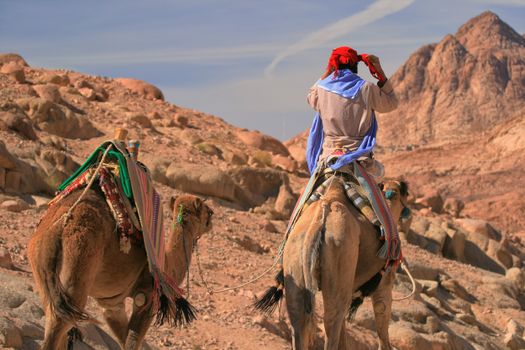
We arrived at a small village, the air thick with the scent of mint tea and spices. My group, a mix of intrepid travelers from around the globe, met our Berber guides. Their eyes, crinkled at the corners from years of squinting at the sun, held a wisdom that instantly put me at ease. Then came the camels – surprisingly graceful creatures that eyed me with what seemed like amused disdain as I awkwardly mounted mine.
The camel trek into the heart of the dunes as the sun began its descent was nothing short of cinematic. The dunes, sculpted by wind, shifted from gold to fiery orange to deep crimson, casting long, dramatic shadows. The only sound was the rhythmic padding of the camels' feet and the occasional gentle murmur of our guides. My phone, once an extension of my hand, was now safely tucked away, forgotten. This was my first true digital detox, and it felt exhilarating.
Our camp was a cluster of traditional Berber tents, surprisingly comfortable, nestled in a natural amphitheater of dunes. The moment the sun dipped below the horizon, plunging the desert into an inky blackness, was when the real magic began. The sky exploded. I’d seen stars before, of course, but nothing like this. The Milky Way stretched across the velvet canvas like spilled glitter, and shooting stars streaked across the sky with breathtaking frequency. I lay on a blanket, utterly speechless, feeling a connection to the universe I’d never experienced in a light-polluted city.
Dinner was a fragrant tagine, cooked over an open fire, followed by storytelling and traditional music around the campfire. The warmth of the fire, the camaraderie, the vastness above – it was profoundly grounding. I slept soundly, something I hadn't done in months, waking to the ethereal glow of a desert sunrise painting the dunes in soft pastels.
Practical Details for the Sahara:
- Location: Erg Chebbi dunes, near Merzouga, Morocco.
- Getting there: Most tours depart from Marrakech or Fes, usually a 2-3 day trip including stops along the way.
- Cost: A 3-day, 2-night Sahara tour from Marrakech can range from $150-$400 USD per person, depending on the level of luxury (basic camp vs. glamping) and inclusions. This typically covers transport, camel trek, accommodation, and meals.
- Best time to visit: Spring (March-May) and Autumn (September-November) for milder temperatures.
- Instagram-worthy moments: Sunset camel treks, star trails over the dunes, sunrise views from your tent.
Beyond the Horizon: Wadi Rum's Martian Landscapes (Jordan)
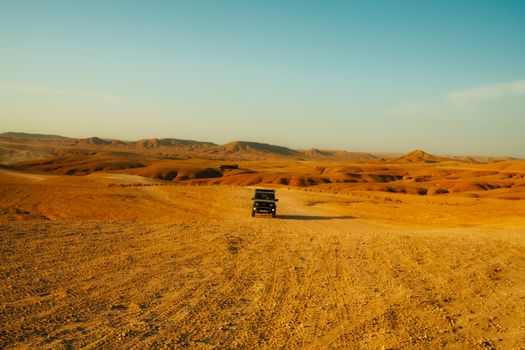
My second desert adventure took me to Wadi Rum in Jordan, a landscape so alien it's affectionately known as "The Valley of the Moon" or even "Mars on Earth." After the rolling dunes of the Sahara, Wadi Rum offered a starkly different, yet equally captivating, experience. Here, massive sandstone mountains and granite rock formations erupted from the desert floor, creating dramatic canyons and vast, open plains.
My journey began in the Bedouin village, where friendly locals, descendants of the ancient nomadic tribes, welcomed me with sweet tea. Instead of camels, the primary mode of transport here is the 4x4 jeep, driven by skilled Bedouin guides who know every hidden nook and cranny of this UNESCO World Heritage site.
We spent days exploring the labyrinthine canyons, scrambling up natural rock bridges, and discovering ancient Nabataean inscriptions etched into the rock faces. The silence here was different from the Sahara – it was a silence punctuated by the wind whistling through natural arches and the distant call of a goat. It felt like stepping into an epic adventure movie, and indeed, many Hollywood blockbusters like The Martian and Dune have filmed here.
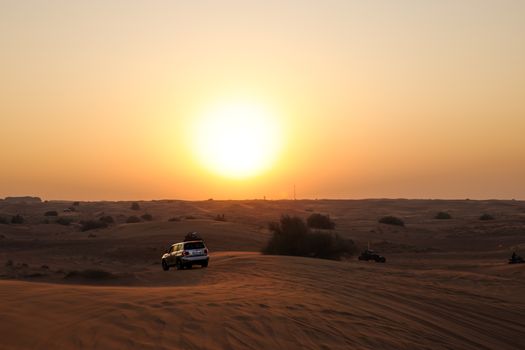
One evening, my guide took me to a secluded spot for sunset. We climbed a small rock outcrop, and as the sun dipped, it painted the towering rock formations in shades of burnt orange, deep red, and purple. The sheer scale and raw beauty of it left me breathless. It was a reminder of nature's incredible artistry, a stark contrast to the meticulously designed urban landscapes I was used to.
I stayed in a Bedouin camp, but this time, I opted for one of the "Martian bubble tents" – geodesic domes with transparent roofs. Lying in bed, watching the desert sky unfold above me, was an experience I'll never forget. It felt like sleeping under a planetarium dome, except it was real, raw, and utterly magnificent. The Bedouin hospitality was incredible; their simple yet profound connection to the land was inspiring.
Practical Details for Wadi Rum:
- Location: Southern Jordan, easily accessible from Aqaba or Petra.
- Getting there: Most visitors arrange tours from local operators in Wadi Rum village or as part of a larger Jordan itinerary.
- Cost: A 1-night, 2-day jeep tour and camp stay can range from $70-$200 USD, depending on the camp's luxury (traditional vs. Martian tents) and tour inclusions.
- Best time to visit: Spring (March-May) and Autumn (September-November). Avoid peak summer heat.
- Instagram-worthy moments: Jeep safaris through towering canyons, climbing natural rock bridges, panoramic sunset views, sleeping in a Martian bubble tent.
The Extreme & The Spiritual: Atacama's Otherworldly Beauty (Chile)
My most challenging and perhaps most transformative desert expedition took me to the Atacama Desert in Chile, one of the driest places on Earth. This high-altitude desert (San Pedro de Atacama sits at around 2,400 meters or 8,000 feet) is a geological wonderland, a place where the extreme forces of nature have sculpted a landscape of unparalleled beauty and scientific intrigue.
San Pedro de Atacama, a dusty, charming oasis town, became my base. From here, I embarked on excursions that felt like venturing to another planet. The Valle de la Luna (Moon Valley) and Valle de Marte (Mars Valley) lived up to their names with their surreal, undulating dunes and salt formations. Watching the sunset here, the landscape changing colors minute by minute, was a spiritual experience.
The El Tatio Geysers, located at a staggering 4,320 meters (14,170 feet), required a pre-dawn start and battling freezing temperatures. But witnessing the steam plumes erupting from the earth as the sun rose, painting the sky in fiery hues, was utterly breathtaking. It was a stark reminder of the raw power beneath our feet. Altitude sickness was a real concern here, but slow movements and plenty of coca tea helped.
But the real star of the Atacama, for me, was the night sky. With virtually no light pollution, high altitude, and incredibly dry air, the Atacama is considered one of the best places on Earth for stargazing. I joined a dedicated astronomical tour, complete with powerful telescopes. Seeing Saturn’s rings, Jupiter’s moons, and distant galaxies with such clarity was profoundly humbling. It put my city stresses into a cosmic perspective, making them feel utterly trivial.
The Atacama pushed my physical and mental limits. The altitude, the dryness, the vastness – it demanded respect and resilience. But in pushing those boundaries, I discovered an inner strength I never knew I possessed. It taught me patience, adaptability, and an even deeper appreciation for the planet's incredible diversity.
Practical Details for Atacama:
- Location: Northern Chile, gateway town is San Pedro de Atacama.
- Getting there: Fly to Calama (CJC), then take a shuttle or bus to San Pedro (approx. 1.5 hours).
- Cost: Excursions typically range from $20-$100 USD per tour (e.g., Moon Valley, El Tatio, stargazing). Accommodation in San Pedro can range from $30 (hostel) to $300+ (luxury hotels) per night.
- Best time to visit: Year-round, but shoulder seasons (March-May, September-November) offer pleasant weather. Be prepared for cold mornings at high altitudes.
- Altitude Sickness: Acclimatize slowly, stay hydrated, avoid alcohol, and consider coca tea. Consult a doctor before traveling if you have health concerns.
- Instagram-worthy moments: Moon Valley sunsets, El Tatio geysers at sunrise, crystal-clear Milky Way shots, vast salt flats.
Practicalities for the Urban Explorer: Planning Your Desert Escape
Ready to swap skyscrapers for starry skies? Here are my essential tips for city dwellers venturing into the desert:
- Pack Smart & Layer Up: Deserts are masters of extremes. Days can be scorching, nights freezing.
- Clothing: Lightweight, breathable fabrics (cotton, linen) for day. Long sleeves and pants protect from sun and sand. Warm layers (fleece, down jacket) for nights.
- Footwear: Sturdy, comfortable hiking shoes for walking on uneven terrain. Sandals or flip-flops for camp.
- Sun Protection: Wide-brimmed hat, sunglasses, high SPF sunscreen. A shemagh or scarf is invaluable for sun and dust protection.
- Hydration: Reusable water bottle is a must. Many camps provide filtered water.
- First Aid: Basic kit with pain relievers, blister plasters, rehydration salts, and any personal medications.
- Essentials: Headlamp/flashlight (essential for camp!), power bank for charging devices (electricity can be scarce), camera with extra batteries.
- Choose Your Operator Wisely: Research reputable tour companies that prioritize safety, ethical tourism, and sustainable practices. Read reviews, ask about group sizes, and ensure guides are local and knowledgeable. Support local communities whenever possible.
- Embrace the Digital Detox: This is crucial for the full transformative experience. Inform work and family you'll be off-grid. Use your phone sparingly, mainly for photos. Let go of the need to constantly check emails or social media.
- Respect Local Culture & Environment: Deserts are home to ancient cultures and fragile ecosystems.
- Dress modestly, especially when visiting villages or religious sites.
- Always ask permission before photographing people.
- Leave no trace: pack out everything you pack in. Stick to designated paths.
- Learn a few basic phrases in the local language (e.g., "Shukran" for thank you in Arabic).
- Stay Hydrated & Listen to Your Body: Dehydration is a real risk. Drink water constantly, even if you don't feel thirsty. If you're going to high-altitude deserts like Atacama, take acclimatization seriously.
- Budgeting: Desert expeditions can range from budget-friendly ($50-$100/day for basic tours) to luxurious glamping experiences ($300-$1000+/day). Factor in transport to the desert gateway, tour costs, tips for guides, and any personal spending.
- Photography Tips: The desert is a photographer's dream.
- Golden Hour: Sunrises and sunsets offer incredible light and long shadows.
- Night Sky: Use a tripod and manual settings for stunning star photography.
- Protect Your Gear: Sand and dust are notorious camera killers. Use lens covers, dust bags, and avoid changing lenses in windy conditions.
The Unseen Transformation: How the Desert Changed Me
Returning to the city after each desert expedition felt like a strange re-entry. The noise, the crowds, the relentless pace – it all hit differently. But something fundamental had shifted within me.
I found myself craving silence, even if it was just 15 minutes of quiet meditation amidst the city's hustle. I started appreciating the vastness of the sky above, even if it was partially obscured by buildings. My perspective on problems had widened; trivial anxieties seemed less daunting when compared to the vastness of the Sahara or the extreme conditions of the Atacama.
The desert taught me resilience. It taught me to adapt, to find comfort in discomfort, and to trust in the unknown. It showed me the beauty of simplicity – a warm fire, a shared meal, a sky full of stars. It nurtured a deeper connection to nature and a profound sense of gratitude.
I learned that true adventure isn't just about ticking off destinations; it's about stepping outside your comfort zone, embracing the unfamiliar, and allowing yourself to be transformed by the experience. The desert stripped away my urban anxieties and revealed a stronger, more grounded version of myself. It didn't just change my travel habits; it changed my life forever.
So, if you're a city dweller feeling that familiar ache for something more, something wild and untamed, I urge you: answer the call of the dunes. Let the desert's vastness humble you, its silence heal you, and its beauty inspire you. You might just find that the most profound journey you ever take is the one that leads you away from everything you know, into the heart of the sand.
---
More pictures


Tags
Share this guide
We may earn a commission if you click a link and buy a product or service, at no extra cost to you. How affiliate links work.
Been there?