
Tired of the concrete jungle and predictable tourist trails? Imagine a desert so vast, so silent, it feels like a secret whispered only to you. This isn't about crowded dune bashing; it's about uncovering the soul of the desert, on expeditions so authentic, even locals wish they could keep them just for themselves.
The city hums, a relentless symphony of ambition and rush. For years, it was my world – the endless deadlines, the flickering screens, the perpetual quest for the next big thing. My idea of an "escape" usually involved another bustling metropolis, perhaps with slightly better food. The desert? I pictured crowded camel rides, aggressive touts, and tourist traps selling overpriced souvenirs. I craved something deeper, something that would truly unplug me, but I didn't know where to find it.
Then, a chance encounter during a particularly gruelling week changed everything. A friend of a friend, a quiet soul who seemed to carry the desert’s calm within him, spoke of places where the stars painted the sky so vividly it felt like you could reach out and touch them. Places where the silence was so profound, you could hear your own thoughts for the first time in years. He spoke of a desert that locals knew, cherished, and somewhat guarded from the tourist gaze – not out of malice, but out of a desire to preserve its raw, untouched magic.
This wasn't about finding a "secret spot" to exploit, but about discovering an approach to desert travel that prioritised authenticity, respect, and deep immersion. It was about understanding that true adventure isn't found on a well-worn path, but by seeking out experiences that resonate with the land and its people. And let me tell you, what I found was nothing short of transformative.
This is your guide to unlocking those very experiences. Forget the crowded quad bikes and the staged dinners. We're talking about genuine desert expeditions for city dwellers, the kind of soul-stirring journeys that locals know and hope you'll discover with respect and an open heart.
Beyond the Beaten Path: Why Authenticity Matters in the Desert
My first "desert experience" was in a popular tourist hub. It involved a rushed camel ride, a mediocre buffet, and a 'cultural show' that felt more like a Broadway production than an authentic experience. I left feeling drained, not rejuvenated. It was then I understood: true desert immersion isn't about ticking boxes; it's about connection.
The desert, in its purest form, is a place of profound silence, ancient wisdom, and breathtaking beauty. When mass tourism descends, it often erodes these very qualities. Locals, who have lived in harmony with these landscapes for generations, know the difference. They know the quiet corners, the hidden springs, the best spots for stargazing away from light pollution, the families who still practice traditional crafts. They often keep these to themselves, not to be exclusionary, but to protect the integrity of their culture and environment.
Why seek authenticity?
- Deeper Connection: You connect with the land, its history, and its people on a more profound level.
- Unique Experiences: You encounter moments few tourists ever will – a shared cup of tea with a nomadic family, stumbling upon ancient rock art, witnessing a rare desert fox.
- Sustainable Travel: By choosing local, ethical operators, you contribute directly to the well-being of the communities and the preservation of the environment.
- Personal Transformation: The desert's vastness and silence have a way of putting life into perspective, fostering introspection and clarity.
This isn't just a trip; it's an education, an adventure, and a personal pilgrimage all rolled into one.
The Art of Uncovering Hidden Oases (and Experiences)
So, how do you find these elusive, authentic desert experiences without being intrusive? It's a blend of research, intuition, and trust.
- Seek Out Local Guides & Small Operators: This is paramount. Large tour companies often have fixed itineraries designed for volume. Small, local, family-run operations, however, are your gateway. They know the land intimately, have relationships with local communities, and are often passionate about sharing their culture responsibly.
- How to find them: Look for recommendations in niche travel forums, sustainable travel blogs, or local community websites. Avoid the first page of Google for generic searches; dig deeper. Sometimes, the best guides are found through word-of-mouth once you arrive in a gateway city.
- Ask specific questions: Inquire about their philosophy on sustainable tourism, how they support local communities, and the size of their groups. A good sign is when they talk about "leaving no trace" or cultural exchange.
- Focus on Eco-Lodges and Traditional Camps: Ditch the luxury resorts that feel transplanted from another world. Look for eco-lodges or traditional Bedouin/Tuareg camps that blend seamlessly into the environment. These are often run by local families, use sustainable practices (solar power, water conservation), and offer genuine cultural immersion.
- Example: In Jordan's Wadi Rum, instead of the large, flashy bubble tents, seek out smaller, family-run camps deeper within the protected area, often accessible only by 4x4 with a local guide. In Morocco, look for guesthouses on the edge of the Erg Chegaga dunes, rather than the more popular Erg Chebbi, and explore beyond the main camp areas.
- Embrace Slow Travel: Don't rush. A true desert expedition isn't about speed; it's about soaking it all in. Opt for multi-day treks (camel or hiking), allowing yourself to truly disconnect and adapt to the desert's rhythm.
- My Experience: I once spent five days trekking through a less-visited part of the Moroccan Sahara. Each day, we'd walk for hours, the only sound being the crunch of sand beneath my boots and the occasional whisper of the wind. We'd camp under the stars, cook over an open fire, and share stories with our Berber guides. It was slow, challenging, and utterly liberating.
- Learn a Few Local Phrases: A simple "Salam alaikum" (peace be upon you) or "Shukran" (thank you) can open doors and hearts. It shows respect and willingness to engage.
Your Desert Toolkit: Essential Gear & Mindset
The desert is beautiful, but it demands respect and preparation. This isn't a casual stroll; it's an expedition.
Practical Gear:
- Layered Clothing: Days are hot, nights are cold. Think breathable linen/cotton for day, warm fleece/down jacket for night.
- Sturdy Walking Shoes/Boots: Crucial for comfort and protection against sharp rocks or thorns.
- Wide-brimmed Hat & Sunglasses: Non-negotiable for sun protection.
- High-SPF Sunscreen & Lip Balm: Protect your skin from intense sun and wind.
- Reusable Water Bottle: Stay hydrated and reduce plastic waste. Many guides will have large water containers to refill.
- Headlamp or Flashlight: For navigating camp at night.
- Small Backpack: For daily essentials.
- Camera Gear: The desert light is incredible. Bring extra batteries – no charging points out there!
- Basic First-Aid Kit: Band-aids, antiseptic wipes, pain relievers, blister treatment.
- Portable Charger/Power Bank: For your phone (emergencies, photos) or other small electronics.
- Wet Wipes & Hand Sanitizer: Showers might be scarce.
Mindset:
- Embrace the Silence: It can be unsettling at first for city dwellers, but it's where the magic happens.
- Be Open to the Unexpected: Plans can change in the desert. Flexibility is key.
- Respect Local Customs: Dress modestly, especially when interacting with communities. Ask permission before taking photos of people.
- Leave No Trace: Pack out everything you pack in. Do not disturb flora or fauna.
Adventures Beyond the Horizon: What to Expect
Once you've found your authentic guide and prepared your gear, what kinds of experiences await?
- Stargazing Like Never Before: This is a highlight. Far from city lights, the desert sky explodes with stars, the Milky Way a visible river of light. Many guides are adept at pointing out constellations and sharing local astronomical lore. I remember lying on my back in the Moroccan Sahara, watching shooting stars streak across the inky blackness, feeling utterly insignificant yet profoundly connected to the universe. It was a moment etched forever in my memory.
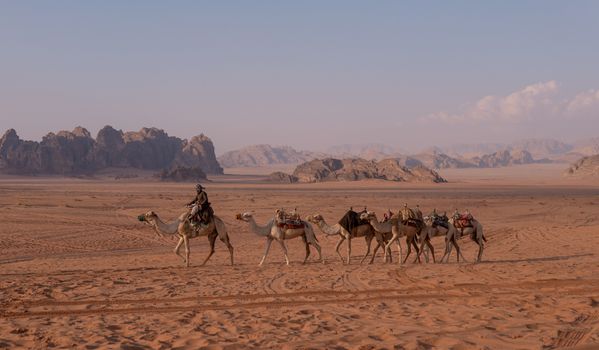
- Camel Treks & Hiking: Experience the desert at a slower pace. The rhythmic sway of a camel or the meditative crunch of sand underfoot allows you to truly absorb the vastness.
- Cultural Immersion: Share meals cooked over open fires, learn about traditional music and storytelling, perhaps even visit a nomadic family and share a cup of tea. These interactions are where the true heart of the desert reveals itself.
- Wildlife Spotting: Though often elusive, the desert is home to incredible creatures – fennec foxes, gazelles, various bird species, and fascinating reptiles. A knowledgeable local guide will know where and when to spot them without disturbance.
- Ancient Wonders: Many deserts hold secrets of ancient civilizations – petroglyphs, ruins, and fossil beds. Discovering these hidden treasures away from crowded sites feels like stepping back in time.
- Sandboarding: A thrilling, eco-friendly alternative to motorised activities. Find a steep dune and slide down, feeling the rush of wind and sand.
- Photography: The ever-changing light, the endless textures of sand and rock, the dramatic sunsets and sunrises – the desert is a photographer's dream.
Ethical Explorations: Supporting Local Communities
The "locals don't want tourists to know" sentiment often stems from a desire to protect their way of life and environment from the negative impacts of tourism. By choosing ethical travel, you become a welcome guest, not an intrusive visitor.
- Hire Local Guides Directly: This ensures your money goes directly into the local economy, supporting families and preserving traditional knowledge.
- Stay in Locally-Owned Accommodations: Prioritise small, family-run guesthouses or traditional camps over international chains.
- Buy Local Crafts (Fairly): If you purchase souvenirs, buy directly from artisans or cooperatives. Haggle respectfully, but remember that these are often livelihoods.
- Respect Resources: Water is precious in the desert. Be mindful of your consumption. Follow all environmental guidelines.
- Engage Respectfully: Learn about the local culture before you go. Be curious, ask questions respectfully, and listen more than you speak. Your presence should be a positive exchange.
Real-Life Escapes: My Journey to Oman's Wahiba Sands
One of my most cherished desert expeditions took me to the lesser-explored edges of Oman's Wahiba Sands. Instead of booking a generic tour from Muscat, I reached out to a small, family-run Bedouin camp I'd found through an online forum focused on responsible travel. My guide, Salim, met me at a small village on the desert's edge, his weathered face etched with the wisdom of generations spent under the sun.
For three days, we traversed dunes that stretched like endless ochre waves. Salim taught me how to read the tracks of desert creatures, identify medicinal plants, and even bake bread in the sand, a technique passed down through his family. We visited his family's winter camp, sharing strong, cardamom-infused coffee and stories under a makeshift tent. His grandmother, with eyes that held centuries of desert history, showed me how she weaves intricate patterns into camel bags.
One evening, Salim led me to a high dune, far from any camp. As the sun dipped below the horizon, painting the sky in fiery hues of orange and purple, the silence descended, profound and absolute. Later, under a blanket of stars so dense it felt like velvet, he pointed out constellations, weaving them into ancient Bedouin tales. There was no Wi-Fi, no phone signal, just the crackle of our small campfire and the infinite expanse above. I felt a sense of peace and clarity I hadn't experienced in years. It wasn't about what I did there, but about what I felt and learned. It was a journey into the heart of the desert, and ultimately, into myself.
Cost Breakdown (Example for a 3-5 day expedition):
- Local Guide/Operator: $150-$300 per day (can vary greatly based on region, duration, inclusions, and group size). This often includes a 4x4, food, water, and camping gear.
- Accommodation (Eco-lodge/Traditional Camp): $50-$200 per night (if not camping, or for more comfortable tented camps).
- Transport to Gateway City: Varies depending on origin (flights, buses).
- Miscellaneous: Tips for guides, personal snacks, souvenirs.
- Total Estimated Budget (3-5 days): $500 - $1500+ per person, depending on the level of luxury and the specific region. Booking directly with local guides often provides better value and ensures more money stays local.
Planning Your Escape: Logistics & Booking Tips
Ready to embark on your own authentic desert adventure?
- Choose Your Desert Wisely:
- Moroccan Sahara (Erg Chegaga/Chebbi): Famous for stunning dunes, Berber culture. Focus on Chegaga for a less touristy feel.
- Jordanian Wadi Rum: Dramatic sandstone mountains, Bedouin heritage, excellent stargazing. Seek out smaller camps deeper in the protected area.
- Oman (Wahiba Sands): Authentic Bedouin experiences, vast dunes, less developed tourism infrastructure.
- Atacama Desert, Chile: Unique lunar landscapes, geysers, high-altitude lagoons. More developed but still offers off-the-beaten-path options.
- Namib Desert, Namibia: Towering red dunes, unique wildlife, Skeleton Coast. Can be more logistically complex.
- Best Time to Visit: Avoid peak summer (June-August) when temperatures are extreme. Spring (March-May) and Autumn (September-November) offer pleasant daytime temperatures and cool nights. Winter (December-February) can be chilly, especially at night, but often has clear skies.
- Book in Advance (but not too far): Once you've identified a reputable local guide or small operator, book a few months in advance, especially if you're traveling during peak shoulder seasons. But be wary of booking too far out with unknown entities; a good rapport and clear communication are key.
- Confirm Inclusions: Ensure your booking clearly states what's included (transport, meals, water, guide fees, equipment, permits).
- Travel Insurance: Always get comprehensive travel insurance that covers emergency medical evacuation, especially for remote adventures.
The desert calls to a primal part of us, a yearning for simplicity, silence, and connection. It’s a place that strips away the superficial and reveals the essential. These are the desert expeditions city dwellers crave, the ones that locals know hold the true magic, and with the right approach, you can experience them too. They are not just trips; they are journeys of self-discovery, etched into the vast, timeless canvas of sand and sky.
What's your desert dream? Share your thoughts in the comments below! And don't forget to tag @Tripsora and use #HiddenDesertGems when you embark on your own authentic escape!
---
More pictures



Tags
Share this guide
We may earn a commission if you click a link and buy a product or service, at no extra cost to you. How affiliate links work.
Been there?