
Ever dreamt of bypassing those soul-crushing border queues? We're spilling the beans on little-known customs tricks and smart strategies that pro travelers use to breeze through immigration, saving precious hours (and sanity!). Get ready to unlock faster border crossings and reclaim your vacation time. ---
Customs Tricks That Save Hours at Borders Before They Become Mainstream
Picture this: You’ve just landed after a long-haul flight, the excitement of your destination bubbling over. You disembark, stretch your weary legs, and then… you see it. The serpentine queue at immigration, snaking through the terminal like a forgotten river. It’s a scene that’s enough to deflate even the most seasoned traveler, turning anticipation into exasperation. I've been there, countless times. I once missed a crucial connecting flight in Atlanta because a two-hour customs line decided to play hard to get. Two hours! I almost wept right there amidst a sea of equally frustrated faces.
But what if I told you there's a different way? What if there were a series of whispers, a secret handshake, a backdoor entrance that could make those lines disappear, or at least shrink to a manageable ripple? Over years of globe-trotting, I’ve collected an arsenal of customs tricks – some official, some strategic, all designed to shave hours off your border crossing experience. These aren't just "tips"; they're game-changers, often overlooked until they become so popular that the lines start to form there too. So, let’s dive in, because your next trip deserves to start with a sprint, not a crawl.
1. The Digital Fast Lane: E-Gates & Pre-Registration Secrets
This is perhaps the most widespread yet underutilized trick in the book, especially for those with eligible passports. E-gates, or automated border control systems, are popping up in major airports worldwide, allowing eligible travelers to scan their passports, get their photo taken, and be on their way in minutes.
How it works: These self-service kiosks use facial recognition and passport chip data to verify your identity. If your passport is biometric (which most modern passports are) and you're from a country with an agreement, you could be sailing through while others are still filling out paper forms.
Specifics & Anecdote: My first experience with a UK e-gate at London Heathrow was transformative. I watched a hundred people merge into the 'All Passports' line, while I, with my shiny biometric passport, walked straight to an e-gate. Scan, photo, green light, whoosh. I was through in less than 60 seconds, bags practically still on the carousel. The sheer smug satisfaction of watching that long line from the other side was immeasurable.
Actionable Advice:
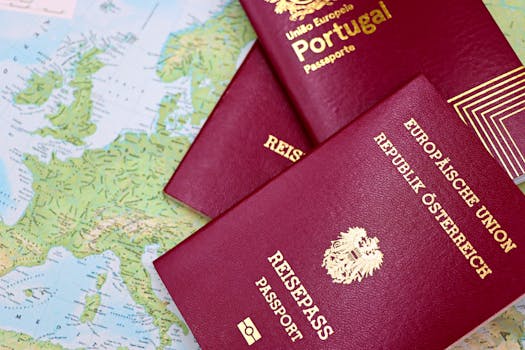
- Check your passport: Ensure it’s biometric (look for the small camera icon at the bottom of the front cover).
- Research your destination: Before you fly, check the official immigration website of your destination country to see if they offer e-gate services for your nationality. Countries like the UK, Australia (SmartGate), New Zealand, the US (for certain citizens), Japan, and many EU nations extensively use them.
- Pre-register where possible: For countries like the US, an ESTA is required for visa-waiver program countries, and processing this online before you fly not only makes you eligible for e-gates (sometimes) but also streamlines the entire process. Similarly, Canada's eTA functions in much the same way.
2. The "Trusted Traveler" Advantage: Beyond Global Entry
This is where the real time-saving magic happens, especially for frequent flyers. While programs like Global Entry are gaining traction, many travelers still don't realize how accessible and beneficial they are.
Global Entry (USA): For US citizens and a growing list of foreign nationals (including citizens of Canada, Mexico, the UK, Germany, Netherlands, Panama, South Korea, Singapore, Colombia, India, Argentina, and Switzerland), Global Entry is a godsend. For a non-refundable fee of $100 (valid for 5 years), you get expedited clearance upon arrival in the US. Instead of waiting in the general line, you head to a kiosk, scan your passport, provide fingerprints, and answer a few questions. The average wait? Less than 5 minutes.
Other Programs:
- NEXUS (US-Canada): If you frequently cross the US-Canada border by land, air, or sea, NEXUS is your golden ticket. For $50 for 5 years, it offers expedited processing, often allowing you to bypass queues entirely. My drive from Vancouver to Seattle used to involve a 1-2 hour wait at the Peace Arch border crossing. With NEXUS? Ten minutes, max. It’s like having a VIP lane just for you.
- SENTRI (US-Mexico): Similar to NEXUS, SENTRI facilitates expedited entry into the US from Mexico via dedicated lanes.
- APEC Business Travel Card (ABTC): While primarily for business travelers, if you qualify, this card provides expedited entry into APEC participating economies (much of Asia-Pacific). This is a serious time-saver in some of the world's busiest airports.
Actionable Advice:
- Apply early: The application process involves an online application, background check, and an in-person interview. It can take several months, so don't wait until the last minute.
- Check eligibility: Verify if your nationality is eligible for Global Entry or other programs.
- Consider the cost vs. benefit: $100 for 5 years of saved hours (and stress) is a small price to pay for frequent international travelers.
3. The Art of the "Smart Connection": Airport Layout & Transit Visas
Sometimes, the trick isn't how you enter a country, but where you enter it, and how you plan your connections.
Airport Efficiency: Not all airports are created equal when it comes to customs processing. Some airports are renowned for their efficiency, while others are notorious for bottlenecks.
- Singapore Changi (SIN): A perennial favorite, Changi is a masterclass in efficiency, with well-staffed immigration counters and clear signage.
- Amsterdam Schiphol (AMS): Another highly efficient hub, particularly for EU citizens with e-gates.
- Smaller US Ports of Entry: While major hubs like JFK, LAX, and Chicago O'Hare can be swamped, sometimes flying into a smaller international airport (e.g., Portland, Seattle, Denver, Charlotte) for your first point of entry into the US can mean significantly shorter customs lines, even if it adds a domestic leg to your journey.
Transit Visas vs. Entry Visas: This is a subtle but crucial distinction. If you're merely transiting through a country on your way to another, you might not need to clear full customs and immigration, provided you stay within the international transit zone.
- Anecdote: I once had a layover in Dubai (DXB) en route to Southeast Asia. I initially panicked about needing a UAE visa, but a quick check confirmed that as long as my connection was within a certain timeframe and I didn't leave the transit area, I was fine. I sailed directly to my next gate, bypassing the immigration hall entirely. Had I booked a longer layover intending to explore the city, I would have needed a visa and gone through customs.
Actionable Advice:
- Research your first port of entry: If flying into a large country like the US, consider if a less busy international airport might be a smarter initial entry point, even if it adds a domestic flight to your final destination.
- Understand transit rules: Always verify transit visa requirements and transit zone rules for layovers, especially if you have a tight connection or a very long one. Some countries require a transit visa even if you don't leave the airport.
4. The Off-Peak Pounce: Timing is Everything
This is less about official programs and more about strategic planning. Just like avoiding rush hour traffic, you can often mitigate border queues by choosing your arrival time wisely.
Peak Hours: Customs lines are typically longest when multiple long-haul flights arrive simultaneously. This often means mid-morning to late afternoon for international arrivals.
- Early Birds & Night Owls: Arriving very early in the morning (e.g., 5-7 AM) or late at night (e.g., after 10 PM) can significantly reduce your wait time. Customs officers might be less busy, and fewer flights are scheduled.
- Mid-Week Magic: If your travel plans are flexible, arriving on a Tuesday, Wednesday, or Thursday can often be less hectic than a Friday, Saturday, or Sunday.
Anecdote: I deliberately booked a flight into JFK that arrived at 3 AM from South America. While it meant a rather bizarre sleep schedule on the plane, the customs hall was practically deserted. I was through in under 15 minutes, collected my bag, and was in a cab before the sun even thought about rising. Compare that to a 3 PM arrival I once had, which involved a 90-minute wait and a lot of shuffling. The difference was night and day (literally!).
Actionable Advice:
- Use flight tracking apps: Apps like FlightAware or FlightStats can show you real-time arrival data for airports, allowing you to see when major banks of international flights are scheduled.
- Check airport websites: Some airport websites provide estimated customs wait times, which can be a valuable planning tool.
- Flexibility is key: If you have the luxury of choosing your flight times, prioritize off-peak arrivals.
5. Documentation Domination: Paperwork & App Prep
This might seem basic, but being meticulously prepared with your documents can save crucial minutes and prevent headaches, especially if you're traveling with family or to a country with strict entry requirements.
Digital Declaration Apps: The US, for example, offers the Mobile Passport Control (MPC) app. Available for eligible US citizens and Canadian visitors, this free app allows you to submit your passport and customs declaration information before you even get to the customs hall. You then proceed to a dedicated MPC lane, show your receipt from the app, and often bypass the main queue entirely.
Anecdote: My last trip to the US, I saw families frantically filling out declaration cards on clipboards, holding up lines. I, having already submitted my MPC declaration while waiting for my bag, simply walked to the MPC lane, flashed my phone screen to the officer, and was waved through. It felt like I had a backstage pass to the airport.
Actionable Advice:
- Download relevant apps: Research if your destination country offers any mobile declaration or fast-track apps (e.g., ArriveCAN for Canada, specific health declaration apps for various countries).
- Organize physical documents: Keep your passport, visa (if applicable), flight itinerary, hotel bookings, and any other required documents (e.g., return ticket proof, invitation letters) in a easily accessible folder or pouch. Don't bury them at the bottom of your carry-on.
- Fill forms proactively: If paper forms are still required, ask for them on the plane and fill them out completely and accurately before landing. Have a pen handy!
6. Leveraging Dual Citizenship & Resident Status
For those fortunate enough to hold multiple passports or have resident status in a foreign country, this is a legitimate, often underutilized advantage.
Dual Citizenship: If you are a citizen of two countries, always use the passport of the country you are entering if you hold citizenship there. Many countries have dedicated "Citizens" or "Residents" lanes that are almost always faster than "All Passports" or "Foreign Visitors" lanes.
- Example: If you are a dual US-German citizen flying into Frankfurt, use your German passport. If flying into New York, use your US passport.
Resident Status: Similarly, if you have a legitimate residency permit (e.g., an EU Blue Card, a Green Card for the US, a UK Indefinite Leave to Remain) for a country, you can often use dedicated resident lanes, which are typically less crowded.
Anecdote: As a dual citizen, I've experienced the stark difference. Landing in various European cities, I used my EU passport and breezed through the "EU Citizens" lane, often empty, while the "All Passports" queue stretched out of sight. It’s not a trick, it’s simply utilizing your legal status to its full advantage.
Actionable Advice:
- Know your rights: Understand which passport to present at which border. Generally, you should enter and exit a country using the same passport if you are a citizen of that country.
- Have proof ready: If using a resident status, have your physical residence card or visa readily available with your passport.
7. The Unwritten Rules: Demeanor & Dress Code
While not officially listed, how you present yourself can subtly influence your border crossing experience. This isn't about being fancy, but about appearing confident, respectful, and non-suspicious.
Demeanor:
- Be polite and calm: A smile, a clear "hello," and a confident posture go a long way.
- Be honest and concise: Answer questions truthfully and directly. Don't volunteer unnecessary information or ramble. "Business or pleasure?" "Pleasure." That's usually enough.
- Maintain eye contact: It shows confidence and honesty.
Dress Code: While there's no official dress code for customs, looking reasonably "put together" can sometimes help. This doesn't mean a suit and tie, but avoiding overly disheveled appearances, highly provocative clothing, or anything that might draw undue attention. It's about blending in and looking like a legitimate, non-problematic traveler.
Anecdote: I once witnessed a traveler, visibly flustered, disheveled after a long flight, and unable to clearly articulate his purpose of visit. The officer, while professional, clearly spent more time questioning him. In contrast, I've seen officers wave through a well-composed traveler with minimal questioning. It's subtle, but presentation matters.
Actionable Advice:
- Pack an "arrival outfit": Even if you've been on a long flight, a fresh shirt or a quick tidy-up before landing can make a difference.
- Practice your answers: Know your flight details, hotel address, and purpose of visit cold.
Conquer the Border, Reclaim Your Trip!
The days of passively accepting endless border queues are over. With these customs tricks and smart strategies, you're not just saving time; you're reclaiming your precious travel moments, starting your adventure on a high note instead of a stressful one. Imagine snapping that first "I've arrived!" selfie while others are still inching forward, their frustration palpable. That's the power of smart travel.
These methods aren't magic, but they feel pretty close. They require a little proactive planning and research, but the payoff – hours saved, stress avoided – is immeasurable. So, next time you're planning an international journey, don't just book your flight and hotel. Equip yourself with these border hacks, and travel smarter, not harder.
What are your go-to border-busting tricks? Share them in the comments below! And don't forget to sign up for the Tripsora newsletter for more insider travel secrets delivered straight to your inbox!
---
More pictures

Tags
Share this guide
We may earn a commission if you click a link and buy a product or service, at no extra cost to you. How affiliate links work.
Been there?