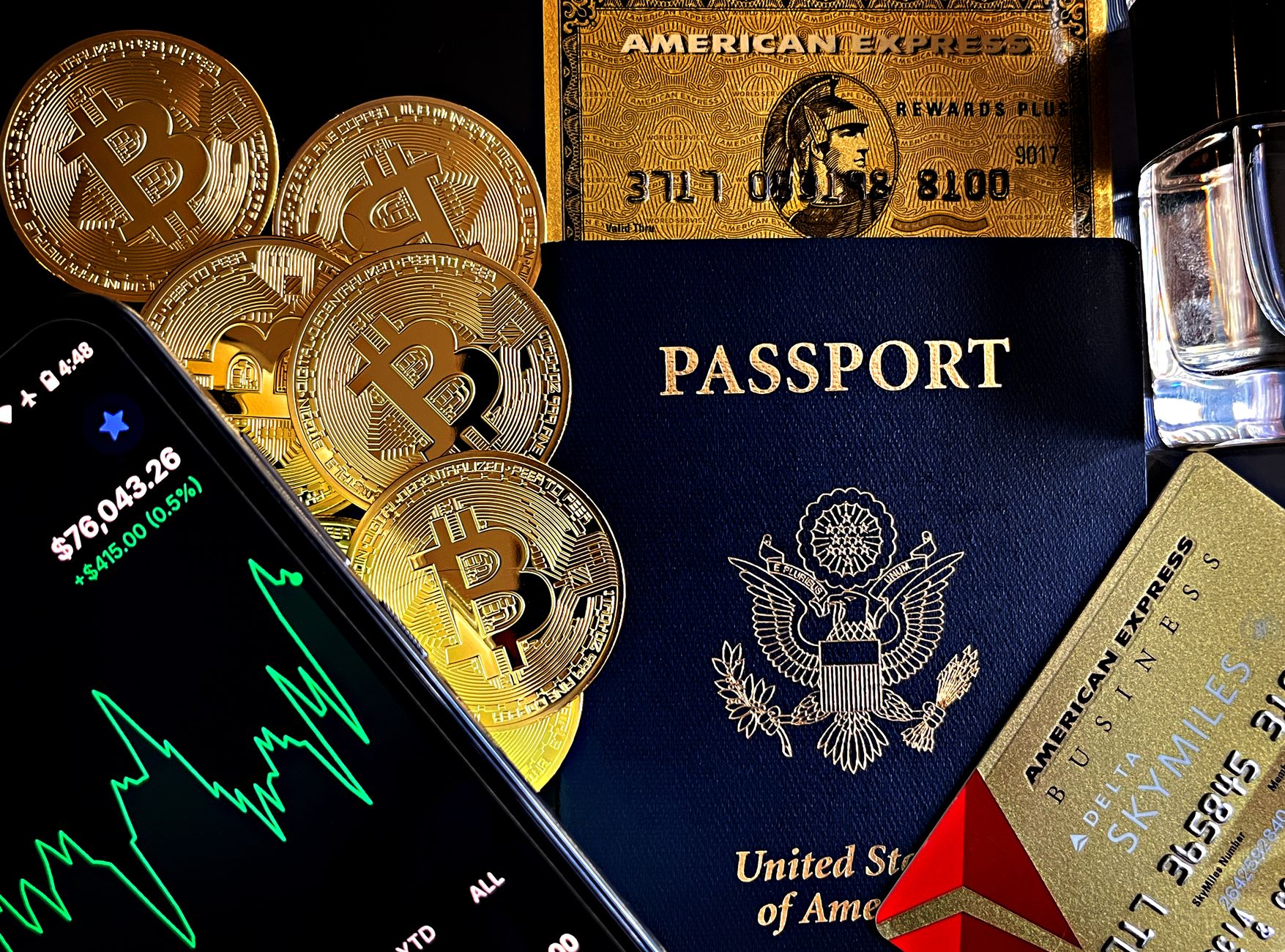
Want five-star luxury on a three-star budget? Recent global currency shifts have created unprecedented currency arbitrage opportunities. From Michelin-starred omakase dinners in Tokyo for $45 to private vineyard estates in Argentina for the price of a mid-tier airport hotel, here is how luxury travel advisors leverage economic dips to unlock elite travel experiences for pennies on the dollar. ---
The $48 Feast in Recoleta
I stepped off the marble doorstep of the Palacio Duhau in Buenos Aires and into a humid, oak-scented evening in Recoleta. The air smelled of charred quebracho wood and aged Malbec. Two hours later, sitting beneath the crystal chandeliers of an elite parrillada, my waiter carved a prime, dry-aged ojo de bife so tender it yielded to the side of a silver spoon. Alongside it sat a bottle of 2015 Catena Zapata, truffle-infused wild mushrooms, and a delicate dulche de leche soufflé.
When the leather bill booklet arrived, I braced myself. In Manhattan or London, this level of imperial dining easily crests $500.
The total? 42,000 Argentine Pesos. Swiped on a foreign credit card using the official MEP rate, the charge hit my bank account at exactly $48.20 USD.
This wasn't a glitch. It was economic physics.
When macro-economic forces cause a country’s exchange rate to drop while its high-end hospitality infrastructure remains world-class, a temporary window opens. Luxury travel advisors call this "Currency Arbitrage Travel." It is the art of accessing five-star hotels, private helicopter transfers, and Michelin-rated dining at steep discounts simply by understanding FX market dips.
If you know where to look—and how to pay—you can live like royalty on a standard corporate expense account. Here are the top destinations where currency crashes are making luxury radically affordable right now, backed by advisor-tested strategies to maximize every dollar.
---
1. Argentina: The Grand Master of Currency Arbitrage
Argentina’s economic fluctuations are legendary, but for foreign travelers holding USD, Euros, or Pounds, the country is currently the single greatest luxury deal on the planet.
In recent years, the gap between the official exchange rate and the parallel market rate (historically called the Blue Dollar) created incredible buying power. Today, thanks to the foreign tourist card rate (MEP Rate or Mercado Electrónico de Pagos), international travelers automatically receive near-parallel exchange rates on all Visa and Mastercard transactions without needing to carry wads of cash through street corners.
The Luxury Breakdown
- The Experience: Renting a private, historic estancia in the Pampas or staying at Relais & Châteaux properties in Mendoza’s Uco Valley.
- The Reality: A high-end luxury villa amidst the vineyards that typically charges $1,200 a night in Napa Valley goes for $300 to $400 a night here. Fine dining tasting menus paired with reserve wines rarely top $60 per person.
> Pro-Tip: Pay for your international flights in advance, but never pre-pay your local boutique hotels online in foreign currency. Book directly with the hotel in Argentine Pesos (ARS) and pay at checkout using your credit card to automatically trigger the favorable MEP rate.
---
2. Japan: The Weak Yen and the Golden Age of Tokyo Luxury
For decades, Tokyo was considered the most expensive city on earth—a fortress of high prices where a simple cab ride could cost $80 and a decent hotel room averaged $500.
That narrative completely flipped when the Japanese Yen plummeted to 34-year lows against the US Dollar and Euro. Japan is suddenly one of the highest-value luxury destinations on earth.
``` Exchange Rate Context: 2019: ~$1 USD = 108 JPY Current: ~$1 USD = 150–155 JPY Result: ~35-40% effective discount on all local spend ```
Unlocking High-End Tokyo for Less
- Michelin-Starred Dining: An elite 18-course Omakase counter in Ginza that previously cost $350 USD now converted-rates down to roughly $180 USD.
- Luxury Ryokans: Experience traditional, ultra-luxurious ryokans in Hakone or Kyoto, complete with private hot-spring onsens and multi-course kaiseki dinners served in-room, for a fraction of historical rates.
> Pro-Tip: Skip buying foreign currency at airport kiosks. Use local 7-Eleven ATMs (7 Bank) upon arrival in Tokyo to withdraw Yen cash at exact interbank rates with zero foreign transaction fees if you use cards like Charles Schwab or Capital One.
---
3. Turkey: Bosphorus Palaces & Riviera Glamour
Turkey’s Turkish Lira (TRY) has seen dramatic adjustments over recent years. While local inflation is real, foreign hard currency maintains an immense advantage, particularly when booking local luxury experiences, luxury gullet yacht charters, and private guides.
Where the Value Lies
- Istanbul: The Ottoman-era waterfront palaces along the Bosphorus—like the Ciragan Palace Kempinski or Four Seasons Bosphorus—offer world-class service. By timing bookings during shoulder seasons (April-May or September-October), rate conversions yield unbelievable suite upgrades.
- The Turkish Riviera (Bodrum): Private yacht charters (Gulets) navigating the turquoise bays of Bodrum and Göcek are available at rates nearly 50% lower than comparable Mediterranean charters in Saint-Tropez or Positano.
> Pro-Tip: When paying in Turkey, merchants will often offer to charge your card in USD/EUR instead of Lira. Always refuse. This is called Dynamic Currency Conversion (DCC), and vendors add a 7% to 12% conversion margin. Always choose to be charged in local Turkish Lira (TRY).
---
4. South Africa: World-Class Winelands and Safari Reserves
The South African Rand (ZAR) frequently trades at historic lows against major global currencies. This structural discount makes South Africa an undisputed leader in high-end, high-value travel.
The Safari & Culinary Advantage
- Private Game Reserves: World-leading private game lodges in Sabi Sands or Madikwe—where luxury suites come with private plunge pools, personal trackers, and all-inclusive fine dining—are significantly more accessible when converted from ZAR.
- Franschhoek & Stellenbosch: Cape Town’s culinary scene is globally renowned. You can dine at world top-50 restaurants like La Colombe for an eight-course wine-paired menu that costs under $110 per person—a meal that would easily cost $450+ in Paris or San Francisco.
> Pro-Tip: Fly into Cape Town and spend 4 days in the Winelands before heading on safari. Book domestic air transfers (e.g., Airlink) through local South African booking portals using ZAR rather than international flight aggregator sites to save up to 30% on internal regional flights.
---
5. Egypt: Imperial Heritage Along the Nile
Egypt has undergone major currency devaluations, dropping the value of the Egyptian Pound (EGP) substantially. For luxury travelers seeking bucket-list heritage, Egypt offers phenomenal value for private tours, historic hotels, and Nile cruises.
Living Like an Archeologist King
- Historic Palaces: Stay at iconic heritage hotels like the Mena House overlooking the Pyramids of Giza or the Winter Palace in Luxor for a fraction of standard luxury rates in western Europe.
- Private Nile Dahabiyyas: Instead of crowded mega-cruise ships, hire or book a cabin on a Dahabiyya—a traditional luxury wooden sailing boat with 4 to 8 cabins, private chefs, and personalized itineraries.
> Pro-Tip: Hire an independent, licensed Egyptologist guide directly through local luxury boutique agencies in Cairo rather than buying pre-packaged tours online from overseas brokers. You’ll save up to 60% while ensuring your money goes directly to local professionals.
---
Comparative Value Matrix: What Your Dollar Buys
To illustrate how currency shifts impact high-end travel spending, here is a breakdown comparing standard global luxury costs against currency-optimized destinations:
| Destination | Experience | Standard Western Cost | Currency-Optimized Cost | Effective Savings | | :--- | :--- | :--- | :--- | :--- | | Buenos Aires, AR | Dry-Aged Steak & Reserve Malbec (2 PAX) | $450 USD | $50 - $70 USD | ~85% | | Tokyo, Japan | High-End Omakase Sushi Dinner | $350 USD | $160 - $180 USD | ~50% | | Franschhoek, SA | 8-Course Michelin-Level Tasting + Wine | $400 USD | $110 - $130 USD | ~70% | | Istanbul, Turkey | Full-Day Private Luxury Yacht Charter | $2,200 USD | $900 - $1,200 USD | ~50% | | Luxor, Egypt | 5-Star Historic Heritage Hotel Suite | $800 USD | $280 - $350 USD | ~60% |
---
Essential Travel Advisor Rules for FX Arbitrage
If you want to capitalize on currency crashes safely and effectively, stick to these five foundational rules:
1. Lock In Rates Wise, Spend Local Cash Carefully
When booking big-ticket items like luxury hotels months in advance, check whether the booking holds in foreign currency or local currency. If a currency is rapidly devaluing, pay at the end of your stay in local currency. If a currency is stabilizing, pre-pay in advance.
2. Never Fall for Dynamic Currency Conversion (DCC)
Whenever an ATM or credit card terminal asks: "Would you like to be charged in USD or Local Currency?" ALWAYS SELECT LOCAL CURRENCY. If you select USD, the local merchant's bank sets a terrible conversion rate and pockets a fat fee. Let your own credit card company do the math—they give you the real mid-market bank rate.
3. Use Zero-FX Fee Credit Cards Exclusively
Ensure every card in your wallet waives Foreign Transaction Fees. Standard credit cards charge a sneaky 3% surcharge on every transaction made outside your home country. Top travel cards (like Chase Sapphire Reserve, Amex Platinum, or Capital One Venture X) charge 0%.
4. Leverage Local Concierge Services
Instead of relying solely on international hotel concierges who cater to foreign tourists with inflated prices, hire local independent travel designers. They have direct relationships with local drivers, private chefs, and boutique properties who quote directly in local currency rather than USD/EUR pegged rates.
5. Monitor Central Bank Policies
Currency windows don't stay open forever. Governments adjust interest rates, intervene in currency markets, or introduce single-rate pegs. The sweetest spot for luxury travelers is usually within 3 to 18 months following a significant currency devaluation, before local prices fully adjust upward for local inflation.
---
Quick Facts & Travel Logistics
- Best Time for Argentina: October to April (Spring/Summer in the Southern Hemisphere).
- Best Time for Japan: March to May (Cherry Blossoms) or October to November (Autumn Foliage).
- Best Time for South Africa: May to September (Prime Safari Viewing) or November to March (Cape Town Summer).
- Best Time for Turkey: April to June & September to November (Mild weather, manageable crowds).
- Best Time for Egypt: October to April (Cooler desert temperatures).
---
Final Thoughts: The Art of Smart Luxury
Affordable luxury isn't about cutting corners; it's about macro-economic timing. By aligning your travel calendar with shifting FX markets, you can trade up from ordinary vacations to transformative, high-end travel experiences.
You don't need a billionaire’s budget to travel like one. You just need to know how to let global currency shifts work in your favor.
Pack your bags, select local currency at the register, and enjoy the five-star lifestyle for three-star prices.
---
More pictures

Tags
Share this guide
We may earn a commission if you click a link and buy a product or service, at no extra cost to you. How affiliate links work.
Been there?