
Forget the crumbling bridges of the old world. A new map of global mobility is being drawn by nations that are trading red tape for high-speed rail and 5G-enabled smart cities. From the neon-lit stations of Jakarta to the sleek, biophilic terminals in Kigali, these are the countries with the fastest improving infrastructure according to recent data—and they are ready for your next adventure. ---
The 350km/h Blur: A Glimpse into the Future
I stepped off the platform in Jakarta, and for a second, I forgot where I was. The air didn't smell of the usual humid exhaust and street-side satay smoke. Instead, it smelled of "new car"—that sterile, exciting scent of fresh upholstery and high-grade polymers. I was standing in Halim Station, the gateway to the "Whoosh," Southeast Asia’s first high-speed railway.
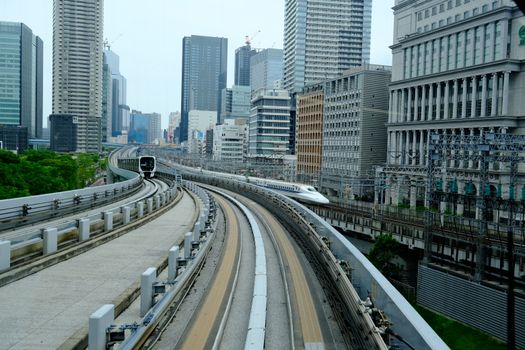
As the train glided out—silent, predatory, and impeccably white—the digital speedometer in the cabin ticked up: 200, 300, 350 km/h. Outside, the emerald rice paddies of West Java became a green smear. What used to be a grueling three-hour crawl through legendary traffic was now a 45-minute zip. This isn't just a train; it’s a middle finger to the status quo.
When we talk about the countries with fastest improving infrastructure according to recent data, we aren't talking about painting old bridges. We’re talking about a total systemic overhaul. We are seeing nations leapfrog decades of Western-style development to build the most advanced transit, energy, and digital grids on the planet.
1. Indonesia: The Archipelago of Speed
Indonesia is currently the poster child for infrastructure "glow-ups." While the world watched the G20, President Jokowi was busy laying thousands of kilometers of toll roads and launching the aforementioned "Whoosh" high-speed rail connecting Jakarta to Bandung.
But the real "insider" story is Nusantara. I’ve spoken to the engineers on-site; they aren't just building a new capital city in the middle of the Borneo jungle; they are building a "Forest City" designed to be 100% powered by renewable energy with autonomous internal transit.
- The Pro-Tip: Don't just take the Whoosh for the speed. Book a "First Class" ticket (it’s surprisingly affordable) for the panoramic windows that offer the best views of the Parahyangan mountains.
- The Insider Detail: Download the Kereta Cepat app before you arrive. Physical tickets are becoming a relic of the past here.
2. Saudi Arabia: The Visionary Scale
If you think Saudi Arabia is just sand and oil, you haven't been paying attention to Vision 2030. The scale of improvement here is, quite frankly, terrifying. I recently visited the site of The Line in NEOM. It’s easy to dismiss it as a sci-fi fever dream until you see the sheer volume of earth being moved.
However, the immediate win for travelers is the Haramain High-Speed Railway. It connects Mecca and Medina via Jeddah at 300 km/h. The stations themselves look like something out of Dune—massive, vaulted ceilings designed to stay cool in 45°C heat without using excessive energy.
- The Pro-Tip: The Riyadh Metro is set to be the largest single-phase metro project in history. When it fully opens, look for the "King Abdullah Financial District" station designed by the late Zaha Hadid. It’s an architectural masterpiece of sine waves and geometric lattices.
- The Insider Detail: Use the "Careem" app for local transport, but keep an eye on the "Red Sea Global" airport—it’s the first in the region to offer a seamless "no-wait" baggage experience using biometric tracking.
3. Vietnam: The Logistics Powerhouse
Vietnam is currently spending about 6% of its GDP on infrastructure—the highest in Southeast Asia. I spent three weeks navigating the construction detours in Ho Chi Minh City, and while the dust is real, the payoff is imminent. The new Metro Line 1 is finally breathing life into the city’s chaotic transit system.
But the real game-changer is the Long Thanh International Airport. Set to replace the cramped Tan Son Nhat, this will be a massive regional hub.
- The Pro-Tip: In Da Nang, the infrastructure isn't just functional; it’s aesthetic. The Dragon Bridge actually breathes fire and water every Saturday and Sunday at 9 PM. Get there at 8:30 PM and grab a coconut coffee at a nearby street stall for the best view.
- The Insider Detail: The highway from Hanoi to Sapa has cut travel time in half. Skip the overnight train (unless you want the "vintage" experience) and take a "Limousine Bus"—they have reclining beds and high-speed Wi-Fi.
4. Greece: The Digital Renaissance
When people think of Greek infrastructure, they think of ancient ruins. But according to recent data, Greece is leading the pack in digital infrastructure and urban renewal. The Ellinikon project in Athens is currently Europe’s largest urban regeneration project. It’s transforming the old airport into a smart city and a massive coastal park.
Moreover, the 5G penetration in Greece is now among the best in the EU. I was able to take a Zoom call with zero lag while sitting on a ferry in the middle of the Aegean.
- The Pro-Tip: Use the Athein.card for seamless transitions between the airport, the metro, and the tram. It’s much more efficient than the old paper ticketing system.
- The Insider Detail: The "Astypalaia Project" is turning an entire island into a laboratory for electric, autonomous transport. If you want to see the future of the Mediterranean, go there.
5. Rwanda: The African Tiger
Kigali is often called the "Singapore of Africa," and for good reason. The infrastructure here is surgical. The roads are pothole-free, the streetlights are solar-powered, and the fiber-optic network is world-class.
The new Bugesera International Airport is designed to be the first green-certified airport in Africa. But for me, the most impressive part is the "last-mile" infrastructure. Rwanda uses drones (via Zipline) to deliver medical supplies to remote areas—a level of tech integration that puts many Western nations to shame.
- The Pro-Tip: Kigali is incredibly walkable. The "Car-Free Zones" in the Central Business District are perfect for exploring local galleries and cafes without the noise of traffic.
- The Insider Detail: Look for the "Tap&Go" cards for the public bus system. It’s the only way to pay, and it’s incredibly efficient.
6. India: The Connectivity King
India is currently building nearly 30 kilometers of highway every single day. The Atal Setu, India’s longest sea bridge, has recently transformed the commute in Mumbai, turning a two-hour nightmare into a 20-minute breeze.
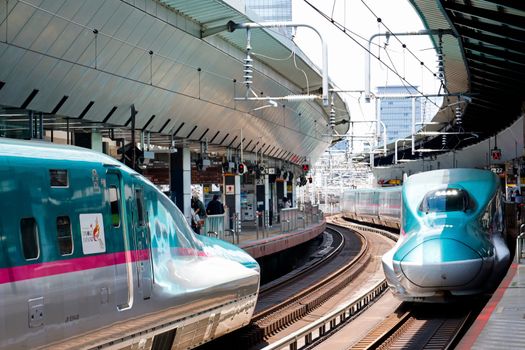
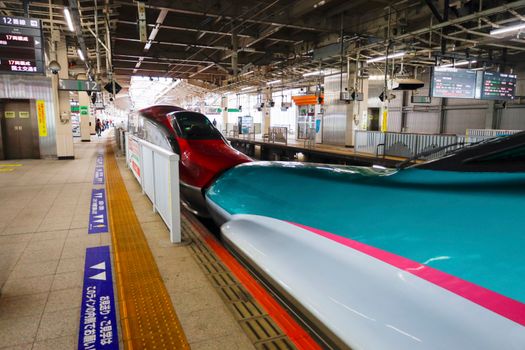
Then there’s the Vande Bharat Express. I took the route from Delhi to Varanasi, and the experience was night and day compared to the old Indian Railways. Automatic doors, GPS-based passenger info, and bio-vacuum toilets—it’s a localized high-speed revolution.
- The Pro-Tip: If you’re traveling between Mumbai and Navi Mumbai, take the Atal Setu at sunset. The view of the skyline over the Arabian Sea is unparalleled.
- The Insider Detail: Use the UTS app to book unreserved tickets on the fly. It saves you from standing in the legendary Indian railway station queues.
Quick Facts: Logistics & Planning
| Country | Key Project | Best Time to Visit | Estimated Daily Budget ($) | Connectivity | | :--- | :--- | :--- | :--- | :--- | | Indonesia | Whoosh HSR | May - Sept | $40 - $100 | Excellent (5G in cities) | | Saudi Arabia | Riyadh Metro | Nov - March | $150 - $300 | Top Tier | | Vietnam | Long Thanh Airport | Feb - April | $30 - $80 | Good (Cheap Data) | | Greece | The Ellinikon | May - June | $100 - $250 | EU Standard (High) | | Rwanda | Bugesera Airport | June - Sept | $60 - $150 | Exceptional | | India | Vande Bharat Rail | Oct - March | $25 - $90 | Rapidly Improving |
The "New World" Order of Travel
We are moving into an era where "luxury" isn't just about five-star hotels; it’s about frictionless movement. The countries with the fastest improving infrastructure are those that value the traveler's time.
I remember sitting in a cafe in Athens, watching the cranes of the Ellinikon project silhouette against the sunset. A local architect told me, "We aren't just building buildings; we are building the ability to breathe in a city again."
That is the heart of infrastructure. It’s not just concrete and steel; it’s the freedom to move, the ability to connect, and the joy of a journey that doesn't feel like a chore. Whether you’re zipping across Java at 350 km/h or walking through a car-free zone in Kigali, the future is already here. You just need to know where to book your ticket.
---
More pictures

Tags
Share this guide
We may earn a commission if you click a link and buy a product or service, at no extra cost to you. How affiliate links work.
Been there?