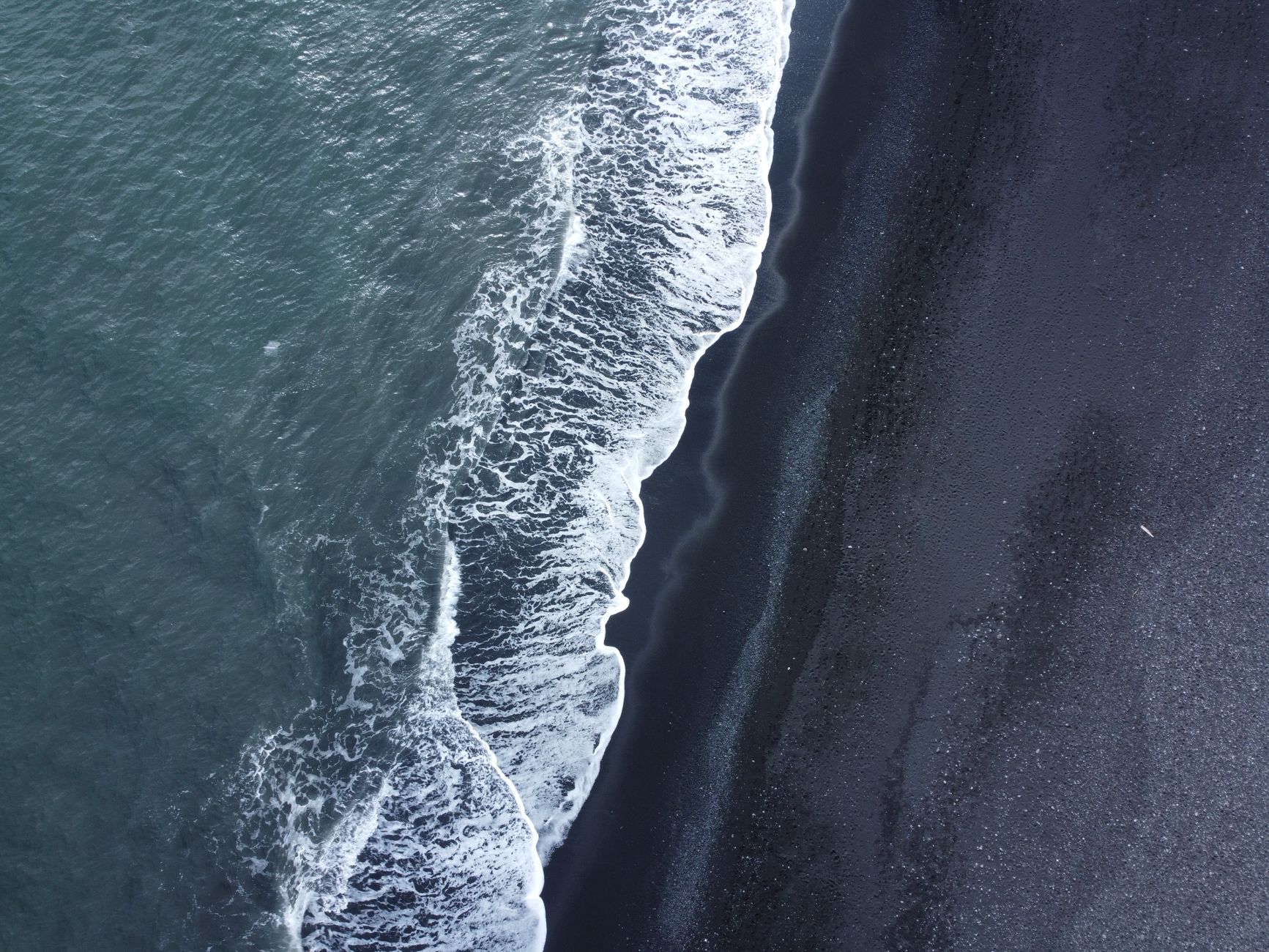
Want to travel without the headache of chaotic logistics, sudden border closures, or subpar hygiene standards? We analyzed the latest data from the World Travel & Tourism Council (WTTC), Euromonitor, and Bloomberg’s Covid Resilience Index to bring you the definitive list of countries that handled pandemic best for tourism according to recent data. Skip the guesswork and discover the five global destinations that turned crisis management into an art form—and how you can experience them like a seasoned insider. ---
The Day the World Paused—And the Places That Figured It Out First
I stepped off the Boeing 787 at Keflavík Airport, bracing for the inevitable: the chaotic queues, the frantic shuffling of paper documents, and the palpable tension that defined international travel for years. Instead, I was greeted by the crisp, sulfur-tinged bite of Icelandic air and a digital customs process so fast it felt like magic. Within four minutes of leaving the jet bridge, I was walking toward my rental car. No friction. No stress.
That moment crystallized a new reality for global travelers. The global health crisis didn't just disrupt our travel plans; it permanently altered what we value in a destination. We no longer just look for cheap flights and sunny beaches. Today, we look for resilience, infrastructure, and smart governance.
According to recent data from the World Economic Forum’s Travel & Tourism Development Index, the destinations that recovered fastest—and safest—were those that invested heavily in digital infrastructure, health protocols, and sustainable crowd management.
If you are planning your next major escape, you want to spend your money in places that respect your health, your time, and your peace of mind. Here is the definitive, data-backed guide to the countries that handled pandemic best for tourism according to recent data, along with the insider secrets to experiencing them flawlessly.
---
1. Singapore: The High-Tech Sanctuary of Southeast Asia
``` "Singapore didn't just manage the crisis; they re-engineered the entire arrival experience from the tarmac up." ```
The Data Proof
Singapore consistently topped Bloomberg’s Covid Resilience Index, thanks to its hyper-efficient contact tracing, world-class healthcare system, and rapid vaccination rollout. When tourism reopened, the Singapore Tourism Board implemented the SG Clean quality mark, auditing thousands of hotels, restaurants, and attractions to ensure uncompromising hygiene standards.
The On-the-Ground Experience
Walking through Changi Airport feels less like navigating a transit hub and more like stepping into a sci-fi utopian garden. The air smells faintly of orchids and eucalyptus, thanks to advanced HEPA filtration systems running silently in the background. Contactless entry is the norm here; facial recognition opens boarding gates, and automated cleaning robots glide quietly across polished terrazzo floors.
Insider Pro-Tips for the Smart Traveler
- Avoid the Jewel Changi Crowds: Everyone rushes to see the HSBC Rain Vortex (the massive indoor waterfall) at 2:00 PM. Instead, head there at 8:30 AM. The morning mist catches the early sunlight filtering through the glass dome, and you will have the viewing deck entirely to yourself.
- The Hidden Culinary Escape: Skip the overcrowded tourist hawker centers like Newton Food Centre. Take the MRT to the Amoy Street Food Centre at 11:30 AM. Hunt down stall #01-39 for a bowl of Michelin-bib-gourmand-winning A Noodle Story—a spectacular Singapore-style ramen featuring tender roast pork, hot spring eggs, and crispy potato-wrapped prawns.
---
2. Iceland: The Touchless, Wild Frontier
The Data Proof
Iceland leveraged its unique geography and stellar digital governance to open its borders to vaccinated travelers far ahead of the rest of Europe. By implementing a seamless, QR-code-based pre-registration system and offering free, rapid testing at the border, the Icelandic government kept its tourism economy alive while keeping infection rates among the lowest in the OECD.
The On-the-Ground Experience
Iceland’s recovery strategy focused on distributing tourists away from congested hotspots and into the wild, open spaces of the Ring Road. Traveling here feels remarkably liberating. Nearly every transaction—from buying a single cup of black coffee at a remote petrol station to paying for parking at the base of a roaring waterfall—is entirely cashless and contactless.
Insider Pro-Tips for the Smart Traveler
- The Secret Thermal Soak: Skip the overcrowded, expensive Blue Lagoon. Drive two hours south to the secret geothermal pool of Hrunalaug. Tucked behind a grassy hill on private farmland, this stone-walled pool fits only a handful of people. Arrive at 7:00 AM as the sun rises; the steam rising off the 38°C (100°F) water against the green Icelandic moss is pure therapy.
- The Best Cinnamon Buns in Reykjavik: Walk past the lines at Sandholt and head straight to Brauð & Co on Frakkastígur. Look for the wild, graffiti-covered building. Grab a warm, cardamom-spiced bun (snúður) straight from the baker's tray.
---
3. Japan: Meticulous Hygiene Meets Slow Travel
The Data Proof
Despite a highly cautious and slow reopening phase, Japan’s handling of public safety is legendary. The country maintained incredibly low mortality rates without enforcing hard lockdowns, largely due to a deeply ingrained cultural practice of mask-wearing, sanitization, and the concept of "San-Mitsu" (avoiding closed spaces, crowded places, and close-contact settings). Recent WTTC data shows Japan’s domestic and international tourism rebounded with unprecedented demand due to this reputation for safety.
The On-the-Ground Experience
In Kyoto, the air is clean, the streets are spotless, and the quiet dignity of travel has returned. Japan has embraced "smart tourism," utilizing real-time congestion monitoring apps that tell travelers exactly how crowded popular sites like the Arashiyama Bamboo Grove or Fushimi Inari-taisha are at any given moment.
Insider Pro-Tips for the Smart Traveler
- Beat the Crowds in Kyoto: Do not visit Fushimi Inari-taisha during the day. Go at 5:30 AM. The mountain air is cool, the brilliant orange torii gates are damp with morning dew, and you will only share the path with local monks and the occasional forest fox.
- The Shinkansen Luggage Hack: If you are traveling between Tokyo and Kyoto with large suitcases (total dimensions between 160cm and 250cm), you must reserve a seat with an oversized baggage area when booking your Shinkansen ticket. You can do this easily via the SmartEX app. If you don't, you face a ¥1,000 fine and a lot of stress on the platform.
---
4. United Arab Emirates (Dubai): The Masterclass in Seamless Scaling
The Data Proof
Dubai was one of the first global cities to reopen its borders to international tourists in July 2020. By combining one of the world's fastest vaccination campaigns with rigorous, mandatory PCR testing at arrival and a city-wide sanitization drive, Dubai became a safe haven for global travelers. According to Euromonitor's Top 100 City Destinations Index, Dubai ranked near the very top for health, safety, and economic performance.
The On-the-Ground Experience
Dubai turned safety into a luxury amenity. From the moment you step into an Emirates cabin, you are surrounded by high-end hygiene protocols that feel premium rather than clinical. Hotels feature contactless check-ins, digital menus accessed via QR codes on gold-embossed stands, and sanitization seals on room doors.
Insider Pro-Tips for the Smart Traveler
- The Cultural Escape: Get away from the sterile shopping malls. Head to the Al Fahidi Historical Neighborhood. Wander through the narrow, gypsum-walled alleyways lined with traditional wind towers. Stop at the Arabian Tea House for a breakfast tray of shakshuka, halloumi cheese, and warm, freshly baked khameer bread.
- The Hidden Viewpoint: Skip the long, expensive lines at the Burj Khalifa observation deck. Book a table at CÉ LA VI on the 54th floor of the Address Sky View hotel for sunset drinks instead. You get an unobstructed, eye-level view of the Burj Khalifa while sipping a craft cocktail, for a fraction of the price of an observation ticket.
---
5. New Zealand: The Fortified Paradise of Eco-Tourism
The Data Proof
New Zealand’s "Zero-Covid" elimination strategy was the talk of the world. While its borders remained closed longer than most, the country used that time to completely overhaul its tourism strategy. According to recent data from Tourism New Zealand, the country transitioned its focus away from mass tourism toward high-value, regenerative eco-tourism, ensuring that visitors leave the environment better than they found it.
The On-the-Ground Experience
Traveling through New Zealand now feels like a privilege. The air is impossibly pure, the landscapes are pristine, and there is a profound sense of community responsibility. The country's strict biosecurity measures at the border remain, ensuring that both the local population and the delicate native ecosystems are protected from external threats.
Insider Pro-Tips for the Smart Traveler
- The Routeburn Track Secret: Instead of booking expensive, multi-day guided treks months in advance, do a self-guided day hike on the Routeburn Track from the Glenorchy side. Hike up to the Flats Hut (about 2.5 hours each way). You will walk through ancient beech forests draped in bright green moss and cross swinging suspension bridges over glacial, turquoise rivers without the heavy pack.
- Where to Taste the Real Marlborough: Skip the commercial wine-tasting buses. Rent a bicycle in Renwick and ride along the quiet country roads to Te Whare Ra (TWR). It is one of the oldest organic, family-run vineyards in the Marlborough region. Ask for a tasting of their dry Riesling—it is a masterclass in clean, crisp, biodynamic winemaking.
---
Quick Facts & Logistics: The Resilient Traveler’s Cheat Sheet
| Destination | Safety/Resilience Index Rating | Best Time to Visit | Estimated Daily Budget (Mid-Range) | How to Get There (Key Hubs) | | :--- | :--- | :--- | :--- | :--- | | Singapore | Exceptional (Top 3 Globally) | February to April | $180 - $250 USD | Changi Airport (SIN) - Direct flights worldwide | | Iceland | Very High | June to August (Summer) / September to March (Northern Lights) | $220 - $320 USD | Keflavík International Airport (KEF) | | Japan | High (Highly structured) | March to May (Cherry Blossoms) / October to November (Autumn Leaves) | $140 - $220 USD | Haneda (HND) or Narita (NRT) | | Dubai (UAE) | High (Highly adaptive) | November to March | $200 - $350 USD | Dubai International Airport (DXB) | | New Zealand| Exceptional (Eco-focused) | December to February (Summer) | $200 - $300 USD | Auckland Airport (AKL) / Christchurch (CHC) |
---
The Verdict: Why Infrastructure is the New Luxury
The data is clear: the countries that handled pandemic best for tourism according to recent data did not do so by accident. They succeeded because they viewed health security, digital innovation, and environmental sustainability not as temporary emergency measures, but as the foundational pillars of modern tourism.
As travelers, our choices have power. By choosing destinations that invest in robust public systems, contactless technology, and sustainable crowd management, we aren't just ensuring a smoother vacation for ourselves—we are supporting a more resilient, responsible global travel industry.
Pack your bags, download your digital passes, and head out into a world that is safer, smarter, and waiting to be discovered.
---
More pictures


Tags
Share this guide
We may earn a commission if you click a link and buy a product or service, at no extra cost to you. How affiliate links work.
Been there?