Ditch the guilt, embrace the glory! We've found
The Journey Begins: A Whisper of Spice and Salt
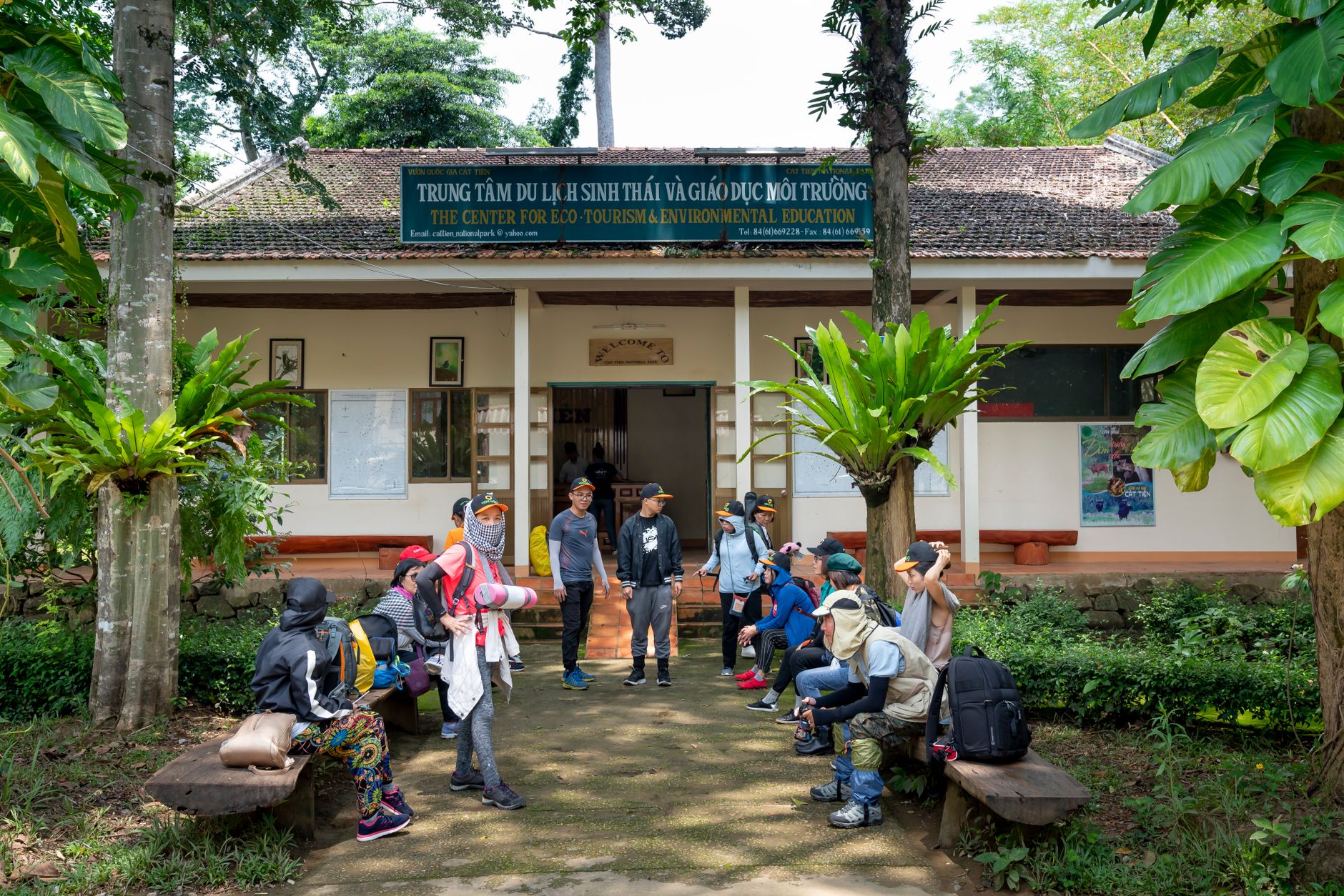
I stepped off the train in a small coastal town, the air thick with the scent of brine and something sweet – roasting plantains, perhaps, mingling with the faint, earthy aroma of damp soil. The rhythmic clang of a distant bell, the murmur of unfamiliar voices, the warmth of the sun on my skin… it wasn't just a destination; it was an immersion. This feeling, this profound connection to a place, is what true travel is about. And increasingly, the destinations that offer this depth are those that prioritize sustainability, not just for their environment, but for their people.
But what if I told you that this kind of travel, the kind that nourishes your soul and the planet, could also be rewarding in tangible ways? Forget carbon offsets as your only good deed; we're talking about countries actively incentivizing and celebrating travelers who tread lightly, support local communities, and champion conservation. This isn't just about feeling good; it's about experiencing a more authentic, richer journey.
5 Countries Where Your Sustainable Choices Earn You More Than Just Good Karma
The world is waking up. Forward-thinking nations are realizing that their most valuable asset isn't just their natural beauty or historical sites, but the very ecosystems and cultural heritage that sustainable tourism protects. And they're rolling out the welcome mat for those who understand this. Here are a few of my absolute favorites:
1. Costa Rica: The Biodiversity Beacon with a Green Heart
Costa Rica isn't just a pioneer in ecotourism; it's practically its birthplace. This Central American gem has woven sustainability into its national fabric, and as a traveler, you feel it at every turn. From the moment you arrive, you're greeted with a national motto that encapsulates their ethos: "Pura Vida" – pure life. And that pure life is fiercely protected.
Why it's Rewarding: Costa Rica offers a wealth of opportunities to engage with conservation efforts that directly benefit local communities. Many eco-lodges and tour operators are certified by the Certification for Sustainable Tourism (CST) program, which means your stay supports businesses committed to environmental protection, cultural preservation, and social responsibility. This often translates to more authentic experiences, better-managed wildlife encounters, and direct contributions to local economies. Think guided night walks led by naturalists who grew up in the rainforest, or farm-to-table meals prepared with ingredients sourced from nearby organic farms.
Pro-Tips:
- Look for the CST Logo: This is your golden ticket to verified sustainable practices.
- Volunteer with Local Conservation Projects: Many organizations offer short-term volunteer opportunities that can be incredibly rewarding and offer unique insights into the country's biodiversity.
- Embrace Local Transport: Buses are efficient and a fantastic way to meet locals.
- Visit During the Green Season (May-November): You'll find fewer crowds and lush, vibrant landscapes.
Quick Facts: Costa Rica
| Category | Details | | :-------------- | :---------------------------------------------------------------------- | | Estimated Cost ($) | $$ - $$$ (Eco-lodges can range from budget-friendly to luxury) | | Best Time to Visit | December to April (Dry Season) or May to November (Green Season) | | How to Get There | Fly into Juan Santamaría International Airport (SJO) near San José, or Daniel Oduber Quirós International Airport (LIR) in Liberia. |
2. Palau: The Pristine Paradise with a Pledge
This archipelago in Micronesia is a testament to what happens when a nation prioritizes its environment above all else. Palau isn't just beautiful; it's fiercely protected. They've implemented some of the world's most innovative conservation policies, including the Palau Pledge, a mandatory immigration stamp that requires visitors to promise to act in an ecologically and culturally responsible way.
Why it's Rewarding: The Palau Pledge itself is a form of reward – a commitment to preserving this pristine paradise for future generations. But beyond that, by visiting Palau, you're directly contributing to a nation that has banned commercial fishing in its vast marine sanctuary and established the world's first shark sanctuary. Your tourism dollars go towards funding conservation initiatives and supporting a local economy that thrives on its incredible marine biodiversity. You'll find yourself immersed in some of the best diving and snorkeling on the planet, knowing that your presence is helping to keep it that way.
Pro-Tips:
- Sign the Pledge with Reverence: It's more than a formality; it's a commitment.
- Support Locally Owned Dive Shops: They have the deepest understanding of the marine environment and are often at the forefront of conservation efforts.
- Respect Marine Life: No touching coral, no feeding fish, and always maintain a safe distance.
- Explore the Rock Islands: These mushroom-shaped islets are a UNESCO World Heritage site and offer breathtaking kayaking and snorkeling opportunities.
Quick Facts: Palau
| Category | Details | | :-------------- | :---------------------------------------------------------------------- | | Estimated Cost ($) | $$$ - $$$$ (Island nation, remoteness impacts cost) | | Best Time to Visit | December to March (Dry Season) | | How to Get There | Fly into Roman Tmetuchl International Airport (ROR). Flights often connect through Guam, Manila, or Taipei. |
3. Slovenia: Europe's Green Heartbeat with Experiential Perks
Often overlooked in favor of its more famous European neighbors, Slovenia is a revelation. This small country packs an incredible punch, boasting alpine peaks, emerald rivers, charming medieval towns, and a coastline that punches above its weight. What sets Slovenia apart is its deeply ingrained commitment to green tourism, recognized by numerous international awards.
Why it's Rewarding: Slovenia actively promotes "green experiences." Many tourist destinations and accommodations hold the Green Destination Slovenia label, indicating adherence to strict environmental and social standards. This often translates into unique, locally-focused activities. Think cycling tours through vineyards with wine tastings at family-run farms, hiking to remote mountain huts offering hearty, homegrown meals, or exploring the Julian Alps with guides who share intimate knowledge of the local flora and fauna. The country's commitment to preserving its natural beauty means you're often rewarded with pristine landscapes and a genuine sense of tranquility.
Pro-Tips:
- Get a Slovenia Green Card: This offers discounts on green-certified accommodations and activities.
- Cycle Everywhere: Slovenia is incredibly bike-friendly, with dedicated trails and stunning scenery.
- Explore the Soca Valley: Renowned for its turquoise river, it offers incredible opportunities for rafting, kayaking, and hiking.
- Visit Ljubljana in Spring/Summer: The capital is a vibrant hub with beautiful outdoor cafes and markets.
Quick Facts: Slovenia
| Category | Details | | :-------------- | :---------------------------------------------------------------------- | | Estimated Cost ($) | $$ - $$$ (Can be very budget-friendly if you embrace local options) | | Best Time to Visit | May to September (Summer for outdoor activities), April/October (Shoulder seasons for fewer crowds) | | How to Get There | Fly into Ljubljana Jože Pučnik Airport (LJU). Well-connected by train and bus to major European cities. |
4. Bhutan: The Kingdom of Gross National Happiness
Bhutan is unique. This Himalayan kingdom has deliberately pursued a policy of "High Value, Low Impact" tourism. They prioritize well-being and environmental conservation over mass tourism, and this philosophy is reflected in every aspect of your visit.
Why it's Rewarding: Bhutan's tourism policy is built around a Sustainable Development Fee (SDF), which is then reinvested into the country's infrastructure, healthcare, education, and environmental conservation. When you pay this fee, you're not just a tourist; you're a partner in their vision for a happy and sustainable nation. This means your journey is inherently more meaningful. You'll experience pristine landscapes, vibrant Buddhist culture, and the genuine warmth of a people who value their heritage. The SDF also helps to limit visitor numbers, ensuring a more intimate and authentic experience. You're rewarded with an unhurried pace, fewer crowds, and a deeper connection to the local culture.
Pro-Tips:
- Embrace the Monastic Life: Visit ancient dzongs and monasteries; many offer insights into daily life.
- Hike to Tiger's Nest Monastery (Paro Taktsang): It's an iconic trek with breathtaking views.
- Engage with Your Guide: Bhutanese guides are incredibly knowledgeable and passionate about their culture and country.
- Attend a Local Festival: If your timing aligns, witnessing a Tsechu is an unforgettable cultural immersion.
Quick Facts: Bhutan
| Category | Details | | :-------------- | :---------------------------------------------------------------------- | | Estimated Cost ($) | $$$$ (SDF and guided tours contribute to higher costs, but it's an investment) | | Best Time to Visit | March to May (Spring) or September to November (Autumn) | | How to Get There | Fly into Paro International Airport (PBH). Drukair and Bhutan Airlines are the only carriers. |
5. New Zealand: The Adventure Playground with a Conscience
Known for its dramatic landscapes and adrenaline-pumping activities, New Zealand has also become a global leader in sustainable tourism. Their commitment to preserving their "clean, green" image is evident in their policies and the way businesses operate.
Why it's Rewarding: New Zealand has a robust Qualmark system, the official tourism grading system, which includes a "Sustainable Tourism" endorsement. Businesses that achieve this are committed to environmental best practices, community engagement, and cultural authenticity. By choosing Qualmark-endorsed operators, you're supporting businesses that contribute to the preservation of New Zealand's natural beauty. This often means you get to experience unique, off-the-beaten-path adventures that have minimal impact, like kayaking in pristine fiords, guided walks through ancient forests, or farm stays that offer genuine insights into rural life. The reward is experiencing the country's breathtaking natural wonders with the knowledge that you're helping to protect them.
Pro-Tips:
- Utilize the Great Walks: These are world-class hiking trails managed with sustainability in mind. Book well in advance!
- Support Local Artisans and Food Producers: Seek out farmers' markets and craft shops.
- Embrace the "Tiaki Promise": A pledge to care for New Zealand for future generations.
- Explore the West Coast: Discover its rugged beauty, ancient glaciers, and unique ecosystems.
Quick Facts: New Zealand
| Category | Details | | :-------------- | :---------------------------------------------------------------------- | | Estimated Cost ($) | $$$ - $$$$ (Can vary greatly depending on activities and accommodation) | | Best Time to Visit | December to February (Summer), March to May (Autumn) | | How to Get There | Fly into Auckland Airport (AKL), Christchurch Airport (CHC), or Queenstown Airport (ZQN). |
Beyond the Destinations: Your Role as a Sustainable Traveler
Choosing to travel sustainably isn't just about where you go; it's about how you go. These countries are leading the charge, but your actions make a difference everywhere:
- Pack Light and Smart: Less weight means less fuel consumption.
- Choose Eco-Friendly Accommodation: Look for certifications or ask about their sustainability practices.
- Eat Local and Seasonal: Support local farmers and reduce food miles.
- Minimize Waste: Carry a reusable water bottle, coffee cup, and shopping bag.
- Respect Wildlife: Observe from a distance and never feed wild animals.
- Support Local Businesses: Your money has a greater impact when it stays within the community.
- Learn a Few Local Phrases: A little effort goes a long way in fostering connections.
- Offset Your Carbon Footprint: If possible, invest in reputable carbon offset programs.
The world is a vast, beautiful, and interconnected place. By choosing destinations that reward sustainable travelers, you're not just embarking on a journey; you're becoming a part of the solution, experiencing a richer, more authentic, and ultimately more rewarding adventure. So, where will your conscious compass point you next?
More pictures

Tags
Share this guide
We may earn a commission if you click a link and buy a product or service, at no extra cost to you. How affiliate links work.
Been there?