
Stop being a passive tourist. If you’re tired of watching the world’s coral reefs bleach from the sidelines, this is your ultimate guide to getting your hands wet, learning the science, and physically planting the future of our oceans. From the Florida Keys to the volcanic bays of Bali, here is how you can participate in active coral restoration right now.
The Hook: The Day My Diver’s Knife Met Marine Epoxy
I stepped off the sun-baked wooden jetty in Key Largo, the heavy smell of salt, diesel, and low tide hanging thick in the humid 9:00 AM air. My hands were still sticky with the vinegar-like tang of two-part marine epoxy, and my calves ached from fighting a sudden, sweeping Atlantic current. But as I looked back at the wake of our dive boat, a grin split my salt-crusted face.
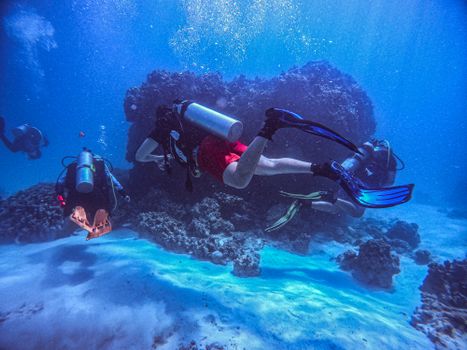
Just two hours earlier, fifty feet below the surface of the Florida Straits, I had been hovering in absolute weightlessness, carefully scraping a patch of barren limestone with a wire brush until it was bone-white. With a dollop of specialized epoxy, I pressed a finger-sized fragment of critically endangered staghorn coral (Acropora cervicornis) onto the reef. I held it for exactly thirty seconds, watching a curious yellowtail snapper inspect my work.
When I let go, the coral stayed. It was secure. It was alive. And it was the exact moment I realized that passive travel is dead.
We are no longer in an era where we can just "take only pictures, leave only footprints." Our oceans are in a state of emergency, and the modern traveler wants to be part of the solution. You don’t need a PhD in marine biology to save a reef. You just need a pair of fins, a decent level of buoyancy control, and the willingness to get your fingernails dirty—or rather, salty. Here is the definitive guide to hands-on coral restoration you can participate in right now.
---
1. Why Citizen Science is the Ultimate Travel Flex
For decades, reef conservation was locked behind academic doors. Professional scientists in white lab coats did the research; tourists paid to look at the pretty fish. That model failed. With rising sea temperatures and localized threats like runoff and overfishing, marine biologists realized they couldn't scale their efforts alone. They needed an army.
Enter
More pictures


Tags
Share this guide
We may earn a commission if you click a link and buy a product or service, at no extra cost to you. How affiliate links work.
Been there?