
Forget the "fly-and-flop" beach holiday. In May 2026, the most elite travelers are heading sub-surface to rebuild the planet. From micro-fragmenting in the Maldives to outplanting staghorn in the Florida Keys, this is your definitive guide to the most impactful (and exhilarating) coral restoration projects you can actually join. ---
The Weightless Revolution: Why I’m Trading My Sun Lounger for a Scuba Tank
I stepped off the wooden jetty in North Bali, the scent of clove cigarettes and salty exhaust lingering in the humid air. It was 7:15 AM, the sun a pale lemon disc over the Bali Sea. My dive master, Gede, didn't hand me a cocktail; he handed me a wire brush and a tray of "plugs"—tiny ceramic discs holding the future of the reef.
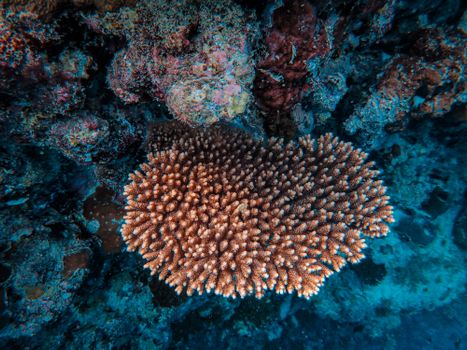
As I descended, the silence of the "big blue" took over. My regulator hissed, a rhythmic heartbeat in the quiet. Below me wasn't just a dive site; it was a construction zone. We weren't there to look; we were there to build. By the time I surfaced an hour later, my fingertips were pruned and my back ached, but I had personally "planted" 15 colonies of Acropora. That feeling—the shift from consumer to creator—is why coral restoration is the only way to travel in 2026.
1. The Maldives: High-Tech Healing in the Baa Atoll
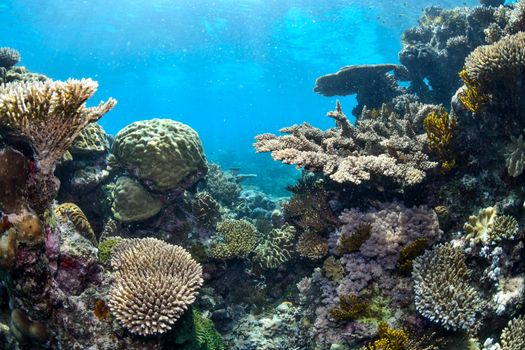
The Maldives is often dismissed as a honeymoon cliché, but in May 2026, it’s the epicenter of marine tech. The Baa Atoll, a UNESCO Biosphere Reserve, hosts some of the world’s most sophisticated "Reefscapers" programs.
The Experience: You aren't just splashing around. You’ll work alongside resident marine biologists to build "coral frames." These are large, sand-coated steel structures that provide a stable home for rescued coral fragments. Why May? May marks the transition between the dry and wet seasons. The water temperature is a consistent 29°C (84°F), perfect for coral growth, and the manta ray season is just kicking off at Hanifaru Bay. Pro-Tip: Book a stay at a resort with an on-site laboratory. Ask for a "behind-the-scenes" tour of the wet lab at 4 PM when they process the daily samples.
2. The Florida Keys: The "I-75" of Coral Recovery
The Florida Keys National Marine Sanctuary is home to the most ambitious reef project on Earth: Mission: Iconic Reefs.
The Experience: Join the Coral Restoration Foundation (CRF) for a "Public Tavernier" dive. You’ll spend the morning in a classroom learning about "micro-fragmenting"—the process of breaking coral into tiny pieces to stimulate rapid growth—and the afternoon on a boat. You’ll use specialized marine epoxy to "glue" nursery-grown corals onto the reef. Insider Language: Don't call them "plants." They are "outplants." And that "glue" you're using? It's a specific two-part Z-Spar epoxy that smells like a hardware store but works like magic underwater. Pro-Tip: The hidden entrance to the CRF Exploration Center in Key Largo is tucked behind a non-descript blue door next to the dive shop. It’s a goldmine of interactive tech that most tourists walk right past.
3. The Great Barrier Reef, Australia: Citizen Science at Scale
By May 2026, the Great Barrier Reef (GBR) will be in a critical recovery phase. The "Reef Restoration Foundation" on Fitzroy Island is where the real work happens.
The Experience: This is rugged, hands-on conservation. You’ll be cleaning "coral trees"—underwater PVC structures that look like Christmas trees draped in gold. You’ll use toothbrushes to scrub away algae that competes with the coral for space. The Vibe: It’s high-energy and scientific. You’ll be logging data on a slate, measuring the growth of "nubbins" (small coral fragments), and potentially witnessing the tail-end of a spawning event if the moon cycles align. Pro-Tip: Take the 7:30 AM "Fast Cat" ferry from Cairns to Fitzroy Island to beat the day-trippers. The best coffee on the island is at the small kiosk near the turtle rehabilitation center.
4. Gili Islands, Indonesia: The Community-Led Comeback
The Gili Islands (Trawangan, Meno, and Air) are the backpacker-turned-eco-warrior’s dream.
The Experience: Join the Gili Shark Conservation team. While the name says "sharks," their "Hexagon" project is the real star. They use hexagonal metal structures to bridge gaps in damaged reefs. You’ll help transport these frames and secure them to the sandy bottom using rebar. Authenticity: This isn't a polished corporate project. It’s gritty. You’ll be working with local "Biorock" technology, which uses low-voltage electrical currents to accelerate mineral crystallization on the frames, helping corals grow up to five times faster. Pro-Tip: Head to "The Yoga Place" on Gili T at sunset. It’s where the marine biologists congregate to talk shop over ginger tea.
5. Roatán, Honduras: The Caribbean’s Hidden Nursery
Roatán sits on the Mesoamerican Barrier Reef, the second-largest in the world.
The Experience: Bay Islands Conservation Association (BICA) offers intensive week-long workshops. You’ll learn to identify "Staghorn" and "Elkhorn" corals, the architects of the reef. The work here is physical—moving heavy structures and diving in slightly surgey conditions. The Logistics: May is the "sweet spot" in Roatán. The trade winds die down, leaving the "Ironshore" (the rocky coastline) with crystal-clear visibility often exceeding 30 meters (100 feet). Pro-Tip: Skip the main West End beach for lunch. Walk ten minutes south to a small shack called "Sandy Bunns"—their cinnamon rolls are the unofficial fuel of the local dive community.
Quick Facts & Logistics: May 2026
| Destination | Est. Cost (7 Days) | Difficulty | Best Way to Get There | | :--- | :--- | :--- | :--- | | Maldives | $3,500 - $6,000 | Easy | Fly to Malé (MLE), then seaplane. | | Florida Keys | $1,200 - $2,500 | Moderate | Fly to Miami (MIA), drive 1.5 hrs south. | | Great Barrier Reef | $2,000 - $3,500 | Moderate | Fly to Cairns (CNS), ferry to Fitzroy. | | Gili Islands | $800 - $1,500 | Hard (Physical) | Fly to Lombok (LOP), 15-min boat ride. | | Roatán | $1,500 - $2,800 | Moderate | Fly direct to Roatán (RTB). |
The Gear You Actually Need
Don't show up in a neon-pink "shorty" wetsuit. If you want to look like a pro:
- A Quality Dive Slate: For recording data and communicating "We need more epoxy!" without shouting.
- Streamlined BCD: Avoid dangling gauges. In restoration, if it dangles, it breaks a coral.
- Reef-Safe Sunscreen: If it doesn't say "Non-Nano Zinc Oxide," don't put it on your face. The chemicals in standard sunscreen are exactly what we're trying to save the reef from.
- A Long-Sleeve Rash Guard: You’ll be spending a lot of time hovering near abrasive structures. Protect your skin.
The Final Word: Travel with Purpose
In May 2026, the world doesn't need more tourists; it needs more stewards. When you participate in coral restoration, you aren't just taking a photo of a reef; you're ensuring that reef exists for the next generation. You’ll return home with more than a tan—you’ll have a "reef-cred" that lasts a lifetime.
Ready to get wet? The ocean is waiting, and she needs a hand.
---
More pictures
Tags
Share this guide
We may earn a commission if you click a link and buy a product or service, at no extra cost to you. How affiliate links work.
Been there?