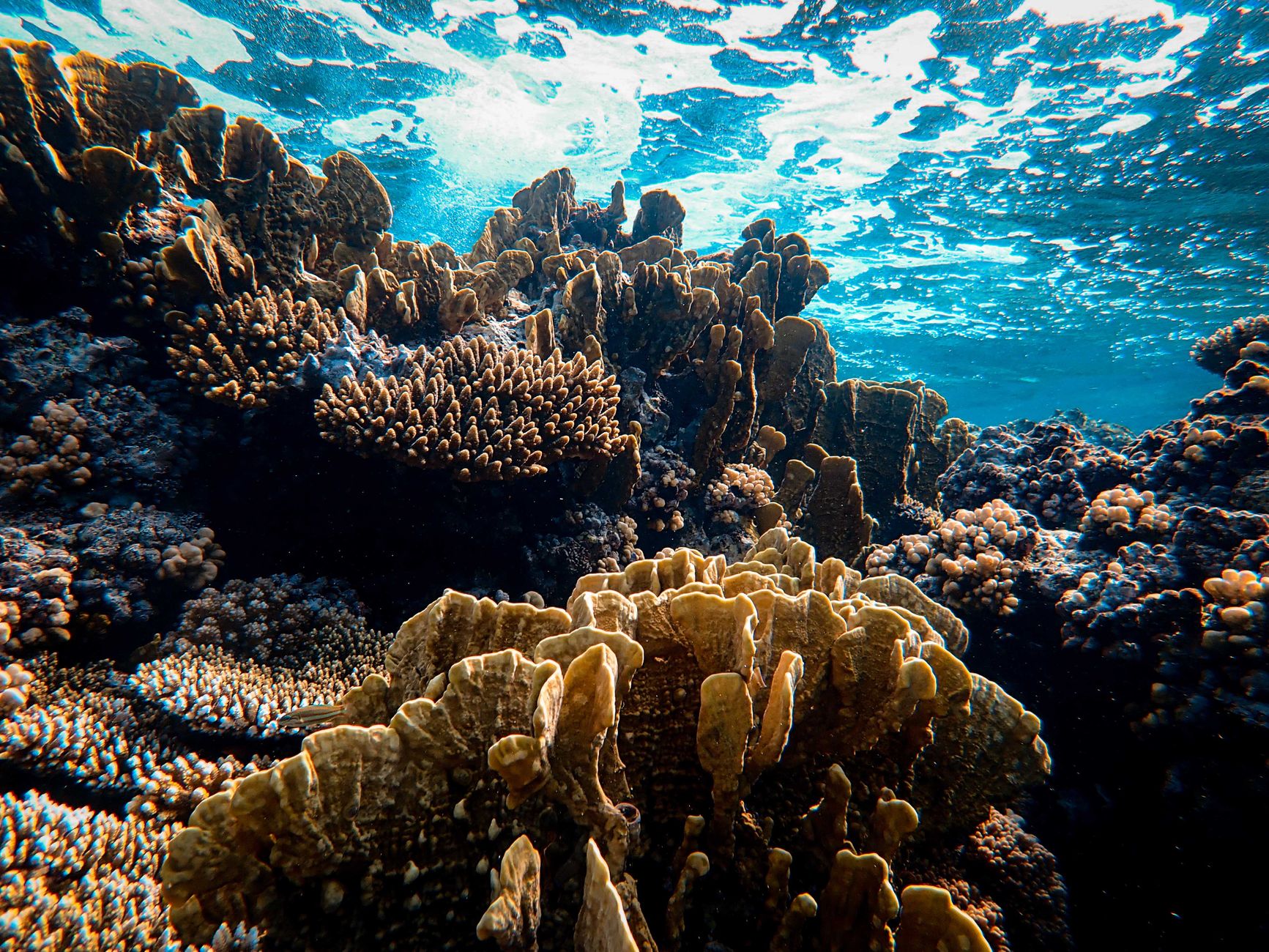
Want to do more than just stare at dying reefs on your next dive trip? In July 2026, citizen scientists can join world-class marine conservation initiatives across Australia, the Caribbean, Southeast Asia, and Florida. From attaching micro-fragments to subsea trees in Bonaire to deploying patented Coralclips® on the Great Barrier Reef, here is your definitive, high-authority guide to hands-on coral restoration programs accepting public volunteers in July 2026. ---
The Ultimate Guide to Hands-On Coral Restoration in July 2026
I stepped off the transfer skiff into four feet of crystal-clear ocean water off Key Largo, the morning air heavy with the smell of sun-baked neoprene, marine epoxy, and salty coastal pine. The sun had barely crested the Atlantic horizon, throwing golden light across the deck where six underwater slates, zip-tie cutters, and crates of coral fragments were lined up like surgical tools.
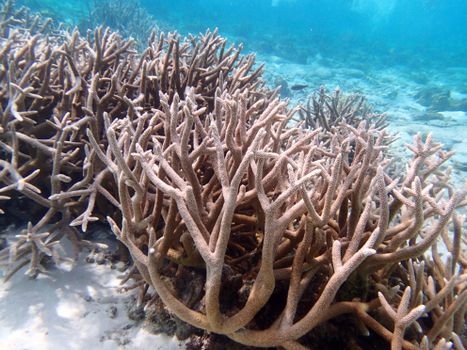
Twenty minutes later, twenty-five feet below the surface, I wasn’t just watching marine life—I was suspended upside down in zero buoyancy, carefully securing a palm-sized branch of staghorn coral (Acropora cervicornis) to a fiberglass nursery frame. Below me, thousands of previously outplanted corals waved their polyps in the gentle current. It was messy, technical, exhausting, and easily the most rewarding dive of my life.
Eco-tourism is evolving fast. Travelers no longer want passive sight-seeing; they want active stewardship. July 2026 offers a prime climatic window across both hemispheres for marine restoration—bringing optimal water visibility, manageable currents, and key biological windows for coral fragment growth.
Here is your vetted guide to the top global coral restoration programs accepting public volunteers, citizen scientists, and passionate divers in July 2026.
---
Why July 2026 is the Goldilocks Window for Reef Restoration
Timing a conservation trip isn’t like booking a standard beach holiday. Reef propagation work relies heavily on specific meteorological and oceanographic conditions:
- Northern Hemisphere Stability: July delivers warm, calm ocean conditions across Florida, the Dutch Caribbean, and the Gulf of Thailand. This minimizes wave surge, making delicate underwater construction and coral outplanting safe for non-professional scientific divers.
- Southern Hemisphere Winter Clarity: In Australia’s Great Barrier Reef, July falls during the dry season. Low rainfall means minimal run-off, yielding dramatic underwater visibility (often exceeding 30 meters) and comfortable tropical water temperatures hovering around 22–24°C (72–75°F).
- Spawning Preparation: Many hard coral species prepare for late-summer broadcast spawning between August and October. Propagating fragments in July gives newly attached corals a brief period to settle into their substrates before seasonal biological pushes occur.
---
5 World-Class Restoration Programs You Can Join in July 2026
1. Coral Restoration Foundation™ (Key Largo, Florida, USA)
- Best For: Scuba divers seeking short, intensive single-day or multi-day hands-on workshops.
- The Experience: Operating out of the Florida Keys, the Coral Restoration Foundation (CRF) manages the world’s largest offshore coral nurseries. Volunteers undergo land-based training on micro-fragmentation and nursery maintenance before boarding dive boats to clean nursery "trees" and outplant corals onto degraded reef sites using marine epoxy.
- July Advantage: Flat, glassy seas in the Florida Straits offer ideal conditions for precision underwater work.
- Pro-Tip: Book your CRF Dive Program slot at least six months in advance. July weekend slots fill up by February 2026 due to regional summer demand.
``` Location: Key Largo, Florida, USA Minimum Certification: PADI Open Water (or equivalent) + minimum 10 logged dives Core Focus: Staghorn and Elkhorn Coral Outplanting ```
---
2. Reef Renewal Foundation Bonaire (Kralendijk, Bonaire)
- Best For: Autonomous divers who love shore diving and flexible volunteering schedules.
- The Experience: Bonaire is world-famous for accessible shore diving, but Reef Renewal Foundation Bonaire (RRFB) takes it further. Through participating dive shops (like Buddy Dive Resort or VIP Diving), you can complete a 2-day Reef Renewal Diver Specialty Course. You'll learn to handle nursery trees, process coral fragments, and secure corals to artificial reefs using non-toxic ropes and bamboo structures.
- July Advantage: Bonaire lies safely south of the traditional hurricane belt, providing reliable, calm trade winds and 28°C water in July.
- Pro-Tip: Rent a pickup truck with tank racks. The hidden entrance to the house reef nursery at Salt Pier is easiest to access at dawn before tourist boats anchor nearby.
---
3. Coral Nurture Program (Cairns & Port Douglas, Australia)
- Best For: Eco-volunteers looking to work side-by-side with commercial dive operators and marine scientists on the Great Barrier Reef.
- The Experience: This groundbreaking Australian initiative bridges tourism and science. Volunteers join specialized day tours out of Port Douglas or Cairns to assist staff using the Coralclip®—a spring-loaded device that attaches coral fragments to the reef matrix without chemical adhesives. You’ll spend dive intervals cataloging survival rates on underwater slates.
- July Advantage: July is peak dry season in Far North Queensland. Humpback whales are migrating through the Coral Sea, meaning your safety stops are often accompanied by distant whale songs.
- Pro-Tip: Base yourself in Port Douglas rather than Cairns for faster access to Agincourt Reef, where the high-energy outer reef nurseries are located.
---
4. Ocean Gardener (Nusa Penida & Bali, Indonesia)
- Best For: Serious conservationists seeking deep technical knowledge in coral taxonomy and identification.
- The Experience: Founded by marine biologists, Ocean Gardener focuses heavily on scientific education. Their 3-day and 7-day courses teach you to identify dozens of Acropora and soft coral species, construct underwater spider-frame structures, and monitor coral health indices.
- July Advantage: The dry southeast monsoon in July clears up Balinese coastal waters, providing pristine condition for underwater construction work along Nusa Penida's current-swept walls.
- Pro-Tip: Pack a 3mm full wetsuit despite the tropical location; upwellings off Nusa Penida in July can suddenly drop water temperatures to 20°C (68°F).
---
5. New Heaven Reef Conservation Program (Koh Tao, Thailand)
- Best For: Long-term volunteers, gap-year travelers, and aspiring marine biologists wanting a comprehensive 1- to 4-week program.
- The Experience: Situated on the tropical island of Koh Tao, New Heaven runs one of the oldest hands-on community marine conservation programs in Asia. Daily schedules alternate between land-based lectures and tactical dives focused on artificial reef construction, micro-fragmentation, giant clam nursery maintenance, and crown-of-thorns starfish management.
- July Advantage: While the Andaman coast (Phuket) experiences heavy monsoon rains in July, the Gulf of Thailand enjoys warm, calm, sunny weather.
- Pro-Tip: Opt for the 2-week program over the 1-week option. Week two grants you access to technical tasks like welded frame installation and active substrate restoration.
---
Skill Levels & Requirements: What You Need Before You Suit Up
Restoration work is active underwater labor. You don't need a marine biology degree, but you do need precise control over your movement.
- Flawless Buoyancy: Hovering inches above delicate coral heads without touching them or kicking up silt is mandatory. Practice your peak performance buoyancy before arrival.
- Minimum Certification: Most basic outplanting programs require an Open Water Diver certification with at least 10–20 logged dives. Advanced programs (like deep nursery maintenance) require Advanced Open Water.
- Physical Fitness: You will be lifting subsea frames, holding underwater clip-tools, and wrestling gentle currents while maintaining static positions.
---
Practical Gear Tips for Conservation Diving
- Ditch the Chemical Sunscreen: Standard sunscreens leach toxic compounds (like oxybenzone) into marine environments. Wear a UPF 50+ long-sleeve rashguard or exposure skin instead of applying sunscreen beneath your wetsuit.
- Bring a Mesh Slate & Shears: Standard dive slates fill up fast during species surveys. Carry underwater pencils, extra eraser caps, and compact stainless-steel shears for trimming zip-ties cleanly without leaving sharp plastic edges underwater.
- Zero-Touch Gear Setup: Streamline your dive kit. Tuck your octopus and pressure gauge console tightly against your body to prevent loose hoses from dragging across sensitive nursery trees.
---
Logistics & Cost Breakdown for July 2026
| Program | Location | Duration | Estimated Cost (USD) | Min. Dive Cert | July Highlight | | :--- | :--- | :--- | :--- | :--- | :--- | | Coral Restoration Foundation | Key Largo, USA | 1–2 Days | $250 – $450 | Open Water | Glassy seas, easy shallow nursery access | | Reef Renewal Bonaire | Kralendijk, Bonaire | 2 Days (Course) | $300 – $500 | Open Water | Unlimited shore-based nursery monitoring | | Coral Nurture Program | Port Douglas, Australia | 1–3 Days | $350 – $900 | Open Water | Minke/Humpback whale season visibility | | Ocean Gardener | Nusa Penida, Indonesia | 3–7 Days | $400 – $950 | Advanced OW | Technical taxonomy & spider-frame builds | | New Heaven Conservation | Koh Tao, Thailand | 1–4 Weeks | $550 – $1,800 | Open Water | Gulf monsoons clear; ideal summer conditions |
\Note: Costs generally cover course materials, dive boats, tanks, and direct non-profit contributions. Accommodations and international flights are separate.
---
How to Book Your July 2026 Spot Now
Conservation spots are strictly regulated to protect fragile reef ecosystems from diver overcrowding. Non-profit operators generally cap daily scientific participant numbers to 4–8 divers per vessel.
- 6–9 Months Prior (October–December 2025): Reserve your volunteer program slots directly on operator websites.
- 3–5 Months Prior (February–March 2026): Book eco-certified accommodations and secure regional transit (e.g., car rentals in the Florida Keys or island ferries in Thailand).
- 1 Month Prior (June 2026): Refresh dive safety profiles, log pool buoyancy sessions, and verify dive insurance policies (e.g., DAN) explicitly cover volunteer scientific diving operations.
---
Final Thoughts: Leaving the Ocean Better Than You Found It
There is a distinct moment on a coral restoration dive that stays with you forever. You surface from a 45-minute dive, look back down into the blue ocean, and realize that a reef structure that was bare limestone an hour ago is now populated with growing marine life because of work you did with your own hands.
As you plan your travel calendar for July 2026, step beyond passive sightseeing. Pack your mask, fine-tune your buoyancy, and book a seat on a restoration boat. The reefs need our hands, our focus, and our stewardship now more than ever.
---
More pictures



Tags
Share this guide
We may earn a commission if you click a link and buy a product or service, at no extra cost to you. How affiliate links work.
Been there?