
Conservation volunteering can do real good, but only when the project is well run. Here is how to tell the difference.
Why quality matters
Some projects rely on volunteers' fees but contribute little to conservation. Others are run by scientists, rangers or local communities and genuinely benefit from extra hands. Choosing well is the most important step.
What good projects look like
- Clear scientific or conservation goals, with published results or partnerships with universities, parks or local NGOs.
- Local leadership and employment. Local people should be paid and involved in decisions.
- Transparent costs. The project should explain what your fee covers and where the money goes.
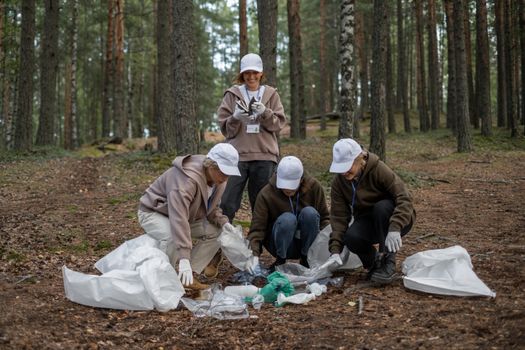
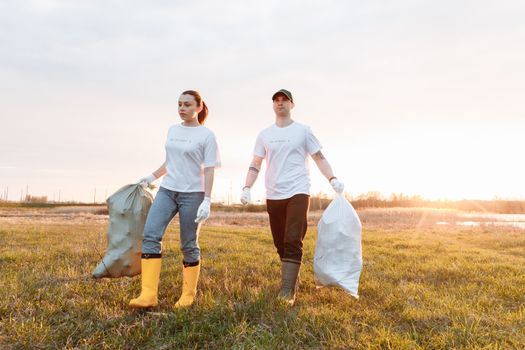
- Skills matter. Tasks should match what volunteers can do, such as data collection, beach cleaning, tree planting or trail work.
- No contact with wild animals as entertainment.
Red flags
- Promises of cuddling, feeding or riding wild animals.
- Vague descriptions or no named partners.
- No safety, child-protection or insurance information.
- Pressure to book immediately or pay a large fee up front.
Where to find projects
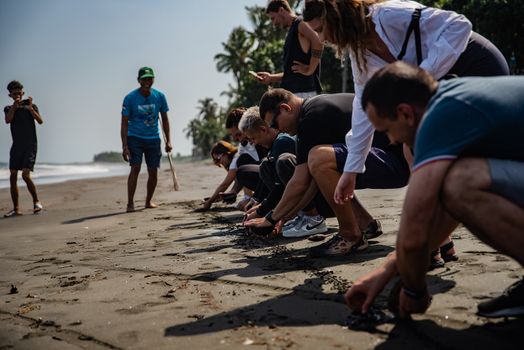
Look at national parks, established NGOs and university field programmes. Examples include sea turtle monitoring, coral surveys, reforestation and trail maintenance. Ask to speak to a past volunteer.
Costs and time
Short projects of one to two weeks often cost several hundred pounds including accommodation. Longer stays usually reduce the daily rate. Check what is included, and budget for travel and insurance.
Check entry rules and any vaccination or permit requirements well before you travel.


Been there?