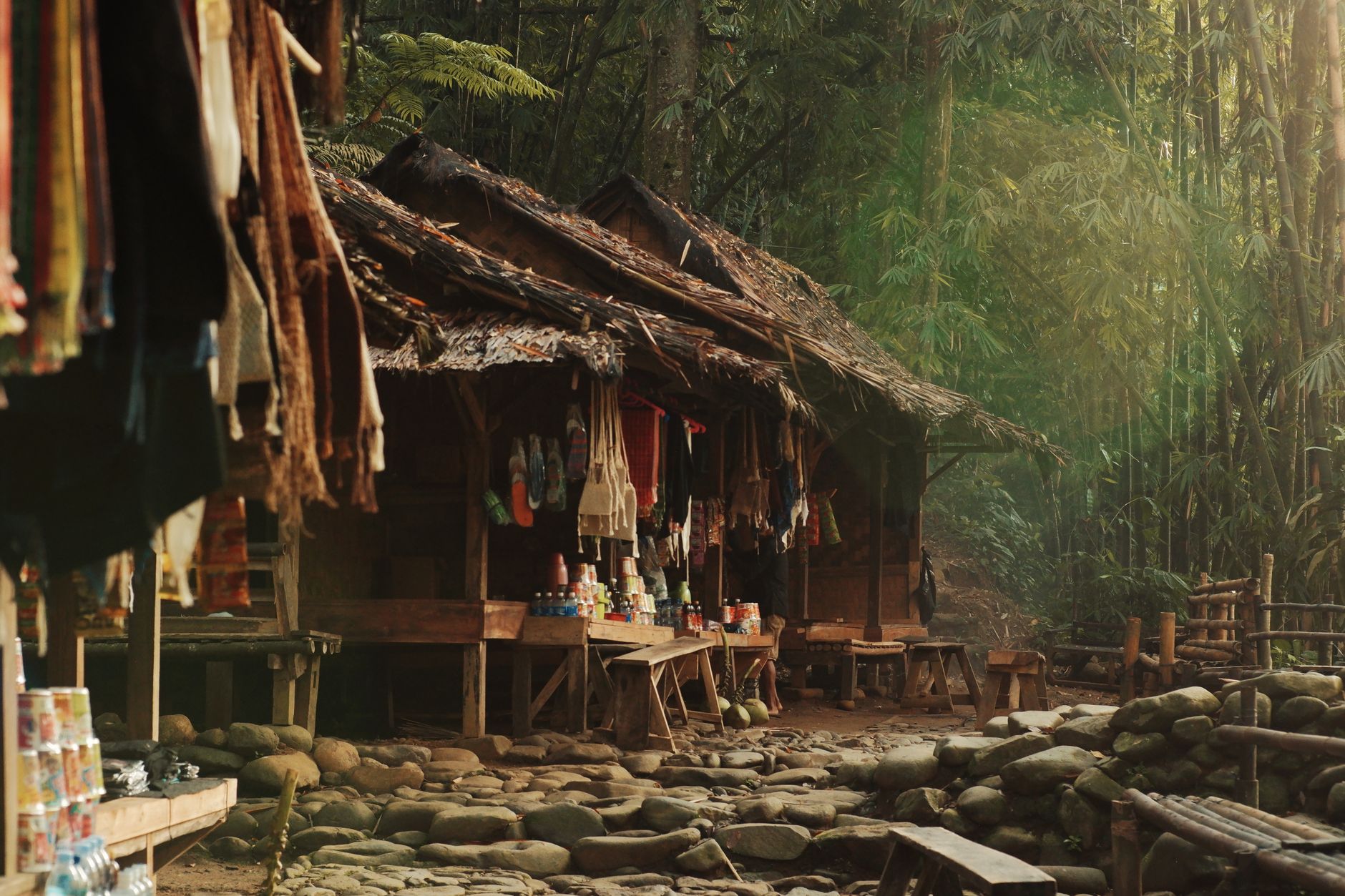
Ditch the tourist traps! Imagine waking to the scent of freshly baked bread, hands crafting intricate textiles, and your travel dollars directly uplifting a village. This is community tourism that *works*. Get ready for an adventure that enriches your soul AND their lives.
The Hook: A Symphony of Senses in a Tuscan Hamlet
I stepped off the rattling local train, the Tuscan sun already a warm caress on my skin. The air, thick with the intoxicating perfume of rosemary and sun-baked earth, was punctuated by the distant, rhythmic clang of a blacksmith’s hammer and the cheerful chatter of Italian voices. This wasn't the manicured perfection of a postcard; this was raw, vibrant life. I’d arrived in a small, unnamed hamlet, a place barely visible on most maps, seeking something more than just sights – I was seeking connection, and the promise that my presence could actually mean something. And oh, did it deliver.
Beyond the Souvenir Shop: What is Community Tourism, Really?
Let’s cut through the jargon. Community tourism isn’t just about visiting a place; it’s about engaging with it in a way that directly empowers the people who call it home. It’s a conscious choice to funnel your travel budget into local hands, supporting artisans, farmers, guesthouses, and guides who represent the genuine heart of a destination. This isn't about charity; it’s about reciprocal benefit. You get an unparalleled, authentic experience, and the local economy thrives, preserving culture and creating sustainable livelihoods.
Why Your Travel Choices Matter More Than Ever
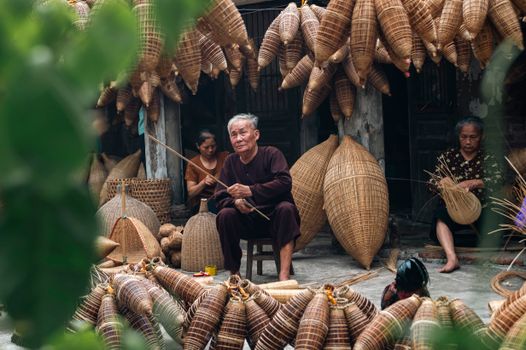
In an era where mass tourism can often dilute culture and strain resources, community tourism offers a potent antidote. It’s a powerful tool for economic empowerment, providing income streams that can be reinvested in education, healthcare, and infrastructure. It fosters cultural preservation, giving locals a tangible reason and the means to keep their traditions alive. And for us travelers? It offers a deeper, more meaningful connection to the places we visit, transforming us from passive observers to active participants.
Case Study 1: The Weaver’s Village of San Lorenzo (Italy)
My Tuscan adventure took me to San Lorenzo, a village where the ancient art of weaving has been passed down through generations. Forget mass-produced trinkets; here, every thread tells a story.
H3: The Sensory Immersion: Threads of Tradition
The moment I entered Signora Elena’s workshop, the air hummed with the gentle whir of her antique loom. Sunlight streamed through the dusty windows, illuminating skeins of vibrant wool dyed with local plants – saffron for yellow, walnut husks for deep browns, indigo for blues that mirrored the sky. The rhythmic clack of the shuttle was a hypnotic soundtrack, and the faint, sweet scent of lanolin filled the small space. Signora Elena, her hands gnarled but incredibly nimble, showed me how she spun the wool, her eyes twinkling as she explained the symbolism behind each intricate pattern woven into the scarves and blankets.
Pro-Tip: The Weaver's Secret
Signora Elena’s workshop is open daily from 9 AM to 1 PM. Arrive early to witness the most intricate work and enjoy a personal demonstration. The best way to support her is to purchase directly from her workshop – her prices are incredibly fair for the hours of painstaking work involved.
Quick Facts: San Lorenzo Weaver's Experience
- Estimated Cost: €50-€150 (for workshops, demonstrations, and direct purchases)
- Best Time to Visit: Spring (April-May) for pleasant weather and blooming wildflowers, or Autumn (September-October) for harvest festivals.
- How to Get There: Take the regional train from Florence to Siena, then a local bus (Line 23) to the junction for San Lorenzo. The village is a short, scenic walk from the bus stop.
Case Study 2: The Spice Farmers of Kerala (India)
Venturing south to the lush backwaters of Kerala, I found myself on a small, family-run spice plantation, a world away from the bustling tourist hubs. This was about understanding the very essence of what flavors the world.
H3: The Aromatic Awakening: A Symphony of Scents
Stepping onto the plantation was like entering an olfactory wonderland. The air was a heady mix of cardamom, cloves, pepper, and cinnamon, so potent it made my head spin in the best possible way. My guide, a third-generation farmer named Rajesh, led me through groves of towering trees laden with peppercorns, showed me the delicate flowers of vanilla vines, and let me crush fresh cardamom pods between my fingers, releasing their pungent aroma. He explained the traditional, sustainable farming methods, how they intercropped to maintain soil health, and the crucial role each spice played not just in cuisine, but in traditional Ayurvedic medicine.
Pro-Tip: The Hidden Spice Garden
To truly appreciate the diversity, ask for a guided tour that includes the 'hidden' medicinal herb garden. It’s not always on the standard itinerary but offers fascinating insights into local remedies. Visit during the spice harvest season (November to March) for the most vibrant displays and the chance to participate in drying and processing.
Quick Facts: Kerala Spice Plantation Tour
- Estimated Cost: ₹1000-₹3000 (approx. $12-$36 USD) for guided tours, tasting sessions, and fresh spice purchases.
- Best Time to Visit: Dry season (November to March) for optimal harvest and pleasant weather.
- How to Get There: Fly into Kochi (COK) or Thiruvananthapuram (TRV). From there, hire a local taxi or take a pre-booked car service to the plantation, often located near Alleppey or Thekkady. Many homestays in the region offer plantation visits.
Case Study 3: The Artisans of Oaxaca (Mexico)
Oaxaca, Mexico, is a kaleidoscope of color and creativity, and its true magic lies in its vibrant artisan communities. This isn't just about admiring crafts; it's about participating in their creation.
H3: The Creative Crucible: Color, Clay, and Community
My journey led me to a small village renowned for its alebrijes – fantastical, brightly painted wooden creatures. The air here vibrated with the cheerful chipping of wood and the vibrant hues of paint. I met a family who had been carving and painting these intricate figures for decades. The father, a master carver, showed me the painstaking process of selecting the copal wood, shaping it with machetes and knives, and then handing it over to his children who meticulously painted each piece with impossibly fine brushes, bringing the mythical beasts to life. The sheer dedication and inherited skill were breathtaking.
Pro-Tip: The Unmarked Studio
Many of the most talented artisans don't have formal shops. Ask your local guide or homestay host for recommendations to visit their actual studios. Look for the unpainted, raw wooden pieces drying outside small homes – that’s often a sign of an active workshop. Visiting during a local festival (like Día de Muertos) offers an even more immersive experience.
Quick Facts: Oaxaca Artisan Village Visit
- Estimated Cost: $20-$100+ USD (depending on the size and complexity of purchased pieces). Workshop participation can range from $50-$200.
- Best Time to Visit: Year-round, but the Day of the Dead celebrations (late October/early November) and Guelaguetza festival (July) are exceptional.
- How to Get There: Fly into Oaxaca International Airport (OAX). Hire a taxi or arrange a private tour to visit the artisan villages like San Martín Tilcajete (alebrijes) or Teotitlán del Valle (textiles).
Case Study 4: The Coastal Cooperatives of the Philippines
In the Philippines, community tourism often takes a sustainable, ocean-focused approach, empowering coastal communities through responsible fishing and marine conservation.
H3: The Salty Embrace: Tides of Transformation
Imagine the dawn breaking over a tranquil bay, the gentle lapping of waves against wooden outriggers. I joined a local fishing cooperative, not as a tourist observer, but as an active participant (albeit a clumsy one!). We set out before sunrise, the air cool and carrying the briny scent of the sea. The fishermen explained their traditional, sustainable fishing methods, emphasizing practices that ensure the long-term health of the coral reefs and fish populations. Later, I learned about their efforts in marine conservation, helping to maintain artificial reefs and participating in beach clean-ups. The sense of shared purpose and pride was palpable.
Pro-Tip: The Early Bird Catches the… Fish?
To truly understand the fishing rhythm, join the early morning or late afternoon fishing trips. Many cooperatives also offer snorkeling or diving tours to nearby protected marine areas, giving you a front-row seat to their conservation efforts. Look for cooperatives actively involved in seaweed farming or pearl cultivation for unique insights.
Quick Facts: Philippine Coastal Cooperative Experience
- Estimated Cost: $30-$100 USD (for boat trips, guided snorkeling/diving, and direct purchase of fresh seafood).
- Best Time to Visit: Dry season (December to May) offers calm seas and excellent visibility for underwater activities.
- How to Get There: Fly into major hubs like Manila (MNL) or Cebu (CEB), then take domestic flights to smaller island airports. Arrange transfers with your chosen cooperative or eco-lodge. Popular areas include Palawan, Bohol, and Sorsogon.
The Heart of the Matter: Why This Matters to YOU
This isn't just about ticking boxes or collecting passport stamps. Community tourism is an invitation to slow down, connect, and contribute. It’s about tasting food cooked with generations of knowledge, hearing stories whispered by elders, and seeing traditions kept alive by passionate hands. It’s about understanding that your travel dollars can be a force for good, fostering respect, understanding, and mutual benefit.
The Ripple Effect: More Than Just a Transaction
When you choose community tourism, you’re not just buying a product; you’re investing in a community. This investment can lead to:
- Improved local infrastructure: Schools, clinics, and clean water projects.
- Preservation of cultural heritage: Traditional crafts, languages, and ceremonies.
- Empowerment of women and marginalized groups: Providing them with economic opportunities.
- Environmental conservation: Incentivizing locals to protect their natural resources.
- Authentic, unforgettable memories: Experiences that stay with you long after you’ve returned home.
Navigating the Path: How to Find and Support Community Tourism
Finding these gems requires a little intention, but the rewards are immense.
H3: Your Toolkit for Conscious Exploration
- Research Local Tourism Boards: Many official tourism websites highlight community-based initiatives.
- Look for Certifications: While not always present, look for labels indicating sustainable or community-based tourism.
- Engage with Local Hosts: Homestays and small, locally-owned guesthouses are often the best gateways to community experiences.
- Ask Questions: Don't be afraid to inquire about how your money is being used and the impact on the local community.
- Be Respectful: Learn a few basic phrases, dress appropriately, and always ask permission before taking photos of people.
- Support Directly: Whenever possible, purchase goods and services directly from local producers and artisans.
The Final Word: Travel with Purpose
The world is brimming with opportunities to travel in a way that enriches both you and the places you visit. Community tourism that benefits local economies isn't a niche trend; it's the future of travel. It’s about making every journey a meaningful exchange, a celebration of shared humanity, and a testament to the power of conscious choices. So, step off the beaten path, open your heart, and discover the true magic that happens when travel truly gives back.
More pictures

Tags
Share this guide
We may earn a commission if you click a link and buy a product or service, at no extra cost to you. How affiliate links work.
Been there?