
Ever dreamt of a trip that leaves a lasting positive impact long after you've returned home? This October 2025, transform your vacation into an adventure that truly gives back, immersing you in vibrant cultures while empowering local communities. Get ready to discover projects that will not only enrich your soul but also make a tangible difference. ---
Travel with Heart: Top Community Tourism Projects Worth Supporting in October 2025
I remember standing on a dusty path in rural Nepal, a world away from my usual city buzz. The air was crisp, carrying the scent of woodsmoke and blooming rhododendrons. I wasn't just trekking; I was part of a small group staying in a local homestay, contributing directly to the family's livelihood. That evening, sharing a simple, delicious dhal bhat with my host family, listening to their stories through a translator, something shifted within me. It wasn't just a trip; it was a connection, a shared humanity that transcended language barriers. It was the moment I truly understood the power of community tourism.
We travel to explore, to learn, to escape. But what if our wanderlust could also be a force for good? What if every dollar we spent, every interaction we had, directly uplifted the people and places we visited? This isn't a utopian dream; it's the reality of community tourism. And as we look ahead to October 2025, a month often graced with perfect weather in many parts of the world, it's the ideal time to plan a trip that truly gives back.
October is that sweet spot: the summer crowds have dispersed in many popular destinations, the intense heat of tropical regions begins to mellow, and vibrant harvest festivals often paint local landscapes. It’s a prime window for deeper engagement, authentic encounters, and contributing to projects that are making a real, tangible difference.
At Tripsora, we believe travel should be transformative – not just for you, but for the communities you visit. So, pack your bags, open your heart, and let's dive into some incredible community tourism projects that are absolutely worth supporting in October 2025.
1. The Maasai Mara Conservancies, Kenya: Wildlife & Cultural Guardians
Location: Maasai Mara National Reserve ecosystem, Kenya Focus: Wildlife conservation, cultural preservation, sustainable livelihoods
My first time witnessing the Great Migration in the Maasai Mara was awe-inspiring, but it was my visit to a Maasai cultural boma that truly grounded the experience. I learned how these vibrant communities, for generations, have coexisted with wildlife. Today, Maasai-owned conservancies are at the forefront of a revolutionary conservation model. Unlike traditional national parks, these conservancies lease land directly from Maasai landowners, ensuring that local communities benefit directly from tourism revenue. This incentivizes them to protect wildlife and their ancestral lands.
In October 2025, the tail end of the Great Migration might still offer dramatic crossings, but even if not, the Mara is always teeming with life. Staying in a community-owned camp or lodge within a conservancy means your accommodation fees go directly to land leases, employment for local Maasai, and community development projects like schools and health clinics. You can participate in walking safaris led by Maasai guides, visit a traditional village, learn about their rich culture, and even help monitor wildlife.
What to Expect:
- Authentic Cultural Immersion: Engage directly with Maasai elders and warriors, learn about their traditions, beadwork, and way of life.
- Exceptional Wildlife Viewing: Experience game drives and walking safaris in areas with fewer vehicles, often leading to more intimate wildlife encounters.
- Direct Impact: Your stay contributes directly to land lease payments for Maasai landowners, creating a sustainable income that ensures the protection of critical wildlife corridors.
- Instagram Moment: A sunrise hot air balloon safari over the Mara, followed by a visit to a Maasai village, sharing stories around a crackling fire under a star-studded African sky. Pure magic.
Practical Details:
- Cost Estimate: Mid-range to luxury conservancy lodges can range from $400-$1000+ per person per night, often all-inclusive (game drives, meals). More budget-friendly options exist outside the conservancies, but direct impact is reduced.
- Booking Tip: Look for lodges and camps explicitly stating their partnership with Maasai conservancies, such as Mara Naboisho, Olare Motorogi, or Enonkishu Conservancies. Book well in advance for October 2025, as this is still peak season.
- Getting There: Fly into Jomo Kenyatta International Airport (NBO) in Nairobi, then take a domestic flight to one of the Mara's airstrips.
2. The Sacred Valley Weavers, Peru: Preserving Ancient Traditions
Location: Various villages in the Sacred Valley, Cusco Region, Peru Focus: Cultural heritage preservation, empowering women, sustainable artisan livelihoods
High in the Peruvian Andes, nestled between dramatic peaks, lies the Sacred Valley. While Machu Picchu often steals the spotlight, the valley's true heart beats in its indigenous Quechua communities. I once spent a day in the village of Chinchero, watching elderly women, their faces weathered by sun and time, meticulously dye alpaca wool with natural pigments derived from plants and insects. Their hands moved with centuries of inherited wisdom, transforming raw fiber into vibrant threads, then into intricate textiles.
The Center for Traditional Textiles of Cusco (CTTC) is a non-profit organization dedicated to preserving ancient weaving traditions and empowering Quechua women. They connect weavers from various communities, ensuring fair trade practices and providing a platform for their exquisite work. Visiting these communities in October 2025 offers a chance to witness an art form that dates back to the Incas, learn about their symbols and stories woven into each piece, and purchase directly from the artisans.
What to Expect:
- Hands-on Workshops: Participate in natural dyeing or backstrap weaving demonstrations, perhaps even try your hand at it.
- Cultural Exchange: Share a meal, learn a few Quechua phrases, and understand the daily life of these resilient communities.
- Ethical Shopping: Purchase authentic, handmade textiles directly from the weavers, ensuring they receive fair compensation for their incredible skill. This is the ultimate souvenir!
- Instagram Moment: A close-up shot of vibrant alpaca wool being dyed in ancient vats, or a portrait of a smiling weaver demonstrating her craft against the backdrop of the majestic Andes.
Practical Details:
- Cost Estimate: Day tours from Cusco or Ollantaytambo focusing on community visits and workshops can range from $80-$150 per person, excluding textile purchases. You can also visit communities independently (e.g., Chinchero, Pisac, Patacancha) and pay small entrance fees or for workshops.
- Booking Tip: Look for tour operators that explicitly partner with CTTC or other recognized fair-trade textile cooperatives. Consider staying in a community-run guesthouse if available.
- Getting There: Fly into Alejandro Velasco Astete International Airport (CUZ) in Cusco. From there, the Sacred Valley villages are easily accessible by taxi or local bus. October is generally dry and pleasant, perfect for exploring.
3. The Mekong Delta Homestays, Vietnam: Life on the Water
Location: Can Tho, Ben Tre, and other provinces in the Mekong Delta, Vietnam Focus: Rural development, sustainable livelihoods, cultural exchange
The Mekong Delta, often called Vietnam's "rice bowl," is a labyrinth of rivers, canals, and emerald green rice paddies. My journey here involved navigating narrow waterways by sampan, the air thick with the scent of tropical fruit and the distant hum of motors. Staying in a homestay in a small village near Can Tho was an unforgettable experience. I woke up to the crow of roosters, helped my host family prepare a traditional breakfast, and explored the vibrant floating markets.
Many homestays in the Mekong Delta are family-run initiatives that allow visitors to experience authentic rural Vietnamese life while providing direct income to local families. They offer a unique perspective on a way of life intrinsically linked to the Mekong River. In October 2025, the delta will be lush and verdant, potentially with some lingering rains, but generally a beautiful time to visit before the peak dry season.
What to Expect:
- Authentic Local Life: Live like a local, sharing meals, participating in daily chores (like gardening or cooking), and learning about the delta's unique culture.
- Riverine Adventures: Explore canals by boat, visit fruit orchards, coconut candy workshops, and bustling floating markets.
- Culinary Delights: Learn to cook traditional Vietnamese dishes using fresh, local ingredients. My host taught me how to make Banh Xeo (sizzling pancakes) – a skill I still cherish!
- Direct Support: Your stay directly supports the host family and local micro-businesses in the village.
- Instagram Moment: A snapshot of a colorful floating market at dawn, or a serene moment paddling a sampan through a coconut grove, the water reflecting the lush greenery.
Practical Details:
- Cost Estimate: Homestays are typically very affordable, ranging from $20-$50 per night, often including meals and basic activities. Multi-day tours that include homestays are also available, usually $100-$300+.
- Booking Tip: Research reputable homestays through platforms like Booking.com or Airbnb, paying attention to reviews that highlight community engagement. Many can be booked directly or through local tour agencies in Can Tho.
- Getting There: Fly into Tan Son Nhat International Airport (SGN) in Ho Chi Minh City, then take a bus or private car to your chosen delta province (e.g., Can Tho is about 3-4 hours).
4. Puglia's Olive Grove Revival, Italy: Agri-Tourism with a Purpose
Location: Rural areas of Puglia, Southern Italy Focus: Sustainable agriculture, rural regeneration, culinary heritage
When I think of Italy, my mind often drifts to ancient ruins and bustling cities. But my most recent trip took me to the sun-drenched heel of the boot – Puglia. Here, amidst ancient olive groves, I discovered a different kind of Italian charm. The region has faced challenges with olive tree diseases and rural depopulation, but community-led agri-tourism projects are breathing new life into the land. Staying in a renovated masseria (fortified farmhouse) or trullo (traditional dry-stone hut) that actively engages in sustainable farming and local employment felt deeply satisfying.
In October 2025, Puglia will be in the midst of its olive harvest, an incredibly vibrant and authentic experience. Many farms welcome guests to participate in the harvest, learn about olive oil production, and enjoy farm-to-table culinary experiences. These projects not only preserve agricultural traditions but also provide vital income to local families, preventing rural exodus and maintaining the unique Puglian landscape.
What to Expect:
- Olive Harvest Experience: Get your hands dirty! Participate in the ancient tradition of olive picking and learn about the journey from tree to award-winning olive oil.
- Culinary Immersion: Enjoy cooking classes focused on Puglian cuisine, using fresh, seasonal ingredients directly from the farm or local markets. Savor homemade pasta, fresh seafood, and, of course, exquisite olive oil.
- Rural Charm: Stay in beautifully restored masseria or trulli, experiencing the tranquility of the Puglian countryside.
- Direct Support: Your stay and purchases directly support local farmers, artisans, and small businesses, helping to sustain the region's agricultural heritage.
- Instagram Moment: A picturesque trullo nestled amidst ancient olive trees under a golden Puglian sunset, or a close-up of a hand-pressed olive oil tasting.
Practical Details:
- Cost Estimate: Stays at agriturismos or masserias can range from $100-$300+ per night, often including breakfast. Harvest experiences or cooking classes might be extra ($50-$150 per person).
- Booking Tip: Search for "agriturismo Puglia" or "masseria Puglia" on sites like Agriturismo.it or direct via local tourism boards. Look for those emphasizing organic farming, local employment, and immersive experiences.
- Getting There: Fly into Bari Karol Wojtyla Airport (BRI) or Brindisi Airport (BDS). Renting a car is highly recommended for exploring Puglia's rural charm.
5. The Himalayan Foothills Trek & Teach, Nepal: Rebuilding & Empowering
Location: Remote villages in the Annapurna or Langtang regions, Nepal Focus: Post-earthquake recovery, education, sustainable trekking livelihoods
Nepal holds a special place in my heart. After the devastating earthquakes, many communities in the Himalayan foothills were left struggling. On my last visit, I joined a "Trek & Teach" program that partnered with local schools and homestays. It wasn't just about the breathtaking views of Everest or Annapurna; it was about the resilience of the Nepali people and the direct impact I could have. We trekked through stunning landscapes, staying in simple, family-run guesthouses, and spent a few days volunteering in a local school, helping with English lessons and basic infrastructure.
In October 2025, Nepal's weather is typically clear and dry, offering spectacular mountain views – perfect for trekking. Many community-based trekking initiatives still focus on rebuilding efforts and sustainable tourism, ensuring that porters and guides receive fair wages, and that tourism revenue flows directly into village development. Choosing these projects means your adventure directly supports communities still recovering and striving for a brighter future.
What to Expect:
- Meaningful Trekking: Experience world-class trekking with the added layer of knowing your journey supports local livelihoods and infrastructure.
- Educational Exchange: If you choose a "Teach" component, share skills or simply interact with local children, bridging cultural gaps.
- Authentic Homestays: Stay in basic but welcoming guesthouses, sharing meals and stories with Nepali families.
- Stunning Scenery: Wake up to panoramic views of the Himalayas, hike through rhododendron forests, and cross suspension bridges over rushing rivers.
- Instagram Moment: A candid shot of you sharing a laugh with Nepali children in a village school, or a breathtaking vista of the Annapurna range from a mountain pass.
Practical Details:
- Cost Estimate: A 7-10 day community-based trek can range from $700-$1500+, including guides, porters, accommodation, and food. This varies greatly depending on the itinerary and level of comfort.
- Booking Tip: Look for reputable local Nepali trekking agencies that explicitly state their commitment to fair wages for porters and guides, and their involvement in community development projects. Companies like Community Homestay Network Nepal or specific local operators focused on responsible tourism are good starting points.
- Getting There: Fly into Tribhuvan International Airport (KTM) in Kathmandu. Most treks start after a domestic flight or bus journey from Kathmandu or Pokhara.
6. The Fijian Coral Coast Guardians, Fiji: Marine Conservation & Village Life
Location: Coral Coast, Viti Levu, Fiji Focus: Marine conservation, traditional village life, sustainable tourism
Imagine waking up to the gentle lapping of waves, the air warm and humid, carrying the scent of salt and tropical flowers. That was my experience on Fiji's Coral Coast, where I participated in a project focused on reef restoration. The vibrant coral reefs surrounding Fiji are not just beautiful; they are vital to the health and livelihood of coastal communities. Many resorts and local organizations are partnering with villages to protect these precious ecosystems, often involving tourists in their efforts.
October 2025 marks the tail end of Fiji's dry season, offering warm, sunny days and calm waters – perfect for snorkeling, diving, and exploring the reefs. Choosing to stay at a resort or participate in a program that directly funds marine conservation and supports local villages allows you to enjoy Fiji's paradise while actively contributing to its preservation. You can learn about traditional fishing methods, help plant coral fragments, and immerse yourself in the warm, welcoming "Bula!" spirit of Fijian culture.
What to Expect:
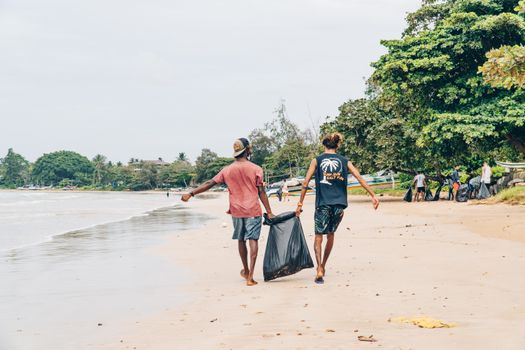
- Hands-on Conservation: Participate in coral planting, reef monitoring, or beach clean-ups alongside local marine biologists and villagers.
- Authentic Village Visits: Experience traditional Fijian village life, share a kava ceremony, enjoy a Meke (traditional dance), and learn about their customs and culture.
- Stunning Marine Life: Snorkel or dive in pristine waters, encountering colorful fish, turtles, and healthy coral reefs.
- Relaxation with Purpose: Enjoy the beauty of Fiji knowing your vacation contributes directly to local communities and environmental protection.
- Instagram Moment: A vibrant underwater shot of you planting coral, or a group photo with a Fijian village chief during a welcoming ceremony, adorned with flowers.
Practical Details:
- Cost Estimate: Resorts with eco-tourism programs can range from $200-$500+ per night. Specific marine conservation volunteer programs might have fees ranging from $500-$1500+ for a week, often including accommodation and meals.
- Booking Tip: Look for resorts or tour operators on the Coral Coast that highlight their sustainability initiatives, partnerships with local villages, and marine conservation efforts (e.g., Jean-Michel Cousteau Resort, Outrigger Fiji Beach Resort often have such programs).
- Getting There: Fly into Nadi International Airport (NAN) on Viti Levu. The Coral Coast is an easy drive from Nadi.
Practical Tips for Planning Your Impactful October 2025 Trip
- Research, Research, Research: Not all "community tourism" is created equal. Look for transparency. Does the project clearly state where your money goes? Are locals employed in meaningful roles and paid fairly?
- Look for Certifications: Organizations like Fair Trade Tourism, Responsible Travel, or specific eco-tourism certifications can be good indicators of genuine commitment.
- Book Directly (Where Possible): Booking directly with community-run guesthouses or projects ensures more of your money stays local. If using an operator, choose one with a proven track record of ethical practices.
- Be Flexible & Open-Minded: Community tourism often means stepping outside your comfort zone. Embrace simplicity, be patient, and be open to different ways of life. This is where the real magic happens!
- Learn a Few Local Phrases: A simple "hello," "thank you," or "how are you?" in the local language goes a long way in building connections.
- Pack Appropriately: Consider cultural sensitivities when packing clothing. For volunteering or village visits, modest attire is often appreciated. Don't forget reusable water bottles and bags to minimize your environmental footprint.
- Manage Expectations: These are not luxury resorts, nor are they purely volunteer missions. They are authentic experiences designed to connect you with real people and real issues.
- October 2025 Specifics: Many of these destinations are popular in October. Book flights and accommodations well in advance (6-12 months out) to secure your spot and potentially better prices.
The True Souvenir: A Changed Perspective
Choosing community tourism for your October 2025 adventure isn't just about giving back; it's about gaining so much more. It’s about the stories you’ll collect, the friendships you’ll forge, and the profound sense of connection you’ll feel to our shared planet. You won't just bring home souvenirs; you'll bring home a changed perspective, a deeper understanding, and memories that truly matter.
So, are you ready to trade ordinary for extraordinary? To turn your wanderlust into a force for good? October 2025 is calling, and these incredible communities are waiting to share their world with you.
Don't just travel; travel with purpose. Book your impactful adventure today and share your journey with #TripsoraImpactTravel!
---
More pictures
Tags
Share this guide
We may earn a commission if you click a link and buy a product or service, at no extra cost to you. How affiliate links work.
Been there?