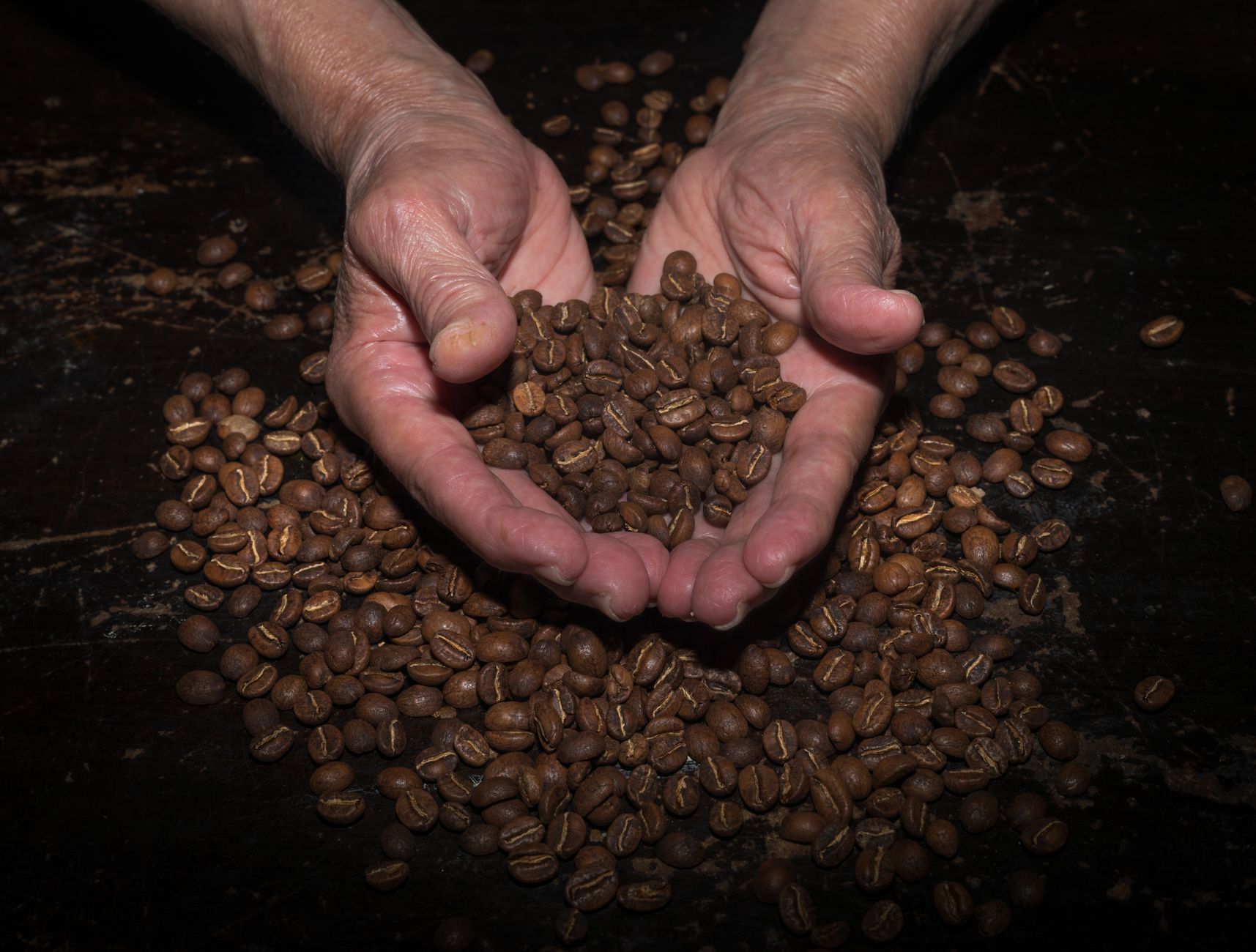
Forget the tourist traps! We're diving deep into the world's most exceptional coffee plantation tours for true enthusiasts. Think hands-on harvesting, intimate tastings, and insider secrets. Your ultimate coffee adventure awaits! ---
The Hook: A Symphony of Aroma and Awakening
I stepped off the rickety bus, the humid air instantly thick with a scent I’d only ever dreamed of – the deep, roasted perfume of coffee, mingled with the damp earth and a hint of something floral. It was still dawn, and the mist clung to the emerald slopes like a shy lover. This wasn't just another picturesque landscape; this was the birthplace of my morning ritual, the crucible where the magic of my daily cup was forged. I was in the heart of Colombia's coffee region, about to embark on a journey that would redefine my understanding of coffee, not just as a beverage, but as a craft, a culture, and a way of life.
Beyond the Bean: Why True Enthusiasts Seek the Source
For many, coffee is a quick jolt, a comforting warmth. But for the true enthusiast, it's a universe of complexity. It’s the subtle notes of blueberry in a Gesha, the chocolatey embrace of a Sumatra, the bright acidity of an Ethiopian Yirgacheffe. These nuances aren't accidental; they are the result of meticulous cultivation, careful processing, and a profound connection to the land. That’s where the real magic happens, and that's why seeking out authentic coffee plantation tours is no longer optional, it's essential. These aren't your average 'walk through the farm' experiences. We're talking about tours that immerse you, educate you, and leave you with a newfound reverence for every single sip.
The Hidden Gems: Coffee Plantations Worth Your Obsession
Forget the crowded, commercialized estates. We're going off the beaten path to uncover destinations that offer genuine insight and unforgettable experiences. These are places where passion is palpable, where the farmers are storytellers, and where every cup tells a tale.
1. Finca La Esmeralda (Boquete, Panama): The Geisha's Grand Stage
When you hear "Geisha," you think Panama. And when you think Panama Geisha, you think Finca La Esmeralda. This is not just a coffee farm; it's a legendary institution. Owned by the Peterson family, their dedication to cultivating some of the world's most sought-after Geisha varietals is unparalleled.
- The Experience: Tours here are incredibly intimate, often led by family members themselves. You'll walk through meticulously maintained groves, learning about the microclimates that make Boquete so special. The focus is on quality, from the delicate pruning techniques to the precise washing and drying methods. The tasting sessions are legendary, showcasing the floral, jasmine-like notes that have made their Geisha the stuff of coffee dreams.
- Insider Tip: Book months in advance. Seriously. Their tours are highly exclusive and fill up incredibly fast. Also, inquire about any special harvest events – witnessing the hand-picking of Geisha cherries is a truly rare privilege.
- Pro-Tip: Visit during the harvest season (typically November to March) for the most vibrant experience. The air will be alive with activity.
2. Hacienda San Jose de la Colpa (Chanchamayo Valley, Peru): A Legacy of Flavor
Peru's Chanchamayo Valley is a verdant paradise, and Hacienda San Jose de la Colpa is its crown jewel. This historic estate has been in the same family for generations, producing exceptional beans with a deep respect for tradition and sustainability.
- The Experience: This isn't just a tour; it's a step back in time. You'll explore colonial-era buildings, learn about the estate's rich history, and witness the entire coffee process from cherry to cup. They often incorporate local indigenous culture into the experience, making it a truly holistic immersion. The coffee itself is known for its balanced profile, often with notes of caramel and citrus.
- Authenticity: The architecture of the main house, with its weathered stone and terracotta tiles, speaks volumes about the estate's enduring legacy. You might even see the original drying beds still in use.
- Pro-Tip: Stay overnight at the hacienda's guesthouse. Waking up to the sounds of the valley and the aroma of freshly roasted coffee is an experience you won't soon forget.
3. Kopi Luwak Plantation (Ubud, Bali, Indonesia): The Controversial Connoisseur's Choice
While controversial due to ethical concerns surrounding the traditional production methods, some Balinese plantations are now focusing on ethically sourced Kopi Luwak. It's crucial to research and choose farms that prioritize animal welfare. For the truly curious, understanding this unique process, when done responsibly, offers a fascinating glimpse into coffee's most unusual journey.
- The Experience (Ethical Focus): Reputable tours will focus on educational aspects – explaining the digestive process of the civet and the subsequent fermentation that impacts the bean's flavor profile. You'll see the civets in spacious, naturalistic enclosures and learn about their diet. The tasting will be a highlight, with explanations of the distinct, smooth, and low-acidity notes characteristic of Kopi Luwak.
- Insider Language: Look for farms that use the term "wild-sourced" or "ethically harvested" and are transparent about their animal care practices. Avoid places that seem to exploit the animals for photo opportunities.
- Pro-Tip: Be prepared for a higher price point. The rarity and unique processing method contribute to its cost. Focus on the educational aspect and the unique flavor profile rather than the novelty.
4. Yirgacheffe Region (Ethiopia): The Cradle of Coffee Culture
Ethiopia is where it all began, and the Yirgacheffe region is arguably its most celebrated coffee-producing area. This is not about manicured plantations; it's about ancient traditions and a deep-rooted coffee ceremony that is central to daily life.
- The Experience: Many tours here are less about a single 'plantation' and more about experiencing the coffee culture in its birthplace. You'll visit washing stations, see coffee cherries drying on raised beds under the vast African sky, and most importantly, participate in a traditional Ethiopian coffee ceremony. This ritual, involving roasting green beans over charcoal, grinding them by hand, and brewing the coffee in a clay pot called a 'jebena,' is a profound sensory and social experience.
- Authenticity: The aroma of roasting beans, the rhythmic pounding of the mortar and pestle, the communal sharing of the dark, potent brew – it’s an immersion into a living heritage. The landscape itself is breathtaking, with rolling hills dotted with coffee trees and small villages.
- Pro-Tip: Engage with locals. Often, the most authentic experiences come from impromptu invitations to witness a home ceremony or visit a small cooperative. Learn a few Amharic phrases to show respect.
5. Kona Coffee Belt (Big Island, Hawaii, USA): Volcanic Terroir and Tropical Breezes
For a taste of volcanic soil and Pacific breezes, the Kona coffee belt on Hawaii's Big Island is a must. Here, coffee cultivation thrives on the fertile slopes of Hualalai and Mauna Loa volcanoes, resulting in a smooth, aromatic cup.
- The Experience: Many Kona farms offer excellent tours that delve into the unique volcanic terroir. You'll learn how the mineral-rich soil, ample sunshine, and consistent rainfall contribute to Kona coffee's distinct flavor. Many farms also showcase their sustainable farming practices and offer hands-on demonstrations of picking and processing. The tasting sessions are a highlight, allowing you to savor the complex, often fruity and floral notes.
- Insider Language: Look for farms that emphasize their "single estate" or "100% Kona" designation. This ensures you're tasting the pure product of the region, not a blend.
- Pro-Tip: Visit a smaller, family-run farm. These often offer more personalized tours and a deeper connection to the farming family's story. Many also have charming farm stands where you can purchase freshly roasted beans directly.
The Logistics: Your Coffee Pilgrimage Planner
Embarking on these tours requires a bit of planning. Here’s a quick guide to help you navigate the practicalities.
| Destination | Estimated Cost (USD) | Best Time to Visit | How to Get There | | :----------------------- | :------------------- | :------------------------------------------------- | :------------------------------------------------------------------------------------------------------------------------------------------------------------------------------------------------------------------------------------------------------------------------------------------------------------------------------------------ | | Finca La Esmeralda | $100 - $250+ (tour) | November - March (Harvest Season) | Fly into David (DVID), Panama. Rent a car or hire a private driver for the scenic drive to Boquete (approx. 1.5 hours). | | Hacienda San Jose | $50 - $150 (tour/stay) | May - September (Dry Season) | Fly into Lima (LIM), Peru. Take a bus or domestic flight to Jauja (JAU) or Huancayo (HUC), then arrange local transport to Chanchamayo Valley. | | Ethical Kopi Luwak | $50 - $150+ (tour) | Year-round (check specific farm for best times) | Fly into Denpasar (DPS), Bali, Indonesia. Hire a driver or rent a scooter to reach Ubud and surrounding areas. | | Yirgacheffe, Ethiopia| $50 - $100 (tour) | October - March (Dry Season) | Fly into Addis Ababa (ADD), Ethiopia. Domestic flights to Arba Minch or Awassa, followed by ground transport, or longer bus journeys. Hiring a local guide/driver is highly recommended for navigating the region. | | Kona, Hawaii, USA | $30 - $100+ (tour) | Year-round (peak harvest is Aug-Sept, but tours available) | Fly into Kona International Airport (KOA), Hawaii. Rent a car for easy access to the various farms along the Kona coffee belt. |
Pro-Tip: Always check the specific farm's website for the most up-to-date pricing and booking information. Some require pre-payment or have strict cancellation policies.
The Art of the Cupping: Elevating Your Palate
A true coffee enthusiast knows that the tour doesn't end with the farm visit; it continues with the tasting. Many of these elite tours offer guided cupping sessions, a formal process of evaluating coffee's aroma, flavor, acidity, body, and aftertaste.
- What to Expect: You'll be presented with several samples of coffee, often brewed using different methods. The guide will walk you through the steps of sensory evaluation, encouraging you to identify specific flavor notes (e.g., "Is that more like blackberry or plum?").
- Insider Language: Pay attention to terms like "mouthfeel," "aromatic intensity," and "clean finish." These are key indicators of quality. Don't be afraid to express what you taste, even if it differs from others – coffee appreciation is subjective!
- Pro-Tip: Practice at home! Buy single-origin beans from different regions and try to identify their unique characteristics. This will make your on-site cupping experiences even richer.
The Human Element: The Heartbeat of the Plantation
What truly separates an exceptional coffee tour from a mediocre one is the people. It’s the farmer who shares stories passed down through generations, the agronomist who explains the science behind a perfect bean, and the barista who artfully brews your final cup.
- Engage: Ask questions. Show genuine interest in their lives and their work. Learn about the challenges they face, from climate change to market fluctuations.
- Respect: Understand that these are working farms, not just tourist attractions. Be mindful of your surroundings and follow any instructions given by the staff.
- Support: If you enjoy the coffee, buy it directly from the farm. This provides vital income and supports their sustainable practices.
Your Next Coffee Adventure Awaits
These coffee plantation tours are more than just a travel itinerary; they are an education, an exploration, and an awakening. They offer a profound connection to the origins of our beloved beverage, revealing the dedication, passion, and artistry that go into every single bean. So, pack your bags, awaken your senses, and prepare to embark on a coffee journey that will forever change the way you drink your morning brew. The world of exceptional coffee awaits your discovery.
---
More pictures
Tags
Share this guide
We may earn a commission if you click a link and buy a product or service, at no extra cost to you. How affiliate links work.
Been there?