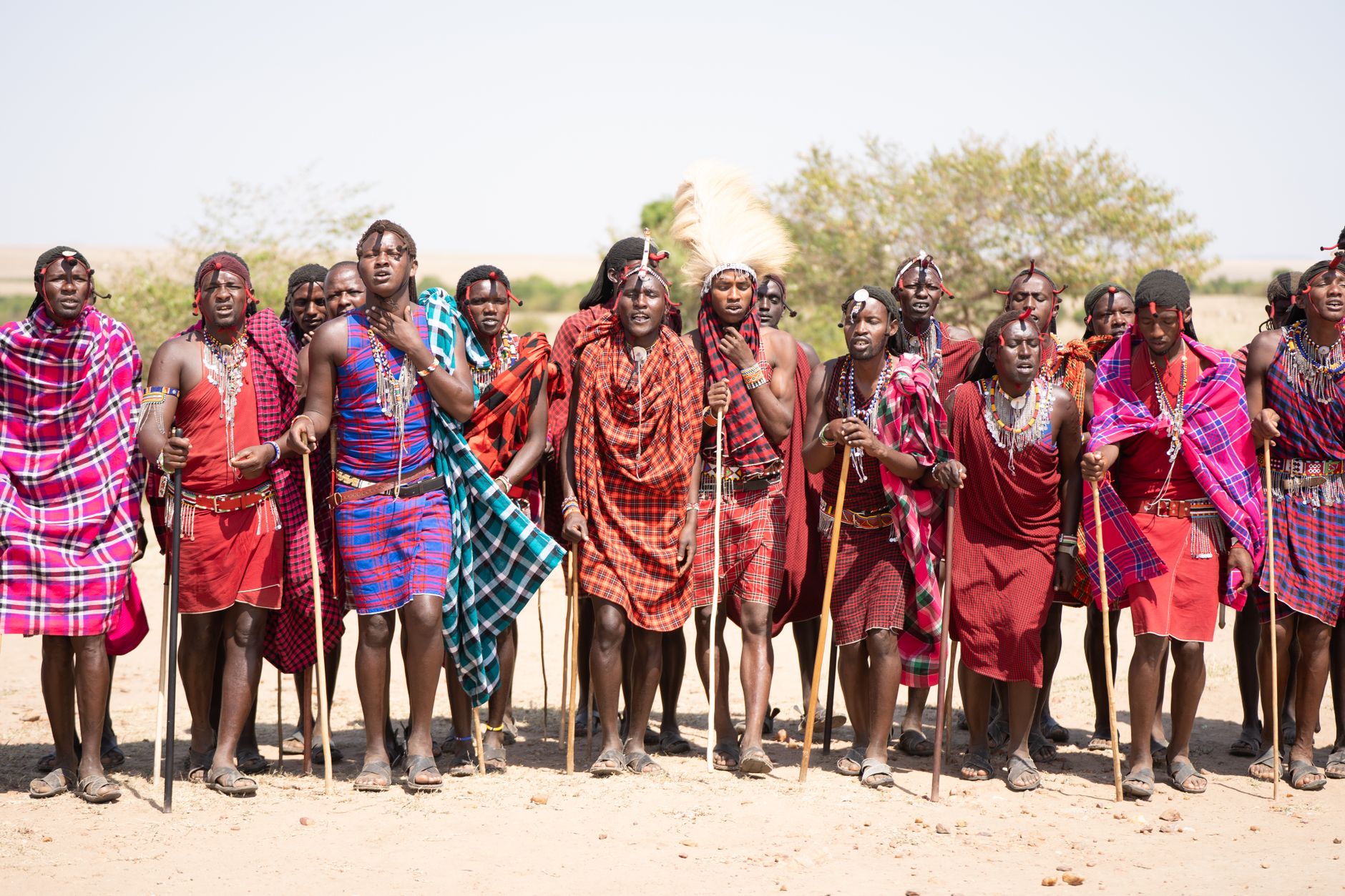
Ever wished you knew the unwritten rules of dressing abroad? Beyond fashion trends, clothing is a powerful language of respect that can open doors to incredible experiences. Discover surprising customs that will transform your travels and earn you smiles instead of stares! ---
Beyond the Passport: How Your Wardrobe Can Unlock the World
It was a sweltering afternoon in Bangkok, and I was buzzing with excitement, ready to explore the majestic Wat Arun, the Temple of Dawn. My shorts and sleeveless top, perfectly acceptable for the bustling markets, felt like a great choice for the heat. That is, until I reached the entrance. A polite but firm security guard gestured towards a sign, then to my exposed knees and shoulders. My heart sank. I’d committed a cardinal sin of temple etiquette.
Embarrassed, I quickly found a vendor renting sarongs and shirts for a small fee (about 40 THB, roughly $1.20 USD at the time). As I wrapped the vibrant fabric around me, transforming my outfit, something clicked. It wasn't just about covering up; it was about showing respect. The moment I stepped inside, appropriately dressed, I felt a shift. Locals met my gaze with warmth, and I felt less like a tourist and more like a welcome guest.
That experience taught me a profound lesson: travel isn't just about seeing new places; it’s about understanding and honoring the cultures that breathe life into them. And often, the first, most visible way we do that is through our clothing. Forget fashion faux pas; we’re talking about cultural blunders that can range from mildly awkward to deeply offensive. But conversely, dressing with intention can unlock incredible connections and experiences that will truly blow your mind.
Ready to dive into the fascinating world of global dress codes? Let’s explore some of the most surprising and essential clothing customs you need to know before your next adventure.
The Silent Language of Fabric: Why Clothing Matters More Than You Think
Before we jet off to specific destinations, let's understand why clothing holds such immense power. For many cultures, what you wear isn't just a personal choice; it's a reflection of history, religious belief, social status, and communal values. It communicates respect for elders, sacred spaces, and local traditions.
Think of it this way: in some parts of the world, wearing revealing clothing might be seen as disrespectful, signaling a lack of seriousness or even an invitation for unwanted attention. In others, a simple head covering can transform you from an outsider to an honored visitor. It's a non-verbal dialogue, and learning its nuances is like gaining a secret superpower for deeper travel.
Practical Tip: When you arrive in a new country, take a moment to observe. How are the locals dressed? What do people wear in public spaces, especially religious sites or government buildings? This quick reconnaissance will give you invaluable clues.
Sacred Spaces, Sacred Dress: Temples, Mosques & Churches
This is perhaps where clothing customs are most stringent and universally important. Entering a place of worship is a privilege, and showing respect through your attire is non-negotiable.
Southeast Asia (Buddhist Temples): My Bangkok blunder was just the beginning. Across Thailand, Laos, Cambodia, and Myanmar, visiting Buddhist temples (like the stunning Wat Pho in Bangkok or Angkor Wat in Cambodia) requires both men and women to cover their shoulders and knees. This means no tank tops, spaghetti straps, short shorts, or mini-skirts. Often, you’ll also need to remove your shoes before entering the main prayer halls.
- My Anecdote: In Luang Prabang, Laos, I saw a group of backpackers turned away from the Royal Palace Museum for wearing too-short shorts. They quickly bought some inexpensive, flowy pants from a nearby market stall (around $5 USD) and were granted entry, looking much more comfortable and culturally aligned. It's a small price to pay for access to such beauty.
- Actionable Advice: Always carry a lightweight scarf or sarong in your day bag. It’s a versatile tool for covering shoulders, knees, or even sitting on. For men, a pair of long, breathable pants is a must-have.
Middle East & North Africa (Mosques): Visiting a mosque, whether it's the Sheikh Zayed Grand Mosque in Abu Dhabi or the Hassan II Mosque in Casablanca, is an awe-inspiring experience. For women, a head covering (like a hijab or shayla) is essential, along with loose-fitting clothing that covers arms and legs. Often, an abaya (a loose, robe-like garment) will be provided at the entrance for free or a small rental fee. Men should also dress modestly, usually in long pants and shirts that cover shoulders. Shoes are always removed before entering the prayer hall.
- My Anecdote: In Istanbul, visiting the Blue Mosque, I arrived prepared with my own scarf. But as I entered, a kind attendant offered me a beautiful, deep blue headscarf to ensure full coverage. It felt like a warm gesture of hospitality, not a mandate, and made the experience even more special. I felt a deep sense of peace inside, knowing I was honoring their traditions.
- Actionable Advice: For women, pack a generous-sized scarf (think 60x60 inches or larger) that can easily cover your head and décolletage. Long-sleeved tops and maxi skirts or loose pants are ideal. For men, chinos or linen trousers and a collared shirt are perfect.
Europe (Catholic Churches & Cathedrals): While perhaps less strict than other regions, many magnificent European churches and cathedrals (like St. Peter's Basilica in the Vatican, or Notre Dame in Paris) still require respectful attire. Shoulders and knees should be covered, and overly revealing clothing is generally frowned upon.
- My Anecdote: I once saw a tourist in Florence denied entry to the Duomo for wearing a tiny tank top and short shorts. She was visibly frustrated, but the rules are clear. A simple cardigan or a pair of knee-length shorts would have saved her the disappointment.
- Actionable Advice: Keep a light cardigan or shawl handy. For summer travel, consider stylish midi-dresses or skirts and capris that reach below the knee.
Beyond Religion: Everyday Etiquette & Social Norms
It’s not just about sacred sites. Everyday clothing can also convey respect, or lack thereof, in various cultures.
Japan: Neatness & Understated Elegance: While there isn't a strict "dress code" for tourists, the Japanese value neatness, modesty, and a somewhat conservative aesthetic. Flashy logos, overly revealing clothing, or very casual attire (like pajamas in public) can stand out in a negative way, especially in cities. Removing shoes before entering homes, some restaurants, and traditional accommodations (ryokans) is also a non-negotiable custom.
- My Anecdote: I was invited to a traditional tea ceremony in Kyoto. I chose a simple, elegant dress and made sure my socks were clean and hole-free, knowing I'd be removing my shoes. My host complimented my "appropriate attire," which, while subtle, made me feel incredibly welcomed and respectful of the delicate ritual.
- Actionable Advice: Pack well-fitting, clean clothes. Think layers, neutral colors, and comfortable but stylish shoes. Always ensure your socks are presentable!
India: Modesty & Cultural Sensitivity: India is a vast and diverse country, but generally, modesty is highly valued, especially for women. Covering shoulders, knees, and sometimes the midriff is a sign of respect, particularly in smaller towns and rural areas. While Western clothes are common in big cities, opting for more conservative attire, or even trying a local kurta or salwar kameez, can significantly enhance your experience. Men should also avoid very short shorts or sleeveless tops in many contexts.
- My Anecdote: Traveling through Rajasthan, I found that wearing a simple kurta (a loose tunic) and churidars (tight pants) not only kept me cool but also garnered so many friendly smiles and invitations from local women. It felt like I was speaking their sartorial language, and it opened doors to conversations I wouldn't have had otherwise. The cost of a beautiful, embroidered kurta? Around 500-800 INR ($6-10 USD) at a local market.
- Actionable Advice: Pack flowy, breathable fabrics like cotton and linen. Long skirts, loose pants, and tops with sleeves are your best friends. A lightweight scarf is, once again, a versatile savior.
Rwanda & East Africa: Neatness & Avoiding Excess: In many East African countries, particularly Rwanda, there's a strong emphasis on neatness and avoiding ostentatious displays of wealth. While specific dress codes aren't enforced for tourists, dressing modestly and neatly is a sign of respect, especially when interacting with local communities or visiting memorials. Very short shorts or revealing tops might be perceived as disrespectful.
- My Anecdote: During a community visit in Rwanda, I noticed that even in casual settings, people were impeccably dressed. My simple, clean jeans and a modest t-shirt felt appropriate, and I felt more connected to the community than if I had been in typical "safari gear" or overly casual clothes.
- Actionable Advice: Opt for smart casual. Long pants or skirts, modest tops, and clean, comfortable shoes are ideal.
The Power of the Head Covering: More Than Just Modesty
While we touched on head coverings for mosques, this custom extends far beyond. A head covering can signify devotion, marital status, cultural identity, or simply a sign of respect in various traditions.
- India: While not always mandatory for tourists, many Indian women cover their heads in temples or when greeting elders, using a dupatta (a long scarf worn with a salwar kameez) or the end of a sari. For tourists, carrying a scarf for temple visits is a good idea.
- Orthodox Judaism: Married Orthodox Jewish women cover their hair with a tichel (scarf), snood, or wig as a sign of modesty. While this isn't a custom tourists would adopt, understanding its significance can deepen appreciation.
- Rural Eastern Europe: In some traditional communities in Eastern Europe, older women still wear headscarves daily, a custom rooted in religious and cultural heritage. While a tourist wouldn't be expected to, observing it highlights the enduring power of tradition.
- My Anecdote: I once visited a small, ancient church in a remote part of Georgia (the country). Seeing the local women, young and old, reverently covering their heads, I instinctively pulled out my trusty scarf. The brief, warm smile I received from an elderly woman inside spoke volumes – a shared moment of respect that transcended language.
- Actionable Advice: Invest in a few good quality, versatile scarves in different colors and fabrics. They're not just for covering; they're fashion accessories, sun protection, and even makeshift blankets!
From Blunder to Bookmark: Practical Tips for Respectful Dressing
Navigating global clothing customs might seem daunting, but with a little preparation, it becomes second nature. Here’s my cheat sheet for mindful travel fashion:
- Research, Research, Research: Before you even pack, do a quick Google search for "what to wear in [country/region]" or "dress code for [specific attraction]." Travel blogs, official tourism websites, and forums are goldmines of information.
- Pack Versatile Layers: This is the golden rule.
- Bottoms: Long, loose-fitting pants (linen, cotton, chinos), maxi skirts, or midi-dresses.
- Tops: T-shirts, blouses, and tunics with sleeves (at least cap sleeves, preferably elbow-length).
- Outerwear: Lightweight cardigans, shawls, or jackets for covering up, especially in air-conditioned spaces or for evenings.
- The Mighty Scarf: I can't stress this enough. A large, lightweight scarf (or two!) is your ultimate travel companion. It can cover your head, shoulders, décolletage, or even act as a makeshift skirt over shorts.
- Observe and Adapt: Once you arrive, pay attention to what locals are wearing, especially in similar contexts (e.g., visiting a market vs. a government building). If you notice you're standing out too much, adjust your wardrobe.
- Ask (Politely): If you're unsure, don't be afraid to ask a local guide, hotel staff, or a friendly shopkeeper. "Is this appropriate for visiting X?" is a simple question that can save you a lot of hassle.
- Buy Local: Not only does buying local clothes support the economy, but it also guarantees you'll have something appropriate and comfortable for the climate and culture. Plus, it makes for fantastic souvenirs! I've bought beautiful scarves in Turkey, kurtas in India, and sarongs in Thailand, all for very reasonable prices (often under $10-15 USD).
- Comfort Over Fashion (Sometimes): While we all want to look good, comfort and appropriateness should always take precedence, especially when dealing with intense heat, humidity, or long days of exploring.
My Own Mind-Blown Moments: Stories from the Road
I've had countless moments where understanding a clothing custom (or getting it wrong!) truly impacted my travels.
One memorable trip was to a small village in the Atlas Mountains of Morocco. I had packed a long-sleeved tunic and loose trousers, mimicking the modest style I'd observed in Marrakesh. When we were invited into a local home for tea, the grandmother of the family, with a twinkle in her eye, gestured approvingly at my outfit. She then took my hand and led me to a chest, pulling out a beautifully embroidered traditional djellaba (a loose, hooded robe). She insisted I try it on, laughing as I stumbled with the fabric. That simple act of trying on their traditional dress, prompted by my initial respectful choice, transformed an ordinary visit into a cherished memory. It wasn't just clothing; it was an embrace.
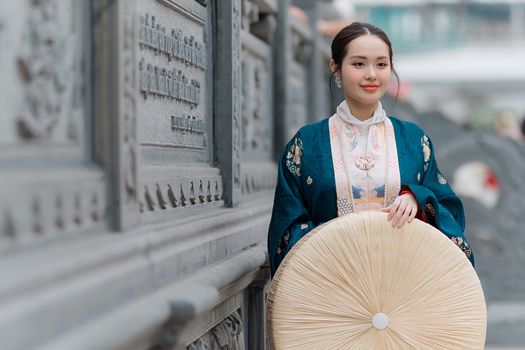
Another time, in a small town in rural Vietnam, I was wearing a simple t-shirt and capri pants. While perfectly acceptable, I noticed most local women wore long-sleeved shirts and conical hats (nón lá) even in the heat. Curious, I bought a nón lá for about 30,000 VND (around $1.20 USD). The immediate warmth and smiles I received were incredible. People started greeting me in Vietnamese, assuming I was perhaps a local returning home. It was a small gesture, but it instantly melted barriers and invited genuine interaction. It truly "blew my mind" how a simple hat could change my entire experience.
These experiences underscore a crucial point: dressing respectfully isn't about conforming or losing your identity. It's about showing humility, a willingness to learn, and an open heart. It's about saying, "I see you, I respect your ways, and I'm here to connect."
Dress with Respect, Travel with Heart
The world is a magnificent tapestry of cultures, and each thread, each custom, adds to its beauty. By understanding and honoring local clothing customs, you're not just avoiding offense; you're actively participating in the cultural exchange, fostering deeper connections, and enriching your own travel narrative. You're showing that you're not just passing through, but truly engaging with the heart and soul of a place.
So, on your next adventure, think beyond just what looks good in photos. Think about what communicates respect, what opens doors, and what will truly blow your mind with the connections it creates. Your wardrobe is your first step towards becoming a more mindful, respected, and deeply connected traveler.
What's your most memorable clothing custom experience from your travels? Share your stories and tips in the comments below! Let's inspire each other to travel with even more respect and heart.
---
More pictures



Tags
Share this guide
We may earn a commission if you click a link and buy a product or service, at no extra cost to you. How affiliate links work.
Been there?