
Dreaming of that perfect travel shot? Before you pack that tiny bikini or ripped jeans, let's talk about something vital Instagram influencers rarely show: the power of respectful clothing customs. Uncover the secrets to dressing right, avoiding cultural missteps, and truly connecting with the places you visit. ---
The sun beat down on my shoulders as I hurried across the scorching stone courtyard of Wat Arun, Bangkok’s iconic Temple of Dawn. My excitement was palpable – this was the shot I’d been dreaming of. But as I approached the entrance, a stern-faced attendant pointed to a sign, then to my bare shoulders, then to my knees, which were peeking out from under my otherwise modest midi-skirt. "No entry," he stated simply, handing me a faded, oversized sarong.
My heart sank. Not just because I looked like a crumpled potato sack in the borrowed fabric, but because I felt a flush of embarrassment. I, a seasoned traveler, had made a rookie mistake. I’d prioritized looking "cute" for my potential Instagram grid over the fundamental respect due to a sacred space. It was a humbling moment, a stark reminder that travel isn't just about ticking off bucket list items; it's about connecting, understanding, and most importantly, respecting.
In an age where travel is often curated for the perfect 'gram, a crucial element often gets lost: the profound impact of how we dress. Instagram influencers, with their perfectly styled, often revealing outfits against stunning backdrops, rarely show you the subtle (or not-so-subtle) disapproval of locals, the doors that close, or the genuine connections that are missed because of a simple wardrobe choice. This isn't about shaming; it's about empowering you to be a more conscious, connected, and truly respected traveler. Are you ready to unlock travel secrets influencers don't want you to know? Let’s dive in.
The 'Gram' Gap: Why Influencers Miss the Mark on Respect
Let's be honest: Instagram is a visual feast. It's a platform built on aesthetics, aspirational lifestyles, and the pursuit of viral content. The pressure to stand out, to create that "unique" shot, can sometimes overshadow the deeper cultural nuances of a destination. We see stunning women in flowing, backless dresses posing in ancient temples, or men in cutoff shorts exploring bustling markets in conservative regions. These images often garner thousands of likes, but what they don't show is the full story.
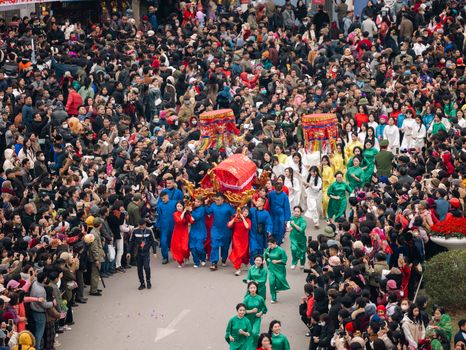
I remember once in a small village in Vietnam, watching a young couple (clearly influencers, judging by their professional camera gear and multiple outfit changes) setting up a shot by a local shrine. The woman was wearing a crop top and very short shorts, striking a dramatic pose. The local women, dressed in their traditional áo dài and conical hats, averted their gaze, a subtle but unmistakable sign of discomfort. Later, when I, dressed in loose linen pants and a long-sleeved shirt, approached one of the women to ask for directions, she smiled warmly, gesturing for me to sit for a moment. That interaction, that genuine warmth, felt infinitely more valuable than any "like" a provocative photo might have garnered.
The influencer economy often prioritizes shock value or idealized beauty over cultural sensitivity. It's not malicious, but it's a byproduct of a system that rewards superficial engagement. This leaves a gap – a massive one – in the understanding of how to truly integrate, even for a fleeting moment, into the fabric of a foreign culture. And that gap, my friends, is where the real magic of travel lies.
Modesty Matters: Universal Principles, Local Interpretations
While specific dress codes vary wildly across the globe, a universal principle often underpins many clothing customs: modesty. This isn't about puritanism; it's about respect, humility, and acknowledging the sanctity of certain spaces or traditions.
Southeast Asia's Sacred Spaces (Thailand, Cambodia, Laos, Myanmar): If you're heading to the dazzling temples of Bangkok, the ancient wonders of Angkor Wat, or the serene pagodas of Luang Prabang, remember the "shoulders and knees covered" rule. This applies to both men and women. My Wat Arun experience was a perfect example. While many sites offer sarongs for rent (typically 20-50 THB in Thailand, or free deposits in Cambodia), it's far more respectful and convenient to carry your own lightweight scarf or wear appropriate clothing from the start. I always pack a couple of versatile scarves – they double as sun protection, picnic blankets, or even an impromptu headrest on a long bus ride. For guys, ditch the tank tops and opt for t-shirts or short-sleeved shirts, and always wear long shorts or trousers.
The Middle East & North Africa (Morocco, UAE, Jordan, Egypt): Here, modesty takes on a deeper significance, particularly in religious contexts. For women, a headscarf (hijab) is often required for entry into mosques. In countries like the UAE, even outside of religious sites, dressing modestly (shoulders and knees covered, avoiding overly tight or revealing clothing) shows respect for local customs and can prevent unwanted attention. When I visited the Sheikh Zayed Grand Mosque in Abu Dhabi, I was provided with a full abaya and headscarf, but I'd already come prepared with a long dress and a scarf, making the transition seamless. For men, long pants and shirts are generally preferred, especially in more conservative areas. Think loose, breathable fabrics like linen and cotton; they're your best friend in the desert heat.
Europe's Historic Churches & Cathedrals (Italy, Greece, Spain): Even in seemingly liberal Europe, religious sites demand respect. The Vatican City is notoriously strict; no bare shoulders, short shorts, or mini-skirts. Many churches across Italy, Spain, and Greece will have signs, or even attendants, enforcing similar rules. A simple cardigan or a large scarf can transform your outfit from "tourist" to "respectful visitor" in an instant. I once saw a group of young travelers turned away from a beautiful cathedral in Florence because of their skimpy attire – a missed opportunity for a truly awe-inspiring experience.
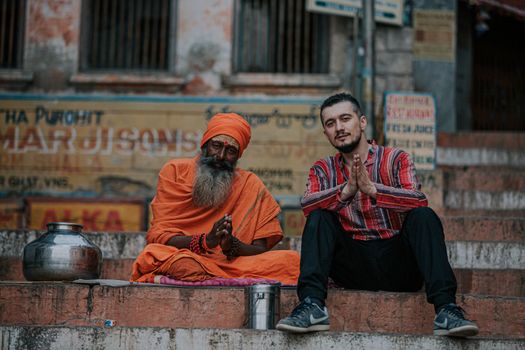
India's Vibrant Tapestry: Modesty is paramount in India, a country rich in diverse spiritual traditions. For women, covering shoulders and knees is a basic expectation. Loose-fitting clothing like salwar kameez (tunic and trousers) or long skirts and tops are ideal. While you don't need to wear a sari, dressing in a way that blends in will lead to far warmer interactions. Men should opt for trousers or longer shorts and collared shirts or t-shirts. I remember being in a bustling market in Jaipur, feeling completely at ease in my loose cotton tunic and wide-leg pants, while others in more revealing outfits seemed to draw more curious (and sometimes uncomfortable) stares.
Beyond the Basics: Headwear, Footwear, and Symbolic Gestures
Respectful dressing goes beyond just covering up. It involves nuances of headwear, footwear, and even the symbolic meaning of certain garments.
The Power of the Head Covering: While primarily associated with women in many cultures, head coverings for men are also customary in some traditions (e.g., kippah in Judaism, turbans in Sikhism). For female travelers, a lightweight scarf is your ultimate versatile travel companion. It’s not just for mosques; in many rural areas or conservative communities, covering your head can be a sign of respect, especially when interacting with elders or visiting homes. I've found that simply having a scarf ready to drape over my head or shoulders has often elicited smiles and warmth from locals, signaling my intention to honor their customs.
Footwear Faux Pas & Removing Your Shoes: In many Asian cultures (Japan, Korea, China, India, Southeast Asia), and even some parts of the Middle East and Africa, it is customary to remove your shoes before entering homes, temples, some guesthouses, and even certain shops. The act signifies leaving the "outside" world (and its dirt) behind, entering a clean and sacred space.
- Tip: Always wear shoes that are easy to slip on and off. Lace-up boots might look cool, but they're a hassle when you're taking them off and on multiple times a day.
- Anecdote: In a traditional ryokan in Kyoto, I watched a group of tourists struggle with their complicated footwear, holding up the entrance. Meanwhile, my simple slip-on sneakers were off in seconds, and I was enjoying the serene atmosphere. Pack a pair of clean socks too; walking barefoot on cold temple floors isn't always pleasant!
Color Codes & Symbolic Silhouettes: Dressing with Intent: Sometimes, it's not just about how much skin you show, but the colors or patterns you wear.
- In some Asian cultures, white is associated with mourning. While it's unlikely to cause offense for a tourist, being aware of such nuances can deepen your understanding.
- In many parts of Africa, specific colors and patterns on fabrics like kente cloth (Ghana) or kitenge (East Africa) carry deep cultural meaning. While it’s wonderful to appreciate and even purchase these fabrics, be mindful of cultural appropriation. If you're buying a traditional garment, wear it respectfully and with an understanding of its significance, rather than just as a fashion statement. I once bought a beautiful batik sarong in Indonesia and wore it proudly to a local festival; the compliments and conversations it sparked were truly heartwarming.
The Practical Traveler's Wardrobe: Packing for Respect
So, how do you pack for respect without sacrificing style or comfort? It's easier than you think! The key is versatility, breathable fabrics, and layering.
- Versatile Scarves (2-3): These are your travel superheroes. A large, lightweight pashmina or cotton scarf can be a head covering, shoulder wrap, sun shield, or even a modest blanket on a chilly flight. Choose neutral colors or patterns that complement your existing wardrobe. I never leave home without my oversized linen scarf; it’s saved me countless times. (You can find beautiful, locally made ones for around $10-$20 in markets worldwide).
- Maxi Skirts & Dresses (2-3): These are perfect for women. They're comfortable, airy, and instantly cover your knees and often your ankles. Look for breathable fabrics like cotton, linen, or rayon. They can be dressed up or down.
- Loose-Fitting Trousers (2-3 pairs): For both men and women, linen pants, palazzo pants, or even lightweight cargo pants are ideal. They offer coverage, sun protection, and are far more comfortable than tight jeans in humid climates. I swear by my black linen trousers; they go with everything and dry quickly.
- Tops with Sleeves (4-5): T-shirts, modest blouses, or tunics that cover your shoulders are essential. For more conservative areas, a few long-sleeved options are a must. Layering a t-shirt under a light cardigan or button-down shirt is a great strategy.
- Comfortable, Easy-to-Remove Footwear: Think stylish sandals, slip-on sneakers, or loafers. Leave the complicated boots or flip-flops (for religious sites) at home.
- Lightweight Cardigans/Jackets (1-2): Perfect for layering over a sleeveless top when entering a sacred site or for cooler evenings.
Shopping Locally: Don't underestimate the power of shopping once you arrive! Buying a beautiful sarong in Bali, a tunic in Morocco, or a traditional shirt in Thailand not only ensures you have culturally appropriate attire but also supports local artisans and economies. Plus, it makes for a fantastic souvenir!
The Deeper Dive: Why Respectful Dressing Transforms Your Trip
This isn't just about avoiding an awkward moment or a "no entry" sign. Dressing respectfully is a profound act of cultural humility that fundamentally transforms your travel experience.
- Opens Doors, Not Just Gates: When you show respect for local customs, locals are far more likely to open up to you. They see you as someone who cares, who wants to understand, rather than just a fleeting tourist. This can lead to incredible interactions – an invitation for tea, a shared meal, a genuine conversation that transcends language barriers.
- Reduces Unwanted Attention: In many places, dressing modestly can significantly reduce unwanted stares, catcalls, or aggressive touting, particularly for women. You blend in more, signaling that you're not an easy target.
- Authentic Immersion: You feel less like an outsider and more like a temporary part of the community. This allows for a deeper, more authentic immersion into the local way of life.
- Personal Growth: It challenges your own perceptions, broadens your understanding of global cultures, and encourages a deeper sense of empathy. It's a reminder that the world doesn't revolve around your comfort zone or your aesthetic preferences.
My most cherished travel memories aren't of the perfect Instagram shots. They're of sitting on a worn mat in a small village temple in Laos, sharing a simple meal with monks who welcomed me because I had respectfully covered myself. They're of the old woman in a bustling Marrakech souk who, after I admired her beautiful headscarf and was dressed similarly modestly, offered me a cup of mint tea and shared stories of her life. These are the moments that truly make travel rich and unforgettable.
So, next time you pack your suitcase, think beyond the 'gram. Think beyond the likes and the carefully curated feed. Pack with intention. Pack with respect. Pack for connection. Because the real secrets of travel aren't found in a perfect photo; they're found in the genuine, heartwarming interactions that respectful travel makes possible.
What's your go-to respectful travel outfit? Have you ever had a cultural clothing blunder (or triumph)? Share your stories and tips in the comments below! Let's inspire each other to be better, more conscious travelers.
---
More pictures



Tags
Share this guide
We may earn a commission if you click a link and buy a product or service, at no extra cost to you. How affiliate links work.
Been there?