
Ever dreamt of living like a king or queen without emptying your bank account? Imagine turning a mere $2,000 into a month-long luxury escapade filled with incredible food, culture, and adventure. We've uncovered the world's hidden gems where your money stretches further than you ever imagined – get ready to redefine your travel budget and embark on the trip of a lifetime! ---
Chasing Champagne Dreams on a Beer Budget: Cities Where $2000 Feels Like $20,000 You Need to Experience Before You Die
I remember my first "big" trip to Europe. I’d saved diligently, pictured myself sipping espresso in Rome, cruising canals in Venice, and scaling the Eiffel Tower. Two weeks in, my bank account was screaming, and my dreams of leisurely exploring were replaced with frantic budget calculations and panic. I loved every minute, but it felt like I was constantly watching the meter run. Fast forward a few years, and I had an epiphany: it's not about how much you have, but where you spend it.
What if I told you there are places on this planet where $2,000 doesn't just cover your basic expenses, but actually feels like you're living a $20,000 luxury experience? We're talking gourmet street food, boutique accommodations, incredible adventures, relaxing spa treatments, and authentic cultural immersion – all without the crippling price tag. This isn't just budget travel; it's smart travel. It's about maximizing value, stretching your dollar, and experiencing the richness of the world without the financial stress.
Ready to unlock a whole new level of travel freedom? Grab your passport, because we're diving into the cities where your $2,000 will feel like a king's ransom, offering experiences you absolutely need to have before you die.
1. Vietnam: A Symphony of Senses for Pennies
My first bite of pho in Hanoi was a revelation. For less than $2, I was holding a bowl of aromatic broth, tender beef, fresh herbs, and slippery noodles – a symphony of flavors that would cost ten times as much back home. This, my friends, is Vietnam in a nutshell: an explosion of culture, history, and culinary delights that costs next to nothing.
From the bustling streets of Hanoi with its ancient Old Quarter and serene Hoan Kiem Lake, to the vibrant energy of Ho Chi Minh City (Saigon) and its poignant war history, Vietnam is a country that grabs you and doesn't let go. Imagine cruising the emerald waters of Halong Bay on a traditional junk boat for a fraction of what a similar cruise would cost elsewhere. Or getting a full-body massage for $10 after a day of exploring ancient temples in Hoi An.
What makes $2,000 feel like $20,000 here?
- Foodie Paradise: Street food is not just cheap; it's a world-class culinary experience. Pho, Banh Mi, spring rolls, Bun Cha – you could eat like royalty for $10-$15 a day.
- Boutique Stays: Charming guesthouses and boutique hotels with character, often including breakfast and impeccable service, can be found for $20-$40 a night. I once stayed in a gorgeous riverside hotel in Hoi An with a pool for $35!
- Adventure on a Dime: Scooter rentals are $5-$8 a day. Guided tours to the Mekong Delta or Cu Chi Tunnels are incredibly affordable. You can even take a domestic flight from Hanoi to Ho Chi Minh City for under $50 if booked in advance.
- Cultural Immersion: Water puppet shows, visits to ancient pagodas, and exploring local markets are often free or cost just a few dollars.
Personal Anecdote: I spent a week in Da Nang and Hoi An, renting a scooter and cruising along the stunning coastline, stopping at hidden beaches and local cafes. Even with daily massages, delicious seafood dinners, and a tailor-made suit from Hoi An's famous tailors, I barely scratched my budget. It felt like I was living a life of absolute indulgence, yet my daily spend was shockingly low.
Tips for Your Trip: Embrace the street food culture, use the Grab app for cheap rides (motorbikes are even cheaper!), and don't be afraid to haggle respectfully in markets.
2. Chiang Mai, Thailand: The Golden Triangle of Value and Serenity
Escape the high prices of Bangkok and head north to Chiang Mai, Thailand's cultural capital. Nestled amidst lush mountains, this city offers a tranquil yet vibrant experience that's incredibly kind to your wallet. It's a place where ancient temples stand alongside modern cafes, and the pace of life encourages you to slow down and truly soak it all in.
Chiang Mai is renowned for its ethical elephant sanctuaries, incredible cooking classes, and rejuvenating massages. Imagine spending your mornings exploring ornate temples like Wat Phra Singh or Wat Chedi Luang, your afternoons learning to cook authentic Thai dishes, and your evenings wandering the bustling night bazaars, all without breaking the bank.
What makes $2,000 feel like $20,000 here?
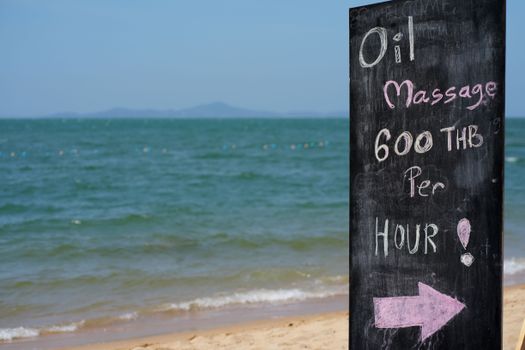
- Wellness & Relaxation: A traditional Thai massage can be as little as $7-$10 an hour. Yoga classes, meditation retreats, and even dental work are all significantly cheaper than in Western countries.
- Exquisite Food: From flavorful Khao Soi (Northern Thai curry noodles) to fresh fruit shakes, you can eat incredibly well for $5-$10 a day at local eateries and night markets.
- Unique Experiences: An ethical elephant sanctuary visit (a full day, often including lunch) can range from $60-$100, a fraction of what similar animal encounters cost elsewhere. A full-day Thai cooking class, including market visit and multiple dishes, is typically $30-$50.
- Comfortable Stays: Guesthouses and boutique hotels with pools and lovely gardens are plentiful for $25-$50 a night.
Personal Anecdote: I once spent a week in Chiang Mai, starting my days with a $3 smoothie bowl, exploring a new temple each morning, indulging in a $10 massage every afternoon, and feasting at the night bazaar for dinner. I even took a full-day trip to Doi Suthep and an elephant sanctuary, and my total spend for the week was less than what a single night in a luxury hotel might cost back home. It was pure bliss.
Tips for Your Trip: Rent a scooter (if you're confident) to explore the surrounding countryside, visit the Sunday Night Walking Street for incredible food and crafts, and always carry small denominations of Thai Baht.
3. Medellin, Colombia: The City of Eternal Spring's Sweet Embrace
Just a decade ago, Medellin might not have topped many travel lists. But today, this Colombian gem, nestled in a valley of the Andes, has transformed into a vibrant, innovative, and incredibly welcoming city. Known as "The City of Eternal Spring" for its perfect year-round climate, Medellin offers an exhilarating mix of culture, history, and nightlife that feels incredibly luxurious without the hefty price tag.
Imagine taking the MetroCable high into the hills for breathtaking panoramic views, exploring the vibrant street art of Comuna 13 on a free walking tour, or dancing salsa until dawn in a local bar. The kindness of the Paisas (people from Medellin) is legendary, making every interaction feel genuinely special.
What makes $2,000 feel like $20,000 here?
- Dynamic Urban Experience: Public transport is efficient and cheap. The MetroCable isn't just transport; it's a tourist attraction offering stunning views for under $1.
- Exquisite Flavors: From Bandeja Paisa (a hearty local dish) to fresh tropical fruits and world-class coffee, you can dine like a king for $10-$20 a day. A gourmet meal in a trendy restaurant in El Poblado might cost $25-$40, which would be $100+ elsewhere.
- Vibrant Nightlife: Learn to salsa, enjoy live music, and sip on delicious Aguardiente or local beers for a fraction of what you'd pay in most Western cities.
- Comfortable Living: Stylish Airbnbs and boutique hotels in safe, desirable neighborhoods like El Poblado or Laureles can be found for $30-$60 a night.
- Adventure & Culture: Day trips to coffee farms, Guatapé (the colorful pueblo and the giant rock), and paragliding over the valley are all surprisingly affordable.
Personal Anecdote: My first time riding the MetroCable, seeing the patchwork of colorful houses stretching up the mountainside, I felt an overwhelming sense of awe. Later, exploring Comuna 13 with a local guide, witnessing the transformation and the power of art, was a profoundly moving experience – all for the cost of a few dollars for a snack. The energy, the music, the resilience of the people... it was priceless, yet so accessible.
Tips for Your Trip: Learn some basic Spanish to enhance your interactions, use Uber or Cabify for safe and affordable rides, and don't miss a free walking tour to get acquainted with the city's incredible history.
4. Budapest, Hungary: Imperial Grandeur on a Budget
Stepping into Budapest feels like entering a fairytale, but one where the magic doesn't cost a fortune. This majestic European capital, split by the Danube River into Buda and Pest, offers stunning architecture, rich history, and a unique thermal bath culture that feels incredibly luxurious, yet remains remarkably affordable compared to its Western European counterparts.
Imagine soaking in the grand Széchenyi Thermal Bath, marveling at the Parliament Building from a Danube cruise, or sipping craft beer in one of the city's famous "ruin bars" – all without the sticker shock. Budapest is a city that invites you to indulge your senses and explore its layers of history and modern charm.
What makes $2,000 feel like $20,000 here?
- Architectural Splendor: The Hungarian Parliament, Buda Castle, Chain Bridge, and Matthias Church are all breathtaking and often free to admire from the outside. Entry to some is minimal.
- Thermal Bath Culture: A full day at a world-famous thermal bath like Széchenyi or Gellért is typically $20-$30, a fraction of what a spa day would cost elsewhere.
- Vibrant Nightlife: Ruin bars like Szimpla Kert offer a truly unique atmosphere, with drinks costing a fraction of what you'd pay in London or Paris. Craft beers are around $3-$5.
- Delicious & Hearty Food: Traditional Hungarian dishes like goulash, langos, and chimney cake are incredibly filling and affordable. You can enjoy a hearty meal for $10-$15.
- Affordable Accommodation: Stylish Airbnbs and comfortable hotels in central locations are readily available for $40-$70 a night.
Personal Anecdote: My first night in Budapest, I stumbled upon a ruin bar. The eclectic decor, the buzzing atmosphere, the cheap delicious beer – it felt like a secret world, a vibrant piece of art I was allowed to step into. The next day, after hours soaking in the Széchenyi baths, I felt utterly rejuvenated. To experience such unique, high-quality experiences for so little money was genuinely thrilling.
Tips for Your Trip: Consider a Budapest Card for discounts on public transport and attractions, explore the local markets for fresh produce and snacks, and definitely try a traditional langos (fried dough with toppings).
5. Oaxaca, Mexico: A Culinary and Cultural Tapestry
If you're looking for an authentic Mexican experience that tantalizes your taste buds and enriches your soul, look no further than Oaxaca City. This UNESCO World Heritage site is Mexico's culinary capital, a vibrant hub of indigenous culture, artisanal crafts, and, of course, mezcal. Here, $2,000 stretches into an incredible journey of discovery, flavors, and genuine connection.
Imagine starting your day with a traditional Tlayuda (Oaxacan pizza) from a street vendor, exploring the ancient ruins of Monte Albán, taking a mezcal tasting tour through agave fields, and ending with a cooking class that delves into the secrets of mole. Oaxaca is a place where every corner tells a story, and every meal is a celebration.
What makes $2,000 feel like $20,000 here?
- World-Class Cuisine: Oaxaca is a foodie's dream. Street food is abundant and delicious (tacos, tamales, memelas for $1-$3). A fantastic meal in a mid-range restaurant is $10-$20. A full-day cooking class, including a market visit, is typically $70-$100.
- Rich Indigenous Culture: Visits to local villages to witness traditional weaving, pottery, and wood carving are often free or involve a small fee for workshops. The markets (Benito Juárez, 20 de Noviembre) are an experience in themselves.
- Mezcal Exploration: Mezcal tastings at local palenques (distilleries) are often free, with a reasonable charge if you choose to buy a bottle. A full-day tour to several palenques, including transport, is usually $30-$50.
- Ancient History: The majestic ruins of Monte Albán are easily accessible by public transport or a short taxi ride, with a minimal entrance fee ($4-$5).
- Charming Stays: Beautiful colonial-style hotels and welcoming guesthouses in the city center can be found for $30-$60 a night.
Personal Anecdote: I spent an afternoon wandering the Mercado 20 de Noviembre, sampling different moles, trying chapulines (fried grasshoppers – surprisingly good!), and watching women make fresh tortillas. Later, a mezcal tasting at a small palenque outside the city felt like a private masterclass in liquid artistry. The warmth of the Oaxacan people and the depth of their culture made every dollar I spent feel like an investment in an unforgettable memory.
Tips for Your Trip: Embrace the street food, visit the local markets early in the morning, and take a tour to a palenque to truly understand the magic of mezcal.
6. Bali, Indonesia (Ubud/Canggu): Island Paradise for Less
While some parts of Bali have become more expensive, pockets of this Indonesian island still offer incredible value, especially if you know where to look. Focus your $2,000 adventure on areas like Ubud (the cultural and spiritual heart) and Canggu (the surf and wellness hub), and you’ll find yourself living a dream life that feels far more opulent than your budget suggests.
Imagine waking up to the sound of geckos, practicing yoga overlooking rice paddies, indulging in healthy organic meals, chasing waterfalls, and catching sunset at a beach club – all while keeping your finances in check. Bali offers a unique blend of spiritual tranquility, natural beauty, and vibrant community that makes it an ideal destination for budget-conscious luxury.
What makes $2,000 feel like $20,000 here?
- Wellness & Spirituality: Drop-in yoga classes are $8-$15. A traditional Balinese massage can be $10-$20. Sound healing ceremonies and meditation classes are also very affordable.
- Healthy Food Heaven: Organic cafes, smoothie bowls, fresh juices, and delicious local Indonesian food (Nasi Goreng, Mie Goreng) are abundant and incredibly cheap. You can eat incredibly healthy and well for $10-$20 a day.
- Stunning Nature: Exploring rice terraces, chasing waterfalls (Tegenungan, Tibumana), and visiting temples (Tirta Empul, Goa Gajah) are often free or require a small entrance fee ($1-$3).
- Boutique Villas & Guesthouses: Private rooms in guesthouses with pools, or even entire private villas, can be found for $30-$70 a night, especially if you book slightly outside the main tourist drag.
- Adventure & Exploration: Scooter rentals are $5-$7 a day, allowing you to explore the island freely. Surf lessons are around $25-$35.
Personal Anecdote: I spent a month in Ubud, renting a charming guesthouse room with a pool overlooking rice fields for just $40 a night. My days consisted of morning yoga, delicious and cheap smoothie bowls, exploring hidden temples, and enjoying incredible sunset views from a local warung (restaurant). I felt completely immersed in a serene, beautiful world, and the fact that it was all so affordable simply enhanced the magic.
Tips for Your Trip: Rent a scooter (if comfortable) to explore, eat at local warungs for authentic and cheap food, and be mindful of local customs and dress respectfully when visiting temples.
Practical Tips for Maximizing Your $2000 Budget (and Making it Feel Like $20,000!)
To truly make your $2,000 stretch into a luxurious experience, it's not just about where you go, but how you travel. Here are my tried-and-true strategies:
- Fly Smart: Be flexible with your travel dates and use flight comparison sites like Skyscanner or Google Flights (with the "explore" feature) to find the cheapest flights to your chosen destination. Sometimes flying into a nearby hub and taking a local bus or train can save hundreds.
- Accommodation Choices: Ditch the chain hotels. Opt for local guesthouses, boutique hostels (many offer private rooms), Airbnbs (especially private rooms within local homes), or homestays. These often offer a more authentic experience and better value.
- Eat Like a Local: This is non-negotiable for budget travel and a cornerstone of the "luxury for less" experience. Street food, local markets, and family-run restaurants are where you'll find the most authentic, delicious, and affordable meals.
- Embrace Public Transport: Buses, trains, metros, and local ride-sharing apps (Grab in Southeast Asia, Uber/Cabify in South America) are your best friends. They're cheap, efficient, and offer a glimpse into local life. Walking is also free and a great way to discover hidden gems.
- Free & Low-Cost Activities: Many of the best experiences are free! Explore parks, visit temples (mindful of dress codes), enjoy free walking tours, hike, or simply people-watch from a local cafe. Look for free museum days or affordable local performances.
- Slow Travel: Instead of hopping between cities every few days, spend a week or two in one place. This reduces travel costs, allows you to negotiate better rates for longer stays, and helps you truly immerse yourself in the culture.
- Travel Off-Season (or Shoulder Season): Avoid peak tourist times. Prices for flights and accommodation are significantly lower, and attractions are less crowded, leading to a more pleasant experience.
- Negotiate Respectfully: In many of these countries, haggling for prices in markets or for taxi fares is expected. Always be polite, smile, and be ready to walk away if the price isn't right.
- Travel Insurance: This is not an area to cut corners. A good travel insurance policy is essential for peace of mind, covering medical emergencies, lost luggage, and trip cancellations. It's a small investment for huge security.
- Track Your Spending: Use a simple app or spreadsheet to keep an eye on your daily expenses. This helps you stay within budget and identify areas where you might be overspending.
The World is Your Oyster, Not Your Piggy Bank
The idea that travel has to be expensive is a myth. These cities prove that with a little research, a dash of adventurous spirit, and a willingness to embrace local culture, you can experience the world in a way that feels incredibly rich, luxurious, and unforgettable – all for a budget that might surprise you.
Stop dreaming about that "someday" trip and start planning your next great adventure. Your $2,000 isn't just money; it's a golden ticket to experiences that will broaden your horizons, fill your soul, and create memories that truly last a lifetime.
Which of these incredible destinations will be your first $2000-feels-like-$20000 adventure? Share your thoughts in the comments below, and don't forget to tag us in your budget-luxe travel photos with #TripsoraBudgetLuxe! Let's inspire each other to travel smarter, deeper, and more often.
---
More pictures


Tags
Share this guide
We may earn a commission if you click a link and buy a product or service, at no extra cost to you. How affiliate links work.
Been there?