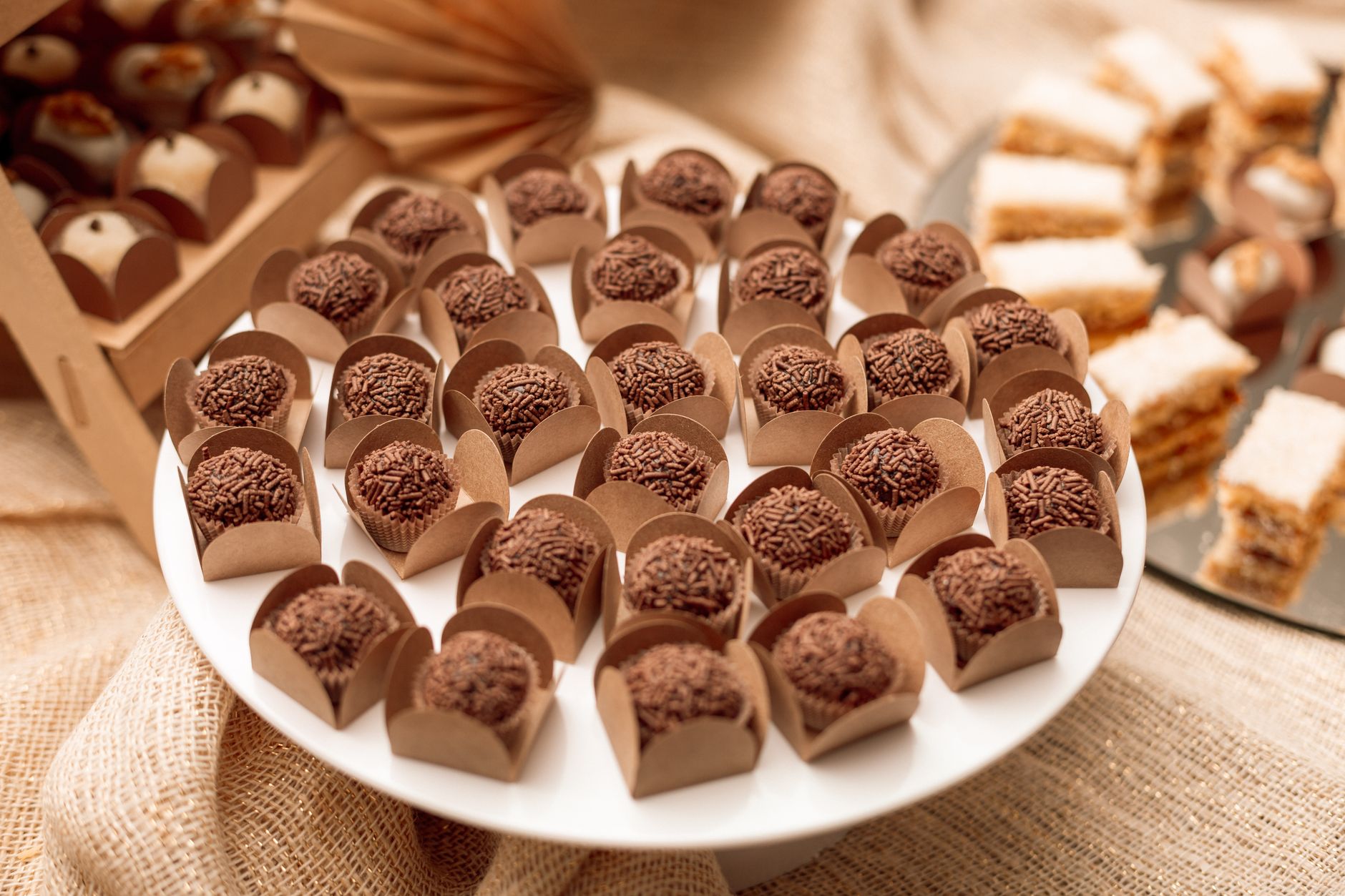
Few souvenirs are as enjoyable as chocolate you have helped make. Here is where to see the process, from farm to workshop.
How chocolate is made
Cacao pods grow on trees in tropical regions. The beans are fermented, dried, roasted, cracked, ground and conched into chocolate. Seeing the process makes you taste differently.
Origin: cacao farms
- Ecuador: Farms near Guayaquil and in the Amazon region offer tours with tastings.
- Costa Rica and Belize: Family-run farms show the process, often with a hands-on workshop.
- Ghana and Ivory Coast: The largest producers. Visits are possible with local operators, and ethical sourcing is a topic worth asking about.
- Grenada and Dominican Republic: Island chocolate factories offer tours and sometimes bean-to-bar workshops.
Workshops in chocolate cities
- Brussels and Bruges, Belgium: Chocolatiers run praline workshops.
- Zurich and Lucerne, Switzerland: Factory tours and classes explain conching and tempering.
- Barcelona, Spain: Chocolate museums and workshops.
- Oaxaca, Mexico: Traditional stone-ground chocolate with local families.
Questions to ask
- Is the chocolate bean-to-bar (made from cacao beans) or made from bought chocolate?
- Where do the beans come from, and how are farmers paid?
- Does the workshop include tasting and can you take your creation home?
Tasting tips
Let a small piece melt on your tongue. Notice aroma, texture and flavour notes such as fruit, nut or spice. Compare dark chocolate from different origins side by side.
Bring it home
Pack chocolate in an insulated bag in hot weather. Check import rules for your home country, especially for products containing dairy or alcohol.
Book workshops ahead, as they often have small groups.
More pictures

Tags
Share this guide
We may earn a commission if you click a link and buy a product or service, at no extra cost to you. How affiliate links work.
Been there?