Forget the foil-wrapped sugar blocks at the grocery store. We’re diving into the obsessive, alchemical world of craft chocolate. From the humid fermentation sheds of Belize to the high-tech laboratories of Brooklyn, this is your definitive guide to the "bean-to-bar" revolution happening right now. ---
The Hook: A Scent That Rewrites Your DNA
I stepped off the dusty transport in the Toledo District of Belize, and the air didn't just smell like chocolate; it smelled like possibility and slightly overripe fruit. It was 6:00 AM, the humidity was already a physical weight, and the sound of machetes rhythmically thwacking against cacao pods provided a percussive soundtrack to the morning.
I picked up a raw bean, fresh from the pod. It looked like an alien lychee, covered in a slick, white mucilage that tasted like a cross between mango and lemonade. It’s hard to believe that this gooey, tropical fruit becomes the dark, snapping, sophisticated bar we crave. But that transition—the alchemy of heat, friction, and time—is exactly why chocolate making from bean to bar right now is the most exciting frontier in the culinary world.
Whether you’re a traveler looking for the ultimate "origin" experience or a home-chef ready to turn your kitchen into a micro-factory, this is how you master the craft.
---
1. Sourcing: Finding the "Holy Grail" Bean
The secret to elite chocolate isn't in the sugar; it’s in the genetics. Right now, the industry is moving away from "Forastero" (the high-yield, low-flavor bean used by big candy) and toward "Criollo" and "Trinitario" hybrids.
What to look for:
- Terroir: Just like wine, cacao carries the flavor of the soil. Madagascar beans are famous for citrus notes; Ecuadorian beans often taste of jasmine and earth.
- Direct Trade: Don’t just look for "Fair Trade." Look for "Direct Trade." This means the chocolate maker actually knows the farmer’s name and paid them 2-3x the market rate.
Pro-Tip: If you’re buying raw beans for home use, check the moisture content. You want beans that are brittle to the touch, not rubbery.
---
2. The Roast: Where Science Meets Soul
Roasting is the most critical step for flavor development. Unlike coffee, which is roasted at high heat for a short time, cacao requires a "low and slow" approach to preserve the delicate volatile oils.
- The Technique: Most elite makers right now are using drum roasters, but even a modified convection oven works for small batches.
- The Goal: You’re looking for the "Maillard reaction"—the chemical bridge where sugars and amino acids create that deep, nutty aroma.
- The "Pop": Listen for a sound similar to popcorn. That’s the husk separating from the nib.
Insider Language: We call the smell of a perfect roast "The Peak." If it starts smelling like burnt brownies, you’ve gone too far. Pull them out and cool them immediately with a high-powered fan.
---
3. Winnowing: The Great Separation
Once roasted, the beans must be cracked. The goal is to separate the nib (the soul of the chocolate) from the husk (the fibrous outer shell).
In high-end facilities like Dandelion Chocolate in San Francisco, they use custom-built vibratory sifters. In a home setup? A heavy-duty blender on a pulse setting followed by a hair dryer (yes, really) to blow away the light husks works wonders.
Pro-Tip: Don't throw away the husks! Steep them in hot water with a cinnamon stick for "Cacao Tea"—a zero-calorie, antioxidant-heavy drink that tastes like a ghost of a chocolate bar.
---
4. The Grind and the Conche: 72 Hours of Patience
This is where the magic happens. You take those crunchy nibs and put them into a Melanger (a stone refiner). As the granite wheels spin, they crush the nibs until the cocoa butter is released, turning the dry bits into a viscous liquid called "chocolate liquor."
- Refining: This reduces the particle size to below 20 microns. If you can feel grit on your tongue, it’s not done.
- Conching: This is the process of airing out the chocolate while it grinds. It allows acidic notes (like acetic acid from fermentation) to evaporate, leaving behind a smooth, mellow flavor.
The "Right Now" Trend: "Two-Ingredient Bars." Elite makers are ditching vanilla and soy lecithin. It’s just cacao and organic cane sugar. That’s it.
---
5. The Temper: The Science of the Snap
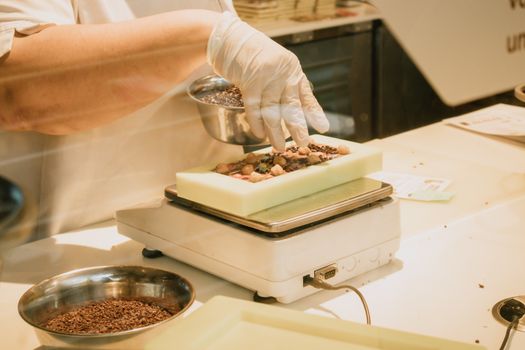
If you melt chocolate and let it cool naturally, it will be dull, soft, and greyish. This is "bloom." To get that professional "snap" and mirror-like shine, you must temper.
Tempering is the process of manipulating the cocoa butter crystals into a "Form V" structure.
- Heat to 115°F (to melt all crystals).
- Cool to 82°F (to seed new crystals).
- Reheat to 88-90°F (for dark chocolate) to melt away the "bad" crystals.
The "Blue Door" Secret: If you’re in Paris, visit Le Chocolat Alain Ducasse. They have a window where you can watch the tempering machines—it’s like watching liquid silk being folded by robots.
---
6. Global Hotspots: Where to See it Right Now
If you want to witness bean-to-bar making in its highest form, these are the three pins you need on your map:
- Oaxaca, Mexico: Visit El Rito. They are reclaiming the ancient Zapotec methods but with a modern, minimalist aesthetic.
- Zurich, Switzerland: Skip the tourist traps and head to Max Felchlin. Their "Grand Cru" line is the gold standard for pastry chefs worldwide.
- Brooklyn, USA: Mast Brothers may have started the trend, but Raaka Chocolate is winning the "right now" game with their unroasted, "virgin" chocolate process.
---
Quick Facts & Logistics
| Feature | Details | | :--- | :--- | | Best Time to Visit Origins | Dry Season (Dec–March in Central/South America) | | Estimated Workshop Cost | $75 – $250 USD per person | | Essential Equipment | Stone Melanger, Infrared Thermometer, Cacao Cracker | | Top Origin Countries | Peru, Belize, Vietnam, Madagascar | | How to Get There | Fly into Belize City (BZE) then take a "puddle jumper" to Punta Gorda for the most authentic farm tours. |
---
The Budget: From "Backpacker" to "Billionaire"
- The Backpacker ($): Visit a local "Cooperativa" in Peru. For about $15, you can spend a day harvesting pods and eating raw pulp.
- The Enthusiast ($$): Take a 3-day intensive course at the Chocolate Academy (multiple locations globally). Expect to pay around $500 for professional certification.
- The Connoisseur ($$$): Book a stay at Rabot Estate in St. Lucia. It’s a luxury hotel situated literally inside a cacao plantation. You can graft your own tree and create a custom bar from their harvest.
---
Authenticity: Why This Matters
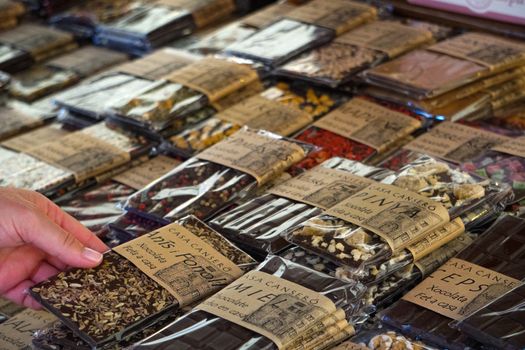
True bean-to-bar chocolate making isn't just a culinary trend; it's a decolonization of the chocolate industry. For a century, the farmers were kept in the dark about the final product. Today, the "right now" movement involves farmers becoming the makers. When you buy a bar wrapped in thick, textured paper with a batch number and a roast date, you aren't just buying candy. You’re buying a piece of geography.
Next time you snap off a square, don't just chew. Let it melt. Look for the "long finish"—that flavor that stays on your palate for five minutes after the chocolate is gone. That is the mark of a master.
---
More pictures
Tags
Share this guide
We may earn a commission if you click a link and buy a product or service, at no extra cost to you. How affiliate links work.
Been there?