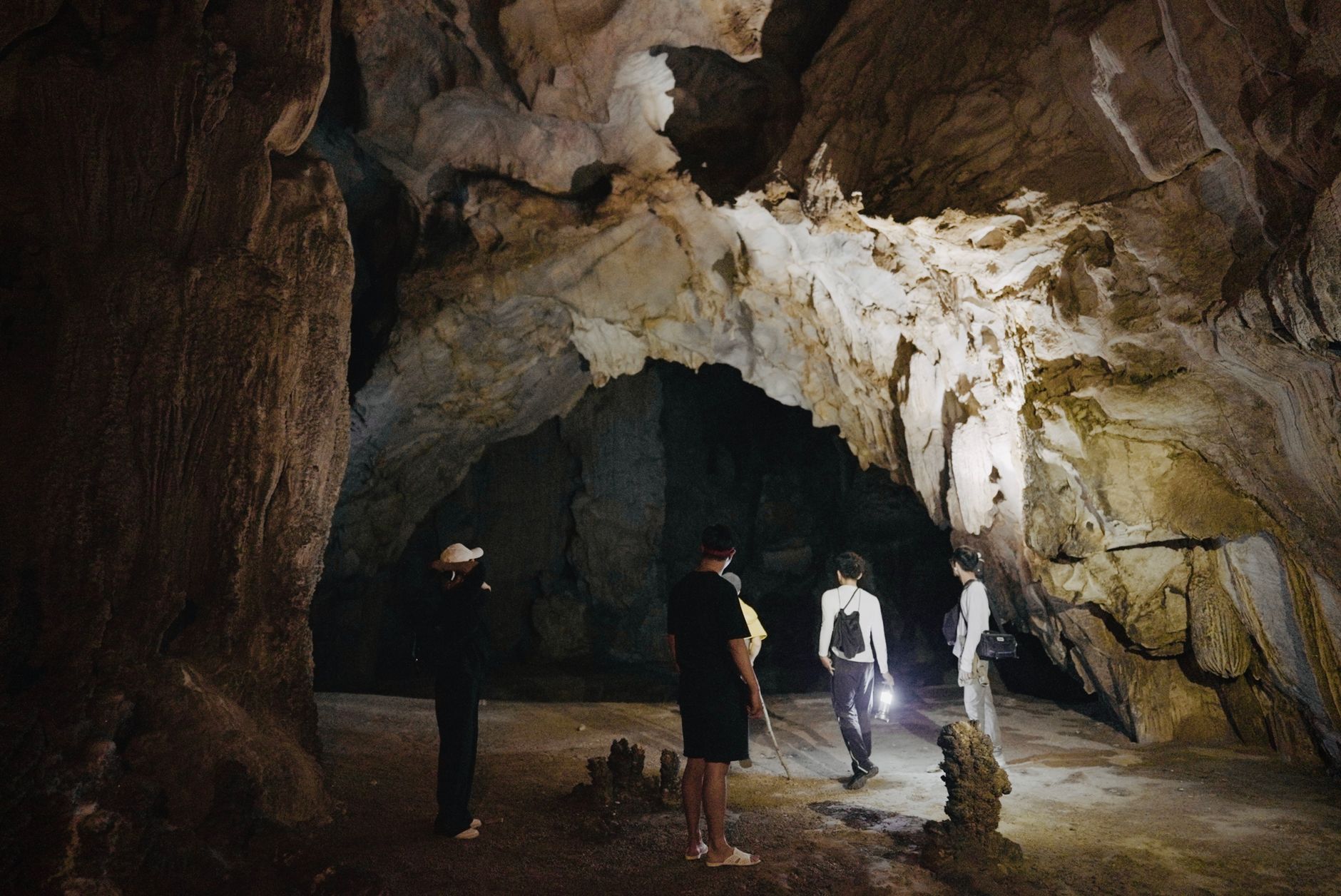
Ever dreamt of venturing deep underground, discovering hidden wonders at your own pace? This post unveils five breathtaking cave systems around the world where you can embark on an epic self-guided adventure, no tour group required. Get ready to experience the raw magic of the Earth's hidden depths! ---
The air grows cool, damp, and carries the faint scent of ancient earth. A profound silence descends, broken only by the drip-drip-drip of water echoing in the vast darkness. This, my friends, is the irresistible call of the underground – a world alien yet intimately connected to our own, teeming with geological marvels forged over millennia.
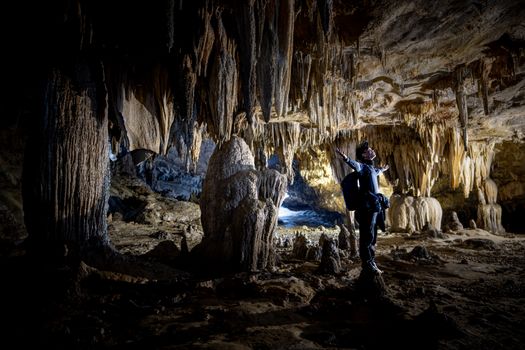
I remember my first truly self-guided cave experience. It was a small, unassuming entrance in a national park, just a sign warning of slippery surfaces and the need for a flashlight. No ranger, no tour group, just me and my backpack. The moment I stepped inside, the modern world melted away. The sheer freedom of exploring at my own pace, stopping to marvel at a shimmering crystal formation, or simply sitting in the profound darkness to absorb the silence, was exhilarating. It wasn't just a walk; it was a journey of discovery, a personal communion with the planet’s beating heart.
While many of the world's most spectacular caves require a guided tour (and for good reason, safety first!), there are incredible subterranean wonders that welcome independent explorers. These are the places where you can truly connect with your inner Indiana Jones, where the only schedule is your own curiosity. Forget the crowds and the rushed explanations; these are the cave systems you need to experience before you die, offering an unparalleled sense of adventure and discovery.
Ready to descend? Let’s dive in!
1. Carlsbad Caverns National Park, New Mexico, USA: The Big Room's Grandeur
Imagine a chamber so vast it could comfortably house six football fields. That's the scale of the Big Room at Carlsbad Caverns, and the best part? You can explore it entirely on your own! My first visit here felt like stepping onto another planet. The sheer scale is almost incomprehensible, and the formations – stalactites dripping from the ceiling like frozen waterfalls, stalagmites rising from the floor like colossal sentinels, and draperies resembling petrified curtains – are simply mind-blowing.
You have two main options to enter the Big Room: a dramatic 750-foot descent via the natural entrance, or a quick elevator ride. I highly recommend taking the natural entrance walk, a winding, paved path that takes about an hour. It’s a fantastic way to acclimatize to the underground environment and witness the transition from daylight to deep cave twilight. As you descend, the air cools, and the echoing sounds of unseen water droplets become your soundtrack. The path is well-maintained and clearly marked, making it incredibly accessible for most fitness levels.
Once in the Big Room, a 1.25-mile paved loop trail guides you past iconic formations like the "Giant Dome," "Rock of Ages," and the "Bottomless Pit." Every turn reveals a new spectacle, and with no guide rushing you, you can spend hours just absorbing the beauty. I remember finding a quiet bench and just sitting there, turning off my flashlight for a few moments to experience the absolute, profound darkness – a truly humbling experience. The scale of the "Hall of Giants" is particularly Instagram-worthy, with formations so massive they defy belief.
Practical Tips:
- Entry Fee: $15 per adult (America the Beautiful Pass accepted). No separate fee for the self-guided Big Room trail.
- Best Time to Visit: Spring and Fall offer pleasant surface temperatures, but the cave maintains a constant 56°F (13°C) year-round.
- What to Bring: A jacket or sweater, comfortable walking shoes, and a reliable flashlight (even though the path is lit, a personal light enhances the experience and helps spot details). Water bottles are allowed, but no food.
- Getting There: Located in southeastern New Mexico, about a 30-minute drive from the city of Carlsbad.
- Don't Miss: The bat flight program (seasonal, dusk) at the natural entrance, where hundreds of thousands of bats emerge. It’s an unforgettable natural spectacle.
2. Ape Caves, Mount St. Helens National Volcanic Monument, Washington, USA: Lava Tube Adventure
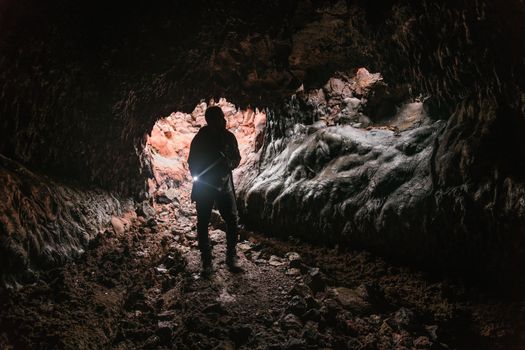
Ready to explore a geological marvel born from fire? The Ape Caves, located on the flanks of Mount St. Helens, are the third-longest continuous lava tube in North America, and they offer an absolutely thrilling self-guided adventure. Formed by ancient lava flows, these caves are a stark contrast to the limestone caverns, with smooth, dark walls and fascinating flow features.
There are two main sections to explore: the Lower Cave (easy, 0.75 miles one way) and the Upper Cave (moderate to difficult, 1.5 miles one way). I first tackled the Lower Cave with my family, and it was perfect for all ages. The path is relatively flat, with a few small climbs over breakdown. The highlight for me was the "Meatball" – a large lava rock suspended between the floor and ceiling, looking exactly as its name suggests! It’s an amazing example of how the lava flow once behaved.
The Upper Cave is where the real adventure begins. It requires more agility, with several rock piles to scramble over, including an 8-foot lava fall that needs a bit of a climb. This section truly makes you feel like an explorer. The darkness here is profound, and the silence is only broken by the crunch of your boots on the cave floor. The formations are less about dripping stalactites and more about the raw power of volcanic activity – ripples, shelves, and "lava falls" frozen in time.
Practical Tips:
- Entry Fee: $5 per vehicle for a timed reservation (Recreation.gov) during peak season (mid-May to late October). Check the official website for current requirements.
- Best Time to Visit: Open seasonally, typically late spring through early fall.
- What to Bring: ABSOLUTELY ESSENTIAL: Two reliable light sources per person (headlamp + flashlight), sturdy shoes with good grip, warm layers (cave temperature is about 42°F / 6°C), and water. Helmets are highly recommended, especially for the Upper Cave, as the ceilings can be low.
- Getting There: Located about 2 hours north of Portland, Oregon, or 1.5 hours south of Seattle, Washington. Follow signs for Mount St. Helens.
- Leave No Trace: Do not touch the cave walls or formations, as oils from your skin can damage them. Pack out everything you pack in.
3. Lava Beds National Monument, California, USA: A Labyrinth of Self-Exploration
If you want options, Lava Beds National Monument is your paradise. This incredible park boasts over 700 caves, and more than two dozen are developed for public, self-guided exploration! It's an underground playground where you can spend days hopping from one lava tube to another, each with its own unique character.
My first visit here, I felt like a kid in a candy store. The sheer variety is astounding. Some caves are easy walks, like Mushpot Cave, which has paved paths and interpretive lighting, offering a great introduction. Others, like Valentine Cave, offer a taste of true wilderness caving with rough floors and complete darkness, requiring good headlamps and a sense of adventure. Sentinel Cave is a personal favorite, offering a relatively easy walk with fascinating "lava columns" and a sense of vastness.
The beauty of Lava Beds is the freedom to choose your own adventure level. You can start with the easier caves to build confidence, then challenge yourself with more rugged ones. I remember exploring Skull Cave, which has a permanent ice floor even in summer – a bizarre and beautiful contrast to the arid landscape above ground. Each cave entrance feels like a portal to a different world, and the joy of discovering their distinct features at your own pace is truly unparalleled.
Practical Tips:
- Entry Fee: $25 per vehicle (America the Beautiful Pass accepted).
- Best Time to Visit: Spring and Fall offer mild weather for surface activities. Caves are cool year-round.
- What to Bring: At least two reliable light sources per person (headlamp is best), sturdy closed-toe shoes, warm layers (caves are 45-55°F / 7-13°C), and water. Helmets are highly recommended and can be rented or borrowed at the visitor center (check availability).
- Getting There: Located in northeastern California, about an hour south of Klamath Falls, Oregon.
- Safety First: Always tell someone your plans, carry extra batteries, and know your limits. Check the visitor center for cave conditions and recommendations.
4. Jenolan Caves, Blue Mountains, Australia: Ancient Wonders Down Under
Nestled in the breathtaking Blue Mountains of New South Wales, Jenolan Caves is one of the world's oldest and most spectacular cave systems. While many of its stunning caverns require guided tours, Jenolan offers a unique opportunity for self-guided exploration in two fantastic caves: the Nettle Cave and the Devil's Coach House. These aren't just mere entryways; they are significant, ancient systems that offer a taste of Jenolan's magic without a group.
The Nettle Cave is a real gem. It’s an easy, well-lit, and paved walk through a series of chambers, offering a fascinating glimpse into the cave's geology and history. What makes it truly special are the interpretive signs that tell the story of the local Aboriginal people and their connection to the land and the caves. I found myself lingering, reading every plaque, imagining the ancient ceremonies that might have taken place in these very spaces. The formations, though perhaps less grand than some of the guided tours, are still exquisite – shimmering flowstones and delicate stalactites.
Adjacent to Nettle Cave, the Devil's Coach House is a massive, awe-inspiring cavern that you can walk through as part of a scenic loop. It's an open-ended cave, meaning you can see daylight at both ends, but its sheer size and the dramatic rock formations within are breathtaking. It feels like walking through a giant's cathedral. The path is easy, and it offers fantastic photo opportunities, especially when the light filters in from the entrances.
Practical Tips:
- Entry Fee: Access to the Nettle Cave and Devil's Coach House is free! Parking fees may apply.
- Best Time to Visit: Year-round. The Blue Mountains are beautiful in all seasons.
- What to Bring: Comfortable walking shoes, a light jacket (caves are cool), and your camera. While well-lit, a small flashlight can help you spot details.
- Getting There: About a 3-hour drive west of Sydney. The drive through the Blue Mountains is scenic but winding.
- Beyond the Caves: The surrounding area offers stunning bushwalking trails, breathtaking lookouts (like the Blue Lake, often a vibrant blue), and abundant wildlife. Make a day of it!
5. Sistema Dos Ojos / Cenotes, Yucatan Peninsula, Mexico: Subterranean Swimming Holes
While not "caves" in the traditional dry sense, the cenotes of Mexico's Yucatan Peninsula offer an unparalleled self-guided subterranean experience. These natural sinkholes, formed by the collapse of limestone bedrock, expose crystal-clear groundwater, often leading to vast underground river systems and caverns. Many cenotes are open-air, but countless others lead directly into stunning, partially submerged cave systems that you can explore by swimming, snorkeling, or even diving, without a dedicated guide.
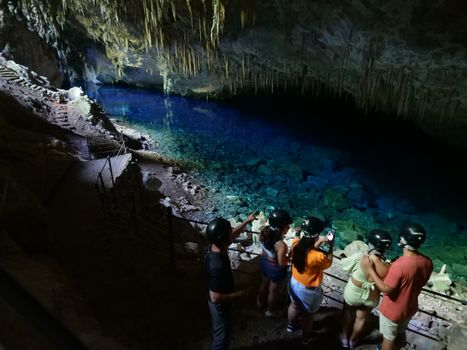
My first experience with a cenote, particularly one connected to a cave system like Dos Ojos (meaning "Two Eyes"), was transformative. Imagine floating in water so clear it feels like air, with shafts of sunlight piercing through openings in the cave ceiling, illuminating ancient stalactites and stalagmites both above and below the waterline. It’s an ethereal, other-worldly experience.
At Dos Ojos, for example, you can rent snorkeling gear and explore various "eyes" or entrances, each leading into different sections of the underwater cave. The main swimming areas are well-marked and safe for independent exploration. You'll swim through passages where the ceiling is just above the water, marveling at the formations, and experiencing the profound silence broken only by the sound of your own breathing and the gentle splash of water. It's a truly immersive, sensory adventure that combines the thrill of caving with the wonder of aquatic exploration. Other fantastic self-guided cenote options include Gran Cenote and Cenote Azul, both offering stunning cave-like swimming experiences.
Practical Tips:
- Entry Fee: Varies per cenote. For Dos Ojos, expect around 400-500 Mexican Pesos (approx. $20-25 USD).
- Best Time to Visit: Year-round. Mornings are best to avoid crowds and experience the sunlight filtering in.
- What to Bring: Swimsuit, towel, reef-safe sunscreen (essential to protect the delicate ecosystem), snorkeling gear (can often be rented), water shoes, and a waterproof camera.
- Getting There: Many cenotes are located along the Riviera Maya, easily accessible by car or colectivo (shared taxi) from Tulum, Playa del Carmen, or Cancun. Dos Ojos is a short drive north of Tulum.
- Respect the Environment: Do not touch formations, avoid chemical sunscreens, and do not disturb wildlife.
Essential Gear & Safety for Your Self-Guided Cave Adventure
Embarking on a self-guided cave exploration is an incredible privilege, but it comes with responsibilities. Safety and preparedness are paramount.
- Multiple Light Sources: This is non-negotiable. Always carry at least two reliable light sources per person (a headlamp is ideal as it keeps your hands free, plus a handheld flashlight). Check batteries before you go and carry spares.
- Appropriate Footwear: Sturdy, closed-toe shoes with good traction are a must. Many cave floors are uneven, slippery, or rocky.
- Layers of Clothing: Caves maintain a constant, cool temperature (often 40-60°F or 4-15°C) regardless of the outside weather. A jacket or sweater is essential.
- Helmet (Recommended): Especially in lava tubes or more rugged caves, a helmet protects against bumps from low ceilings or falling debris. Some parks rent them; otherwise, bring your own.
- Water & Snacks: Stay hydrated. While food might not be allowed in all caves (check park rules), having water is crucial.
- Tell Someone Your Plans: Always inform a friend, family member, or park ranger about your itinerary, including which cave you’re entering and your expected return time.
- Stay on Marked Paths: For your safety and to protect delicate formations, never venture off designated trails.
- Leave No Trace: Pack out everything you pack in. Do not touch formations, disturb wildlife, or leave any trash. Take only photos, leave only footprints.
- Know Your Limits: If a cave seems too challenging or you feel uncomfortable, turn back. There's no shame in prioritizing your safety.
- Respect the Darkness: Turn off your lights for a moment to truly experience the profound darkness and silence. It's a unique and humbling part of the cave experience.
Dare to Descend?
The world beneath our feet is a realm of unimaginable beauty and mystery. These self-guided cave systems offer a unique opportunity to connect with the raw power of nature, to challenge yourself, and to discover wonders that few ever see. The thrill of navigating by your own light, the quiet awe of ancient formations, and the profound sense of solitude make for an unforgettable travel experience.
So, what are you waiting for? Grab your headlamp, lace up your boots, and start planning your next underground adventure. Which of these incredible caves will you explore first?
Share your favorite self-guided cave experiences in the comments below! And don't forget to tag #TripsoraCaves on Instagram with your epic subterranean shots!
---
More pictures

Tags
Share this guide
We may earn a commission if you click a link and buy a product or service, at no extra cost to you. How affiliate links work.
Been there?