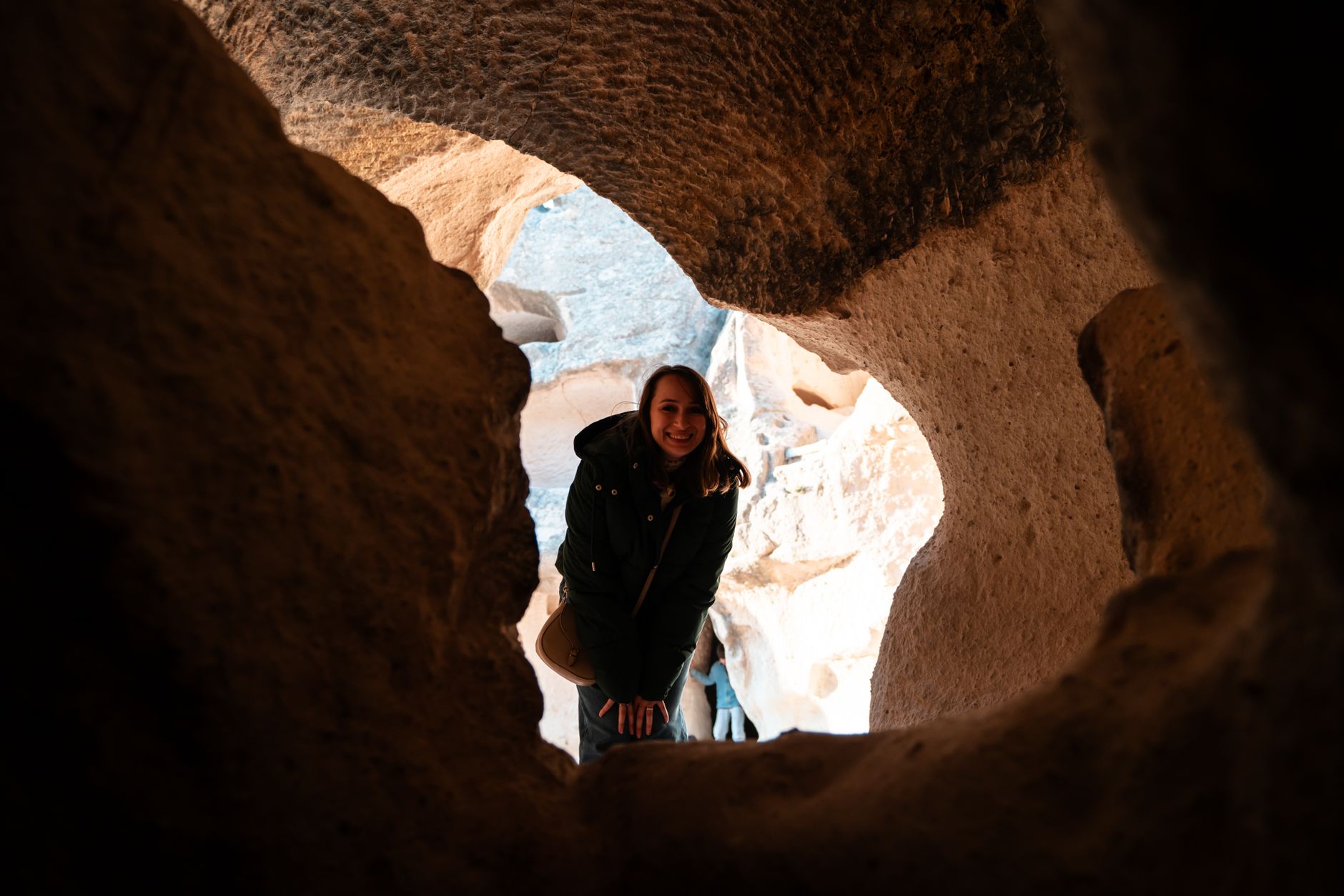
Tired of crowded, guided tours? Discover a thrilling world of self-guided cave exploration that offers unparalleled freedom and authentic adventure. We're revealing the secret spots and essential tips influencers don't want you to know. ---
The air grew cool and damp around me, the scent of ancient earth filling my nostrils. Above, a sliver of sunlight still pierced the entrance, but ahead, a vast, inky blackness beckoned. My heart thrummed with a mix of excitement and a touch of primal apprehension. This wasn't a crowded tourist trail; there was no guide rattling off facts, no jostling for the perfect photo op. Just me, my headlamp, and the echoing silence of a world millions of years in the making. This was my first truly self-guided cave exploration, and it was utterly transformative.
In an age where every "hidden gem" seems to be plastered across Instagram by the same dozen influencers, the idea of genuine, unscripted adventure can feel like a relic. But I'm here to tell you, it's not. There are still incredible, accessible cave systems around the world where you can strap on a headlamp, grab a map, and venture into the subterranean unknown on your own terms. These are the places that offer real discovery, where the only "influencer" is the awe-inspiring geology surrounding you. And trust me, they don't want you to know about them because the magic lies in the quiet, personal connection you forge with these ancient wonders.
Ready to trade the curated content for raw adventure? Let's dive in.
The Lure of the Uncharted: Why Go Solo and Sans Guide?
My journey into independent cave exploration began almost by accident. I was backpacking through Northern California, and a local told me about Lava Beds National Monument – a place where you could literally grab a map and explore lava tubes on your own. Skeptical but intrigued, I borrowed a headlamp and stepped into the darkness. The experience was profound. The freedom to linger, to examine a particular formation, to simply sit in the absolute silence and listen to my own breath, was unlike any guided tour I'd ever taken. It was meditative, exhilarating, and deeply personal.
Going without a guide isn't about being reckless; it's about reclaiming your sense of adventure and curiosity. Here's why it's a game-changer:
- Unparalleled Freedom: Set your own pace. Stop when you want, go where you want (within designated safe areas). There’s no rush, no timetable, just you and the cave.
- Authentic Discovery: The stories you tell after a self-guided exploration are yours. You discover things, make connections, and overcome small challenges that create lasting memories, not just photo ops.
- Budget-Friendly: Guided tours often come with a hefty price tag. Self-guided options are typically free or require only a minimal entrance fee to the park.
- Mindfulness & Connection: Without the constant chatter of a guide or the distractions of a group, you become acutely aware of your surroundings – the cool air, the dripping water, the echoes, the sheer scale of it all. It’s a truly immersive, almost spiritual experience.
- Beat the Crowds: Many of these self-guided areas are less frequented than their fully guided counterparts, offering a more serene and intimate experience.
It's about the journey, not just the destination. It's about empowering yourself to explore, to learn, and to appreciate the raw beauty of our planet.
Essential Gear for the Independent Caver: Don't Go Underground Without It!
Before you even think about stepping into the darkness, preparation is key. This isn't a walk in the park. The right gear ensures your safety and comfort, transforming potential hazards into manageable adventures. I learned this the hard way once, forgetting spare batteries and ending up relying on my phone flashlight for the last stretch – a mistake I'll never repeat!
Here’s your non-negotiable checklist:
- Headlamp (and a spare!): This is your absolute most important piece of gear. Get a good quality, bright LED headlamp. Always, always carry a backup headlamp and spare batteries for both. Your phone flashlight is NOT a substitute.
- Sturdy Footwear: Hiking boots with good ankle support and excellent grip are crucial. Caves can be slippery, uneven, and rocky. Leave the sneakers at home.
- Layers of Clothing: Caves maintain a constant, cool temperature (often 40-60°F or 5-15°C) regardless of the outside weather. Wear layers you can easily add or remove. A light jacket or fleece is usually perfect.
- Water & Snacks: Even a short exploration can be dehydrating. Bring more water than you think you'll need. High-energy snacks (granola bars, nuts) are also a good idea.
- Small Backpack: To carry all your essentials.
- Gloves: Optional but recommended for protecting your hands from rough rocks and cold surfaces.
- First-Aid Kit: Band-aids, antiseptic wipes, pain relievers, and any personal medications. Accidents happen, especially when moving through uneven terrain.
- Map/Navigation: Even if the path is marked, a physical map of the cave (often available at park visitor centers) is invaluable. GPS can be unreliable underground.
- Helmet (Optional but Recommended): For undeveloped caves or areas with low ceilings, a lightweight climbing helmet can save you from a nasty bump.
- Cell Phone (for emergencies if signal available): Don't rely on it for light or navigation, but it's good to have for emergencies if you get lucky with a signal near the entrance.
Remember, the goal is to be self-sufficient and prepared for anything.
Safety First: Your Solo Caving Checklist
Exploring caves independently is incredibly rewarding, but it demands respect and adherence to safety protocols. My rule of thumb: if I wouldn't do it alone in the wilderness, I definitely won't do it alone underground.
- Tell Someone Your Plans: Always inform a trusted friend, family member, or park ranger about your exact route and expected return time. This is non-negotiable for solo exploration.
- Know Your Limits: Don't attempt anything beyond your skill level or comfort zone. Stick to marked trails and designated self-guided areas. If a passage looks too tight, too slippery, or too dark, turn back. There's no shame in it.
- Stay on Marked Paths: Deviating from the trail can lead to getting lost, damaging fragile formations, or encountering unforeseen hazards.
- Leave No Trace: Pack out everything you pack in. Do not touch cave formations (they are fragile and body oils can damage them). Do not disturb wildlife. Leave the cave exactly as you found it, or better.
- Conserve Your Light: Use your headlamp judiciously. Turn it off for a few minutes (in a safe, open area) to experience true darkness, but don't waste battery power.
- Listen to Your Body: If you feel claustrophobic, disoriented, or unwell, take a break or head back. Your well-being is paramount.
- Check Weather Conditions: Flash floods can be a serious danger in some cave systems, especially those with river components. Always check forecasts before you go.
This isn't about fear; it's about smart, responsible adventure. These precautions ensure you have an incredible, memorable experience for all the right reasons.
Hidden Depths: My Top Self-Guided Cave Systems Influencers Don't Want You to Know
Now for the good stuff! These are some of my absolute favorite places where you can truly explore underground worlds on your own. Each offers a unique experience and a chance for genuine discovery.
1. Lava Beds National Monument, California, USA
- What it is: A geological wonderland of over 700 caves, most of which are lava tubes formed by ancient volcanic eruptions. The park is specifically designed for self-guided exploration.
- My Experience: This was my first love affair with self-guided caving. I remember descending into "Mushpot Cave," a short but surprisingly beautiful tube, its walls shimmering with mineral deposits. Later, I tackled "Sentinel Cave," a longer, more challenging route where I had to crawl through tight passages and navigate complete darkness with only my headlamp. The sheer variety, from easy walk-throughs to challenging crawls, meant I could spend days here and never get bored. I felt like an early explorer, discovering these passages for the first time. The silence in the deeper parts was absolute, a truly humbling experience.
- Why it's perfect for solo exploration: The park provides maps, and many caves are rated by difficulty. You borrow a free headlamp (though bringing your own is better) at the visitor center, grab a map, and off you go. It's incredibly accessible and well-managed for independent adventurers.
- Practical Details:
- Location: Northern California, near the Oregon border.
- Cost: $25 per vehicle for a 7-day pass (or free with America the Beautiful pass). Headlamps are available for free loan at the visitor center.
- Best Time to Visit: Spring and fall offer pleasant weather. Summer can be hot outside, but caves are always cool. Winter can bring snow, making access challenging.
- Tips: Start with easier caves (like Mushpot or Indian Well) to get comfortable. Don't miss the longer, more challenging ones like Sentinel or Skull Cave if you're feeling adventurous. Wear old clothes – you'll get dusty, maybe even muddy.
2. The Cenotes of Yucatán Peninsula, Mexico
- What it is: Natural sinkholes formed by the collapse of limestone bedrock, exposing stunning underground rivers and caves filled with crystal-clear freshwater. While some are highly developed tourist attractions, hundreds remain wild or semi-wild, offering self-guided exploration opportunities.
- My Experience: I've spent weeks exploring the Yucatán, specifically seeking out the less-traveled cenotes. My favorite experience was Cenote X'Canche near Ek Balam. After a short bicycle ride through the jungle (rented from the local village), I arrived at a wide-open cenote, with a small entrance fee booth and little else. No guides, no crowds, just a simple wooden staircase leading down to the emerald water. I spent hours snorkeling, marveling at the stalactites hanging over the water, and swimming into the darker, cavernous sections. The shafts of light piercing the water from above created an ethereal glow, like something out of a dream. It felt like my own private sanctuary.
- Why it's perfect for solo exploration: Many cenotes, especially those further from the main tourist hubs, operate on a simple entrance fee system. You pay, you go in, you explore. Snorkeling gear is often available for rent, but bringing your own is always a good idea.
- Practical Details:
- Location: Yucatán Peninsula, Mexico (especially around Valladolid, Tulum, and Merida).
- Cost: Varies widely, from 50-300 Mexican Pesos (approx. $2.50-$15 USD) depending on the cenote's development and popularity.
- Best Time to Visit: Dry season (November to April) for clearer water and fewer mosquitoes.
- Tips: Look for cenotes described as "rústico" or "natural." Ask locals for recommendations away from the main highways. Always take a refreshing shower before entering to protect the delicate ecosystem. Bring biodegradable sunscreen if you plan to be above ground before/after.
3. Mammoth Cave National Park, Kentucky, USA (Self-Guided Historic Entrance)
- What it is: The longest known cave system in the world, Mammoth Cave offers a variety of tours. While most are ranger-led, they do offer a specific self-guided option that allows you to explore a significant portion of the historic entrance on your own.
- My Experience: I'd done guided tours at Mammoth before, but the self-guided Historic Entrance route offered a completely different perspective. Armed with a park map and brochure, I could pause at each point of interest, read the detailed explanations, and imagine the thousands of years of history etched into the walls. I spent a good hour just sitting in "Reuben's Dome," a massive cavern, letting the silence envelop me, something I could never do on a guided tour. The sheer scale of the passages here is breathtaking, and the freedom to absorb it at my own pace was truly special.
- Why it's perfect for solo exploration: This specific route is designed for independent exploration. You purchase a ticket, follow the marked path, and learn at your own leisure. It's a fantastic way to experience a world-class cave system without being part of a large group.
- Practical Details:
- Location: Central Kentucky, near Brownsville.
- Cost: Self-Guided Historic Entrance Tour is typically around $10-15 per person. Check the official NPS website for current prices and availability.
- Best Time to Visit: Spring and fall for comfortable outdoor temperatures. Caves are cool year-round. Weekdays are less crowded.
- Tips: Purchase tickets online in advance, as even self-guided tours can have limited capacities. Wear good walking shoes – the path is paved but long.
4. Carlsbad Caverns National Park, New Mexico, USA (Natural Entrance Trail)
- What it is: Another UNESCO World Heritage Site, famous for its enormous chambers and incredible speleothems. Like Mammoth, it offers a self-guided option via its magnificent Natural Entrance Trail.
- My Experience: Walking down the Natural Entrance Trail at Carlsbad is like descending into another dimension. The entrance itself is a gaping maw in the earth, and as you spiral downwards, the sunlight gradually fades, replaced by the soft glow of the cave's interior lighting. On my self-guided descent, I took my time, stopping to admire the "Devil's Den" and the "Whale's Mouth" formations, feeling the air grow cooler and damper with every step. The sheer vastness of the "Big Room" at the bottom, accessible from this trail, is almost overwhelming. Being able to experience this at my own pace, without a group pushing me along, allowed me to truly appreciate the scale and artistry of nature.
- Why it's perfect for solo exploration: The Natural Entrance Trail is entirely self-guided, leading you down a paved path for 1.25 miles (2 km) into the Big Room, descending over 750 feet (229 meters). It's incredibly well-maintained and offers an epic journey into the earth.
- Practical Details:
- Location: Southeastern New Mexico, near White's City.
- Cost: $15 per person for a 3-day pass (or free with America the Beautiful pass).
- Best Time to Visit: Year-round, but spring and fall offer milder weather for the surface.
- Tips: Allow at least 2-3 hours for the self-guided descent and exploration of the Big Room. An elevator is available for the ascent if you prefer not to walk back up. Don't forget to check out the bat flight program at sunset during summer months – it's spectacular!
Capturing the Magic: Instagram-Worthy Shots (Without Disturbing Nature)
Just because you're ditching the influencer crowds doesn't mean you can't capture incredible, authentic photos for your own memories and to inspire others! The trick is to do it respectfully and creatively.
- Embrace the Darkness: Don't rely solely on your phone flash. Use your headlamp or a small, powerful LED light to "paint" light onto formations. This creates dramatic shadows and highlights.
- Long Exposure Magic: If you have a camera with manual settings, try long exposures (with a tripod) to capture the subtle beauty of cave features and even light trails from your headlamp.
- Focus on Details: Instead of just wide shots, zoom in on water droplets, mineral crystals, or unique rock textures. These close-ups tell a more intimate story.
- Silhouettes: Position yourself or a companion against a lit entrance or a distant light source for striking silhouette shots that emphasize the scale of the cave.
- No Touching: This is paramount. Never touch cave formations for a photo. Your body oils can stop their growth and permanently damage them.
- Respect Wildlife: If you encounter bats or other cave dwellers, keep your distance, avoid flash photography, and do not disturb them.
- Human Element (Responsibly): A small figure in the vastness of a cave can convey scale beautifully. Make sure any human element looks natural and not staged.
Your photos should reflect the wonder and respect you have for these ancient spaces, inspiring others to seek out their own responsible adventures.
Your Next Underground Adventure Awaits!
Stepping into a cave system without a guide is more than just a travel experience; it's a journey into yourself. It's about trusting your instincts, appreciating the raw power of nature, and discovering a profound sense of independence. The silence, the darkness, the sheer geological artistry – it all combines to create an unforgettable adventure that no amount of perfectly curated Instagram content can ever truly capture.
So, are you ready to ditch the crowds, grab your headlamp, and unlock the hidden worlds that influencers don't want you to know about? These self-guided cave systems are waiting for you, promising an authentic, awe-inspiring adventure that will stay with you long after you emerge back into the sunlight.
What are you waiting for? Share your dream self-guided cave adventure in the comments below, or better yet, book that ticket and go explore!
---
More pictures


Tags
Share this guide
We may earn a commission if you click a link and buy a product or service, at no extra cost to you. How affiliate links work.
Been there?