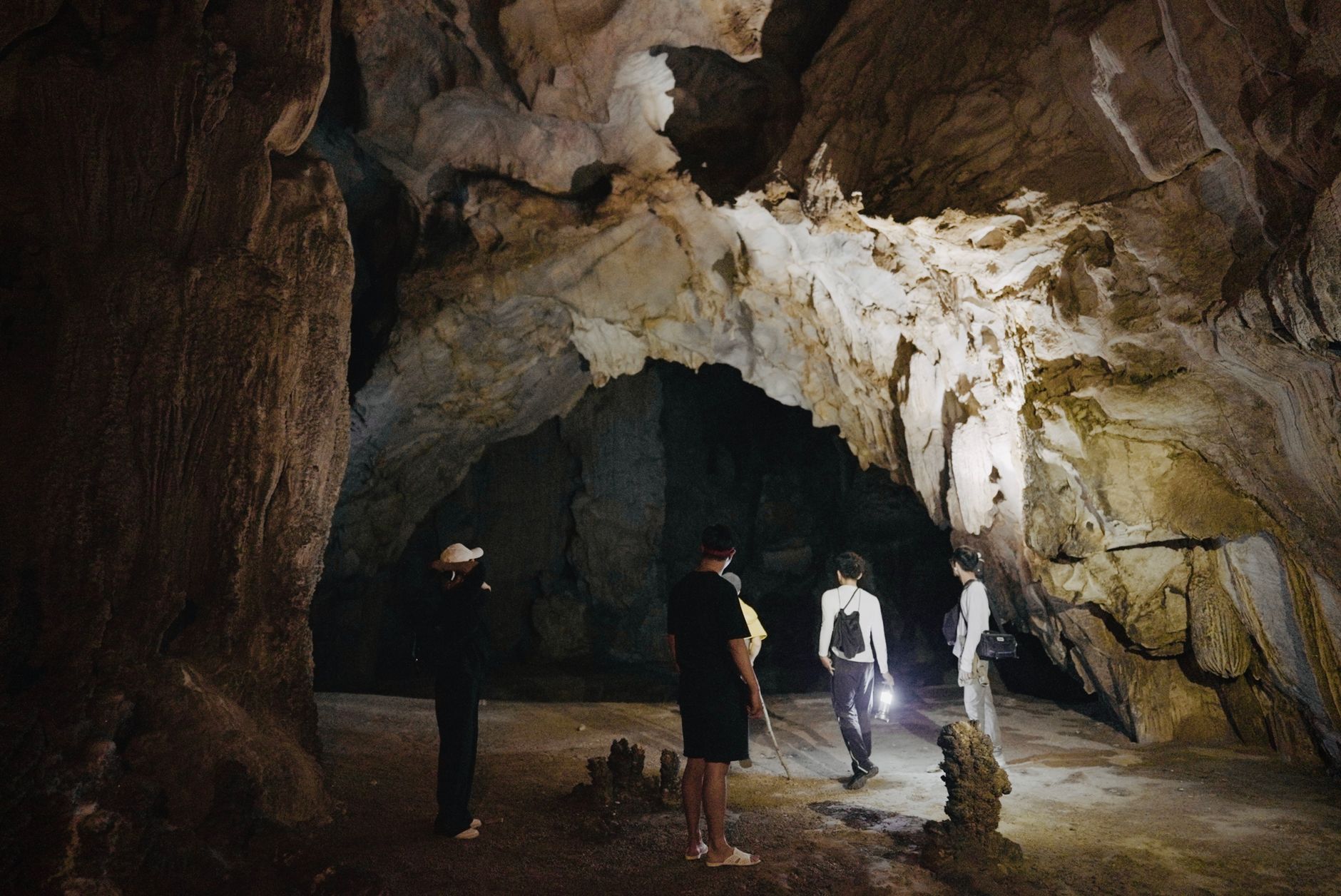
Some caves are open to self-guided visitors, but many are not. Here is how to tell the difference, and why a guide often makes sense.
A word of caution first
Wild caves can be dangerous. People get lost, hurt or trapped by rising water, and rescues are difficult. For that reason, many caves require a guide, a permit or both. This is not about profit; it is about safety and protection of fragile formations.
Caves you can usually visit on your own
Some show caves allow self-guided visits on marked paths, often with audio guides or information panels. Examples include some caves in Europe and the US, particularly those in national parks or heritage sites. Always check whether a ticket or timed entry is required.
When you should use a guide
- The cave has no lighting or marked path.
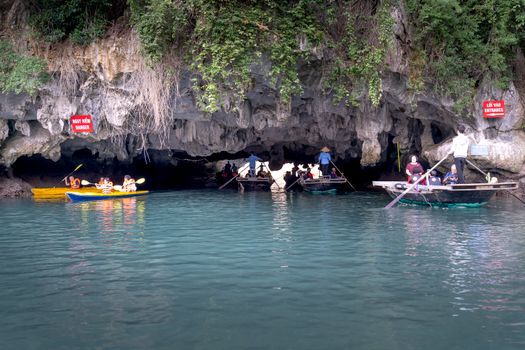
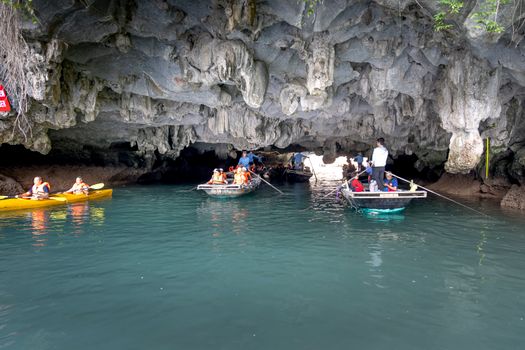
- The route involves crawling, climbing or water.
- The cave is sensitive, such as one with prehistoric art or rare wildlife.
- Local rules require it.
Safer options
Guided tours range from short walks to half-day adventures. Look for operators with insurance, safety briefings and equipment such as helmets and lights.
If you explore independently
- Tell someone where you are going and when you will be back.
- Carry three light sources and spare batteries.
- Wear a helmet and sturdy shoes.
- Do not go after heavy rain.
- Respect closures and signs. They exist for a reason.
- Never go alone.
Protect the cave
Take only photographs and leave only footprints, or better, no footprints. Avoid touching formations, and carry out all rubbish.
Rules change by location and season, so check with the local authority.
More pictures



Tags
Share this guide
We may earn a commission if you click a link and buy a product or service, at no extra cost to you. How affiliate links work.
Been there?