
Many cave systems open to visitors can be toured in a few hours, and the experience depends on guided routes, cool and steady temperatures and sensible footwear. This guide covers well-known examples and how to plan a safe visit.
Caves have drawn visitors for as long as people have lived near them, and today many limestone and sandstone systems are open to the public as show caves. These sites are developed with lighting, paved paths, handrails and guided routes, so a visit does not require technical caving skills. Many can be explored in an afternoon, which makes them practical additions to a day trip or a longer itinerary. This guide describes several well-known examples and explains what to expect, how to dress and how to plan so that the underground experience is both enjoyable and safe.
Show Caves in Europe
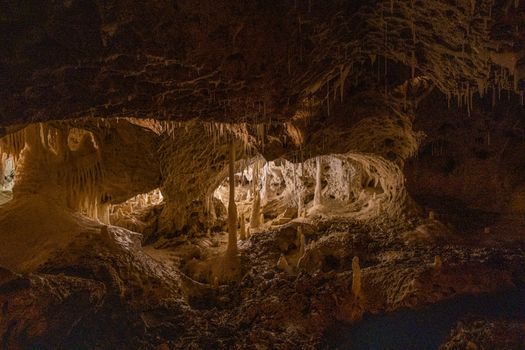
Postojna Cave in Slovenia is one of the best-known show caves in Europe. Visitors usually travel through part of the system on a small electric train, then continue on foot through large chambers filled with stalactites, stalagmites and flowstone. The cave is part of a wider karst landscape, and guided tours explain how water has shaped the rock over long periods. Tours are typically scheduled, and the length of the route varies, so check the current options before you travel.
Other European examples include caves in Italy, Croatia and Spain that offer guided walks through lit chambers. Many of these sites are near towns or major roads, which makes them easy to include in a regional itinerary. Because the terrain underground can be uneven, comfortable closed shoes with grip are a practical choice.
Cave Systems in North America
Mammoth Cave National Park in Kentucky contains one of the longest known cave networks in the world. Ranger-led tours range from short introductory walks to longer routes that involve more climbing and tight passages. Choose a tour that matches your fitness and comfort with confined spaces, and read the descriptions closely, since some routes require stooping, climbing stairs or narrow passages.
Carlsbad Caverns in New Mexico is known for its large chambers and formations. Visitors can walk down into the cave by a paved trail or take an elevator, depending on the route and current operating policies. The cave's natural entrance and its large rooms are a common highlight. Check the park website for current entry requirements, tour availability and weather-related changes.
Cave Experiences Elsewhere
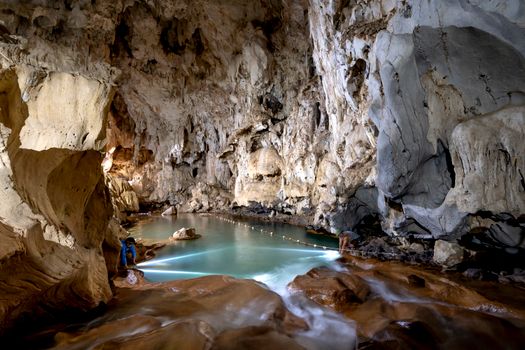
In New Zealand, the Waitomo Glowworm Caves are known for a section of limestone cave where glowworms light the ceiling. Boat rides on an underground stream are a feature of some tours, and the experience is quiet and calm. In South Africa, the Cango Caves near Oudtshoorn offer guided tours through a series of chambers with dramatic formations. Both sites provide a useful contrast to larger European and American systems, with different geology and different visitor routes.
Caves that involve boats, ladders or narrow passages may have minimum age, height or fitness requirements. Most operators describe these clearly on their websites or booking pages, so read the information before you arrive.
Safety and Comfort Underground
Cave temperatures are usually cool and stable, often close to the average annual temperature of the region, so a light jacket is generally sufficient. The humidity can make surfaces slippery, and some walkways are wet even when the weather above ground is dry. Wear shoes with good grip and avoid sandals or loose footwear. Keep your hands free where possible, and hold handrails on stairs. If you use a camera, a small tripod or a stable surface helps with the low light common in show caves, though flash is often restricted to protect formations and wildlife.
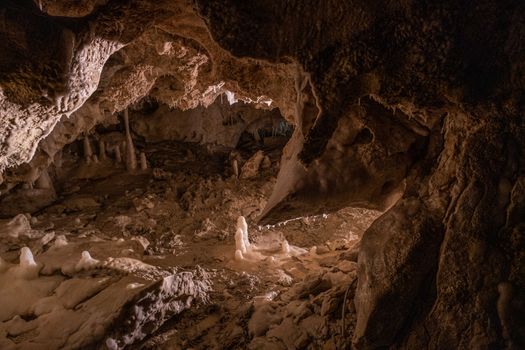
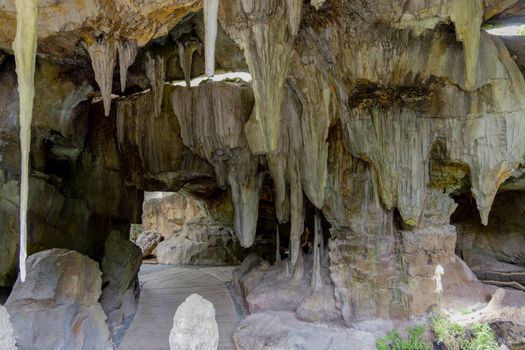
Respect the formations. Touching stalactites and other speleothems can damage them, because oils from skin can interrupt their growth. Stay on marked paths and follow the instructions of your guide, who is usually there to explain both the geology and the rules. People with claustrophobia, breathing conditions or mobility limitations should check accessibility details in advance, because some routes are narrow or involve climbing.
Planning Your Visit
Most show caves are best booked in advance during busy seasons, especially for guided tours with limited group sizes. Arrive early enough to check in and allow time for any safety briefing. Some caves have a minimum number of visitors before a tour departs, so ask the operator about scheduling. Many sites sell combined tickets with museums or nearby attractions, which can help you plan a full day. Consider bringing a bottle of water for the walk to and from the entrance, and carry a small bag so that loose items do not catch on railings or rock.
Practical tips
Check opening days, tour lengths and current requirements on the official website before setting out, because seasonal and maintenance closures are common. Pick the tour that matches your interests and physical ability rather than the longest option. Wear layers, since the temperature underground differs from the surface. If you are traveling with children, check minimum age rules for specific tours and bring snacks for the time before and after. Take photographs only where permitted, and turn off flash if it is not allowed. Keep a note of the meeting point, because some caves are in remote areas with limited signage.
Show caves offer a short, memorable break from the surface world, with formations and geology that are difficult to see anywhere else. A well-planned afternoon can include a guided tour, a walk through the surrounding landscape and time for lunch nearby. Careful preparation and respect for the formations help keep these sites worth visiting for everyone.
More pictures

Tags
Share this guide
We may earn a commission if you click a link and buy a product or service, at no extra cost to you. How affiliate links work.
Been there?