
Tired of guilt-tripping over your travel footprint? Get ready to ditch emissions without sacrificing adventure! We're diving into 5 mind-blowing carbon-neutral transportation options that will transform how you see the world—and leave it better than you found it. ---
Remember that feeling? The one where you’re soaring thousands of feet above the clouds, gazing down at the miniature world below, a sense of wonder filling your chest… quickly followed by a pang of guilt. The carbon footprint of air travel, the exhaust from that rental car, the bus spewing fumes. For years, as a travel blogger, I’ve grappled with this internal conflict. How can I explore the world, share its beauty, and inspire others to do the same, without contributing to its detriment?
Then, a few years ago, I had an epiphany. I was on a particularly grueling flight, cramped and uncomfortable, when I looked out the window and saw a tiny, winding road below, a single cyclist pedaling along. A sudden wave of longing hit me. What if travel didn't have to be about speed and efficiency at all costs? What if it could be slower, more intentional, and truly sustainable? What if I told you that your next epic adventure could be entirely guilt-free, leaving nothing but footprints and incredible memories?
Forget everything you thought you knew about "green travel" being boring or restrictive. Today, I'm going to blow your mind with carbon-neutral transportation options that aren't just eco-friendly – they're exhilarating, immersive, and often, the best way to experience a destination. These aren't just modes of transport; they're gateways to deeper connections, unexpected discoveries, and stories you’ll tell for a lifetime. Ready to embark on a journey that’s as kind to the planet as it is to your soul? Let’s dive in!
1. Electric Road Tripping: The Silent Revolution
Picture this: The sun is setting over the Pacific, painting the sky in fiery hues. You're cruising along Highway 1 in California, windows down, the salty air kissing your face. But instead of the growl of an engine, there's just a whisper, a silent hum as your electric vehicle glides effortlessly along. This isn't a scene from a sci-fi movie; it's my reality on a recent EV road trip, and it was nothing short of transformative.
My first electric road trip was from Los Angeles to San Francisco, a classic route I’d driven countless times in gas-guzzlers. This time, in a rented Tesla, it was different. The silence was profound, allowing me to fully absorb the crashing waves and the calls of seabirds. Planning charging stops became part of the adventure, leading me to charming small towns I would have otherwise zoomed past. I discovered a fantastic artisanal coffee shop in San Luis Obispo while waiting for a quick charge, and shared stories with fellow EV owners at a Supercharger station – a newfound community I never knew existed!
Why it blows your mind:
- Zero Tailpipe Emissions: You're literally driving without polluting the air. It feels incredibly liberating.
- Unrivaled Quiet: The near-silent ride is a game-changer, reducing fatigue and enhancing the sensory experience of your surroundings. Imagine driving through a forest and hearing the rustle of leaves, not your engine.
- Instant Torque & Smooth Ride: EVs offer exhilarating acceleration and a remarkably smooth, stable ride, making long distances feel less arduous.
- Expanding Infrastructure: Charging networks like Tesla Superchargers, Electrify America, and Rivian Adventure Network are rapidly expanding, making cross-country trips increasingly feasible. Apps like PlugShare are your best friend for finding stations.
Practical Tips for Your EV Adventure:
- Plan Your Route & Charging: Use apps like A Better Routeplanner (ABRP) or the car's built-in navigation to map out charging stops. Don't rely solely on public charging; many hotels now offer EV charging.
- Understand Your Range: Factor in terrain, weather, and driving style. "Range anxiety" is real, but smart planning mitigates it.
- Pack Smart: Lighter loads mean better range.
- Embrace the Stop: Use charging breaks to explore local towns, grab a bite, or simply stretch your legs. It forces a slower, more mindful pace of travel.
Instagram-worthy moment: A sleek EV parked at a scenic overlook, charging against a backdrop of mountains or ocean, capturing the futuristic yet harmonious blend of technology and nature.
Specifics: Renting an EV typically costs a bit more than a standard car, but fuel savings often balance it out. Expect to pay anywhere from $70-$150+ per day, depending on the model. Charging costs vary but are generally cheaper than gasoline, especially if you can utilize free hotel chargers.
2. High-Speed Rail: Journeying Through Landscapes, Not Airports
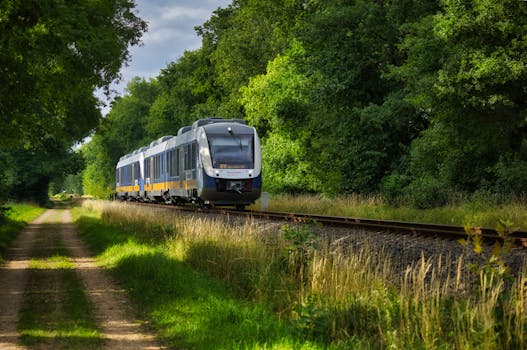
If there’s one mode of transport that consistently makes me question why we ever bother with airports, it’s high-speed rail. Imagine gliding through the Swiss Alps on the Bernina Express, watching snow-capped peaks and turquoise lakes flash by your panoramic window, all while sipping a hot coffee in a comfortable seat. Or perhaps hurtling across Japan at 320 km/h on the Shinkansen, so smoothly you can balance a coin on the table, arriving in Kyoto feeling refreshed and ready to explore.
My most cherished train memory is undoubtedly my first ride on the Shinkansen from Tokyo to Hakone. The efficiency, the politeness, the bento box lunch, and the sheer joy of seeing Mount Fuji emerge majestically outside my window – it was pure magic. No security lines, no cramped seating, just seamless travel that felt like an extension of the destination itself.
Why it blows your mind:
- Efficiency & Speed: High-speed trains whisk you between city centers faster than flying when you factor in airport transfers, security, and boarding.
- Unparalleled Comfort: Spacious seats, ample legroom, dining cars, and even sleeping compartments make long journeys a pleasure.
- Spectacular Views: Trains offer a window to the world, traversing stunning landscapes that are often inaccessible by road or obscured by air.
- City-Center Access: Arrive directly in the heart of your destination, ready to step out and explore, avoiding costly and time-consuming airport transfers.
- Reduced Stress: No luggage limits (within reason), no security pat-downs, just a relaxed, scenic journey.
Practical Tips for Your Rail Adventure:
- Invest in a Rail Pass: For multi-country trips in Europe (Eurail Pass) or extensive travel in Japan (Japan Rail Pass), these can be incredibly cost-effective.
- Book in Advance: Especially for popular routes and during peak seasons, tickets can sell out or become more expensive last-minute.
- Choose Scenic Routes: Research routes known for their beauty (e.g., Glacier Express in Switzerland, Coast Starlight in the USA).
- Embrace the Dining Car: It’s an experience in itself! Or pack your own gourmet picnic.
- Pack Light (but not too light): While there are no strict luggage limits, you’ll still need to manage your bags on and off the train.
Instagram-worthy moment: A candid shot of you gazing out a panoramic train window at a breathtaking landscape, or a stylish flat lay of your travel essentials next to a beautiful bento box on your train table.
Specifics: A Japan Rail Pass for 7 days typically costs around $250-$300 USD. A 1-month Eurail Global Pass can range from $500-$1000+, depending on age and class. Individual tickets vary greatly but can be surprisingly affordable if booked far in advance.
3. Harnessing the Wind: Sailing Adventures for the Conscious Traveler
There's a rhythm to life at sea, dictated by the wind and waves, that forces you to slow down, disconnect, and truly live in the moment. My first sailing trip was a week-long catamaran charter around the Cycladic islands of Greece. Each morning, we’d wake to the gentle rocking of the boat, dive into crystal-clear turquoise waters, and then set sail for a new, secluded cove, powered entirely by the sun and the wind. It was pure magic. No engines, just the whisper of the wind in the sails and the gentle lapping of waves against the hull.
This isn't just for seasoned sailors. Many companies offer crewed charters where you can simply relax and enjoy the ride, or even join a "flotilla" where multiple boats sail together, offering a social yet independent experience. Whether it's a majestic tall ship voyage across the Atlantic or a cozy catamaran exploring a hidden archipelago, sailing connects you to nature in a profound, carbon-neutral way.
Why it blows your mind:
- Ultimate Disconnection: No Wi-Fi (unless you choose it), no traffic, just you, the ocean, and the sky. It's the ultimate digital detox.
- Access to Secluded Gems: Reach pristine beaches and hidden coves inaccessible by land, offering unparalleled privacy and beauty.
- Harnessing Nature's Power: Travel powered purely by wind, making your journey incredibly eco-friendly and deeply satisfying.
- Unique Perspective: See coastlines and islands from an entirely new vantage point.
- Skill Building: Learn basic sailing, navigation, or even just knot-tying – a rewarding challenge.
Practical Tips for Your Sailing Adventure:
- Choose Your Comfort Level: Bareboat charter (you sail), crewed charter (captain and chef included), or cabin charter (rent a cabin on a larger boat).
- Pack Light & Smart: Space is limited. Think quick-drying clothes, swimwear, a good book, and sun protection.
- Consider Seasickness: If prone, bring medication. Ginger and acupressure bands can also help.
- Embrace the Elements: Be prepared for sun, wind, and occasional rain. A good waterproof bag is essential.
- Learn Basic Etiquette: If sharing a boat, understand communal living and respect others' space.
Instagram-worthy moment: A drone shot of a sailboat gliding across an azure sea, or a sunset photo from the deck with sails silhouetted against a vibrant sky. A jump into crystal-clear water from the boat.
Specifics: A week-long bareboat charter can range from $1,500-$5,000+ depending on the boat size, location (e.g., Greece, Croatia, Caribbean), and season. Crewed charters are significantly more, often $5,000-$15,000+. Day trips or joining a larger sailing tour can be $100-$300 per person.
4. Pedal Power & E-Bike Bliss: Exploring on Two Wheels
There's an undeniable joy that comes from exploring a new destination on two wheels. The wind in your hair, the ability to stop on a whim for a photo or a local pastry, the feeling of earning every vista. Whether you’re an avid cyclist or just looking for a leisurely ride, pedal power – especially with the assistance of an e-bike – is a fantastic carbon-neutral option that truly immerses you in your surroundings.
I vividly remember cycling through the picturesque lavender fields of Provence, France, on a rented e-bike. I could cover significant ground without feeling utterly exhausted, allowing me to visit multiple charming villages in a day, savoring every moment. The e-assist made those rolling hills a breeze (literally!), turning what could have been a grueling workout into a delightful exploration. It was the perfect blend of active travel and relaxed sightseeing.
Why it blows your mind:
- Active & Immersive: You're physically engaged with your environment, smelling the flowers, hearing the birds, and feeling the terrain.
- Unrivaled Freedom: Go where cars can't, discover hidden paths, and stop whenever inspiration strikes.
- E-Bike Accessibility: E-bikes level the playing field, making cycling accessible to all fitness levels and allowing you to cover more distance with less effort. Hills? What hills?
- Health Benefits: It’s a fantastic workout, boosting your mood and physical well-being.
- Local Connection: You're more approachable on a bike, often leading to friendly interactions with locals.
Practical Tips for Your Cycling Adventure:
- Choose Your Terrain: From dedicated urban bike paths (e.g., Amsterdam, Copenhagen) to scenic long-distance routes (e.g., EuroVelo routes, C&O Canal Towpath in the USA), research what suits you.
- Rent or Bring Your Own: Many destinations offer excellent bike rentals, including e-bikes. For longer tours, consider specialized bike tour companies that handle luggage transfers.
- Safety First: Always wear a helmet, follow local traffic laws, and use lights if riding at dusk or night.
- Stay Hydrated & Fueled: Carry plenty of water and snacks, especially on longer rides.
- Plan Your Route: Use apps like Komoot or Google Maps (bike layer) to find bike-friendly routes and avoid busy roads.
Instagram-worthy moment: Your bike parked in front of a stunning landmark or a charming village cafe, a candid shot of you cycling through a scenic landscape, or a close-up of local pastries enjoyed during a pit stop.
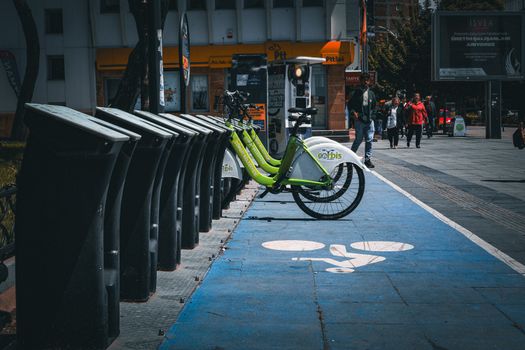
Specifics: Bike rentals typically range from $20-$50 per day, with e-bikes usually on the higher end. Multi-day guided bike tours (including accommodation, meals, and luggage transfer) can cost $1,000-$3,000+ per person. Many cities also offer free or low-cost bike-sharing programs.
5. The Ultimate Connection: Mindful Exploration on Foot
Before cars, trains, or even bicycles, there was walking. It’s the original carbon-neutral transport, and arguably the most profound way to experience a destination. Walking forces you to slow down, notice the small details, and truly connect with the land, its people, and its culture. It's mindful travel at its purest.
My most transformative travel experience was walking a section of the Camino de Santiago in Spain. For days, all I had was my backpack, my fellow pilgrims, and the path ahead. Every step was intentional. I saw ancient Roman bridges, tiny medieval villages, vast golden fields, and felt the earth beneath my feet. I tasted local food, heard the stories of strangers, and experienced a profound sense of accomplishment and connection that no other mode of travel has ever given me. It wasn't about the destination; it was about the journey, one foot in front of the other.
Why it blows your mind:
- Deep Immersion: You experience a place at human speed, noticing details often missed from a car or train.
- Mindful & Meditative: The rhythmic act of walking can be incredibly meditative, allowing for reflection and presence.
- Physical & Mental Health: It's fantastic exercise, reduces stress, and boosts creativity.
- Authentic Encounters: You're more likely to interact with locals, stumble upon hidden gems, and truly understand the rhythm of a place.
- Zero Cost (Mostly): Apart from gear and food, walking is free!
Practical Tips for Your Walking Adventure:
- Invest in Good Footwear: This is non-negotiable. Comfortable, broken-in walking shoes or hiking boots are essential.
- Pack Layers: Weather can change quickly, especially in nature.
- Stay Hydrated: Always carry enough water, especially on longer treks.
- Know Your Limits: Start with shorter walks and gradually increase distance. Listen to your body.
- Embrace the Slow Pace: Don't rush. Take breaks, sit on a bench, observe, and simply be.
- Consider Guided Walks: For historical insights or challenging terrain, a local guide can enhance the experience.
Instagram-worthy moment: A panoramic shot of a breathtaking landscape from a mountain trail, a close-up of your well-worn boots on an ancient path, or a candid shot of you sharing a meal with locals in a remote village.
Specifics: Most walking is free! For long-distance trails like the Camino de Santiago, budget for accommodation (hostels/albergues are often €10-€20/night) and food (€30-€50/day). Guided hiking tours in national parks can range from $50-$200 for a day trip, or thousands for multi-day expeditions.
The Future is Green, And It's Calling Your Name!
As a travel blogger, I’ve seen countless destinations, but the most profound journeys are often those where the how we travel becomes as important as the where. These carbon-neutral transportation options aren't just about reducing your environmental impact; they're about enriching your travel experience. They force you to slow down, to engage more deeply, to connect with the world and its people in ways that fast-paced, high-emission travel simply cannot.
The world is changing, and so is the way we explore it. Sustainable travel is no longer a niche, but a necessity, and thankfully, it's also incredibly exciting. From the silent hum of an electric car on a coastal highway to the meditative rhythm of walking an ancient pilgrimage path, these are the journeys that truly blow your mind and nourish your soul.
So, what are you waiting for? Which carbon-neutral adventure will you embark on first? Will you feel the wind in your sails in the Mediterranean, or glide through a European landscape on a high-speed train? Perhaps you'll conquer a mountain trail on foot or explore a new city on an e-bike. The possibilities are endless, and the planet will thank you.
Share your carbon-neutral travel dreams with us in the comments below! And don't forget to share this post with your fellow wanderlusters to inspire their next guilt-free adventure! Let's travel better, together.
---
More pictures


Tags
Share this guide
We may earn a commission if you click a link and buy a product or service, at no extra cost to you. How affiliate links work.
Been there?