
Imagine exploring the world without the guilt of your carbon footprint. Dive into the exciting realm of carbon-neutral transportation options that are on the cusp of revolutionizing how we travel, offering unique, immersive, and incredibly sustainable adventures long before they become mainstream. Get ready to redefine your journey! ---
The Whisper of the Wild and the Roar of My Footprint: A Traveler's Awakening
I still remember the crisp, clean air of Patagonia, the towering peaks of Fitz Roy piercing a sky so blue it felt painted. My lungs ached from the climb, but my heart sang with the sheer, unadulterated beauty of it all. It was a moment of profound connection, a visceral understanding of why I travel – to witness the world's wonders, to feel small yet significant amidst its grandeur.
But as I descended, a subtle unease began to creep in. The roaring engines of the plane that brought me here, the fumes of the rental car, the constant hum of consumption that underpins our global wanderlust. Was I, in my pursuit of beauty, inadvertently contributing to its demise? That thought, once a whisper, grew into a roar. I knew then that my love for travel had to evolve. It wasn't enough to simply see the world; I had to find a way to experience it without leaving a heavy mark.
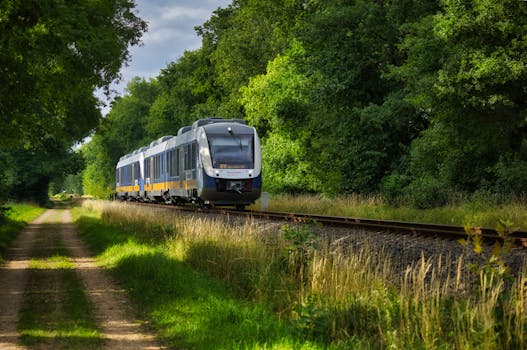
This quest led me down a rabbit hole, past the obvious electric cars and high-speed trains (which are fantastic, don't get me wrong!) and into the truly pioneering, sometimes eccentric, world of carbon-neutral transportation that's just beginning to unfurl its sails. These aren't the modes of transport you'll find on every booking site yet. They’re the whispers of a greener future, the intrepid pioneers, the before-they-become-mainstream options that promise adventure, connection, and a truly clear conscience. And Tripsora, my friends, is here to give you the inside scoop.
Setting Sail for a Greener Horizon: Wind-Powered Adventures (No, Really!)
Forget everything you thought you knew about crossing oceans. While cruise ships spew, and planes zoom, a quiet revolution is happening on the high seas: the return of wind-powered cargo and passenger vessels. This isn't just about nostalgia; it's about harnessing the oldest, cleanest power source on Earth.
My Experience (or Dream): Imagine this: you've booked a passage on a majestic schooner, not as a luxury cruise, but as an active participant in a transatlantic journey. No noisy engines, just the rhythmic creak of the mast, the snap of the sails, and the endless expanse of the ocean. Your days are spent learning celestial navigation, helping with deck duties, or simply reading a book as dolphins playfully race alongside. This isn't just transport; it's an immersive, transformative experience.
The Reality Today: Companies like TOWT (TransOceanic Wind Transport) and Fairtransport are leading the charge. They operate a fleet of beautiful sailing ships that primarily transport goods (think coffee, chocolate, wine) across the Atlantic and within Europe, but they also offer limited passenger berths. These aren't your typical cruise cabins; they're often shared, rustic, and part of a working vessel. The journey can take weeks, depending on the winds, making it a true slow travel adventure.
Practical Tips for Your Wind-Powered Voyage:
- Be Flexible: Departure dates and arrival times are highly dependent on weather. Embrace the unpredictability!
- Pack Smart: Space is limited. Think like a backpacker.
- Expect to Participate: These are not passive journeys. You might be asked to help with sails, watch duties, or even cooking.
- Research Companies Thoroughly: Look for established operators with good safety records.
- Cost: While not always cheaper than flying, the value is in the unique experience and zero-emissions travel. Expect prices to be comparable to a specialized adventure tour. For example, a transatlantic passage could range from €1500-€3000+, depending on the ship and duration.
Instagram-Worthy Moment: The sunrise over a glassy ocean, only the sound of wind in the sails, far from any land or light pollution. Pure magic. #WindPoweredTravel #SailTheSustainableSeas
The Hydrogen Highway: Fueling Tomorrow's Journeys, Today's Experiments
Remember those sci-fi movies where cars ran on water? Well, hydrogen isn't water, but it's pretty darn close to a zero-emission dream. When hydrogen fuel cells generate electricity, their only byproduct is water vapor. While the production of hydrogen itself needs to be green (from renewable energy), the promise is immense, and it’s already being implemented in fascinating ways.
My (Hypothetical) Hydrogen Adventure: Last year, while exploring the stunning fjords of Norway, I heard whispers of the future. Imagine boarding a sleek, silent ferry gliding effortlessly through the glassy waters, powered entirely by hydrogen. No diesel fumes, no engine roar – just the gentle lapping of waves and the breathtaking scenery. This isn't a distant dream; it's already a reality in some places.
The Reality Today: Norway, a pioneer in green shipping, launched the MF Hydra, the world's first hydrogen-powered ferry, connecting ports along its dramatic coastline. Other countries are following suit. Cities like London and Berlin already operate hydrogen-powered buses, and discussions are underway for hydrogen-powered trains and even heavy-duty trucks. The infrastructure is nascent, but the technology is proving itself.
Practical Tips for Hydrogen Travel:
- Seek Out Pioneers: For now, hydrogen travel is often found in specific regions committed to green initiatives. Norway is a prime example for ferries.
- Stay Informed: Keep an eye on news from major transport companies and government initiatives. The landscape is changing rapidly.
- Embrace the Silence: One of the most striking aspects of hydrogen transport is its quiet operation, enhancing the journey itself.
- Cost: Currently, the operational costs for hydrogen transport can be higher due to infrastructure and fuel production. Passengers might not see a direct price difference yet, but they are supporting innovation.
Instagram-Worthy Moment: A panoramic shot of a majestic fjord, with a sleek, modern ferry leaving only a ripple, not a plume of smoke. #HydrogenPowered #FutureIsNow #NorwayGreenTravel
Wings of Change: The Dawn of Electric & SAF Aviation (Beyond the Hype)
Long-haul flying is arguably travel's biggest carbon culprit. But what if planes could fly with significantly reduced, or even zero, emissions? We’re not quite there for intercontinental flights, but two promising avenues are emerging: electric aviation for short hops and Sustainable Aviation Fuels (SAF) for longer journeys.
My Vision for the Skies: Picture this: you've landed at a major hub, but your final destination is a charming coastal town just 150 miles away. Instead of a long train ride or another flight on a conventional plane, you hop into an eVTOL (electric Vertical Take-Off and Landing) air taxi. It’s like a giant, silent drone, whisking you away with panoramic views, landing gently in the town square. No runway needed, no emissions.
The Reality Today: Companies like Joby Aviation, Archer Aviation, and Lilium are making rapid progress with eVTOLs. While still in testing and regulatory approval phases, the promise is urban air mobility and regional travel by the mid-to-late 2020s. These aircraft are designed for short distances (100-250 miles) and aim to make travel between cities or from airports to city centers faster and, crucially, emission-free. Think of them as the next generation of short-haul taxis.
For longer flights, Sustainable Aviation Fuels (SAF) are our best bet for now. Made from waste oils, agricultural residues, or even algae, SAF can reduce lifecycle carbon emissions by up to 80% compared to conventional jet fuel. It's not truly carbon neutral at the point of combustion, but it's a massive leap towards net-zero. Airlines like United and KLM are investing heavily, conducting test flights with 100% SAF, and committing to increasing its use.
Practical Tips for Green Skies:
- Watch for Regional eVTOL Launches: Keep an eye on announcements from major cities and airlines. Initial routes will likely be high-demand corridors (e.g., Los Angeles to Santa Barbara, or airport transfers in major hubs).
- Choose Airlines Committed to SAF: When booking, research airlines that publicly commit to and invest in SAF. While you won't be able to specifically book a "100% SAF flight" yet, your choice supports the industry's shift.
- Understand the Difference: eVTOLs are zero-emission at the point of use. SAF reduces lifecycle emissions. Both are vital steps.
- Cost: Early eVTOL flights might be premium-priced, but as the technology scales, costs are expected to become competitive with traditional short-haul flights or premium ground transport.
Instagram-Worthy Moment: A sleek, futuristic eVTOL gracefully hovering over a city skyline, offering unparalleled views. #ElectricAviation #SAF #FutureOfFlight
Slow Travel, Deep Impact: Human-Powered Expeditions Reimagined
Sometimes, the most revolutionary transport isn't new technology at all, but a return to basics. Human-powered travel, from cycling to kayaking, offers the ultimate in carbon-neutral exploration. What's "before mainstream" here isn't the method, but the scale and purpose – transforming it from a recreational activity into a primary mode of significant inter-regional travel.
My Transformative Journey: Last summer, I decided to tackle a segment of the EuroVelo 6 route, cycling from Passau, Germany, along the Danube through Austria to Budapest. It wasn't just a bike ride; it was my transport. Each pedal stroke was powered by me, the wind on my face my only fuel. I carried everything I needed, slept in charming guesthouses along the river, and experienced the landscape, culture, and people in a way no train or car could offer. The feeling of arriving in Budapest, knowing every mile was earned, was unparalleled.
The Reality Today: Long-distance cycling routes (like the EuroVelo network across Europe or the Pacific Coast Bicycle Route in the US) are incredibly well-developed. Similarly, multi-day kayaking or packrafting expeditions allow you to navigate rivers and coastlines in pristine wilderness areas (think the Inside Passage in Alaska, or the fjords of Greenland). These aren't just holidays; they are journeys where your body is the engine, and the destination is secondary to the immersive process.
Practical Tips for Human-Powered Adventures:
- Train Up: For multi-day trips, ensure you're physically prepared. Start with shorter distances and gradually increase.
- Invest in Good Gear: A comfortable bike, reliable camping gear (if applicable), and appropriate clothing are crucial.
- Plan Your Route (but allow for spontaneity): Have a general idea of your daily distances, accommodation, and resupply points. But also be open to unexpected detours.
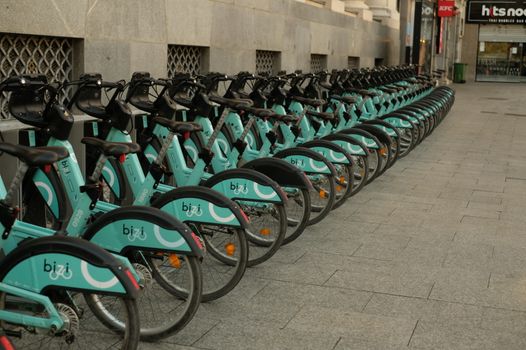
- Go Multi-Modal: Combine human power with other green options. Cycle to a train station, take a sustainable train, then cycle again. Or kayak to a small village and take a local electric ferry.
- Embrace the Connection: This type of travel fosters deeper connections with local communities and the environment.
Instagram-Worthy Moment: Your bike parked beside a medieval castle, or your kayak pulled up on a deserted beach, with a breathtaking landscape stretching beyond. #HumanPoweredTravel #SlowTravelDeepImpact #BikeTourAdventures
Riding the Sun & Waves: Solar & Electric Marine Innovations
Beyond the grand wind-powered vessels and hydrogen ferries, smaller-scale, localized solar and electric marine transport is quietly making waves. These options are perfect for exploring lakes, rivers, and coastal areas with zero emissions and minimal noise pollution.
My Tranquil Discovery: On a recent trip to Lake Annecy in France, I rented a small electric boat. It was a revelation. Instead of the drone of a petrol engine, there was only the gentle ripple of water against the hull. We glided silently into secluded coves, watched birds undisturbed, and truly felt the serenity of the lake. It was a simple, yet profoundly sustainable experience.
The Reality Today: Electric and solar-powered boats are becoming increasingly common for leisure rentals on lakes and calm waterways worldwide. Beyond rentals, fully solar-powered ferries and water taxis are emerging in eco-conscious destinations. Projects like SolarWave, which circumnavigated the globe using only solar power, demonstrate the incredible potential for larger vessels too. In cities like Amsterdam or Venice, electric canal boats are already a quiet, emission-free way to explore.
Practical Tips for Solar/Electric Marine Exploration:
- Look for Rental Options: Many popular lake and coastal destinations now offer electric boat rentals. Ask locally or search online.
- Support Eco-Tours: Choose tour operators that use electric or solar-powered vessels for their excursions.
- Consider Quiet Destinations: These boats are perfect for nature reserves, quiet lakes, or areas where noise pollution would disturb wildlife.
- Check Battery Life: For longer rentals, understand the battery range and charging options.
Instagram-Worthy Moment: A stunning lake framed by mountains, with a sleek, silent electric boat carving a pristine path across the water. #ElectricBoat #SolarPower #QuietExploration
The Future is Now: Emerging Concepts & Mindset Shifts
The journey towards truly carbon-neutral travel is just beginning, and innovation is booming. Beyond what we've covered, researchers are exploring algae-based biofuels, maglev trains powered by renewable energy, and even airships for luxurious, slow, and potentially zero-emission sky cruises.
But perhaps the most crucial "before-it-becomes-mainstream" shift isn't just about technology; it's about our mindset. It's about:
- Choosing Fewer, Longer Trips: Instead of multiple short flights, commit to one longer, more immersive journey.
- Embracing Slow Travel: The journey itself becomes part of the adventure.
- Supporting Local Economies: Choose accommodations and tour operators that prioritize sustainability and local communities.
- Offsetting Responsibly: If you must fly, choose reputable carbon offsetting programs, but remember, reduction is always better than offsetting.
- Advocating for Change: Support policies and companies that are pushing for greener transportation solutions.
Your Next Adventure, Redefined
The world is calling, and it's asking us to travel differently. These carbon-neutral options, while not yet ubiquitous, offer a glimpse into a future where our wanderlust doesn't come at the Earth's expense. They promise not just a destination, but a deeper, richer, and more responsible journey.
So, are you ready to be a pioneer? To swap the roar of an engine for the whisper of the wind? To choose a path less traveled, knowing you're paving the way for a more sustainable tomorrow? Start researching, start planning, and let your next adventure be a testament to the power of responsible travel.
What carbon-neutral travel option are you most excited to try? Share your thoughts in the comments below, and let's inspire each other to explore the world, beautifully and responsibly!
---
More pictures


Tags
Share this guide
We may earn a commission if you click a link and buy a product or service, at no extra cost to you. How affiliate links work.
Been there?