
Ditch the traffic jams! This year, secret car-free cities are redefining urban exploration. Imagine strolling through vibrant streets, breathing fresh air, and immersing yourself in authentic culture. We’ve got the insider scoop on where to go, what to do, and how to do it – all without a car!
The Secret Cities Where Urban Tourism is Going Car-Free (And You Need to Be There)
I stepped off the train and into a symphony of sounds that instantly washed away the drone of the engine. Not the blare of horns or the rumble of engines, but the cheerful chatter of locals, the rhythmic clatter of bicycle chains, and the distant melody of a street musician. The air, clean and crisp, carried the faint, enticing aroma of freshly baked bread mingling with blooming jasmine. This wasn't just a city; it was an experience, a breath of fresh air in the often-congested world of urban travel. And it was entirely car-free.
For too long, the quintessential city break has meant navigating snarling traffic, wrestling with parking, and inhaling exhaust fumes. But a quiet revolution is underway. Across the globe, visionary urban planners and passionate communities are reclaiming their streets, transforming them into vibrant pedestrian paradises. These aren't just places to visit; they are living, breathing ecosystems of culture, sustainability, and pure, unadulterated joy. And this year, they are the emerging destinations for travelers seeking something more. Forget the usual suspects; it’s time to discover the secret cities perfecting urban tourism, one car-free step at a time.
The Rise of the Pedestrian Paradise: Why Car-Free is the Future
The concept isn't new, but its widespread adoption and the sophistication with which these cities are integrating tourism are. Driven by a growing awareness of environmental impact, a desire for healthier lifestyles, and a yearning for more authentic human connection, car-free zones are no longer niche experiments. They are becoming the heart and soul of urban tourism.
What makes them so compelling?
- Unparalleled Ambiance: Imagine wandering through ancient alleyways where the only sounds are your footsteps and the murmur of conversations. Or cycling along a waterfront promenade, the salty breeze on your face, with no fear of traffic.
- Authentic Immersion: Without the barrier of a car, you're forced to slow down, to observe, to engage. You’ll stumble upon hidden courtyards, discover artisan workshops tucked away from main thoroughfares, and experience the genuine rhythm of local life.
- Sustainability at its Core: These cities are leading the charge in eco-friendly travel. By prioritizing walking, cycling, and efficient public transport, they offer a guilt-free way to explore, minimizing your carbon footprint.
- Enhanced Safety and Well-being: For families, solo travelers, and anyone who values peace of mind, car-free environments offer a level of safety and serenity that traditional cities often lack.
Unveiling the Gems: Our Top Car-Free Urban Destinations for This Year
While Venice and Dubrovnik have long been celebrated for their car-free cores, a new wave of destinations is emerging, offering unique and exciting experiences. Here are the ones I’ve personally fallen in love with, and that you absolutely must add to your itinerary this year:
1. Giethoorn, Netherlands: The "Venice of the North" with a Dutch Twist
Stepping into Giethoorn is like entering a fairytale. Forget roads; the primary mode of transport here is by water. A network of picturesque canals, lined with thatched-roof farmhouses, charming bridges, and lush gardens, weaves through the village.
What to Expect: Glide through the canals on a whisper boat (a silent electric boat), a punt, or even a traditional Dutch 'fluisterboot'. Explore the quaint shops, enjoy a leisurely lunch at a canal-side cafe, and soak in the incredibly peaceful atmosphere. The village feels alive, yet utterly serene.
Insider Tip: Rent your own whisper boat early in the morning (around 8 AM) to beat the crowds and experience the village in its most tranquil state. Pack a picnic to enjoy on one of the many small islands.
Pro-Tip: Look for the "Klapbrug" (clapping bridge) – a charming wooden bridge that requires a gentle push to open for boats. It’s a delightful little quirk of Giethoorn.
Quick Facts: Giethoorn
| Category | Details | | :------------- | :---------------------------------------- | | Estimated Cost | $ - $$ (budget-friendly to mid-range) | | Best Time to Visit | Late Spring (May-June) for blooms, Early Autumn (Sept-Oct) for colors | | How to Get There | Train to Steenwijk, then bus (line 70) to Giethoorn. Or drive to a parking lot outside the village and walk/boat in. |
2. Korčula, Croatia: An Adriatic Island Jewel Without the Car Chaos
While Dubrovnik garnishes much of the Croatian island fame, Korčula Town on the island of Korčula offers a remarkably similar medieval charm, but with a more intimate and less overwhelming car-free experience. This fortified town, often dubbed "Little Dubrovnik," is a labyrinth of narrow, cobblestone streets, ancient stone buildings, and breathtaking sea views.
What to Expect: Wander through the historic Old Town, believing it to be the birthplace of Marco Polo. Climb the bell tower for panoramic vistas, discover hidden churches, and enjoy fresh seafood at a konoba (traditional tavern) overlooking the azure Adriatic. The air here smells of salt, pine, and wild herbs.
Insider Tip: Visit the Korčula City Museum to delve into the island's rich history. For an authentic dining experience, seek out a konoba slightly off the main tourist path – the grilled fish is usually exceptional.
Pro-Tip: Explore the secluded coves and beaches on the southern side of the island by renting a scooter or joining a small boat tour. The water is unbelievably clear.
Quick Facts: Korčula Town
| Category | Details | | :------------- | :---------------------------------------- | | Estimated Cost | $$ - $$$ (mid-range to splurge) | | Best Time to Visit | May-June and September-October for pleasant weather and fewer crowds | | How to Get There | Ferry from Split or Dubrovnik to Korčula Town. |
3. Sintra, Portugal: Fairytale Palaces and Enchanted Forests (Mostly Car-Free)
While Sintra isn't entirely car-free, its historic center and the immediate vicinity of its iconic palaces are strictly pedestrianized, making it a dream for urban explorers. The magic of Sintra lies in its hilly terrain, whimsical architecture, and the feeling of stepping into a storybook.
What to Expect: Explore the vibrant Pena Palace perched atop a hill, the mysterious Quinta da Regaleira with its initiation wells, and the Moorish Castle offering dramatic ruins and views. The air is often perfumed with eucalyptus and the damp earth of its enchanted forests.
Insider Tip: Purchase tickets for the palaces online in advance to skip the queues. Consider purchasing a combined ticket for multiple attractions.
Pro-Tip: Utilize the local tuk-tuk services or the tourist bus (Circuito da Pena) to navigate the steeper hills between attractions if you prefer not to hike. But honestly, walking through the shaded paths is part of the enchantment.
Quick Facts: Sintra (Historic Center & Palaces)
| Category | Details | | :------------- | :---------------------------------------- | | Estimated Cost | $$ - $$$ (mid-range to splurge) | | Best Time to Visit | Spring (April-May) and Autumn (September-October) for mild weather and fewer tourists | | How to Get There | Train from Lisbon (Rossio Station) to Sintra. The historic center is a short walk from the station. |
4. Hydra, Greece: An Aegean Island Where Donkeys are the Taxis
Hydra is a true Aegean gem, renowned for its ban on all wheeled vehicles. The only "traffic" you'll encounter are the local donkeys and mules, which serve as the primary mode of transport for goods and luggage. The town itself is a cascade of white-washed houses, red-tiled roofs, and bougainvillea, tumbling down to a horseshoe-shaped harbor.
What to Expect: Explore the charming harbor, browse the art galleries and boutique shops, and hike along the coastal paths to discover secluded beaches. The scent of wild thyme and the salty sea air fills your senses. It’s a place of profound peace and natural beauty.
Insider Tip: Stay in one of the traditional guesthouses within Hydra Town for the full car-free experience. Don't miss the sunset views from the cannons at the entrance of the harbor.
Pro-Tip: Hike to the Monastery of Profitis Ilias for spectacular panoramic views of the island and the surrounding Aegean Sea. It’s a rewarding, albeit steep, walk.
Quick Facts: Hydra
| Category | Details | | :------------- | :---------------------------------------- | | Estimated Cost | $$ - $$$ (mid-range to splurge) | | Best Time to Visit | May-June and September-October for warm weather and vibrant atmosphere | | How to Get There | Ferry from Athens (Piraeus port) to Hydra. The town is within walking distance of the ferry terminal. |
5. Bruges, Belgium: Medieval Charm on Cobblestone Streets
Bruges, often called "The Venice of the North" for its picturesque canals, is a perfectly preserved medieval city that has embraced its pedestrian-friendly nature. While there are some limited vehicle access zones for residents and deliveries, the vast majority of the historic center is a joy to explore on foot or by boat.
What to Expect: Glide along the canals on a boat tour, marvel at the Markt square with its towering Belfry, and get lost in the maze of cobblestone streets. The aroma of Belgian waffles and rich chocolate wafts from every corner. The architecture is a feast for the eyes, with Gothic spires and ornate guildhouses.
Insider Tip: Climb the Belfry of Bruges for breathtaking panoramic views of the city and its surrounding landscape. It’s a workout, but the reward is immense.
Pro-Tip: Take a leisurely stroll through the Begijnhof (Beguinage), a tranquil courtyard that was once home to religious women. It’s an oasis of calm amidst the bustling city.
Quick Facts: Bruges
| Category | Details | | :------------- | :---------------------------------------- | | Estimated Cost | $$ - $$$ (mid-range to splurge) | | Best Time to Visit | Spring (April-May) for blooms, Summer (June-August) for lively atmosphere, Winter (December) for Christmas markets | | How to Get There | Train to Bruges Station. The historic center is a pleasant walk or short bus ride away. |
The Logistics of Going Car-Free: Making it Work for You
Embracing car-free travel is not just about the destination; it's about the journey and the mindset. Here’s how to make it seamless:
Getting Around:
- Walking: The most fundamental and rewarding way to explore. Wear comfortable shoes!
- Cycling: Many car-free cities offer excellent bike rental services. It's efficient, fun, and a great way to cover more ground.
- Public Transport: Efficient trams, buses, and ferries are often the backbone of car-free urban planning.
- Boats/Water Taxis: In canal cities, these are your primary arteries.
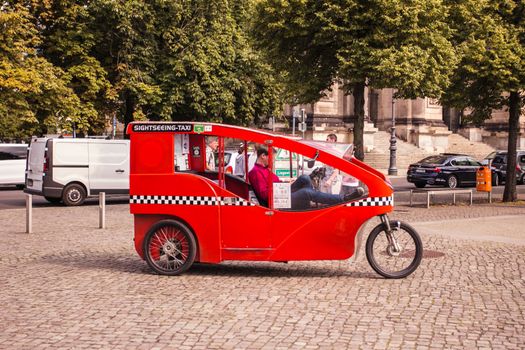
- Local "Taxis": Think tuk-tuks, rickshaws, or even donkeys!
Packing Smart:
- Comfortable Footwear: Non-negotiable. You'll be doing a lot of walking.
- Lightweight Backpack: For day trips and carrying essentials.
- Reusable Water Bottle: Stay hydrated and reduce plastic waste.
- Portable Charger: Keep your devices powered for navigation and photos.
- Layers: Weather can change, so pack versatile clothing.
Budgeting for Car-Free Adventures:
Car-free destinations can often be more budget-friendly due to the reduced reliance on expensive car rentals and parking. However, some unique experiences like boat tours or donkey rides might add to the cost.
- Accommodation: Look for charming guesthouses or apartments within the car-free zones for ultimate immersion.
- Food: Enjoy local markets, street food, and small eateries for authentic and affordable meals.
- Activities: Prioritize free activities like wandering, people-watching, and enjoying the ambiance. Many museums and attractions offer combined tickets or passes.
The Soul of Car-Free Tourism: Beyond the Sights
What truly sets these car-free cities apart is the palpable sense of community and the unhurried pace of life. You’re not just a tourist; you’re a temporary resident, invited to share in their unique way of life. The absence of cars forces an intimacy with your surroundings, a deeper connection with the people you encounter.
It’s the shared smile with a shopkeeper as you admire their handcrafted goods. It’s the laughter of children playing in a car-free square. It’s the quiet contemplation by a canal as the sun dips below the horizon, painting the sky in hues of orange and purple. This is the essence of emerging urban tourism – a return to human-scale experiences, a celebration of sustainable living, and an invitation to truly feel a place, not just see it.
This year, step off the beaten path and into a car-free paradise. Your next unforgettable urban adventure awaits, and it’s powered by your own two feet (or perhaps a gentle breeze on a canal).
More pictures


Tags
Share this guide
We may earn a commission if you click a link and buy a product or service, at no extra cost to you. How affiliate links work.
Been there?