
A practical guide to finding trustworthy information on border and visa changes: which official sources to use, how to read them, and how to build a repeatable pre-trip check.
Entry rules rarely stay still for long. A country introduces a pre-travel authorisation, another changes how long your passport must be valid, a third quietly adjusts which nationalities need a visa. Travel news tends to summarise these changes loudly and sometimes inaccurately, which leaves travellers unsure what to believe. The good news is that you do not need to follow every headline. You need a short list of reliable sources and a routine for checking them at the right moments.
This guide explains where trustworthy data lives, how to read it, what kinds of changes tend to matter most, and how to build a pre-trip check you can repeat for any journey. It is general information, not legal advice, and rules change. Always confirm requirements with official sources before you book and again before you travel.
Why border information goes stale so quickly
Entry rules are set by governments for reasons that vary: security, tourism, reciprocity with other countries, health or administrative modernisation. They can shift through new laws, new technology or diplomatic agreements. A few patterns are worth knowing.
- Phased rollouts. New systems often start in stages, so a rule may be live at some border crossings and not others.
- Announced dates that move. Start dates for new schemes are sometimes postponed. Treat any date you read as provisional until an official site confirms it.
- Nationality-specific rules. A change may affect some passports and not others, so a headline about a visa "requirement" may not apply to you.
- Transit rules. The country you only pass through can have its own rules, even if you never leave the airport.
- Different rules by purpose. Tourism, business, study and work are usually treated differently.
Understanding these patterns helps you read news more calmly and ask the right question: does this apply to my passport, my purpose and my dates?
The source hierarchy: where to look first
Not all information is equal. A simple hierarchy keeps you on solid ground.
- The destination government's official site. This is the primary source. Look for the foreign ministry, immigration authority or the official e-visa portal.
- Your own government's travel advice. Many governments publish country-by-country pages covering entry requirements, safety and health notes for their citizens. Use the page for your own nationality.
- Your airline or carrier. Airlines check documents at the gate and can deny boarding if you are missing something, so their travel-document guidance matters. Many use an industry database to verify, but treat it as a secondary check.
- Embassies and consulates. For anything unusual, such as long stays or non-standard documents, contact the relevant embassy directly.
- Reputable travel media and community forums. Useful for context and early warning, but never the final word. Verify any claim with the sources above.
Beware of look-alike sites that charge fees for forms that are free or cheaper on the official portal. If a site asks for payment for an "application service," check whether it is the actual government site before you enter any details. A government domain and a clear fee schedule are good signs.
Reading entry requirements properly
When you open an official page, read in this order:
- Do I need a visa or authorisation at all? The answer depends on your passport. Visa-free does not always mean no paperwork; some countries require an online travel authorisation even when no visa is needed.
- How long may I stay? Look for the permitted days and whether they are counted per visit or per rolling period. Schengen-style rules, for example, count days over a rolling window, which can catch frequent travellers out.
- What are the passport requirements? Check minimum validity beyond your departure date and the number of blank pages some countries ask for. Rules differ, with some asking for several months of validity.
- Do I need proof of onward travel or funds? Some countries ask for it at the border or at airline check-in.
- Are there health requirements? These may include vaccination certificates for certain regions. Health requirements are best confirmed with official health authorities.
- What happens at the border? Fingerprints, photos or online forms may be required on arrival.
Take a screenshot or print of the official page and your date of checking. If a disagreement arises with an airline, you will have a reference.
Types of changes that matter most
Pre-travel authorisations
Several destinations have introduced or are planning electronic travel authorisations for visa-exempt visitors. These are not visas in the traditional sense. They are usually short online applications linked to your passport, with a fee and a validity period. Examples already in place include the United States ESTA, Canada's eTA and the United Kingdom's ETA scheme. The European Union has been preparing a similar scheme, ETIAS, for visa-exempt travellers entering the Schengen area. Its start date has been subject to change, so check the official EU site for the current status rather than relying on older articles.
Biometric entry and exit systems
Border systems are increasingly digital. The European Union has been introducing an Entry/Exit System that registers non-EU travellers' fingerprints and facial images when they cross external borders, replacing manual passport stamping. Rollout details and queue times at busy borders have varied. If you are travelling at a peak time, allow extra time at the border and check official guidance.
Passport validity and condition
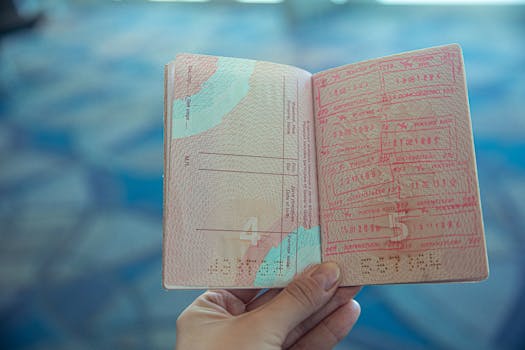
Many travel disruptions come from a passport that is valid but fails a destination's rules, for instance because it expires too soon after your trip or has been damaged. Check both the expiry date and the physical condition. Some countries reject passports with water damage or torn pages.
Fees and tourist taxes
Some destinations have introduced or raised entry levies, visitor fees or tourist taxes, sometimes collected at booking or at departure. These are not visas, but they affect your budget and can be a requirement for entry in some places.
Temporary controls
Countries inside border-free areas can reintroduce temporary border checks for security reasons or large events. This usually means ID checks rather than visas, but carrying your passport and not just a national ID card is a sensible habit.
Building a repeatable pre-trip routine
A simple routine takes about fifteen minutes and saves a lot of stress.
- At the planning stage. Before paying for flights, check visa and authorisation needs for your passport, the destination and any transit stops.
- At booking. Check passport validity against your travel dates. If renewing is needed, start early because processing times vary.
- Four to six weeks before. Apply for any required authorisation or visa that has a processing time. Do not wait until the last week.
- One week before. Re-check the official pages for changes. Download your approved documents and save them offline.
- At check-in. Have passports, visas, authorisations and any onward ticket accessible.
- On arrival. Keep documents handy, answer questions plainly and keep addresses of accommodation ready.
If you travel often, set a calendar reminder to review the official page for each destination one week before you fly.
Handling uncertainty without panic
Sometimes sources disagree, or a rule is announced but not yet clear. In that case:
- Prefer the official source with the latest date. Many official pages show "last updated" information.
- Ask your airline. They can advise what they will accept at check-in.
- Contact the embassy. Email provides a written record.
- Keep flexible bookings when possible. If a rule is genuinely uncertain, refundable or changeable fares are a sensible hedge.
- Consider insurance. Policies differ about denied boarding or entry, so read the terms.
A few common misunderstandings
- "I am visa-free, so I need nothing." You may still need an electronic authorisation, a minimum passport validity or proof of onward travel.
- "Dual nationals can choose either passport." Often you must enter and leave using the same passport, and some countries require you to use their own passport when entering. Check the rules for your situation.
- "The airline will tell me if something is wrong." They may only discover the problem at check-in. Responsibility lies with you.
- "A rule I read last year still applies." Always check current information.
- "Transit means no requirements." Airside transit may still require a visa for certain nationalities in some countries.
Frequently asked questions
How far ahead should I check visa requirements?
At the planning stage, again when you book, and once more in the week before you travel. Apply for any visa or authorisation as soon as it is allowed, bearing in mind processing times.
Are news headlines about border changes reliable?
They are a prompt to check, not a source. Headlines often skip details such as which nationalities are affected or when a rule starts, and dates may change.
What if my passport expires soon after my trip?
Check the destination's minimum validity rule. If you are close to the limit, renew before booking non-refundable travel, as a passport that is valid for your dates may still be rejected.
Do I need a visa for a stopover?
It depends on your nationality, the airport and whether you remain airside. Check the transit rules for each country on your route.
Summary
Border changes can feel overwhelming, but staying informed is mostly a matter of discipline. Use official government sources first, read entry requirements in a consistent order, and watch for the main categories of change: pre-travel authorisations, biometric systems, passport rules, fees and temporary controls. Build a short routine around planning, booking and the final week before departure, and keep screenshots of what you checked. Rules change, so treat anything you read as provisional until you have confirmed it on an official site, and ask your airline or embassy when in doubt.
More pictures


Tags
Share this guide
We may earn a commission if you click a link and buy a product or service, at no extra cost to you. How affiliate links work.
Been there?