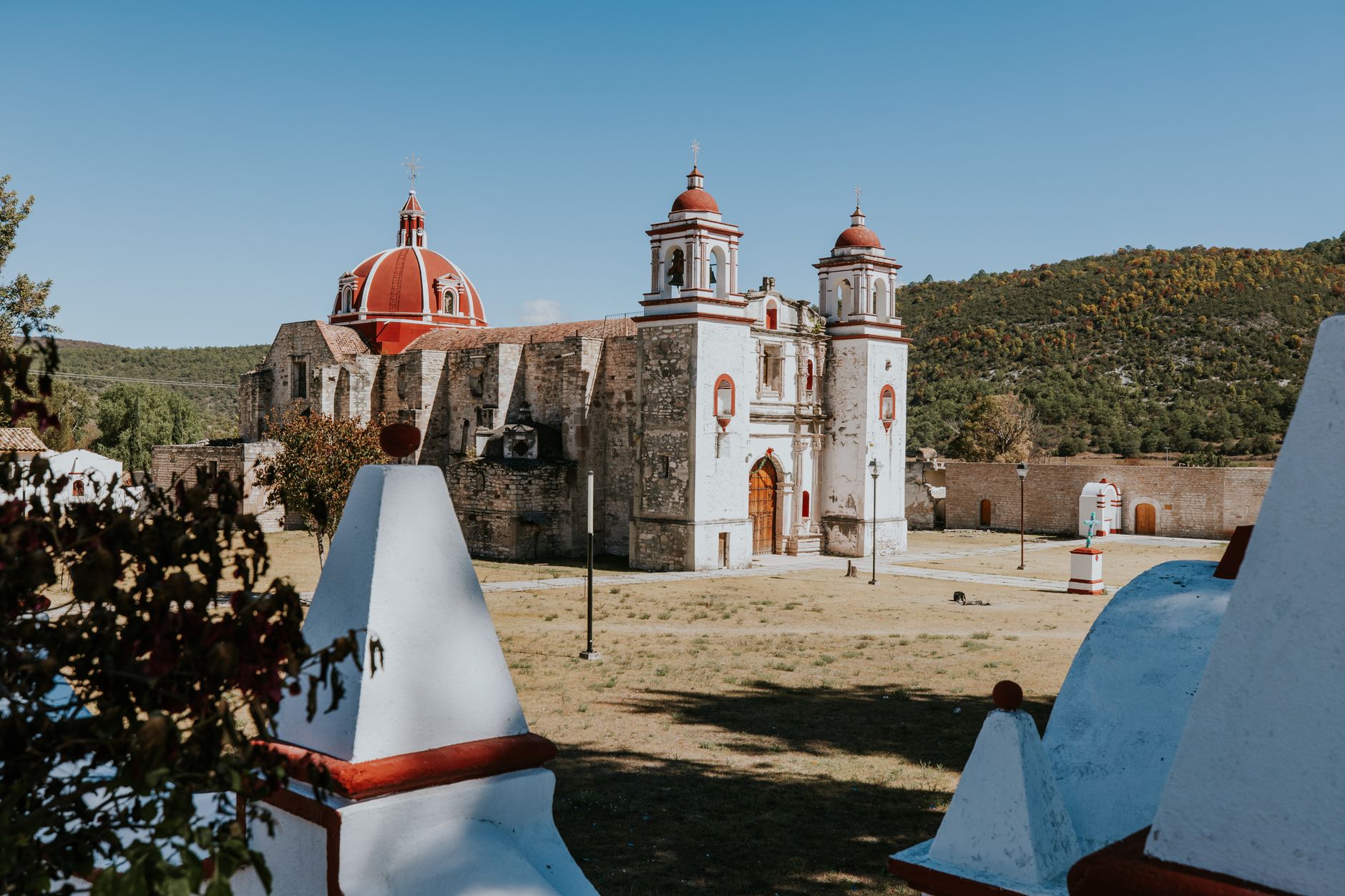
A twelve-month remote-work calendar that pairs destinations with the months they suit best, along with advice on pacing, costs and staying productive.
Imagine looking at a year on a wall calendar and placing a pin in each month: somewhere warm in January, somewhere blooming in April, somewhere cool in July. That is the idea behind this guide. Instead of grouping destinations by region, we go month by month and suggest places that tend to be at their best for people who combine work and travel.
This is an inspiration list, not a rulebook. Weather, prices and entry rules shift from year to year, and your own work schedule is the final judge. Use it to spark ideas, then confirm details through official sources and recent traveler reports.
The Principles Behind the Calendar
Before the months, a few ground rules make the calendar realistic.
- Stay long enough to settle. Moving every week is exhausting. A month in each place is a good rhythm for most people, and some prefer two or three.
- Alternate big and small. Follow a busy city with a quiet coastal or mountain town, and vice versa.
- Respect time zones. Try to keep moves within a few time zones so your working hours do not keep shifting.
- Leave buffer days. Travel days are not productive days. Leave a gap between the end of one stay and the start of the next.
- Be flexible. Weather can ruin a plan. Keep refundable bookings where you can.
January and February: Escape the Cold or Embrace It
Winter's start is when many people head south or east for warmth.
Warm Choices
- The Canary Islands, Spain. Mild temperatures, strong infrastructure and a time zone friendly to Europe.
- Madeira, Portugal. Green, hilly and temperate, with a growing community of remote workers. Winter is the quieter season, so you may find better monthly deals.
- Chiang Mai, Thailand. The cooler, drier months are popular, and the city has a long history of coworking spaces. Air quality can decline later in the dry season, so check data and consider timing.
- Oaxaca or Merida, Mexico. Pleasant winter weather and a strong food and cultural life, in time zones friendly to North American teams.
Cold-Weather Charm
Consider Vienna or Prague for historic cafes and indoor culture, or head to a ski region with reliable internet, such as parts of the Alps, if you can work in the morning and ski in the afternoon.
March and April: Blossoms and Early Sun
Spring is when cities begin to feel livable again.
- Lisbon and Porto, Portugal. Mild days and fewer crowds than summer.
- Seville and Granada, Spain. Orange blossom and warm evenings. Watch for Holy Week, which brings processions and high prices.
- Kyoto and Tokyo, Japan. Cherry blossoms are famous, but expect heavy crowds and high demand. Book far ahead.
- Cape Town, South Africa. Autumn begins in the southern hemisphere, with warm days and clearer skies than the windy summer. Check time-zone fit with your team.
May and June: The Golden Window
Late spring and early summer can be an ideal period across Europe.
- Croatia's coast. Warm enough for the beach and before the peak crowds of July and August.
- The Baltics. Riga and Tallinn offer long daylight and fresh green parks.
- Copenhagen and Stockholm. Light evenings invite after-work cycling and swimming spots.
- The Basque Country. Mild weather, excellent food and walking trails. San Sebastian is lovely but pricey, so look at nearby towns as well.
July and August: Seek Altitude and Water
Heat and holiday crowds define midsummer. Remote workers can choose places that avoid the worst of both.
- Mountain villages in the Dolomites, Pyrenees or Swiss Alps. Cooler air and hiking from the doorstep.
- Scotland and the Scottish islands. Long days and dramatic scenery. Midges, rain and limited broadband in remote areas are things to plan for.
- Norway's coast and fjord towns. Spectacular, though expensive. Choose a town with good transport links.
- Southern hemisphere winter cities. Buenos Aires, Santiago and Melbourne are in cooler months and quiet on the tourist front.
Avoid sizzling inland southern Europe in the hottest weeks unless your accommodation has dependable air conditioning.
September and October: Quiet Mediterranean and Autumn Cities
Many travelers think of this as the best of the year.
- Greek islands and Sicily. Warm seas and fewer visitors. Confirm that your town stays open.
- Budapest, Vienna and Prague. Pleasant weather, cultural seasons restarting and relaxed streets.
- Georgia's Tbilisi. A popular base for remote workers in recent years with wine harvest in the countryside. Check current entry and stay rules carefully.
- New England and Quebec. Autumn leaf season brings both spectacular scenery and busy weekends.
November and December: Tropical Dry Seasons and Festive Cities
As the north cools, the tropics' dry seasons begin.
- Costa Rica and Panama. Rain eases off in many areas, though timing differs between Pacific and Caribbean coasts.
- Bali and parts of Indonesia. Weather patterns vary with the monsoon, so research the specific area.
- Mexico City. Dry, mild days and a rich festive calendar, including Day of the Dead celebrations in early November.
- Christmas markets in Germany, Austria and Alsace. If you enjoy winter atmosphere, a month in Strasbourg, Nuremberg or Salzburg can be memorable.
Late December is expensive nearly everywhere, so consider booking far ahead or staying put in a place you already know.
Building Your Own Calendar
Use the calendar as a menu. Here is a simple process to turn it into a plan.
- Choose three anchor months where the season matters most to you, such as a winter escape or a summer cool-off.
- Fill the gaps with places that match your budget and time zone.
- Check each destination's official entry and stay rules, plus how long you can remain without a special visa.
- Look at flight and ferry connections between stops. Overland trains are a pleasant and often practical way to move around Europe.
- Reserve the first week of each stay, then extend if you like it.
Budget Thinking Across the Year
A year of remote travel has natural cheap and expensive months. You can balance the year by pairing expensive stops with affordable ones.
- Spend a high-cost month, such as summer in Scandinavia, then follow it with a lower-cost month in Eastern Europe.
- Take advantage of off-season monthly rental discounts in beach towns.
- Cook some of your own meals in kitchen-equipped accommodation.
- Keep a small contingency fund for last-minute changes.
Costs described here are relative and fluctuate. Check current listings and official fee pages.
Staying Productive on the Move
- Keep a stable work routine, even when the place changes. Same start time, same breaks.
- Carry a compact kit: a laptop stand, a good headset, a universal adapter and a portable battery.
- Keep documents backed up securely, including passport copies and insurance details.
- Tell your team where you will be and when travel days occur.
- Build in a day off each week to see something that is not your desk.
Frequently Asked Questions
Can I really follow a different place every month?
Yes, many people do, but it takes planning and energy. Others choose two or three bases a year. Pick the pace that suits your work, budget and personality.
What about visas for moving so often?
Short stays in visa-free countries are usually possible, but time limits and work rules vary. Some regions limit total days in a rolling period. Check official government sources, and consider professional advice if you travel on a long itinerary.
How do I handle taxes and health coverage?
Rules depend on your citizenship, employer and where you spend your time. This article cannot give financial or legal advice, so speak to a qualified adviser and check that your insurance covers extended travel.
What if I get lonely?
Choose places with coworking spaces, language classes or active meetup scenes. Staying a month or longer in each place also helps you build connections.
Summary
A year of remote work can be organized like a calendar: warm islands and tropical cities in the cold months, blossoming southern cities in spring, mountains and northern cities in summer, quiet Mediterranean and central European autumns, and dry-season tropics at year end. Stay long enough to settle, balance expensive and affordable stops, respect your time zone, and verify visa rules and prices from official sources before each move. With a little structure, the calendar can become a plan that lets you work well and see the world in the right season.
More pictures




Tags
Share this guide
We may earn a commission if you click a link and buy a product or service, at no extra cost to you. How affiliate links work.
Been there?