Ready to trade basic wine tastings for something infinitely sweeter (and a little buzzier)? Top honey sommeliers and master apiarists around the globe are opening their private hives to travelers. From ancient stingless bee sanctuaries in the Mayan jungle to lavender-soaked estates in Provence and rooftop apiaries over London, here is the definitive guide to the world's most incredible beekeeping experiences where you can suit up, handle honeycombs, and master the art of honey terroir. ---
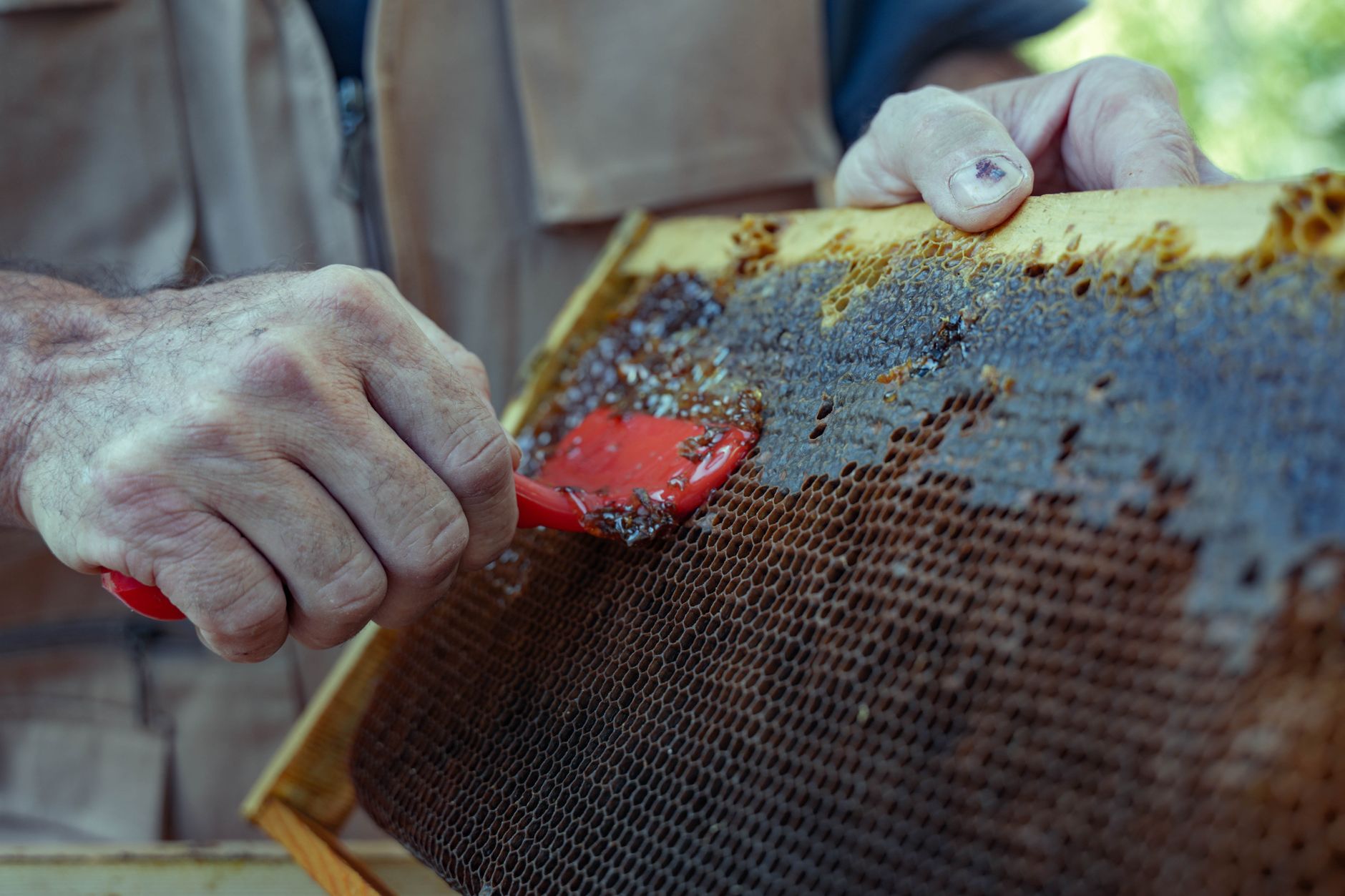
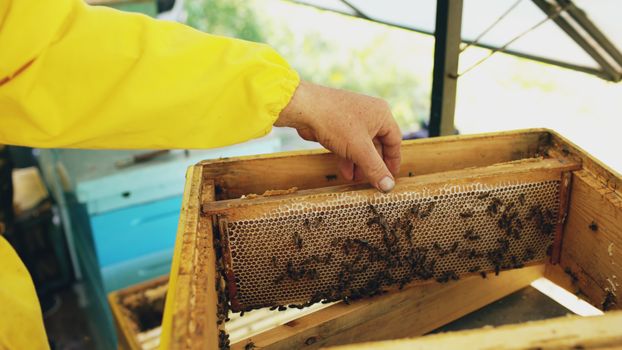
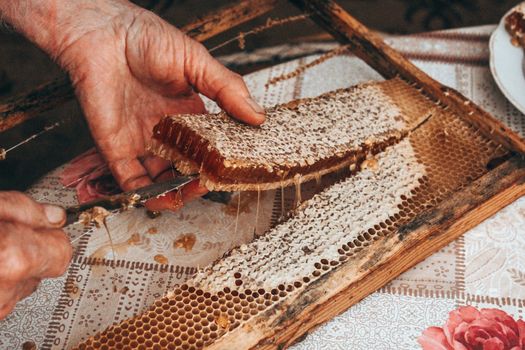
The smoke drifted past my mesh veil, carrying the sharp, herbal fragrance of smoldering pine needles and dried lavender stalks. Standing knee-deep in a sea of wild buckwheat in the Radovljica Valley, the low, rhythmic hum of 50,000 Carniolan honeybees vibrated through the soles of my boots. Master Beekeeper Gregor pulled a frame from the top deep super, heavy with liquid gold. Using a thumb-sized stainless steel hive tool, he scraped away a layer of white beeswax cap, exposing pristine, untamed nectar.
"Don't just lick it," Gregor instructed, handing me a small glass wand coated in dripping, warm amber. "Press it against the roof of your mouth. Breathe through your nose. What do you smell?"
It wasn't just sugar. It was caramelized butter, wet slate, roasted walnuts, and the faint, citrusy bite of late-summer spruce. In that single, unpasteurized drop, I tasted an entire microclimate.
Forget standard farm visits. Across the world, a new wave of honey sommeliers and expert apiarists are pulling back the veil on the complex world of apiculture. If you want to dive deep into sustainable agriculture, taste single-origin nectars you can't buy in stores, and suit up alongside world-class experts, these are the top recommended beekeeping experiences worldwide.
---
1. Radovljica, Slovenia: The Birthplace of Beekeeping Culture
Slovenia is the only European Union nation to legally protect its native honeybee (Apis mellifera carnica). Here, beekeeping isn't just an agricultural industry—it's a national identity.
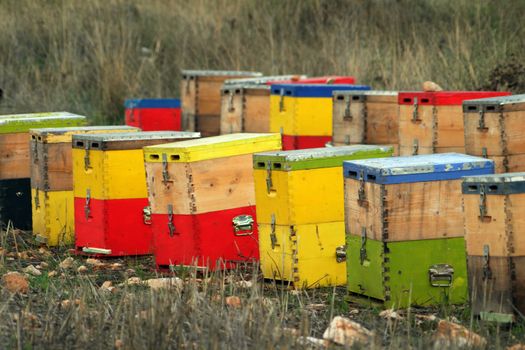
In the storybook town of Radovljica, located just outside Lake Bled, traditional wooden beehive houses feature hand-painted front panels (panjske končnice) depicting 18th-century folklore, religious scenes, and local humor.
The Experience
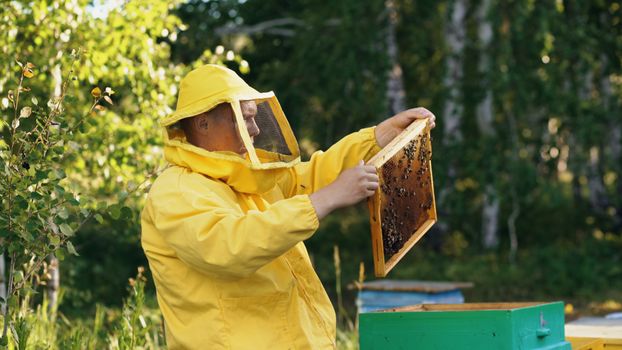
I joined a third-generation master beekeeper for an afternoon immersed in Slovenian apiculture. After stepping into a full canvas suit, you enter an authentic wooden A-frame beehouse, which houses dozens of active hives built directly into the timber walls.
The highlight is the guided sensory tasting led by a certified honey sommelier. You will sample monofloral varieties side-by-side: light, floral Acacia; deep, resinous Spruce (smrekov med); and bitter, dark Fir honey.
- Pro-Tip: Book a morning session around 8:30 AM when the bees are calmest and out foraging. Ask Gregor for a taste of propolis tincture—an intensely aromatic bee resin used locally for immune defense.
- Hidden Detail: Look closely at the painted beehive boards; the blue and yellow panels aren't just decorative—bees navigate best by recognizing these specific color spectrums.
---
2. Valensole Plateau, Provence: Lavender Terroir & Golden Nectar
Every July, the Valensole Plateau turns an electric shade of violet. While selfie-seeking tourists crowd the edges of the fields, local master apiarists are busy harvesting one of the world's most prized monofloral honeys: Miel de Lavande Label Rouge.
The Experience
At family-run honey estates hidden behind narrow gravel paths off the D8 highway, expert beekeepers take you directly into the purple fields. You'll learn how worker bees collect nectar exclusively from Lavandula angustifolia during a narrow three-week bloom window.
The honey tasting here is a masterclass in French culinary terroir. Provence lavender honey is uniquely crystalline, pale ivory in color, with a distinctly creamy texture and delicate notes of sweet almond, dried fruit, and lingering floral oil.
- Pro-Tip: Skip the roadside gift shops in town. Drive straight to Apiculture Célestin near Saint-Jurs (enter through the unmarked iron gate past the olive groves) to buy raw, unfiltered pots directly from the extraction room.
- Best Time to Visit: Late June to mid-July, right before the lavender harvest begins.
---
3. The Yucatan Peninsula, Mexico: Sacred Stingless Melipona Bees
Long before European honeybees arrived in the Americas, the Ancient Maya cultivated Melipona beecheii—a stingless bee species known locally as Xunán Kab ("The Royal Lady"). Mayan priests regarded their clear, citrusy honey as a sacred medicine and a gift from the bee god, Ah Muzen Cab.
The Experience
Deep inside the jungle outside Valladolid, native Mayan apiarists preserve this 3,000-year-old tradition. Instead of modern square wooden boxes, Melipona bees are kept inside hollowed-out tree logs called jobones, sealed at both ends with carved limestone discs.
Because these bees lack functional stingers, you don't even need a veil. You can lean inches away from the log entrance to watch tiny bees haul yellow pollen baskets through entrance tubes made entirely of propolis and clay.
The honey yield is minuscule—a single Melipona hive yields only 1 to 2 liters per year (compared to 30+ liters from a European hive)—making it one of the rarest, most expensive liquids on earth.
- Tasting Profile: Strikingly acidic, tart, and fluid, with pronounced flavors of fermented passion fruit, green mango, and jungle orchids.
- Pro-Tip: Take a private driver from Valladolid at 7:00 AM to beat the mid-day heat. Bring cash (Mexican Pesos), as these small indigenous cooperatives do not accept credit cards.
---
4. Chianti, Tuscany: Agriturismo Hives & Wild Thyme Terroir
Tuscany may be famous for Sangiovese wine, but its rolling hills hide an equally sophisticated liquid craft: high-altitude woodland honey.
The Experience
On an organic estate high above Greve in Chianti, master honey sommeliers offer experiences that rival elite wine tastings. You begin with a walk through bio-diverse olive orchards and macchia scrubland to inspect top-bar hives.
Following the field tour, guests move into a stone tasting cellar built in the 16th century. Sitting at a long wooden table, you perform a professional "olfactory and gustatory analysis" using official sensory honey wheels.
What You'll Taste
- Miele di Castagno (Chestnut Honey): Dark reddish-black, aggressively bitter, complex, with aromas of damp oak, smoke, and leather. Paired with fresh sheep’s milk Pecorino Toscano.
- Miele di Sulla (Sulla Sweetvetch Honey): Very light, delicate, with subtle notes of fresh green grass and green apple.
- Miele di Corbezzolo (Strawberry Tree Honey): Exceedingly rare, intensely bitter, and prized by Italian chefs for pairing with roasted meats.
- Pro-Tip: Request a drops-per-minute extraction demonstration if you visit during the late summer harvest in late August.
---
5. Waikato Region, New Zealand: The Sacred Manuka Harvest
High-grade Manuka honey is renowned for its natural antibacterial properties and distinct earthiness. But true honey connoisseurs know that real, high-UMF (Unique Manuka Factor) honey can only come from native Leptospermum scoparium shrubs flowering in remote, pristine ecosystems.
The Experience
In the wild, windswept hills of the Waikato region on New Zealand’s North Island, helicopter-access apiary tours take visitors directly to untouched native bush where wild hives thrive.
Helmed by indigenous Maori cultural guides and veteran master beekeepers, you learn how bee health, weather patterns, and specific enzyme levels (Methylglyoxal or MGO) dictate the strength and value of every batch harvested.
- The Tasting: High-UMF Manuka is thick, almost thixotropic (gel-like when still, fluid when stirred). It tastes warm, herbal, slightly medicinal, with deep notes of mineral earth, heather, and toasted barley.
- Pro-Tip: Look for the official UMF certified seal on any jar you purchase. A rating of UMF 15+ to 20+ represents ultra-rare, high-potency medical grade nectar.
---
6. London, UK: Urban Rooftop Honey & Secret City Terroir
You don't need to trek into remote countryside to experience world-class apiculture. Some of the most surprising and multi-layered honey in the world is being produced on rooftops right in the center of major global capitals.
The Experience
Led by urban bee experts, visitors scale private spiral staircases to access secluded green rooftops overlooking iconic landmarks like St. Paul's Cathedral and Big Ben.
Because urban environments lack pesticides and feature diverse botanical life—from manicured park gardens and residential balconies to street blossoms—city bees produce a remarkably rich, multi-floral honey profile that changes every few blocks.
- Tasting Profile: West London honey tastes markedly different from East London honey. You'll spot surprising hints of lime tree blossom (linden), chestnut, horse chestnut, and garden mint.
- Pro-Tip: Book a rooftop session that includes an artisanal honey-cocktail workshop at dusk. Watching the sunset over London while sipping a honey-infused botanical gin fizz is unbeatable.
---
How Honey Sommeliers Taste Terroir (The 4-Step Method)
To truly appreciate these world-class apiary visits, you need to taste honey like a certified professional. Throw out the plastic squeeze bottle and use this four-step sensory method:
``` [ Visual Check ] ──> [ Aromatics ] ──> [ Palate Melt ] ──> [ The Finish ] (Color & Viscosity) (Warm Glass Cup) (Roof of Mouth) (Lingering Notes) ```
- Visual & Texture Check: Look at the clarity, color grade (ranging from water-white to dark amber/black), and crystallization grain.
- Release the Aromatics: Place a small spoonful in a rounded glass tasting cup. Cover it with your palm to trap the air, warm the glass with your hands for 30 seconds, swirl, and take a deep, sharp sniff.
- Mouthfeel Melt: Place a small sample onto the middle of your tongue. Press it gently against the roof of your mouth and let it dissolve naturally with your body heat. Never chew or swallow immediately.
- Identify the Finish: Retro-nasal breathing (exhaling slowly through your nose while the honey melts) will reveal subtle secondary notes: animal/barnyard, warm wood, damp forest floor, resin, candied fruit, or sharp malty bitterness.
---
Quick Facts & Logistics Matrix
| Destination | Best Time to Visit | Honey Specialty | Estimated Experience Cost | Travel Logistics | | :--- | :--- | :--- | :--- | :--- | | Radovljica, Slovenia | May – September | Forest Spruce & Fir (Smrekov) | €45 – €85 per person | 30-min drive from Ljubljana Airport; or local train to Radovljica station. | | Valensole, France | Late June – Mid-July | Monofloral Lavender (Label Rouge) | €60 – €120 per person | Rent a car from Marseille Airport (1.5 hrs north). Public transit is very limited. | | Valladolid, Mexico | November – April | Wild Stingless Melipona Nectar | $700 – $1,200 MXN | 2-hour drive from Cancun or Tulum; hire a local private driver for rural jungle roads. | | Greve in Chianti, Italy| May – October | Dark Chestnut (Castagno) & Wildflower | €75 – €150 per person | 45-min drive south of Florence; best reached by car along the scenic SR222 highway. | | Waikato, New Zealand | December – February | High-UMF Raw Manuka | $150 – $350 NZD | 1.5-hr drive south of Auckland; rental car recommended for rural road access. | | London, United Kingdom| May – August | Urban Multi-Floral City Honey | £50 – £95 per person | Centrally located; accessible via London Underground (Tubestation stops varies by hive location). |
---
Essential Gear & Etiquette for Hive Tours
Before heading out to meet master apiarists, keep these essential rules in mind to ensure a safe and respectful experience:
- Wear Neutral Colors: Bees are protective against dark colors (like dark brown or black), which mimic natural predators like bears or badgers. Wear white, cream, or light khaki long trousers and thick socks.
- Skip Perfumes and Fragrances: Ban synthetic scents, scented deodorants, or fruity lotions on the morning of your visit. Bees communicate via pheromones, and strong perfumes can irritate them.
- Move with Calm Precision: Never swing your arms or swat if a bee lands on your suit. Bees are attracted to fast movement. Breathe calmly, stand soft, and let the bee explore before it naturally flies off.
- Respect Hive Boundaries: Never stand directly in front of the hive flight path (the landing board entrance). Always approach hives from the side or rear.
Whether you're looking to upgrade your culinary palate, support biodiversity efforts, or embark on a unique adventure, these hive-to-jar experiences offer a sensory connection to nature that stays with you long after the sweet taste fades.
---
More pictures
Tags
Share this guide
We may earn a commission if you click a link and buy a product or service, at no extra cost to you. How affiliate links work.
Been there?