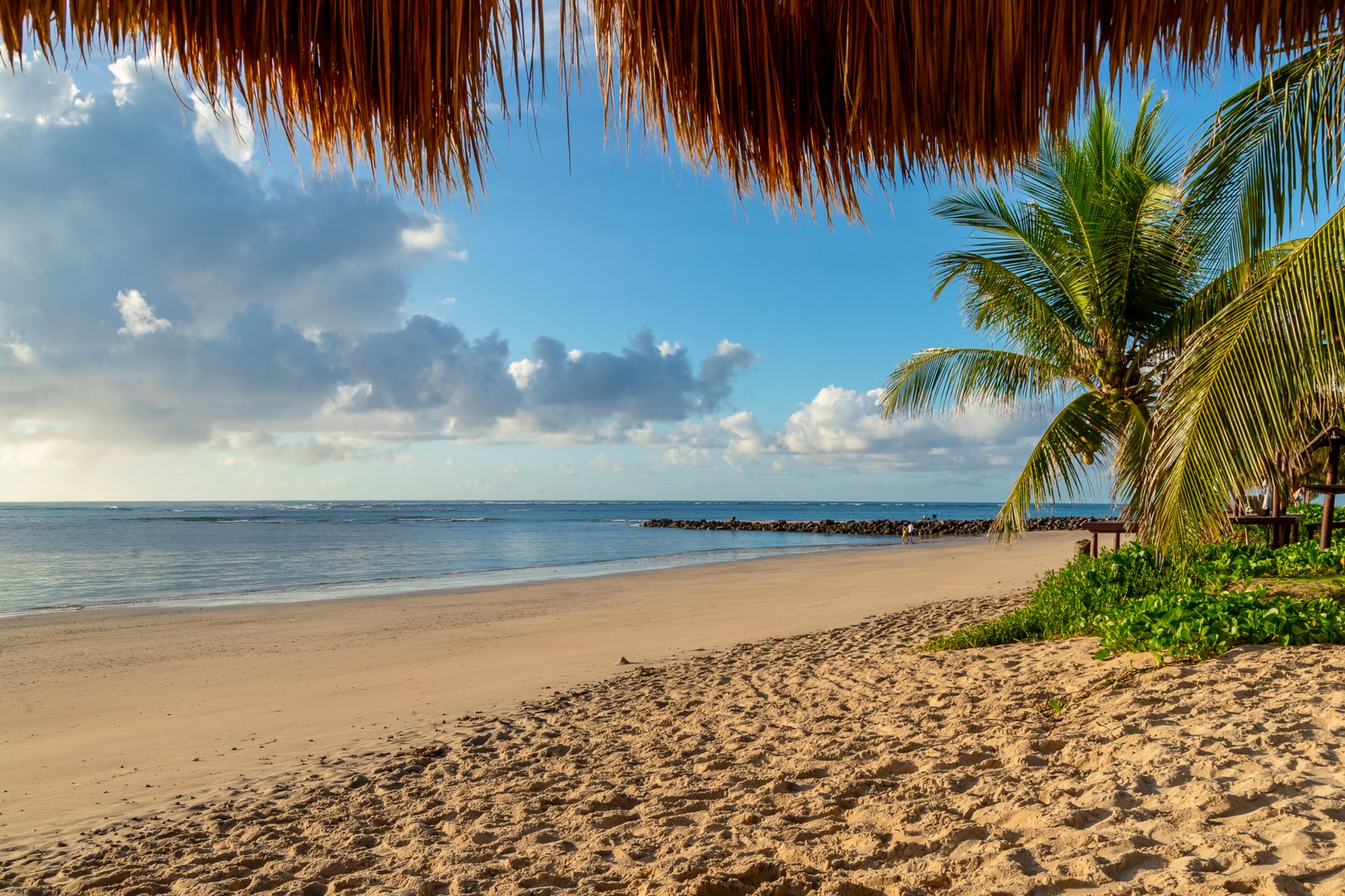
Ever dreamed of a beach getaway without the throngs of tourists, inflated prices, and endless queues? What if we told you the absolute best time to visit your favorite coastal havens isn't when everyone else goes? Get ready to unlock the secrets of off-season beach towns, where local charm thrives and your travel budget stretches further than you ever imagined. ---
The year was 2017, and I was standing on a cobblestone street in Positano, Italy, elbow-to-elbow with what felt like half of humanity. The sun was scorching, the beach was a mosaic of brightly colored umbrellas packed so tightly you couldn't see the sand, and every restaurant had a 45-minute wait. It was beautiful, yes, but the magic? It was suffocated by the sheer volume of people. I loved the Amalfi Coast, but something was missing.
Fast forward to October 2019. I returned, this time with a friend, skeptical about what the "off-season" truly meant for such a popular destination. We arrived in a slightly cooler, but still gloriously sunny Positano. The crowds were gone. The beach was open, serene, with plenty of space to breathe. We rented a scooter for a fraction of the peak season price (€35/day vs. €70+), zipped along the coastal roads with ease, and dined at local trattorias where the owners had time to chat, even share a limoncello. This was the magic I had craved. This was the Amalfi Coast the locals knew.
That trip fundamentally changed how I view beach destinations. The secret to true beach bliss isn't found in peak summer; it's discovered when the crowds recede, the prices drop, and the authentic heartbeat of a place returns. Locals guard these off-season months like precious treasures, and today, I'm letting you in on why beach towns are undeniably better when the tourists thin out.
Why Off-Season is the Real Peak Season
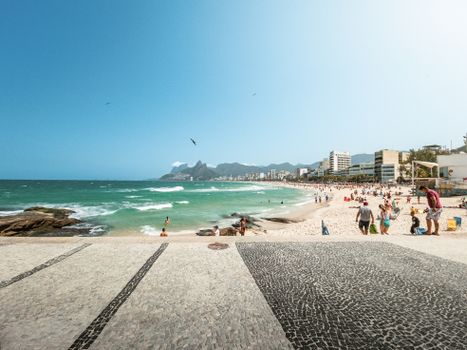
Forget what you think you know about beach vacations. The "off-season" isn't a consolation prize; it's a golden ticket to an unparalleled experience. Imagine walking along a pristine stretch of sand with only the sound of waves for company, or snapping Instagram-worthy photos without a hundred strangers in the background. That's the off-season dream.
Beyond the obvious lack of crowds, there's a tangible shift in atmosphere. The frantic energy of peak season dissipates, replaced by a relaxed, authentic vibe. Local businesses, no longer overwhelmed, have time for genuine interactions. You might find yourself sharing a coffee with a fisherman, learning about their day, or getting a truly personalized recommendation for the best gelato. This human connection is what transforms a simple trip into a profound travel experience.
The weather, too, often surprises. While you might not get scorching sun every day, shoulder seasons (late spring, early fall) often offer gloriously mild temperatures perfect for exploring, hiking, or simply enjoying a sunny day without the oppressive heat. Even true winter can bring its own charm – dramatic stormy skies, cozy evenings by a fireplace, and the invigorating crispness of coastal air. It’s a different kind of beauty, one that often feels more raw and real.
The Art of Timing: Understanding Shoulder & Off-Season
To truly master the off-season beach escape, it's crucial to understand the nuances of timing. Not all "off-seasons" are created equal, and knowing the difference can make or break your trip.
- Shoulder Season: This is typically the sweet spot. Think late April to early June, and September to October in many popular European or North American destinations. The weather is usually still pleasant (sometimes even glorious), most businesses are open, but the major crowds have either not arrived yet or have already departed. Prices are noticeably lower than peak, but not at their absolute rock bottom. This is ideal for those who still want good weather for swimming or sunbathing but hate crowds. For example, the Mediterranean in May or October often boasts perfect temperatures around 20-25°C (68-77°F), warm enough for a dip but cool enough for comfortable sightseeing.
- True Off-Season (Winter): For many destinations, this means November to March. This is when you'll find the absolute lowest prices and the fewest tourists. However, be prepared for cooler weather, potentially more rain, and the possibility that some smaller, seasonal businesses might be closed. This is perfect for travelers seeking solitude, dramatic coastal landscapes, long walks, and a deep dive into local culture without any tourist-centric distractions. While you might not be swimming in the ocean (unless you're brave!), you can enjoy cozy cafes, stunning hikes, and incredible deals. Think surfing in Portugal in January, or exploring quaint towns in the Outer Banks wrapped in a warm jacket.
Research is key here. A quick Google search for "[Destination Name] average weather [Month]" or "best time to visit [Destination Name]" will give you a good starting point. Check local event calendars as well – you might stumble upon a charming harvest festival or a quiet local celebration.
Uncovering Local Life: More Than Just a Tan
My most cherished travel memories aren't about pristine beaches (though those are nice), but about the unexpected connections and authentic experiences. The off-season strips away the glossy, tourist-centric veneer, revealing the true character of a place.
In the peak season, many local businesses are simply trying to survive the onslaught, focused on volume and efficiency. But when the crowds thin, the owners and staff breathe a sigh of relief. They have time to be people again. I remember sitting at a tiny seafood restaurant in Tavira, Portugal, in November. The owner, a jovial man named Manuel, spent an hour explaining the local fishing traditions, showing us photos of his catches, and pouring us complimentary glasses of his homemade medronho (a potent local spirit). We ended up staying for hours, feeling like family. That simply wouldn't have happened in August.
You'll find local markets bustling with residents, not just souvenir-hungry tourists. The produce is seasonal, the fish is fresh off the boat, and the chatter is in the local dialect. You might stumble upon a small, authentic festival celebrating something uniquely local – a saint's day, an olive harvest, or a fishing tradition – that would be overshadowed or entirely missed during the summer rush. These are the moments that truly immerse you, giving you a taste of the real culture that often gets diluted by mass tourism.
Budget Bliss: Your Wallet Will Thank You
Let's be honest, travel can be expensive. But the off-season is your secret weapon for unlocking incredible value. This isn't just about saving a few bucks; it's about making that dream trip a reality or extending your stay without breaking the bank.
- Accommodation: This is where you'll see the most dramatic savings. Hotels, villas, and Airbnbs, desperate to fill rooms, slash their prices by 30-60% or even more. That luxury beachfront villa that was €500/night in July? It might be €180-250/night in October or April. I once snagged a stunning ocean-view apartment in Lagos, Portugal, for €60/night in February – a place that would have easily been €200+ in peak summer. This means you can either save a significant amount or upgrade your accommodation to something you could only dream of during high season.
- Flights: Airlines adjust their pricing based on demand, and demand plummets in the off-season. You can often find flights for half the price, or even less. Keep an eye on flight comparison sites like Skyscanner or Google Flights and set up price alerts. Flying to Europe in November or February can be astonishingly cheap compared to July or August.
- Activities & Rentals: Car rentals, scooter rentals, boat tours, and even some guided excursions often offer reduced rates. In Positano, my scooter rental was half price. Kayak rentals in the Outer Banks can be significantly cheaper in the fall. Even entrance fees to some attractions might have a slight off-season discount.
- Food: While restaurant prices don't fluctuate as wildly, you'll find more "local" restaurants open that cater to residents rather than tourists, often offering more authentic (and sometimes cheaper) fare. You'll also have more opportunities to cook with fresh, local produce from markets, which is always a budget-friendly and delicious option.
These savings add up quickly, allowing you to either allocate more funds to experiences, extend your trip, or simply enjoy a fantastic vacation without the financial stress.
Beyond the Beach: Off-Season Activities
So, what if it's not 30°C and sunny? The beauty of off-season beach towns is that they offer so much more than just swimming and sunbathing. They transform into versatile destinations perfect for a different kind of adventure.
- Hiking & Cycling: Cooler temperatures are ideal for exploring coastal trails, national parks, and scenic routes. Imagine hiking along the Cinque Terre paths in Italy without sweating profusely, or cycling through the pine forests of Portugal's Algarve.
- Cultural Immersion: With fewer tourists, museums, art galleries, and historical sites become far more enjoyable. You can linger longer, absorb the history, and even strike up conversations with curators or local experts.
- Culinary Delights: Enroll in a cooking class focusing on local cuisine, explore bustling food markets, or embark on a wine tasting tour. Many regions have seasonal specialties that truly shine outside of summer.
- Wellness & Relaxation: Many beach towns boast fantastic spas and wellness centers. The off-season is the perfect time to indulge in a massage, a yoga retreat, or simply enjoy the peace and quiet of a coastal setting.
- Photography: The light in the shoulder and off-season is often softer, more dramatic, and absolutely stunning for photography. Think golden hour glows, moody skies, and vibrant autumnal colors against the backdrop of the ocean.
My off-season trip to the Outer Banks in November involved long walks on deserted beaches searching for seashells, climbing lighthouses without queues, and cozy evenings by a firepit, stargazing. It was a completely different experience than the summer rush, and in many ways, far more memorable.
Secret Spots & Specific Examples
Ready to plan your off-season escape? Here are a few personal favorites that truly shine when the crowds are gone:
- Amalfi Coast, Italy (Late October - Early November / April - Early May):
- Why it's better: The dramatic cliffs, pastel villages, and sparkling sea are still breathtaking, but the overwhelming crowds vanish. You can actually drive the winding coastal roads without constant traffic jams. Ferries still run, but are less frequent, offering a more serene journey.
- What to expect: Temperatures around 15-20°C (60-68°F), perfect for hiking the Path of the Gods or exploring Pompeii without the oppressive heat. Many restaurants remain open, catering to locals, offering authentic flavors. Positano and Ravello are still charming, but without the souvenir hawkers.
- Details: A scooter rental from Sorrento or Salerno might cost €30-40/day. Accommodation in Positano or Amalfi can drop from €300-500/night to €150-250/night for a charming B&B. Enjoy fresh seafood pasta and limoncello, often with more attentive service.
- Outer Banks, North Carolina, USA (October - March):
- Why it's better: This string of barrier islands transforms from a bustling summer playground into a wild, windswept paradise. The raw beauty of the Atlantic is on full display.
- What to expect: Crisp air, dramatic skies, and powerful waves (great for experienced surfers!). Rental homes, especially in Nags Head or Hatteras, can be 30-50% cheaper. You'll have miles of beach to yourself, perfect for shell hunting or birdwatching. Lighthouses like Bodie Island or Cape Hatteras are open, often with fewer visitors. Cozier local seafood shacks thrive.
- Details: A week-long rental home that costs $3000 in July might be $1000-1500 in October or April. Expect temperatures from 5-15°C (40-60°F). Great for stormy beach walks and exploring the Cape Hatteras National Seashore.
- Algarve, Portugal (November - March):
- Why it's better: Known for its stunning cliffs and golden beaches, the Algarve enjoys surprisingly mild winters. It's a haven for hikers, golfers, and those seeking a peaceful escape.
- What to expect: Temperatures often hover around 15-18°C (60-65°F), with plenty of sunshine. The coastal trails around Lagos and Carvoeiro are magnificent, offering breathtaking views without the summer heat. Golf courses are less crowded and often offer better rates. Fresh seafood is abundant, and you can explore charming towns like Tavira or Silves at a leisurely pace.
- Details: Flights from major European hubs can be as low as €50-80 return. A comfortable hotel in Lagos or Faro can be found for €50-80/night. Enjoy local dishes like Cataplana (seafood stew) or fresh grilled sardines at authentic tascas.
- Koh Lanta, Thailand (May - October - "Green Season"):
- Why it's better: While technically the "monsoon" or "green season," Koh Lanta often experiences sunny mornings followed by afternoon showers, making the island incredibly lush and beautiful. The lack of crowds is a huge bonus.
- What to expect: Fewer tourists mean empty beaches (Klong Dao, Long Beach), lower prices for accommodation and activities, and a chance to experience authentic Thai island life. While some smaller businesses might close, plenty remain open. The ocean can be rougher, but there are still plenty of calm days for swimming or snorkeling.
- Details: Bungalows right on the beach can go for $20-40/night. Scooter rentals are cheap ($5-7/day). Explore the Old Town, visit the National Park, or take a cooking class. The island feels more serene and truly "local."
Practical Tips for Your Off-Season Escape
Before you pack your bags, keep these practical tips in mind to ensure a smooth and enjoyable off-season adventure:
- Check Opening Hours: Not all businesses operate year-round. While major attractions and many restaurants will be open, smaller, seasonal shops or cafes might be closed. A quick search or a call ahead can save disappointment.
- Pack Layers: Coastal weather can be unpredictable. Even on a sunny day, evenings can get chilly, and a sudden shower isn't uncommon. Layers are your best friend.
- Transportation Schedules: Public transport, especially ferries or buses to smaller towns, might run on reduced schedules. Plan accordingly and consider renting a car for flexibility.
- Flexibility is Key: Embrace the unexpected. If a storm rolls in, pivot to a museum or a cozy cafe. The beauty of off-season travel is the freedom from rigid itineraries.
- Travel Insurance: Always a good idea, but especially when traveling off-peak when weather can be more variable or services might be less frequent.
- Engage with Locals: Be open, friendly, and curious. These are the people who truly know the destination, and their insights can lead to your most memorable experiences.
The Secret's Out: Your Next Adventure Awaits
The idea that beach towns are only for summer is a myth, one that keeps the masses flocking to the same spots at the same time. But you, my fellow Tripsora traveler, are now in on the secret. The off-season isn't just a time to save money; it's an opportunity to truly connect with a destination, to experience its authentic rhythm, and to create memories that are truly your own, unmarred by crowds and commercialism.
So, ditch the peak-season madness. Embrace the quiet beauty, the local charm, and the incredible value that awaits. Your dream beach vacation might just be waiting for you in the "off" months.
Have you discovered an off-season beach gem? Share your secrets and tips in the comments below! And don't forget to share this post with your fellow travel enthusiasts – let's spread the word about these hidden coastal paradises!
---
More pictures
Tags
Share this guide
We may earn a commission if you click a link and buy a product or service, at no extra cost to you. How affiliate links work.
Been there?