Forget passive sightseeing; true travel transformation happens when you get your hands dirty. Join me as I share how the vibrant, labor-of-love autumn harvests around the world didn't just offer unforgettable experiences, but profoundly reshaped my understanding of food, community, and my own place in the world. Get ready to ditch the tour bus and embrace the soil! ---
The Earth's Embrace: How Autumn Harvests Changed My Life Forever
There was a time, not so long ago, when my travel itinerary was a relentless march through checklists: iconic landmarks, Michelin-starred restaurants, museum after museum. I was seeing the world, yes, but was I feeling it? Was I connecting? The answer, I slowly realized, was a resounding no. I was a spectator, not a participant. And then, a chance encounter with the vibrant, messy, utterly soul-stirring world of autumn harvests changed everything. Forever.
It wasn't a grand plan, but a series of spontaneous decisions that led me to trade my polished city shoes for muddy boots, my sophisticated dining experiences for communal farm meals, and my passive observation for active, sometimes back-breaking, labor. What I found wasn't just ripe fruit or fresh oil, but a profound connection to the land, to the people who work it, and to a rhythm of life I hadn't known I was desperately craving. These weren't just trips; they were initiations. Each harvest taught me patience, resilience, gratitude, and a joy so pure it felt like rediscovering a lost part of myself.
If you’re ready to dive deeper than any postcard, to truly taste the terroir of a destination, and to let the simple act of gathering nature’s bounty transform your spirit, then pack your bags (and maybe some sturdy gloves!). Here are the autumn harvests that didn't just fill my baskets, but filled my life with meaning.
1. The Sweet Simplicity: Apple Picking in Vermont, USA
My first foray into the world of harvest travel began quite innocently, a classic New England autumn escape. I’d always loved the idea of apple picking, but it was usually a quick family outing, a photo op, and then home. This time, I wanted more. I booked a stay at a charming B&B near Shelburne Orchards in Vermont, known for its heritage varieties and stunning lake views.
I arrived in late September, the air crisp with the promise of fall. The orchard wasn't just a U-pick spot; it was a community hub. On my first morning, I joined a small group of volunteers helping with the commercial harvest of Macouns and Honeycrisps. There was no fancy equipment, just ladders, canvas bags, and the shared goal of carefully plucking each perfect apple.
My Anecdote: I remember standing on a wobbly ladder, reaching for a particularly red apple nestled among the leaves. The sun warmed my back, the scent of ripe fruit was intoxicating, and the gentle chatter of my fellow pickers filled the air. For hours, I focused solely on the task at hand. My mind, usually buzzing with emails and deadlines, went quiet. It was a meditation, a physical prayer of gratitude. When I finally climbed down, my muscles ached, but my heart felt light, cleansed. I bit into a freshly picked Liberty apple – crisp, sweet, and tart – and realized I hadn't truly tasted an apple before. This wasn't just fruit; it was the culmination of sun, rain, soil, and human care.
Practical Tips for Your Vermont Apple Adventure:
- Location: Shelburne Orchards (Shelburne, VT) or Scott Farm Orchard (Dummerston, VT) are excellent choices, offering diverse apple varieties and often cider presses on-site.
- Best Time: Late September to mid-October for peak apple season. Check orchard websites for specific varietal availability.
- Cost: U-pick typically ranges from $25-$40 for a half-bushel bag (roughly 20-25 lbs). Volunteering for commercial harvest might be free, but always inquire ahead.
- What to Bring: Layers of clothing (mornings are chilly, afternoons can be warm), sturdy closed-toe shoes, water bottle, and a camera for those quintessential fall foliage shots.
- Beyond Picking: Many orchards offer fresh-pressed cider, cider donuts, corn mazes, and even live music on weekends. Don't miss out on these local delights!
- Life-Changing Takeaway: This experience taught me the profound joy of simple labor and the immense satisfaction of consuming something I had helped bring from tree to hand. It was a lesson in mindfulness, grounding me in the present moment and reminding me of the beauty in the everyday.
2. The Golden Nectar: Grape Harvest in Tuscany, Italy
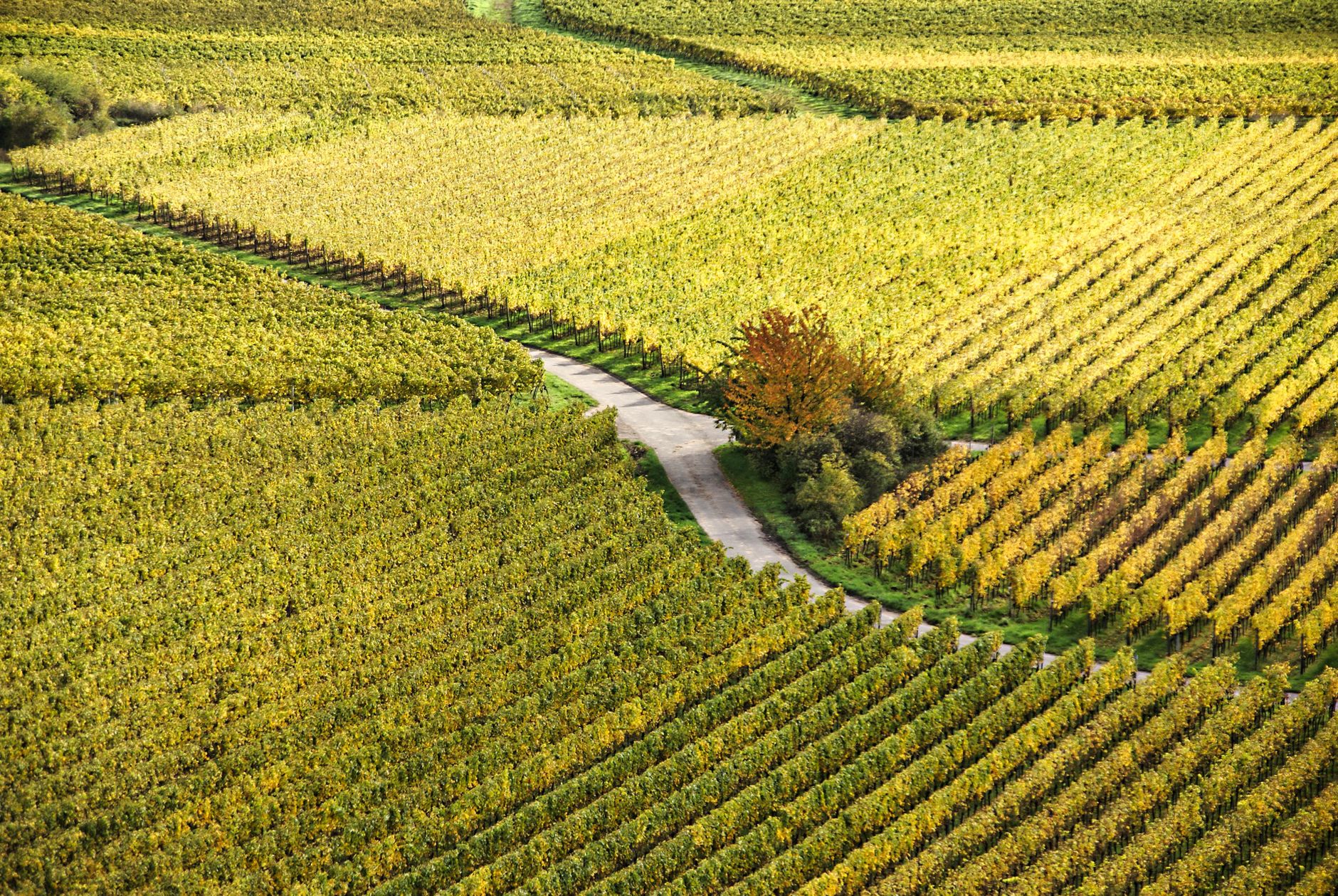
From the crisp air of Vermont, I yearned for the sun-drenched hills of Italy. The grape harvest, or vendemmia, had always held a romantic allure, and I was determined to experience it firsthand. I found an incredible agriturismo, Fattoria di Maiano (a real working farm and olive oil producer, though I participated in a simulated grape harvest experience for tourists, as joining actual commercial harvests can be tricky for casual visitors), nestled just outside Fiesole, overlooking Florence.
This wasn't just a place to stay; it was an immersion. They offered a "Harvest Experience" package in early October that included a few mornings of grape picking, a tour of their cellars, and a cooking class focused on Tuscan cuisine.
My Anecdote: The first morning began before dawn. The air was cool, smelling of damp earth and distant woodsmoke. Armed with clippers and a basket, I joined a small group in the vineyard. The vines, heavy with ripe Sangiovese grapes, stretched across the rolling hills. The work was repetitive – snip, drop, snip, drop – but the rhythm was hypnotic. My hands were sticky with juice, my back ached from bending, but the camaraderie was infectious. We sang Italian folk songs, shared jokes, and devoured a simple but delicious merenda (snack) of bread, cheese, and local wine right there among the vines. Later, stomping grapes in a small vat (a ceremonial, rather than industrial, process, thankfully!) felt like stepping back in time, a joyous, messy dance. That evening, as I sipped the very wine made from grapes picked on that same farm, looking out at the twinkling lights of Florence, I felt a connection to history, to tradition, and to the earth that was deeply moving.
Practical Tips for Your Tuscan Vendemmia:
- Location: Chianti Classico region (e.g., Greve in Chianti, Castellina in Chianti), Montalcino, or even Umbria offer numerous agriturismi with harvest experiences. Research specific farms like Fattoria di Maiano (Florence area) or Castello di Brolio (Chianti).
- Best Time: Late August to early October, depending on grape varietal and climate. Always confirm with the agriturismo.
- Cost: Agriturismo stays with harvest experiences can range from €150-€400+ per night, often including meals and other activities. Day experiences might be available for €50-€150.
- What to Bring: Comfortable, sturdy shoes (vineyards can be uneven), long sleeves and pants to protect from sun and insects, a hat, and a keen sense of adventure.
- Beyond Picking: Many agriturismi offer olive oil tastings, cooking classes, and tours of their wine cellars. Explore the local villages and savor the slow pace of Tuscan life.
- Life-Changing Takeaway: The grape harvest taught me the value of tradition, the beauty of communal effort, and the art of slow living. It made me appreciate every glass of wine as a story, a culmination of effort and passion, rather than just a beverage. It was a profound lesson in patience and the joy of creation.
3. The Liquid Gold: Olive Picking in Crete, Greece
After the grape harvest, I was hooked. I wanted to experience more of these ancient, life-giving traditions. My next destination was Crete, Greece, famed for its olive oil. I found a small, family-run organic olive farm near the village of Spili, in the heart of the island, that welcomed guests to participate in their annual harvest in November.
This wasn't a curated "experience" in the same way as Tuscany; this was genuine, hard work alongside the family. My accommodation was a simple room in their guesthouse, and my payment was my labor and the shared meals.
My Anecdote: The olive harvest is a different beast. Unlike grapes, which are carefully snipped, olives are often "milked" from branches by hand or gently shaken onto nets spread beneath the trees. I spent days with the family, raking olives from the nets into sacks, then loading them onto a small truck. The work was physically demanding, especially when hauling heavy sacks up inclines. My hands were stained green, my muscles ached in places I didn't know existed, but the rhythm was meditative. The air smelled of fresh earth and the slightly bitter scent of olives. The best part was the daily lunch, prepared by the yiayia (grandmother) – simple, fresh, and unbelievably delicious, made with their own olive oil, of course. We'd eat together under the olive trees, sharing stories, laughter, and the quiet satisfaction of a job well done. Seeing the olives pressed into vibrant green, peppery oil at the local ελαιουργείο (olive mill) was magical, a moment of alchemy.
Practical Tips for Your Cretan Olive Harvest:
- Location: Crete (especially the Chania and Rethymno regions) and the Peloponnese are prime olive-growing areas. Look for small, family-run farms or agritourism initiatives that explicitly mention harvest participation. Websites like WWOOF (Worldwide Opportunities on Organic Farms) can also connect you with hosts.
- Best Time: Mid-October to December, depending on the region and desired ripeness of the olives.
- Cost: Many authentic experiences involve volunteering your labor in exchange for food and accommodation (like through WWOOF). Dedicated agritourism packages might cost €70-€150 per day, including meals.
- What to Bring: Very sturdy, comfortable, closed-toe shoes (the terrain can be rocky and uneven), durable work clothes that you don't mind getting dirty, gloves, a hat, and sunscreen.
- Beyond Picking: Explore ancient ruins, hike through gorges, and enjoy the incredible Cretan hospitality. Learn to cook with fresh olive oil and visit local markets.
- Life-Changing Takeaway: The olive harvest was a masterclass in sustainability and connection to ancient roots. It taught me the true value of "liquid gold" and the incredible effort behind every bottle. It fostered a deep respect for the land and the resilient spirit of the people who cultivate it, and made me a fierce advocate for high-quality, ethically produced olive oil.
4. The Joyful Bounty: Pumpkin Patches & Harvest Festivals in the Mid-Atlantic USA
Sometimes, transformation doesn't come from exotic locales but from rediscovering the magic in your own backyard. After my European adventures, I found myself back in the Mid-Atlantic US during October, craving that same harvest connection. I decided to immerse myself in the quintessential American autumn experience: the pumpkin patch and harvest festival. But this time, I approached it differently.
Instead of just visiting, I spent a few weekends volunteering at Great Country Farms in Bluemont, Virginia, a sprawling farm that transforms into a fall wonderland.
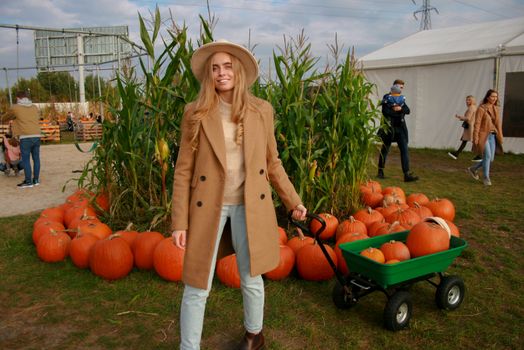
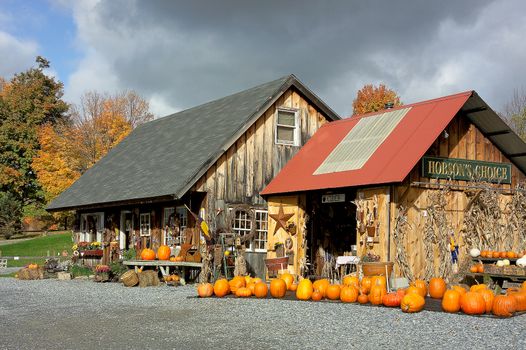
My Anecdote: I helped guide families through corn mazes, assisted kids with pumpkin painting, and even helped stack bales of hay. It wasn't "harvesting" in the traditional sense of picking a crop for commercial use, but it was harvesting joy, community, and nostalgia. I saw the pure delight on children's faces as they found their perfect pumpkin, the laughter of families on hayrides, and the satisfaction of farmers showcasing their hard work. One afternoon, while helping a little girl pick out a small, lopsided pumpkin, she told me it was "the most beautiful pumpkin in the whole world." Her unfiltered joy was contagious. It reminded me that connection to the land and its bounty isn't always about grand gestures; sometimes, it's about celebrating the simple, abundant gifts of the season and sharing that happiness.
Practical Tips for Your Mid-Atlantic Fall Festival:
- Location: Great Country Farms (Bluemont, VA), Linvilla Orchards (Media, PA), Butler's Orchard (Germantown, MD) are popular choices. Many smaller, local farms also offer fantastic experiences.
- Best Time: Throughout October. Weekdays are less crowded than weekends.
- Cost: Entry fees typically range from $15-$25 per person, often including some activities. Pumpkins are priced by weight or size.
- What to Bring: Comfortable walking shoes (you'll be on uneven terrain), a reusable bag for purchases, and a camera for colorful photos.
- Beyond Pumpkins: Expect corn mazes, hayrides, farm animal encounters, apple cider donuts, local produce stands, and often craft vendors and live entertainment.
- Life-Changing Takeaway: This experience reconnected me with the simple, accessible joys of autumn and the power of community. It showed me that even familiar experiences can be transformative when approached with an open heart and a willingness to participate, reminding me that "home" can hold just as much magic as far-flung destinations.
5. The Forest's Hidden Gems: Mushroom Hunting in the Pacific Northwest, USA
My final, and perhaps most surprising, autumn harvest adventure took me deep into the misty forests of the Pacific Northwest. I’d always been fascinated by foraging, but also intimidated. This time, I decided to learn from the best. I booked a guided mushroom foraging tour with Wild Food Adventures near Portland, Oregon, in late October.
This wasn't about mass production or commercial farming; it was about respectful, sustainable gathering, a treasure hunt guided by ancient wisdom.
My Anecdote: Our group met at a trailhead, armed with baskets and identification guides. Our guide, a seasoned mycologist, led us into an old-growth forest, its floor carpeted with moss and fallen leaves. He taught us how to spot chanterelles peeking from under ferns, how to identify edible varieties from their poisonous lookalikes, and, most importantly, how to harvest sustainably, leaving spores intact for future growth. The silence of the forest was profound, broken only by the crunch of leaves underfoot and excited whispers when someone spotted a prized specimen. I felt like a detective, my senses heightened, my focus absolute. Finding my first perfect chanterelle, golden and fragrant, felt like unearthing a hidden gem. Later, cooking our freshly foraged mushrooms over a campfire, the earthy aroma filling the air, was a culinary revelation. It was the taste of the wild, of self-sufficiency, of profound respect for nature's delicate balance.
Practical Tips for Your Mushroom Foraging Expedition:
- Location: The Pacific Northwest (Oregon, Washington) is a mecca for mushroom foraging, but tours are also available in parts of the Northeast and Midwest. Always go with a knowledgeable guide if you're a beginner.
- Best Time: Mid-September to early November, depending on rainfall and temperature.
- Cost: Guided tours typically range from $75-$200 per person for a half-day or full-day experience, often including lunch or a cooking demonstration.
- What to Bring: Waterproof hiking boots, rain gear (the PNW is wet!), a basket (not plastic bags, which can degrade mushrooms), a small knife, and an identification guide.
- Beyond Foraging: Explore the vibrant food scene in Portland, visit local farmers' markets, and hike other stunning trails.
- Life-Changing Takeaway: Mushroom foraging taught me patience, observation, and a profound respect for the intricate ecosystems of our planet. It demystified the wild, showing me how to safely and sustainably interact with it, and ignited a passion for connecting with food at its most primal source. It was a lesson in humility and the incredible bounty that nature provides when we learn to look closely.
Embracing the Harvest: A Call to Action for Your Soul
These autumn harvests weren't just trips; they were pivotal moments that reshaped my understanding of travel, food, and life itself. They taught me that true connection isn't found in a perfectly posed selfie (though you'll definitely get some Instagram-worthy shots!), but in the dust on your hands, the ache in your muscles, and the shared laughter with strangers who quickly become friends.
They reminded me that food is more than sustenance; it's a story, a tradition, a labor of love that connects us to the earth and to each other. I learned to slow down, to appreciate the cyclical nature of life, and to find immense satisfaction in the simple act of gathering.
So, if you're feeling a bit lost in the whirlwind of modern life, if you're craving a travel experience that nourishes your soul as much as it excites your senses, I urge you: seek out an autumn harvest. Get your hands dirty. Connect with the land. You might just find that the greatest bounty isn't what you pick, but what you discover within yourself.
Which harvest calls to your soul? Have you ever participated in a harvest experience? Share your dreams and stories in the comments below! Let's inspire each other to travel deeper, live richer, and embrace the earth's incredible gifts.
---
More pictures


Tags
Share this guide
We may earn a commission if you click a link and buy a product or service, at no extra cost to you. How affiliate links work.
Been there?