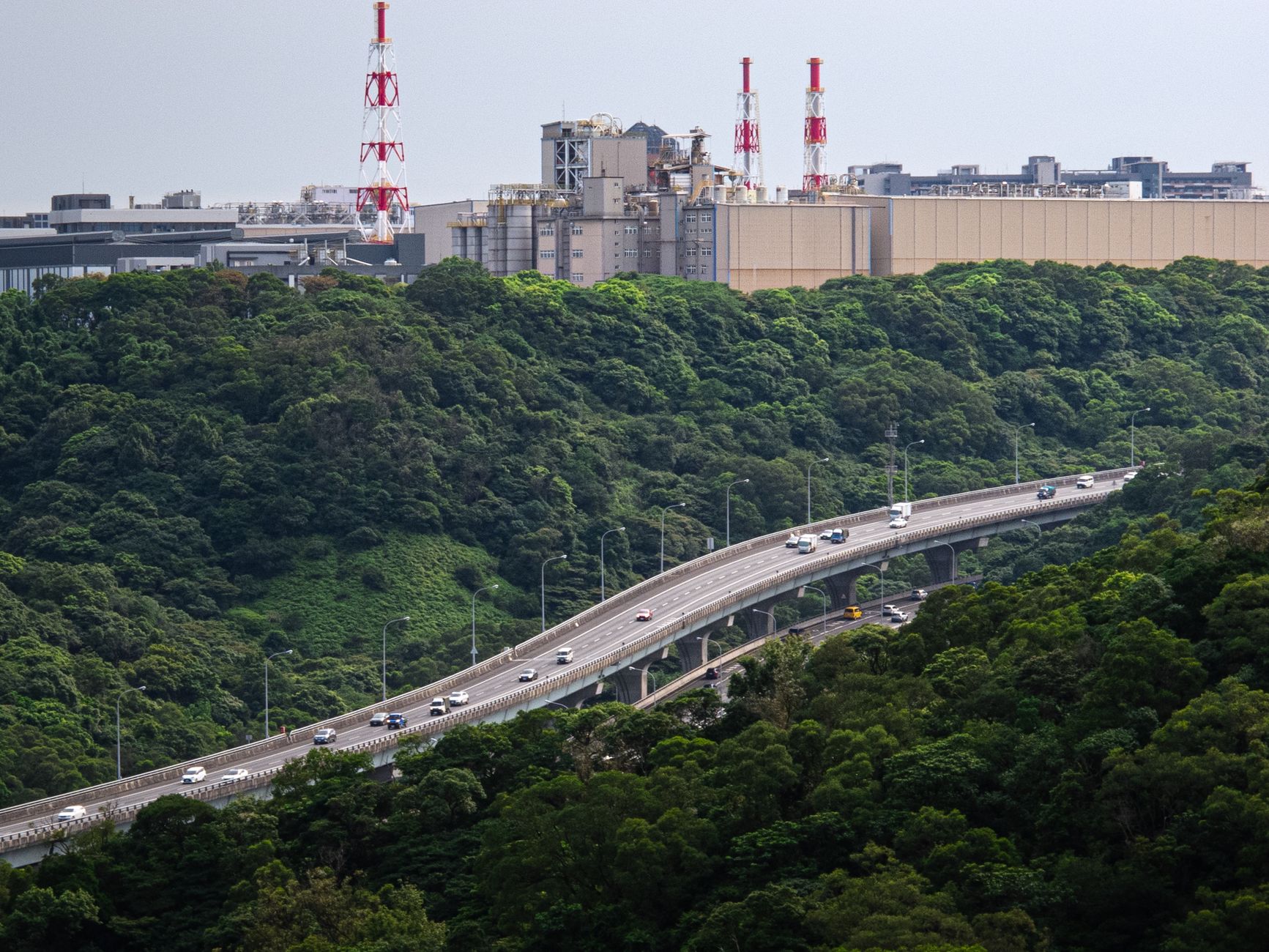
Forget what you think you know about progress! I just landed in Asia, and the future is *here*. Think lightning-fast trains, seamless smart cities, and tech so integrated it feels like magic. Get ready to be blown away by Asian infrastructure that's leaving the West in the dust.
The Hook: A Symphony of the Future
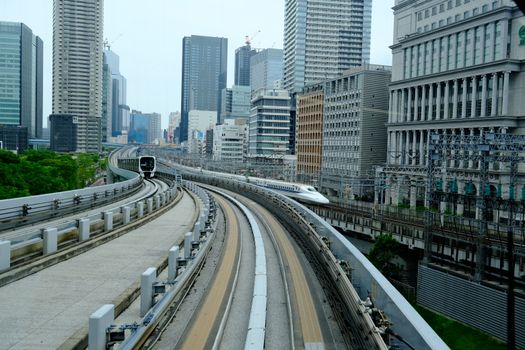
I stepped off the train in Tokyo, the Shinkansen a silent, silver bullet that had whisked me from Kyoto in what felt like the blink of an eye. The air hummed, not with the chaotic clatter of a Western station, but with a controlled, almost melodic energy. The scent of yakitori mingled with the clean, crisp aroma of ionized air. Digital displays, impossibly sleek and responsive, guided me with a gentle chime. This wasn't just a transit hub; it was a portal to a future I’d only read about. The sheer efficiency, the seamless integration of technology into every facet of life – it hit me like a jolt of pure, unadulterated progress. And it was just the beginning.
Asia's Digital Arteries: The Hyper-Connected Landscape
The narrative often paints the West as the undisputed king of technological advancement. But my recent travels across Asia have revealed a startling truth: the continent is not just catching up; in many critical areas of infrastructure, it's forging ahead with breathtaking speed and vision. This isn't about shiny gadgets; it's about the foundational systems that power modern life, and Asia is building them smarter, faster, and more sustainably.
The Smart City Revolution: Beyond the Buzzword
Forget the dystopian visions of surveillance states. Asian smart cities are about creating a more livable, efficient, and responsive urban environment. My journey through Seoul was a prime example. The city’s Ubiquitous City (u-City) initiative is not a slogan; it's a tangible reality.
- Intelligent Traffic Management: Sensors embedded in roads and traffic lights communicate in real-time, optimizing flow and reducing congestion. I watched from my hotel window as traffic lights seemingly anticipated pedestrian crossings, adjusting timings with uncanny prescience. This isn’t just about convenience; it’s about reclaiming hours lost to gridlock.
- Integrated Public Services: From smart waste management systems that optimize collection routes to energy grids that dynamically adjust to demand, every service feels…aware. In Singapore, I experienced the ease of a fully integrated digital identity system that allowed me to navigate public transport, access building facilities, and even pay for goods with a single, secure portal.
- Citizen-Centric Design: The focus is on improving the lives of residents. Taipei’s initiatives, for instance, include real-time air quality monitoring displayed in public spaces and apps that help citizens find available parking spots, reducing unnecessary circling and emissions.
Pro-Tip: Download local transit apps before you arrive. They often offer real-time updates and integrated payment options that are far superior to generic mapping services.
The High-Speed Rail Renaissance: Connecting Continents
The Shinkansen in Japan is legendary, but it’s just one piece of a much larger, continent-spanning puzzle. Asia’s commitment to high-speed rail (HSR) is transforming travel and economic connectivity in ways the West is only beginning to dream of.
- Japan's Shinkansen Network: Still the gold standard for reliability, punctuality, and passenger experience. The sheer density and interconnectedness of the network are astonishing, making cross-country travel a breeze.
- China's HSR Dominance: China has built the world’s largest HSR network in a remarkably short period. Traveling between cities like Shanghai and Beijing on the Fuxing Hao trains feels like stepping into the future – incredibly smooth, quiet, and reaching speeds of up to 350 km/h.
- South Korea's KTX: Connecting major cities like Seoul and Busan with impressive speed and comfort, the KTX is a vital artery for the nation’s economy and tourism.
- Emerging Networks: Countries like Vietnam and Thailand are actively developing their own HSR plans, recognizing its potential to drive economic growth and reduce reliance on air travel.
Pro-Tip: Book HSR tickets in advance, especially for popular routes or during peak season. Websites like Trip.com or the official national railway sites are your best bet.
5G and Beyond: The Wireless Backbone of Tomorrow
While many Western cities are still grappling with widespread 5G deployment, Asia is already embracing it as the foundation for a truly connected future. This isn't just about faster downloads; it's about enabling the next wave of technological innovation.
- Ubiquitous Connectivity: From the bustling streets of Hong Kong to the serene temples of Kyoto, reliable and high-speed 5G is becoming the norm. This enables seamless integration of IoT devices, real-time data analytics, and advanced communication.
- Enabling Innovation: 5G is the backbone for advancements in autonomous vehicles, remote surgery, augmented reality experiences, and the expansion of the Internet of Things (IoT). I experienced a glimpse of this with an AR navigation app in Seoul that overlaid directions and points of interest directly onto my view of the street.
- Digital Inclusion: In many Asian countries, the rapid rollout of affordable mobile data and 5G is bridging the digital divide, providing access to education, healthcare, and economic opportunities for a larger segment of the population.
Pro-Tip: If you're a digital nomad or relying heavily on connectivity, research local SIM card options or e-SIM providers that offer extensive 5G coverage in your destinations.
Sustainable Solutions: Green Infrastructure for a Greener Future
Asia's rapid development is often accompanied by a stark awareness of environmental challenges. This has spurred incredible innovation in green infrastructure, making many cities models for sustainable urban living.
- Renewable Energy Integration: Cities like Taipei are investing heavily in solar power, with panels integrated into building facades and public infrastructure. South Korea is a leader in developing advanced battery storage solutions to support its grid.
- Eco-Friendly Transportation: Beyond HSR, there's a massive push for electric vehicles (EVs) and comprehensive public transit networks. Shanghai boasts an extensive and efficient metro system, complemented by a growing fleet of electric buses and taxis.
- Waste-to-Energy Technologies: Innovative approaches to waste management, including advanced incineration plants that generate electricity, are helping to reduce landfill reliance and create energy simultaneously.
Pro-Tip: Look for hotels that highlight their sustainability practices. Many in major Asian cities are leading the way in eco-friendly operations.
The Future of Mobility: Maglev and Beyond
While the world is still debating the feasibility of hyperloop, Asia is already experimenting with and implementing cutting-edge transportation technologies.
- Shanghai Maglev: The world's first commercial magnetic levitation train, it connects Pudong International Airport to the city center at exhilarating speeds of up to 431 km/h. The ride is incredibly smooth and silent, a testament to the potential of this technology.
- Research and Development: Countries like Japan and South Korea are continuously investing in R&D for next-generation transport, including advanced robotics for infrastructure maintenance and exploration of autonomous public transport systems.
Pro-Tip: Experiencing the Shanghai Maglev is a must-do for any tech enthusiast. It's a short, thrilling ride that showcases a glimpse of future transport.
The Budget/Logistics: Navigating the Asian Tech Frontier
| Category | Estimated Cost ($) | Best Time to Visit | How to Get There | | :------------------ | :----------------- | :----------------- | :--------------------------------------------------- | | Smart City Tours | $50 - $200 | Spring/Autumn | Fly into major international airports (e.g., ICN, TPE, SIN). | | HSR Tickets | $30 - $200+ | Year-round | Purchase online or at stations. Book in advance. | | 5G Data Plans | $10 - $30 | Year-round | Local SIM cards or eSIMs are readily available. | | Maglev Ride | ~$8 (one-way) | Year-round | Located at Shanghai Pudong International Airport. |
Quick Facts:
- Currency: Varies by country (e.g., JPY, CNY, KRW, SGD).
- Language: Mandarin, Japanese, Korean, English widely spoken in tourist areas and business districts.
- Connectivity: Wi-Fi is ubiquitous, 5G coverage is excellent.
- Power Adapters: Type A, B, C, G – research your specific destination.
Insider Insights: Beyond the Tourist Trail
Don't just stick to the obvious. Engage with the technology.
- Explore Local Apps: Beyond maps, explore apps for local food delivery, ride-sharing, and even language translation. They are often highly optimized and surprisingly sophisticated.
- Observe the Infrastructure: Take a moment to simply look at how things are built. Notice the integrated solar panels, the smart streetlights, the efficient waste disposal units. These are the details that reveal the depth of innovation.
- Talk to Locals: Ask them about their experiences with technology in daily life. You'll gain invaluable perspectives that no guidebook can offer. I learned about a fantastic app for finding obscure, delicious street food stalls in Bangkok from a local student.
Why This Matters for the Global Traveler
The technological leaps in Asian infrastructure aren't just impressive feats of engineering; they represent a paradigm shift in how we can live, work, and travel. For the forward-thinking traveler, this means:
- Unparalleled Convenience: Seamless travel, instant connectivity, and hyper-efficient services that reduce friction and maximize your exploration time.
- A Glimpse of the Future: Witnessing these advancements firsthand provides a tangible understanding of where global technology is heading.
- Sustainable Travel: Many of these innovations are inherently greener, offering a more responsible way to explore the world.
- Inspiration for Your Own Life: You might just come back with ideas for how to make your own city or community a little bit smarter and more efficient.
My journey through Asia has been a revelation. It’s a continent that’s not just embracing the future but actively building it, brick by digital brick, byte by connected byte. The West has much to learn, and for the intrepid traveler, the opportunities to experience this technological vanguard are now, more than ever, worth considering.
More pictures

Tags
Share this guide
We may earn a commission if you click a link and buy a product or service, at no extra cost to you. How affiliate links work.
Been there?