
Forget the overpriced tapas of Barcelona or the sanitized stalls of London’s Borough Market. If you want a culinary experience that is visceral, neon-drenched, and unapologetically bold, you need to head East. This is the definitive guide to the Asian street food markets that outclass Europe in flavor, price, and sheer soul. ---
The Hook: A Symphony of Sizzle and Steam
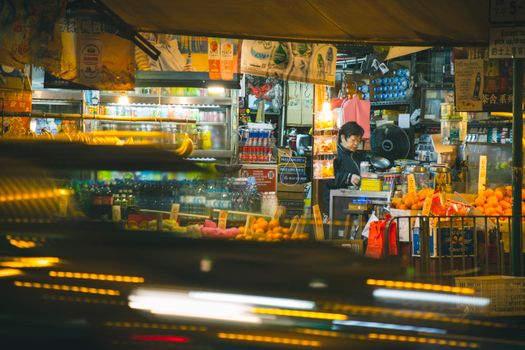
I stepped off the humid pavement of Taipei’s Songshan District, and the air changed instantly. It wasn't just the heat; it was the scent—a heavy, intoxicating mix of caramelized pork, fermented tofu, and the sharp, citrusy zing of scallions hitting a white-hot wok. I’ve spent months wandering the Boqueria in Barcelona and the Marché des Enfants Rouges in Paris. They are beautiful, sure. But they are polite. They are "curated."
As I stood in front of a charcoal furnace at the entrance of Raohe Night Market, watching a man with forearms like iron bars pull blistered black pepper buns from a clay oven, I realized something: Europe treats food like an exhibition. Asia treats food like a heartbeat. If you’re looking for the soul of global gastronomy, you won’t find it in a cobblestone square in Italy. You’ll find it in the neon-lit, steam-filled labyrinths of Asia. Here are the markets that prove it.
---
1. The Neon Labyrinth: Raohe Night Market, Taipei (Taiwan)
While Shilin Market gets the Instagram fame, Raohe is where the locals go when they want to eat seriously. It is a straight-shot corridor of culinary brilliance anchored by the stunning Ciyou Temple.
The Signature Dish: Hujiao Bing (Black Pepper Buns). These aren't just buns; they are molten pockets of peppery pork and spring onions, baked against the walls of a clay oven until the crust is shatter-crisp.
Why it beats Europe: In Europe, a "gourmet" snack costs €12 and comes on a wooden board. At Raohe, $2 USD gets you a Michelin-recognized bun that will burn your tongue and change your life. The efficiency is mechanical; the flavor is ancestral.
- Pro-Tip: Don't wait in the massive line at the very front for the buns if it’s over 30 people deep. Walk the full length of the market first; often, the secondary stalls near the temple end have shorter queues for equally elite Chen Dong pork ribs.
---
2. The Hawker’s Cathedral: Chulia Street & Kimberley Street, Penang (Malaysia)
Penang is the undisputed street food capital of the world. Forget the "fusion" restaurants of London; Penang has been fusing Malay, Chinese, and Indian flavors for centuries in the humid air of George Town.
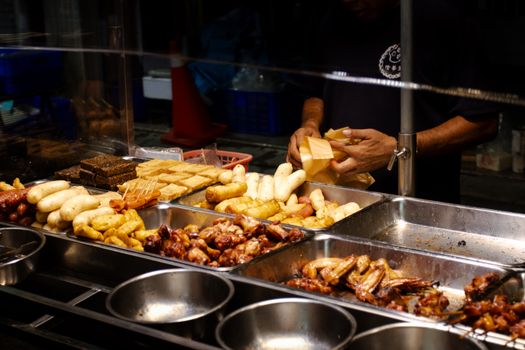
The Signature Dish: Char Kway Teow. Look for the "Uncle" wearing goggles (to protect against the smoke) tossing flat rice noodles with prawns, cockles, lap cheong (Chinese sausage), and bean sprouts over a charcoal fire. The "Wok Hei"—the breath of the wok—is a smoky, charred essence you simply cannot replicate on an electric stove in Berlin.
Why it beats Europe: The diversity. Within ten paces, you can move from a spicy Laksa (Peranakan) to a rich Mutton Curry (Indian-Muslim) to an Oyster Omelet (Hokkien). It’s a geopolitical education on a plastic plate.
- Pro-Tip: The "hidden" entrance to the best seating is often through the coffee shops (Kopitiams) behind the stalls. You must order a drink (try the Nutmeg juice) to secure a table.
---
3. The Kitchen of the World: Kuromon Ichiba Market, Osaka (Japan)
They call Osaka Tenka no Daidokoro (the country's kitchen). While Tokyo is refined, Osaka is loud, brash, and obsessed with "eating until you drop" (Kuidaore).
The Signature Dish: Takoyaki (Octopus Balls). But not just any. Look for the stalls where the batter is still slightly gooey in the center, topped with dancing bonito flakes and a heavy drizzle of umami-rich sauce.
Why it beats Europe: Cleanliness meets chaos. In a European market, raw seafood is often tucked away behind glass. At Kuromon, you can watch a master butcher slice a $100 slab of A5 Wagyu or a giant Hokkaido scallop right in front of you, sear it with a blowtorch, and hand it to you on a bamboo skewer. It’s high-end dining with zero pretension.
- Pro-Tip: Visit at 4:30 PM. This is the "magic hour" when vendors start slashing prices on pre-packaged sashimi and uni (sea urchin) to clear stock before closing.
---
4. The Fabric of Flavor: Gwangjang Market, Seoul (South Korea)
Gwangjang is one of the oldest traditional markets in Korea, and walking into it feels like entering a living, breathing organism. It’s famous now thanks to Netflix’s Street Food, but the reality is even more visceral.
The Signature Dish: Bindaetteok (Mung Bean Pancakes). Watch the stone mills grind soaked mung beans into a thick paste, which is then shallow-fried in massive vats of oil until golden and roaringly crunchy.
Why it beats Europe: The "Ajumma" energy. The women running these stalls are the backbone of Korean society. They will bark at you to sit down, pour you a bowl of Makgeolli (rice wine), and pile food onto your plate with a fierce, grandmotherly love that you won't find in a Parisian bistro.
- Pro-Tip: The "Netflix Lady" (Yoon Young-sook) is at stall #70, but her neighbors make equally incredible Kalguksu (knife-cut noodles). Don't be afraid to sit at a less crowded bench.
---
5. The Riverside Revolution: Wang Lang Market, Bangkok (Thailand)
Skip the tourist-heavy Khao San Road. Cross the Chao Phraya River to Wang Lang. This is where hospital workers, students, and locals congregate for the most authentic Thai flavors in the city.
The Signature Dish: Som Tum (Papaya Salad) and Gai Tod (Fried Chicken). The Thai version of fried chicken, marinated in garlic and coriander root, ruins all other fried chicken forever.
Why it beats Europe: The balance of the "Four Pillars." European food often leans heavily on fat and salt. Thai street food is a high-wire act of sweet, sour, salty, and spicy. It’s a sensory overload that makes a ham and cheese baguette feel like a cardboard box.
- Pro-Tip: Take the orange flag ferry to Prannok Pier (N10). The market starts the moment you step off the boat. Look for the stall with the longest line of nurses—that’s where the best Southern Thai curry is.
---
Data & Details: The Quick-Reference Guide
| Market | Location | Best Time | Est. Cost (Full Meal) | Vibe | | :--- | :--- | :--- | :--- | :--- | | Raohe | Taipei, Taiwan | 7:00 PM - 10:00 PM | $8 - $12 USD | Neon, Energetic, Iconic | | Chulia St | Penang, Malaysia | 6:30 PM - 11:00 PM | $4 - $7 USD | Gritty, Historic, Spicy | | Kuromon | Osaka, Japan | 10:00 AM - 4:00 PM | $15 - $40 USD | Polished, Fresh, Gourmet | | Gwangjang | Seoul, S. Korea | 6:00 PM - Late | $10 - $20 USD | Traditional, Social, Loud | | Wang Lang | Bangkok, Thailand | 11:00 AM - 3:00 PM | $3 - $6 USD | Local, Riverside, Intense |
---
Authenticity: Beyond the Tourist Trap
To truly appreciate why these markets are better than Europe, you have to look at the infrastructure of flavor. In Europe, food regulations often stifle the "open flame" culture. In Asia, the flame is everything.
When you see a vendor in Hanoi crouching on a blue plastic stool, fanning a charcoal grill with a piece of cardboard to cook Bun Cha, you aren't just seeing a meal being made. You are seeing a tradition that has survived wars, economic shifts, and modernization. The "insider" secret? The best food is always found at the stall that only does one thing. If a vendor sells pad thai, sushi, and pizza? Walk away. If a vendor sells nothing but braised pork rice for 50 years? You’ve found gold.
---
Logistics: How to Get There
- Taipei: Take the Green Line (Line 3) to the terminal station, Songshan. Exit 5 is literally at the market gates.
- Penang: George Town is walkable. Most food hubs are centered around Chulia Street. Use the 'Grab' app for cheap, reliable transport.
- Osaka: Take the Subway Sennichimae Line to Nippombashi Station. Exit 10.
- Seoul: Jongno 5-ga Station (Line 1), Exit 8.
- Bangkok: Take the Chao Phraya Express Boat to Wang Lang (Prannok) Pier.
---
Final Thoughts
European markets are beautiful museums of food. Asian street food markets are the living, breathing, sizzling reality of it. They are messy, they are loud, and they require you to sweat a little. But once you’ve had a $2 bowl of noodles under the hum of a Penang neon sign, the "luxury" markets of the West will always feel just a little bit empty.
More pictures



Tags
Share this guide
We may earn a commission if you click a link and buy a product or service, at no extra cost to you. How affiliate links work.
Been there?